Safe jaw crusher operation starts with five essentials: pre-start inspection, correct startup, controlled feeding, continuous monitoring, and safe shutdown. Skipping any of these steps can increase the risk of blockages, mechanical damage, and unplanned downtime.
This guide explains how to operate a jaw crusher, recognize common operating problems, and maintain critical components. Always follow the operating manual for your specific crusher model and the safety procedures established at your site.
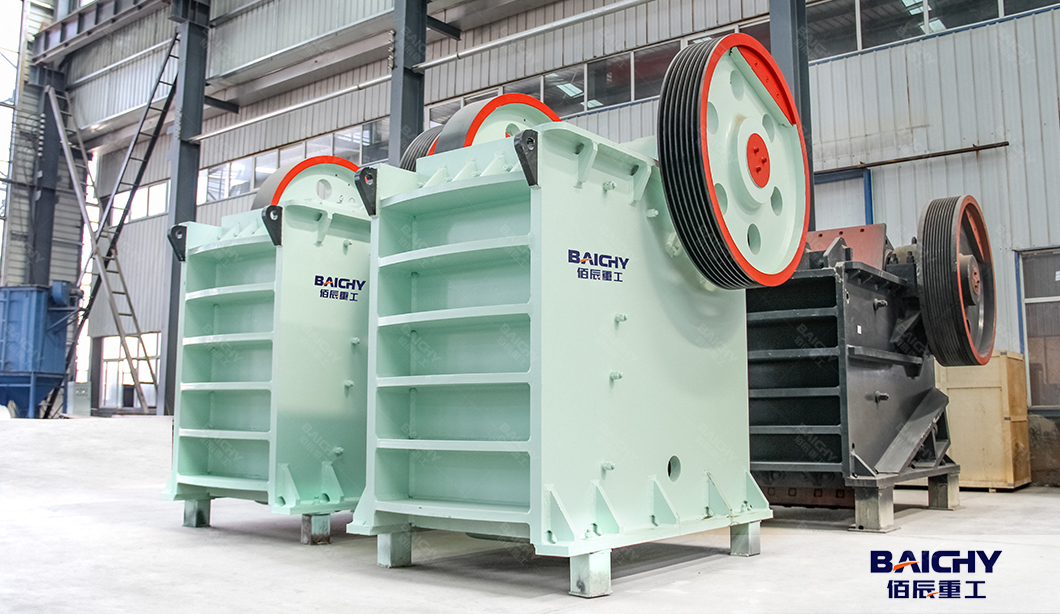
1. How to Operate a Jaw Crusher Safely
Follow a consistent operating sequence: inspect the equipment, start the plant according to the approved procedure, feed material within the specified limits, monitor performance, and shut down correctly.
1.1 Pre-Start Inspection
Check the machine and work area before starting the crusher. A short inspection can identify loose components, lubrication problems, and obstructions before they develop into serious faults.
Use this checklist:
-
Safety guards: Confirm that guards and access covers are installed correctly.
-
Lubrication: Check lubricant levels, visible leaks, and system indicators according to the manual.
-
Jaw plates and fasteners: Look for visible damage, loose components, or abnormal wear.
-
Feed and discharge areas: Check for material buildup and obvious obstructions.
-
Drive system: Inspect accessible belts, pulleys, and motor components for visible damage.
-
Safety devices: Confirm that emergency stops and other required safety devices are ready for use.
-
Work area: Ensure that personnel are clear of hazardous areas and that communication between operators is established.
Do not start the crusher if a critical safety device has failed or a serious mechanical defect remains unresolved.
1.2 Correct Startup Procedure
Start the crusher in the sequence specified by the manufacturer. The correct order depends on the machine design, feeder arrangement, conveyors, and plant control system.
In many conventional crushing plants, downstream conveyors start first, followed by the crusher and then the feeder. However, the installed system's approved operating procedure takes priority over this general example.
After startup, check for:
-
Unusual noise or excessive vibration.
-
Abnormal bearing temperature or lubrication warnings.
-
Unexpected motor-load changes.
-
Problems with conveyor movement or material discharge.
If the machine behaves abnormally, stop feeding and follow the relevant shutdown procedure. Do not keep running the crusher simply to maintain production.
1.3 Feeding and Operating the Crusher
Maintain a steady feed within the crusher's rated limits. Sudden surges, oversized rocks, and foreign objects can cause blockages or place unnecessary stress on the crushing mechanism.
During operation:
-
Confirm that the feed size is within the machine's specifications.
-
Adjust the feeder to maintain a consistent material flow.
-
Watch for bridging, material buildup, or restricted discharge.
-
Monitor available motor-load indicators and other operating signals.
-
Report unusual noise, vibration, temperature, or output changes.
For example, if a crusher repeatedly stalls when large rocks enter the chamber, check the feed-size limit and feeding method before changing the crusher settings.
The rated capacity is not a guarantee of the actual production rate. Material hardness, abrasiveness, moisture, feed grading, and the required product size all affect throughput.
1.4 Normal Shutdown Procedure
Stop feeding before shutting down the crusher, unless an emergency requires immediate action. This allows the machine to process remaining material according to its operating instructions.
For a normal shutdown:
-
Stop or reduce the feed according to the approved procedure.
-
Allow the crusher to clear the remaining material if the manual requires it.
-
Stop the crusher and associated equipment in the specified sequence.
-
Record abnormal operating conditions or faults.
-
Isolate hazardous energy before cleaning, adjustment, or maintenance.
Never reach into the crushing chamber just because the motor has stopped. The equipment must be properly isolated before any work exposes personnel to hazardous areas.
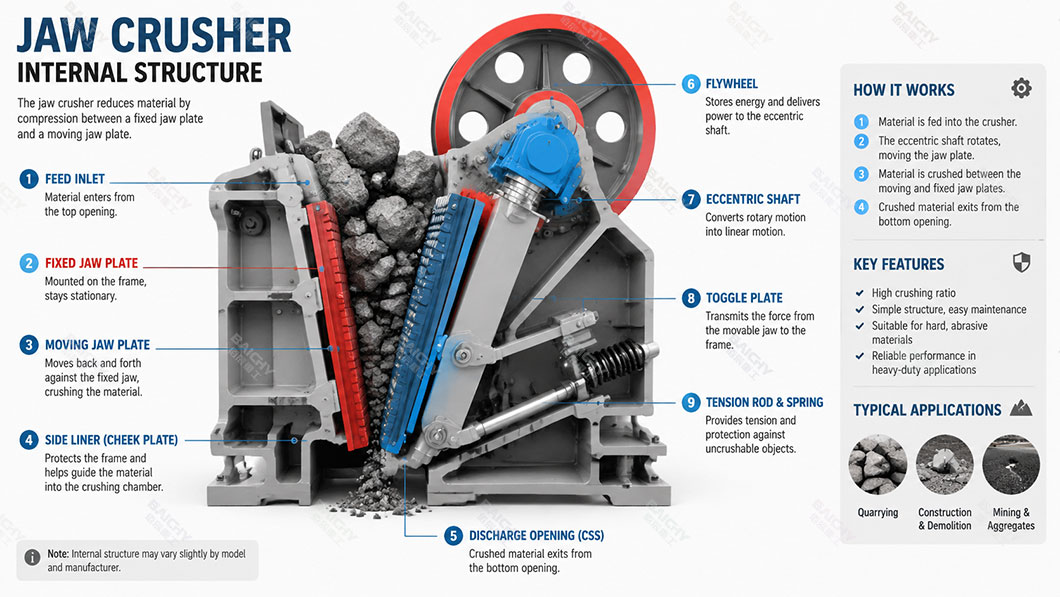
2. Essential Jaw Crusher Safety Precautions
The most important safety precautions are effective guarding, controlled access, correct feed preparation, and strict energy isolation before maintenance. Jaw crushers contain powerful moving parts, and material can shift unexpectedly even when production has stopped.
2.1 Check Safety Guards and Emergency Stops
Inspect guards around drive belts, pulleys, flywheels, and other moving components before operation. Confirm that emergency stops are accessible and that required safety devices are functional.
Operators should know how to stop the equipment and how to respond after an emergency stop.
Never bypass an interlock or remove a guard to keep production running. If a safety device fails, follow the site's procedure for taking the equipment out of service.
2.2 Wear Appropriate Personal Protective Equipment
Use PPE based on the site's risk assessment. Typical requirements include:
-
Hard hat and protective footwear.
-
Safety glasses or suitable eye protection.
-
Hearing protection in designated high-noise areas.
-
Suitable work clothing and gloves for applicable tasks.
-
Respiratory protection where required by the dust-risk assessment.
Crushing rock can generate airborne dust, including respirable crystalline silica when silica-containing materials are processed. Use appropriate dust suppression or extraction, and follow site requirements for exposure control.
PPE does not replace machine guarding, safe access arrangements, or effective dust-control systems.
2.3 Avoid Oversized Material and Tramp Metal
Oversized rocks can bridge across the crushing chamber, while metal objects can damage jaw plates and other components. Both can interrupt production and create dangerous conditions during blockage removal.
Prevent these problems by:
-
Checking the maximum feed size specified for the crusher.
-
Using suitable grizzly bars or screening equipment where appropriate.
-
Removing tramp metal through suitable separation or detection systems.
-
Controlling feed material before it reaches the crusher.
If a large rock becomes lodged in the chamber, stop feeding and follow the approved blockage-removal procedure. Never attempt to dislodge it by hand while the equipment is energized.
2.4 Monitor Noise, Vibration, and Temperature
A change in operating sound or vibration can indicate a mechanical problem. Bearing overheating, unusual motor load, and a sudden drop in output may also signal developing faults.
Operators should establish a baseline for normal machine behavior and report significant changes.
For example, if vibration increases after a jaw plate replacement, qualified maintenance personnel should verify the installation and inspect the relevant components before returning the machine to service.
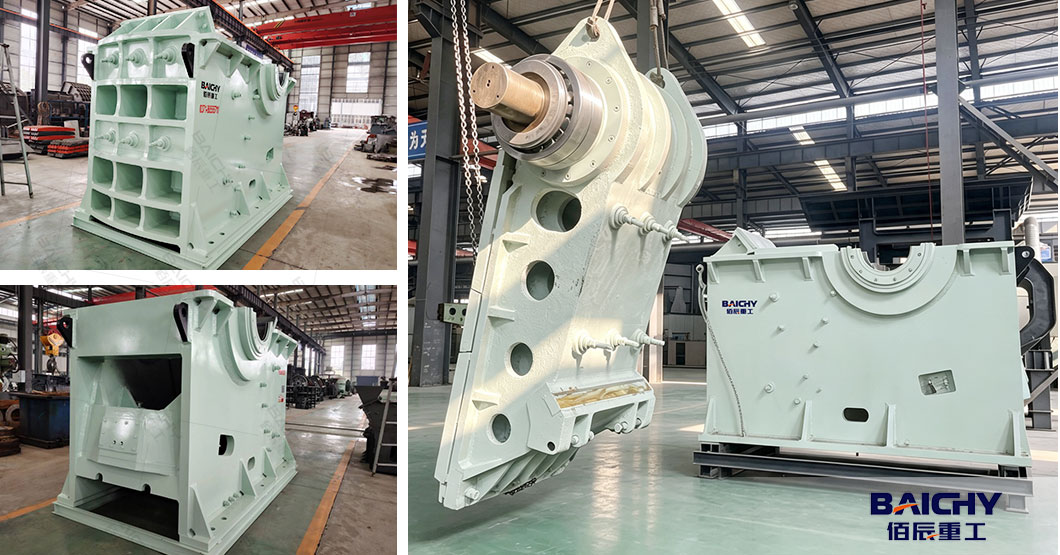
3. Correct Feeding Practices for Better Crushing Performance
Feed preparation and a stable feed rate are essential to consistent crushing performance. Correct feeding helps the crusher work within its intended capacity and reduces unnecessary wear and blockage risk.
3.1 Match Feed Size to Crusher Specifications
Check the maximum permitted feed size in the crusher's technical specifications. A rock's shape also matters: a long, flat piece may behave differently from a compact rock of similar nominal dimensions.
If material exceeds the permitted feed size, reduce it through an appropriate upstream process rather than forcing it into the crushing chamber.
The crusher's feed opening alone does not establish the maximum acceptable size for every material. Follow the model-specific limits.
3.2 Maintain a Consistent and Even Feed
An unstable feed rate can cause repeated load fluctuations. Too much material at once may overload the crushing chamber, while insufficient feeding may leave available capacity unused.
A properly adjusted vibrating feeder helps regulate the flow of material. Operators should monitor the feeder, crusher, and downstream conveyors together rather than treating the crusher as an isolated machine.
Practical example: If motor load repeatedly rises when the feeder starts, reduce the feed rate according to the operating procedure and investigate whether the material is oversized or entering unevenly.
3.3 Prevent Bridging and Material Blockages
Bridging occurs when rocks become lodged in the feed or crushing chamber instead of moving through the machine. Oversized material, unfavorable rock shapes, sticky fines, and inconsistent feeding can contribute to the problem.
To reduce blockage risk:
-
Keep feed size within the permitted range.
-
Maintain a controlled feed rate.
-
Review material moisture and clay content where relevant.
-
Check the feed and discharge paths for restrictions.
-
Investigate recurring blockages rather than repeatedly clearing the same symptom.
If a blockage occurs, stop feeding and follow the manufacturer's approved procedure. Isolate hazardous energy before any clearing work begins.
3.4 Check the Discharge Setting
The closed-side setting (CSS) is the distance between the jaw plates at their closest point during the crushing cycle. It influences the resulting product size and can affect throughput.
A smaller setting generally produces a finer product, but it may also reduce capacity or increase loading, depending on the crusher and material.
Before changing the setting, confirm the required product specification and the permitted adjustment range. Follow the manufacturer's adjustment procedure and complete the necessary safety isolation.
4. Common Jaw Crusher Operating Problems and Solutions
When a jaw crusher develops a fault, identify the symptom, consider the likely causes, and select a safe inspection method. Avoid changing several settings at once, because this can make the original cause harder to identify.
4.1 Jaw Crusher Blockage or Bridging
Common causes: Oversized feed, uneven feeding, sticky material, tramp metal, or a restricted discharge path.
Recommended response:
-
Stop the feed and follow the applicable shutdown procedure.
-
Keep personnel away from the feed opening and other hazardous areas.
-
Isolate all relevant energy sources before blockage-removal work.
-
Have trained personnel assess the obstruction and use an approved removal method.
-
Investigate the original cause before restarting the plant.
Repeated blockages should trigger a review of feed size, material preparation, feeder settings, and discharge conditions.
4.2 Reduced Crushing Capacity
Common causes: Worn jaw plates, unsuitable feed conditions, restricted material flow, an inappropriate discharge setting, or a developing mechanical fault.
Check the feed size, feed consistency, jaw plate condition, and discharge path. Compare actual production with the expected capacity for the specific material and product specification.
For example, if output decreases gradually while the feed conditions remain stable, jaw plate wear or a change in discharge setting may warrant inspection. Confirm the cause before replacing parts or adjusting the machine.
4.3 Abnormal Noise or Excessive Vibration
Common causes: Loose fasteners, damaged components, bearing problems, drive-system faults, or material trapped in the chamber.
Stop the equipment when the condition presents a safety or mechanical risk. Once the required energy isolation is in place, qualified personnel can inspect the relevant components and verify the cause.
Do not assume that all abnormal vibration comes from worn jaw plates. The drive system, mounting structure, bearings, and other components may also require examination.
4.4 Bearing Overheating or Lubrication Problems
Common causes: Insufficient lubrication, contaminated lubricant, unsuitable lubricant, restricted oil flow, excessive loading, or bearing damage.
Check the lubrication indicators and maintenance records against the manufacturer's requirements. Look for visible leaks and investigate abnormal temperature trends.
Do not simply add lubricant and restart without identifying the cause of overheating. If the problem persists or the temperature exceeds the manufacturer's permitted limit, follow the shutdown procedure and arrange a qualified inspection.
4.5 Excessive Jaw Plate Wear
Common causes: Abrasive feed material, uneven feeding, unsuitable operating conditions, incorrect settings, or worn plates that have reached their service limit.
Inspect the plates for uneven wear, cracking, damage, or looseness. Review the feed conditions and compare the wear pattern with the equipment manufacturer's guidance.
Replace jaw plates when required by their condition and the manufacturer's criteria. Correct feed preparation and operating practices can help prevent avoidable wear, but no single maintenance interval suits every material and application.
5. Jaw Crusher Shutdown and Safe Blockage Removal
Blockage removal is a high-risk task. Stopping the motor does not guarantee that the crusher is safe to enter or inspect. Electrical energy, stored mechanical energy, gravity, and unstable rocks can still present serious hazards.
5.1 When to Stop the Jaw Crusher Immediately
Follow the emergency or abnormal-operation procedure when you observe:
-
Severe or rapidly increasing vibration.
-
A serious mechanical fault or suspected component failure.
-
A dangerous blockage or unexpected material movement.
-
Failed guarding or a critical safety-device fault.
-
Another condition that makes continued operation unsafe.
Stop feeding where appropriate, keep personnel clear, notify the responsible supervisor, and arrange an assessment before corrective work.
The exact response depends on the nature of the hazard and the plant's emergency procedure.
5.2 Safe Shutdown and Energy Isolation
Before cleaning, adjusting, repairing, or removing a blockage, shut down and isolate the equipment according to the site's lockout/tagout procedure.
Consider all relevant energy sources, including:
-
Electrical power to the crusher and connected equipment.
-
Hydraulic or pneumatic pressure.
-
Stored mechanical energy in moving or tensioned components.
-
Gravity and unstable material.
-
Unexpected movement from connected feeders or conveyors.
Authorized personnel must verify that the isolation is effective before starting work. The required steps depend on the machine design and site procedures.
5.3 Lockout/Tagout Before Clearing a Blockage
A safe blockage-removal process requires trained personnel, a risk assessment, effective energy isolation, and an approved method for removing the material.
Before work begins, confirm that the crusher, feeder, conveyors, and other relevant equipment cannot restart unexpectedly. Assess the position and stability of trapped rocks and use suitable mechanical equipment where specified.
After removal, inspect the work area, remove tools, reinstall guards, and confirm that all personnel are clear before restoring the equipment to service.
Never use an improvised method that could cause trapped material to move suddenly.
5.4 Why Operators Must Never Reach Into a Moving Crusher
The jaw plates exert substantial crushing force, and material can shift without warning. Reaching into the feed opening or attempting to clear a blockage while the equipment is energized can cause fatal crushing injuries.
Keep clear of hazardous openings and never rely on another operator's assurance that the machine will remain stopped. Follow the formal isolation and verification procedure before any work that exposes personnel to the crushing mechanism.
6. Daily Jaw Crusher Maintenance Checklist
Routine maintenance helps detect developing faults before they interrupt production. The inspection frequency should reflect the manufacturer's schedule, operating hours, material abrasiveness, and site conditions.
6.1 Check Lubrication and Bearing Conditions
Check lubricant levels, visible leaks, lubricant condition, and bearing temperature according to the equipment manual.
If the crusher has a lubrication pump, filter, or pressure indicator, inspect the system at the specified intervals. Record abnormal readings and investigate changes instead of treating every problem as a simple lubricant shortage.
6.2 Inspect Jaw Plates, Toggle Components, and Fasteners
Inspect accessible jaw plate surfaces and mounting components for damage, looseness, or abnormal wear. Check relevant toggle components and fasteners according to the maintenance instructions.
Internal inspections and adjustments must take place only after the required shutdown and energy-isolation procedures are complete.
Use compatible replacement parts and follow the approved installation procedure when replacing worn components.
6.3 Check Belts, Guards, and Electrical Connections
Look for visible belt damage, loose guards, leakage, and other signs of deterioration during scheduled inspections.
Electrical checks and repairs must be performed by qualified personnel under the appropriate isolation procedure. Never adjust moving belts or reach near rotating components while the equipment is operating.
6.4 Record Operating Hours and Wear Conditions
Maintain a log covering operating hours, inspections, lubrication, fault reports, wear measurements where applicable, and component replacements.
These records help identify recurring problems and estimate when wear parts may need replacement. They also support shift handovers and more consistent preventive maintenance planning.
7. Best Practices for Extending Jaw Crusher Service Life
A jaw crusher lasts longer when operators control the feed, maintain the lubrication system, inspect wear parts, and correct faults before they become serious. The best maintenance plan combines daily observations with scheduled technical inspections.
7.1 Avoid Overloading and Unstable Feeding
Keep the feed rate within the machine's intended operating range. Avoid sudden surges and remove oversized material before it enters the chamber.
If motor load fluctuates frequently, review the feeder operation, feed grading, and material characteristics before assuming that the crusher itself is undersized.
7.2 Follow the Recommended Lubrication Schedule
Use the lubricant type, quantity, and service interval specified by the manufacturer. Contamination, unsuitable lubricant, and missed service intervals can contribute to premature wear.
Adjust maintenance planning to account for operating conditions, but do not change the specified lubrication requirements without appropriate technical guidance.
7.3 Replace Worn Parts at the Appropriate Time
Inspect jaw plates and other wear components at the prescribed intervals. Replace damaged or worn parts when their condition reaches the manufacturer's replacement criteria.
Keep suitable replacement parts available for critical equipment where downtime would significantly affect production. Confirm model compatibility before ordering parts.
7.4 Train Operators and Keep Maintenance Records
Operators should understand the normal operating condition of the crusher, the early signs of failure, and the correct response to blockages and emergency situations.
Provide practical training on pre-start inspections, feeding, shutdown, and reporting faults. Use maintenance records and shift handovers to identify repeated issues and improve operating consistency.
Safe jaw crusher operation depends on a reliable routine: inspect before starting, feed material within the specified limits, monitor the machine, shut down correctly, and isolate all hazardous energy before maintenance.
Consistent operating practices help reduce avoidable blockages, protect critical components, and improve production reliability. For model-specific procedures, maintenance schedules, or replacement-part guidance, consult the equipment manufacturer and the relevant technical documentation.
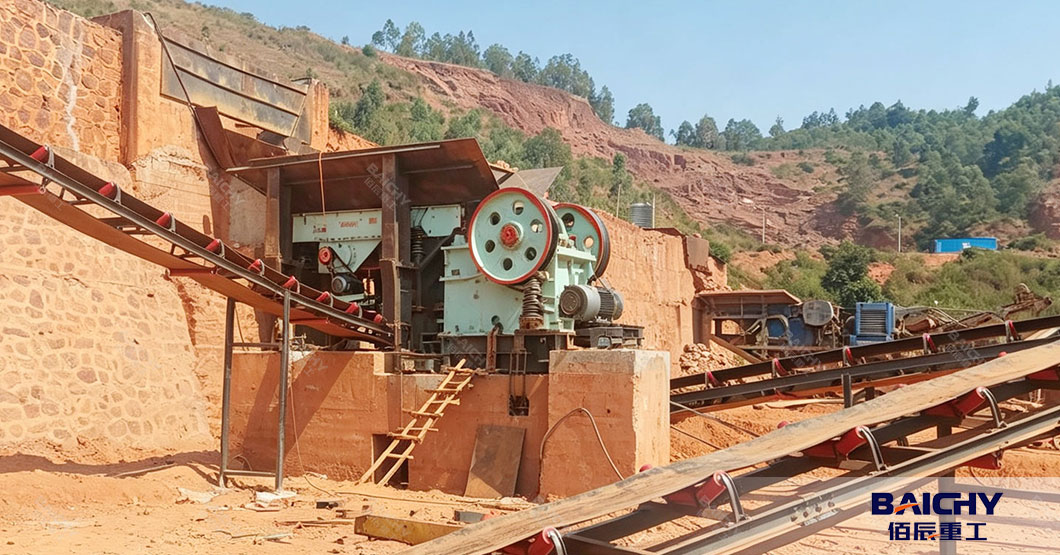
Frequently Asked Questions About Jaw Crusher Operation
1. What should you check before starting a jaw crusher?
Check the safety guards, fasteners, lubrication system, accessible drive components, crushing chamber, and discharge area. Confirm that the emergency stops and required safety devices are functional and that personnel are clear of hazardous areas. Follow the pre-start checklist for your specific crusher model.
2. What is the correct startup sequence for a jaw crusher?
The correct sequence depends on the crusher model and plant layout. Many plants start downstream conveyors before the crusher and start the feeder after the crusher reaches its normal operating condition. Always follow the manufacturer's instructions and the approved plant procedure.
3. Why does a jaw crusher keep getting blocked?
Repeated blockages may result from oversized feed, uneven feeding, sticky fines, tramp metal, or restricted discharge. Check the feed preparation and material flow. If a blockage occurs, stop feeding and follow the approved shutdown, energy-isolation, and removal procedure. Never reach into an energized crushing chamber.
4. How often should a jaw crusher be inspected and maintained?
Perform pre-start checks before operation, monitor the machine during production, and complete scheduled maintenance according to the manufacturer's instructions. The required frequency depends on operating hours, material abrasiveness, and working conditions. Record inspections and investigate unusual noise, vibration, temperature, or wear promptly.




 2026-10-30







 86-15093113821
 86-15093113821