The jaw crusher is a crucial equipment in mining and aggregate production operations. Correct maintenance is the key to ensuring its smooth operation and longer service time. Below are 5 critical tips focused on lubrication, wear part inspection, fastener tightening, operational hygiene, and safety—simple, actionable steps to maximize uptime.
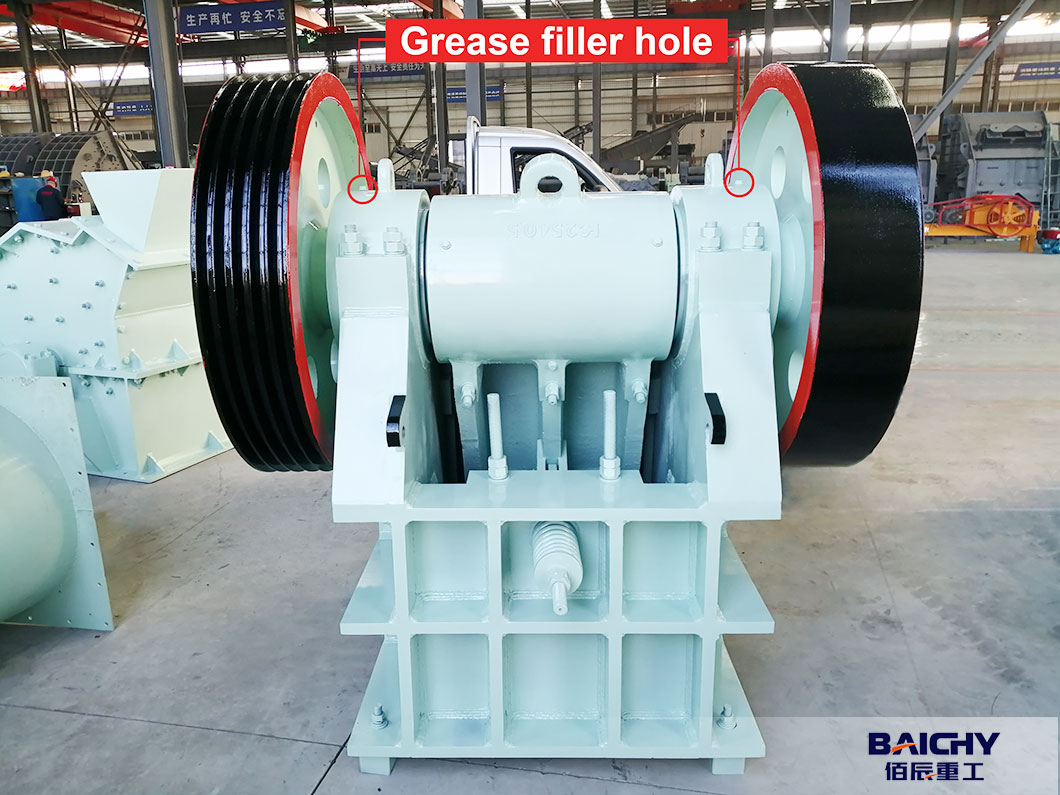
Lubrication reduces friction between moving parts (eccentric shaft, bearings, toggle plate). Without it, components overheat and fail.
● Use the manufacturer-recommended lubricant (typically high-temperature grease for mining crushers).
● Watch the Temperature: Friction creates heat. Excess heat destroys bearings. If a bearing runs hot, check the grease immediately.
● Check Oil Levels: Inspect the oil in the toggle mechanism daily.
● Keep it Clean: Do not let dust enter the oil or grease. Contaminated lubricant causes rapid wear.

Jaw plates, toggle plates, and side liners wear over time—worn parts reduce efficiency and cause breakdowns.
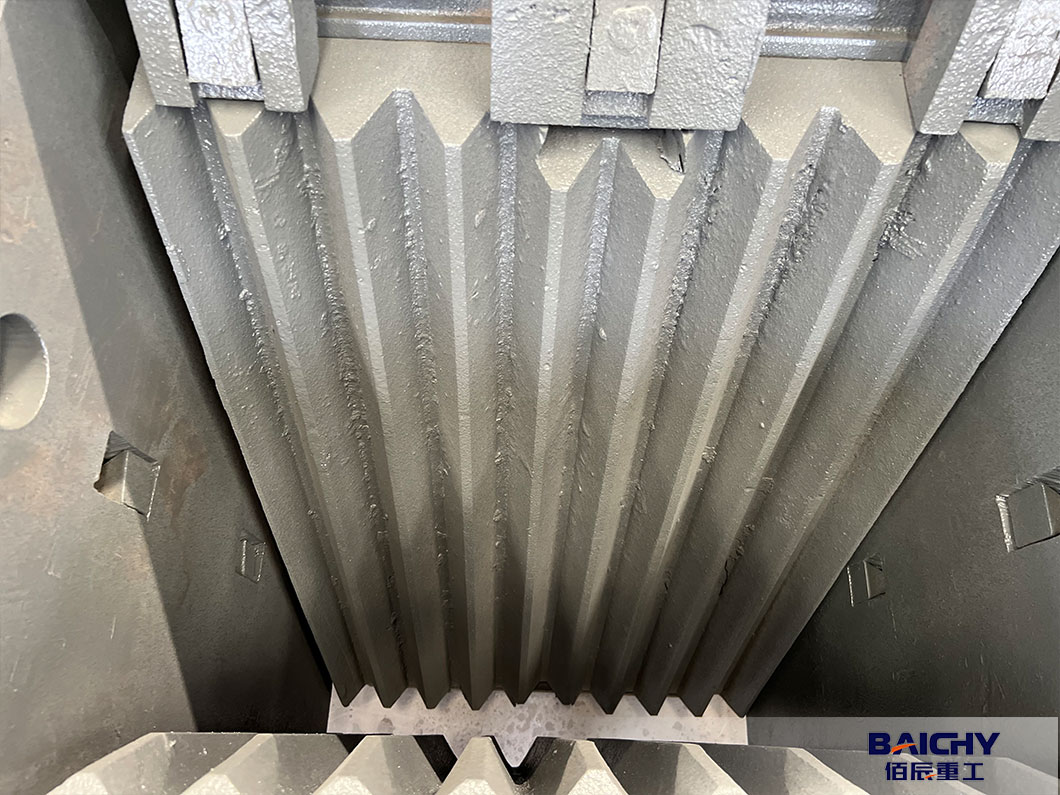
● Inspect jaw plates weekly. Look for uneven wear, cracks, or excessive thinning.
● Rotate or replace jaw plates when wear reaches 50–60% of their original thickness. This maintains crushing efficiency.
● Check toggle plates for bending or damage. A faulty toggle plate can halt operations instantly.
● Monitor side liners for gaps. Loose liners allow material to escape, damaging other components.
● Keep spare wear parts on-site (jaw plates, toggle pins) to minimize downtime during replacements.

Vibration from crushing loosens bolts, nuts, and screws. Loose fasteners lead to misalignment and component damage.
● Inspect all fasteners (frame bolts, jaw plate bolts, motor mounts) weekly.
● Use a torque wrench to tighten fasteners to the manufacturer’s specifications. Over-tightening can strip threads.
● Replace worn or damaged fasteners immediately. Corroded bolts may break under load.
● Check for signs of movement (scratches, gaps) around components—this indicates loose fasteners.
● For high-vibration areas, use lock washers or thread-locking compounds to keep fasteners secure.

Dirt, dust, and debris build up and cause overheating, clogging, and component failure.
● Clean the crusher daily after shutdown. Remove dust, ore fragments, and debris from the frame, bearings, and motor.
● Keep the area around the crusher clear. Piled material can block airflow and cause overheating.
● Inspect and clean the air filter regularly. A clogged filter reduces cooling efficiency for the motor.
● For wet or sticky materials, clear the crushing chamber of buildup to prevent jamming.
● Avoid feeding oversized or uncrushable objects (steel, large boulders)—they damage jaws and shafts.
Safe maintenance prevents accidents and ensures thorough inspections.
● Always lock out/tag out (LOTO) the crusher before performing maintenance. Cut power and secure the machine.
● Wear proper PPE: hard hats, safety glasses, gloves, and steel-toe boots. Crushing components are heavy and sharp.
● Never work under a suspended jaw. Use safety props to support moving parts.
● Train staff on proper maintenance procedures. Untrained workers may miss issues or cause damage.
● Document all maintenance activities. Track inspections, replacements, and repairs to identify patterns.

By following these five steps, you can ensure the jaw crusher reliability, reduce costly repairs, and ensure the smooth achievement of production goals. Properly maintain your jaw crusher, and it will get longer service time and more power for your crushing business. Welcome to contact us to get a detailed jaw crusher manual online.
1. How do we analyze a jaw crusher machine?
2. How to Measure the Jaw Crusher Gap (CSS)?
3. How to operate a jaw crusher?
4. How to adjust jaw crusher gap?
5. Stone Jaw Crusher Machine: 6 Problems You Could Face
6. What Are The Parts Of Jaw Crushers?
7. What Are The Different Models And Specifications Of The Jaw Crusher
8. What are skills to buy jaw crusher
9. 3 Jaw Crusher Machine Alternatives
Save Time! Get A Detailed Quotation Quickly.