In the mineral processing industry, the iron ore ball mill is the core equipment for grinding crushed ore into fine powder, which is a critical step in the beneficiation process. Whether you are processing magnetite, hematite, or limonite, selecting the right ball mill and operating it efficiently can significantly impact your plant's productivity and profitability.
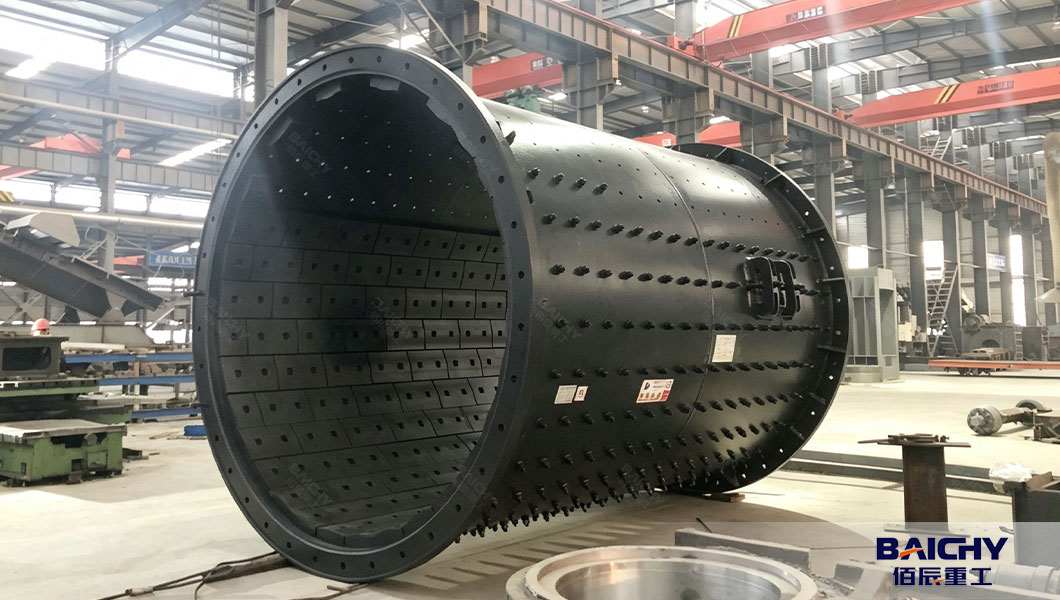
This article explains what an iron ore ball mill is, how it works, its specifications, applications, and key factors to consider when selecting the right equipment.
What Is an Iron Ore Ball Mill?
An iron ore ball mill is a critical grinding machine used in mineral beneficiation plants to reduce crushed iron ore (typically
≤ 25mm) into a fine powder (0.074mm - 0.4mm). This process is essential for liberating iron minerals before magnetic separation. Modern energy-saving ball mills utilize double-row self-aligning roller bearings to reduce power consumption by 20-30% while maintaining high throughput.
How Does an Iron Ore Ball Mill Work?
The efficiency of an iron ore beneficiation plant depends on the grinding stage. The ball mill operates on the principle of impact and attrition:
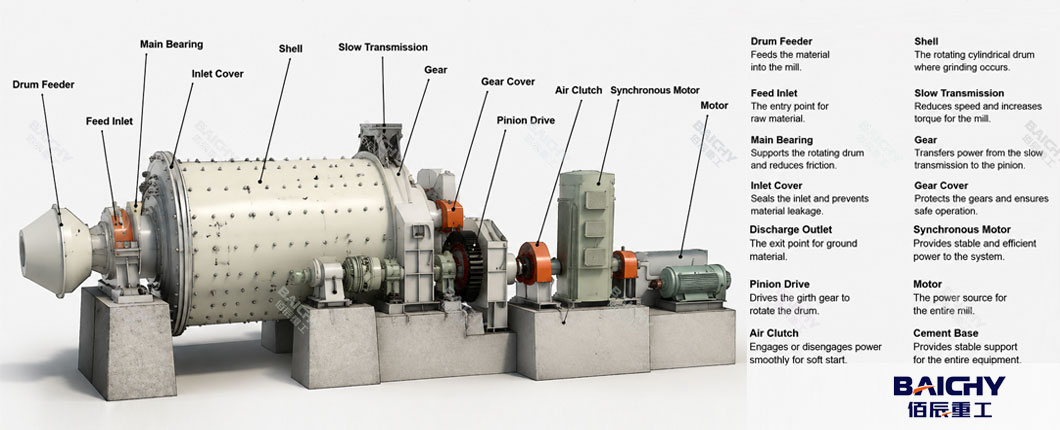
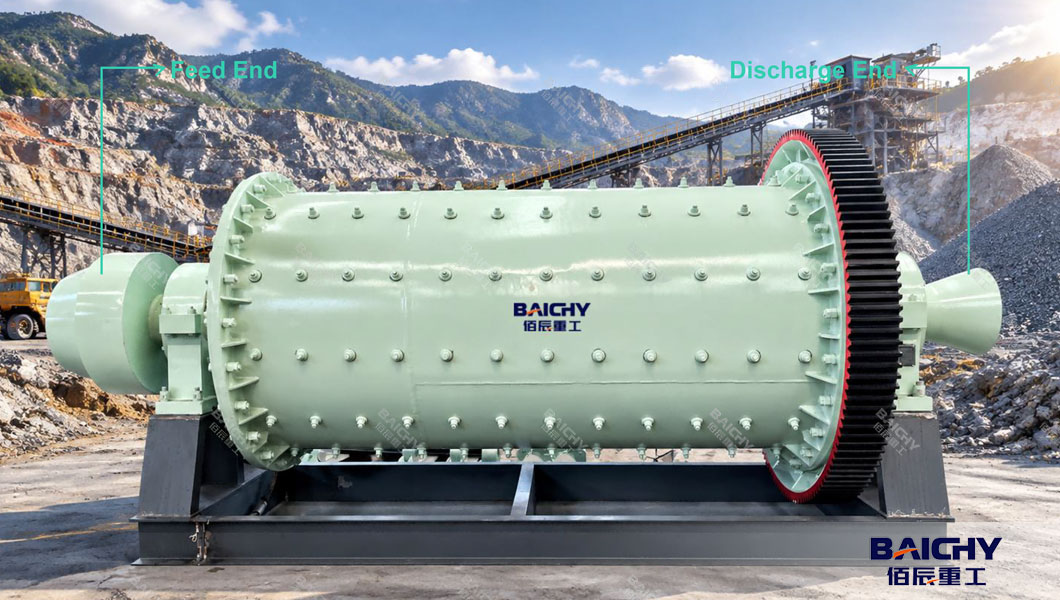
1. Feeding: Crushed iron ore enters the first chamber through the hollow shaft.
2. Impact: As the horizontal cylinder rotates, centrifugal force lifts the grinding media (steel balls) to a certain height, where they fall and strike the ore.
3. Grinding: The ore is further ground by the friction between the steel balls and the mill liners.
4. Discharge: The ground material moves to the second chamber for finer grinding before being discharged via the outlet.
In short, as the drum rotates, the balls are lifted and then cascade down, crushing the iron ore by impact and attrition. These ball mills are capable of reducing iron ore to a fineness of 60% to 95% passing 200 mesh (74 microns), which is the ideal size for subsequent magnetic separation or flotation processes.
How to Select the Right Ball Mill for Different Iron Ore Types
Choosing the correct ball mill is not a one-size-fits-all decision. It depends heavily on the physical and chemical properties of the ore. Below is a general guideline based on ore type:
| Iron Ore Type |
Characteristics |
Recommended Ball Mill Type & Process |
| Magnetite |
High hardness, strong magnetism, requires fine grinding for liberation. |
for secondary grinding with hydrocyclones. |
| Hematite |
Moderate hardness, weaker magnetism. |
Similar to magnetite; grate mill for coarse grinding, overflow mill for fine grinding. |
| Limonite / Siderite |
High moisture, complex composition, some are refractory ores. |
May require a three-stage grinding process to achieve the target fineness. |
Key Selection Parameters
● Capacity (TPH): For a plant processing 3,000 tons per day, a model like MQY3200×4500 or larger is recommended.
● Feed Size: Generally, ball mills accept feed sizes up to 20-25mm.
● Product Fineness: The required mesh size determines whether you need a single-stage or multi-stage grinding circuit.
● Work Index: The ore's Bond Work Index (kWh/t) dictates the power requirement of the mill.
Grate Discharge vs. Overflow Ball Mill: Which One to Choose?
There are two main types of iron ore ball mills used in mineral processing:
Grate Discharge Ball Mill
● Features: Equipped with a grate at the discharge end. The slurry level is low, allowing for faster discharge.
● Advantages: High processing capacity, less over-grinding, suitable for coarse grinding.
● Best For: Primary grinding stage in a two-stage circuit.
Overflow Ball Mill
● Features: The pulp discharges freely through the hollow shaft at the discharge end. The slurry level is higher, allowing for a longer retention time.
● Advantages: Simpler structure, produces finer and more uniform products.
● Best For: Secondary and tertiary grinding stages where fine product is required.
Pro Tip: In most modern iron ore plants, the combination of a grate mill for the first stage and an overflow mill for the second stage is the "golden standard."
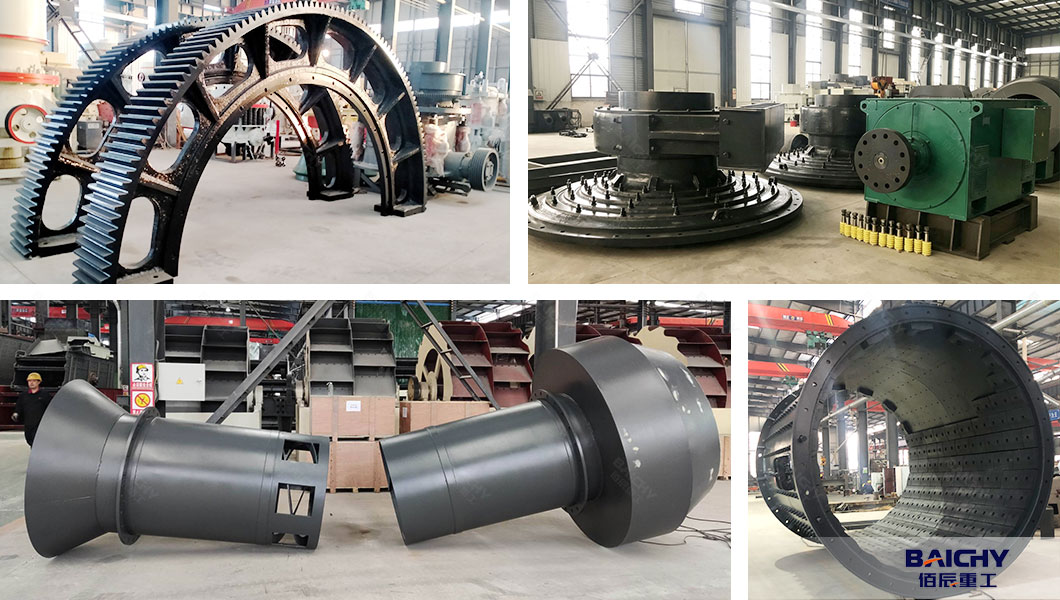
How to Optimize Iron Ore Ball Mill Performance
Once your ball mill is installed, the focus shifts to operational optimization. Even small adjustments can lead to substantial gains in efficiency.
A. Control the Grinding Concentration
The density of the slurry directly affects grinding efficiency. Generally, the optimal range for iron ore is 65% – 80% solids by weight.
Too high: The slurry becomes too thick, cushioning the balls and reducing impact force.
Too low: The slurry is too thin, reducing the viscosity needed for the balls to adhere and grind effectively.
B. Ball Charging and Replenishment
Maintaining the correct ball load and size distribution is crucial.
The initial charge rate is typically 28% – 45% of the mill volume.
Replenishment: During operation, larger balls (e.g., 100mm, 80mm) are needed to break coarse feed, while smaller balls (e.g., 40mm, 30mm) are effective for fine grinding. A proper ratio can reduce energy consumption by 5%-10%.
C. Closed-Circuit Operation
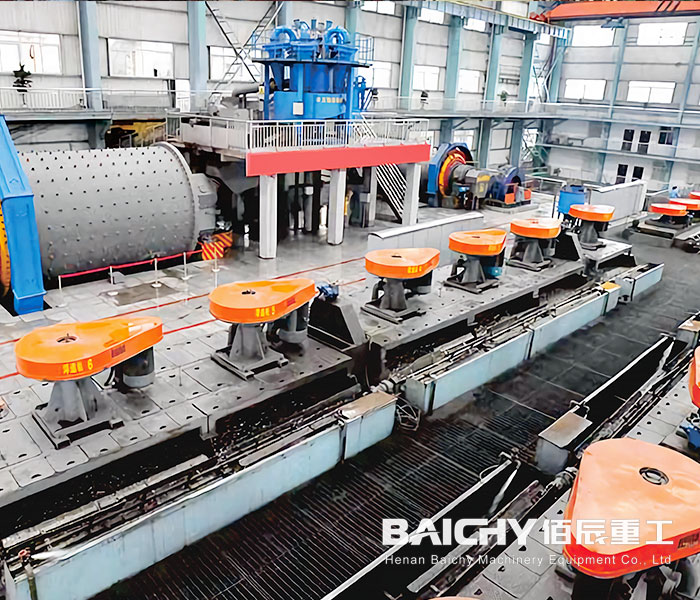
To ensure a consistent product size, the ball mill is usually paired with a hydrocyclone or classifier. In this closed circuit:
Ore enters the mill for grinding.
The slurry goes to the hydrocyclone for classification.
Coarse particles (underflow) are returned to the mill for regrinding.
Fine particles (overflow) proceed to the next beneficiation step.
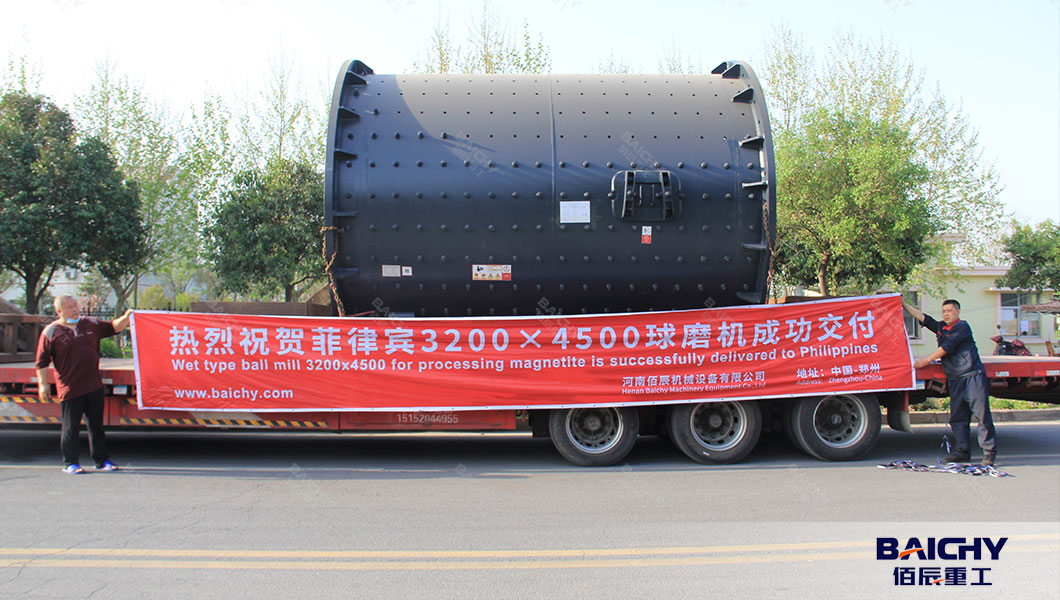
Iron Ore Ball Mill Case In Phillipines
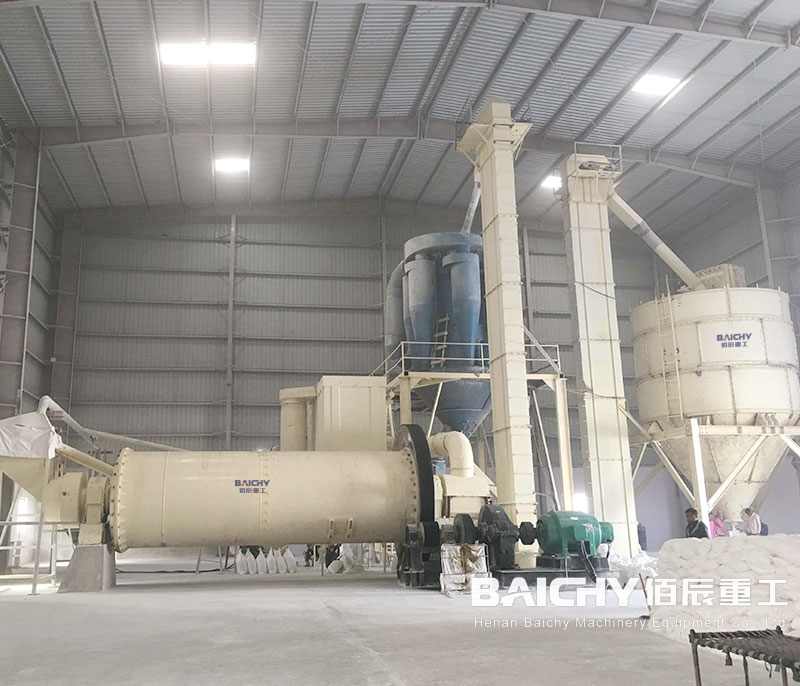
Baichy Machinery's MQY3200×4500 ball mill has been successfully deployed in an iron ore beneficiation project in the Philippines. With an effective volume of 32.0 m³, a processing capacity of 86–100 tons per hour, and a 900 kW motor, this overflow-type ball mill consistently delivers the required grinding fineness of 60%–95% passing 200 mesh for downstream magnetic separation. Its robust design and high grinding efficiency have made it a preferred solution for processing various iron ore types, including magnetite and hematite.
The typical iron ore processing flow includes:
Mining → Crushing → Screening → Grinding → Classification → Magnetic Separation → Concentrate Production
Beyond the equipment itself, Baichy's strong local presence in the Philippines—through active participation in industry exhibitions like PHILCONSTRUCT and ongoing on-site technical support—has built lasting trust with Filipino clients. The company provides comprehensive after-sales services, including installation guidance, spare parts supply, and operational optimization, ensuring minimal downtime and maximum productivity. This combination of reliable equipment and dedicated local support has established Baichy as a go-to partner for iron ore grinding solutions in the Philippine mining sector.
The iron ore ball mill is the heart of the beneficiation circuit. Making the right choice—considering ore type (magnetite, hematite, etc.), mill type (grate vs. overflow), and operational parameters—can significantly boost recovery rates and reduce operating costs. By following the selection guidelines and o
ptimization tips outlined above, you can ensure that your iron ore grinding process is both reliable and cost-effective. Need more specific data on iron ore ball mill models or quotations? Feel free to reach out to a professional equipment supplier like Baichy Machinery with your ore test report and capacity requirements.
Frequently Asked Questions (FAQ)
Q1: What is the typical price of a 50 TPH iron ore ball mill?
A: The price depends on the specific configuration and liner material. For a standard 50 TPH setup, prices typically range from $80,000 to $150,000. Contact Baichy for a detailed 1-hour quote.
Q2: How long do ball mill liners last?
A: Depending on the ore abrasiveness, high-manganese liners typically last 6 to 12 months in continuous 24/7 operations.
Q3: Can a ball mill handle magnetite and hematite equally?
A: Yes, but the grinding circuit may differ. Magnetite is often easier to liberate, while hematite may require a finer grind and multi-stage magnetic separation.




 2026-09-18






 86-15093113821
 86-15093113821