1. What Do You Need to Build a 200 TPH Sand Making Line?
Setting up a 200 TPH sand making line requires more than purchasing a VSI crusher. You need a complete production system that includes raw material feeding, crushing, sand making, screening, washing, and material transportation.
For aggregate producers and new investors, the first step is to define what the plant will produce and what raw materials it will process.
A typical 200 TPH sand making plant may include:
The exact configuration depends on rock hardness, feed size, required sand specifications, and whether the plant also needs to produce coarse aggregates.
Important: A 200 TPH equipment rating does not automatically mean 200 tons of finished sand per hour. If the target is 200 TPH of saleable sand alone, the crushing, screening, and sand-making capacity must be designed around the required final output and material recovery rate.
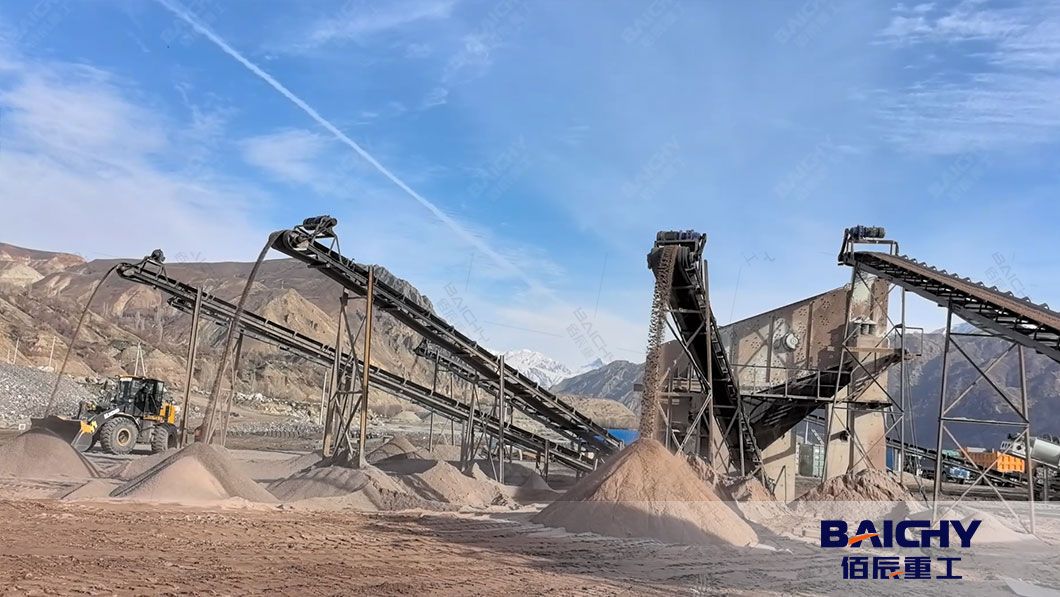
2. Step One: Choose the Right Raw Material
Raw material selection directly affects equipment investment, wear-part consumption, production efficiency, and finished sand quality.
Common materials for manufactured sand production include:
| Raw Material |
Characteristics |
Recommended Crushing Equipment |
| Limestone |
Medium hardness, relatively easy to crush |
Jaw Crusher + Impact Crusher + VSI |
| Granite |
Hard and abrasive |
Jaw Crusher + Cone Crusher + VSI |
| Basalt |
High hardness and abrasiveness |
Jaw Crusher + Cone Crusher + VSI |
| Quartz |
Very hard and abrasive |
Jaw Crusher + Cone Crusher + VSI |
| River Pebbles |
Hard, rounded particles |
Jaw Crusher + Cone Crusher + VSI |
Before selecting equipment, check the following material properties:
-
Maximum feed size.
-
Rock hardness and abrasiveness.
-
Moisture and clay content.
-
Material compressive strength.
-
Expected finished product sizes.
For example, granite and quartz generally require more attention to crushing chamber selection and wear-part consumption than limestone.
If the raw material contains excessive clay, a washing or pre-screening stage may also be necessary.
3. Step Two: Design the Crushing and Sand Making Process
A well-designed 200 TPH sand production line usually uses multiple crushing stages to distribute the workload.
A typical hard-rock sand-making process is:
Raw Material → Primary Crushing → Secondary Crushing → VSI Sand Making → Screening → Sand Washing → Stockpiling
Primary Crushing: Jaw Crusher
The jaw crusher handles large rocks from the raw material stockpile.
A C Series jaw crusher is suitable for primary crushing of granite, basalt, quartz, and other hard rocks.
Its main function is to reduce large feed material to a size that the secondary crusher can handle efficiently.
Secondary Crushing: Cone Crusher
For hard and abrasive materials, a single-cylinder hydraulic cone crusher is a suitable choice for secondary crushing.
It further reduces the material size and prepares a more consistent feed for the VSI crusher.
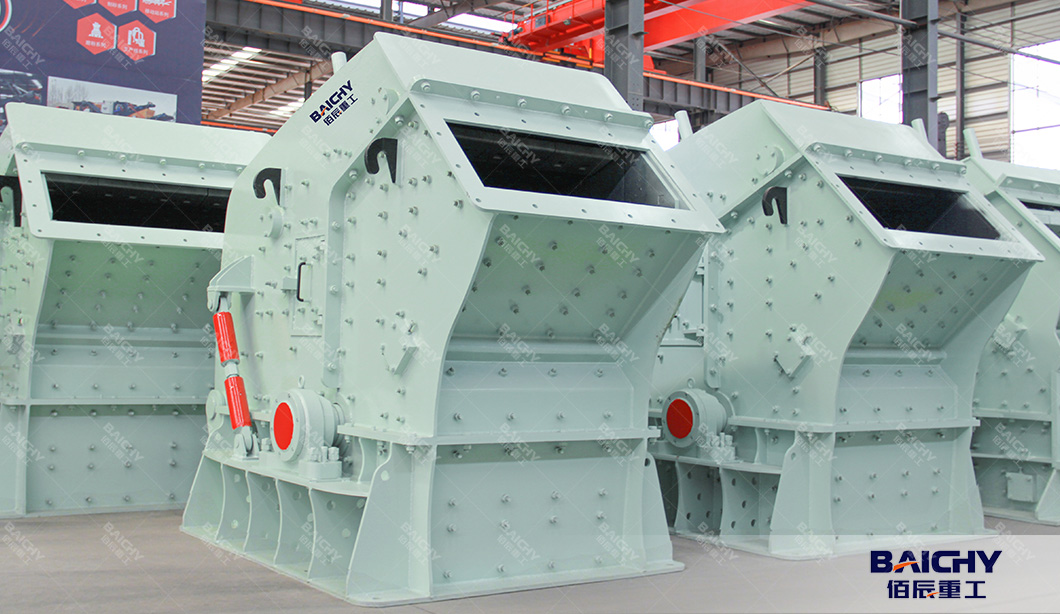
For softer materials such as limestone, an impact crusher may be considered depending on the desired product shape and crushing requirements.
Sand Making: VSI Crusher
The VSI sand making machine is responsible for the final crushing and shaping process.
It uses high-speed rotor impact to reduce particle size and improve particle shape.
For investors targeting construction sand, the VSI stage is important because particle shape and gradation influence the performance of the finished aggregate products.
The VSI feed size, rotor speed, and operating conditions should be matched to the required finished sand specifications.
Screening: Vibrating Screen
After crushing and sand making, the material enters a vibrating screen for size classification.
The screen separates the material into different size fractions, such as:
-
0–5 mm: Manufactured sand
-
5–10 mm: Fine aggregate
-
10–20 mm: Medium aggregate
-
20–30 mm: Coarse aggregate
These are example product sizes. Actual specifications should follow local construction standards and customer demand.
Oversized material can be returned to the VSI crusher or another suitable crushing stage.
Sand Washing: Sand Washing Machine
The sand washing machine removes clay, dust, and other unwanted impurities.
If the finished sand is intended for concrete production, controlling clay content, fine particles, and sand gradation is particularly important.
The washing system should be selected according to raw material conditions and local environmental requirements. Water recycling and sludge treatment should also be considered during plant design.
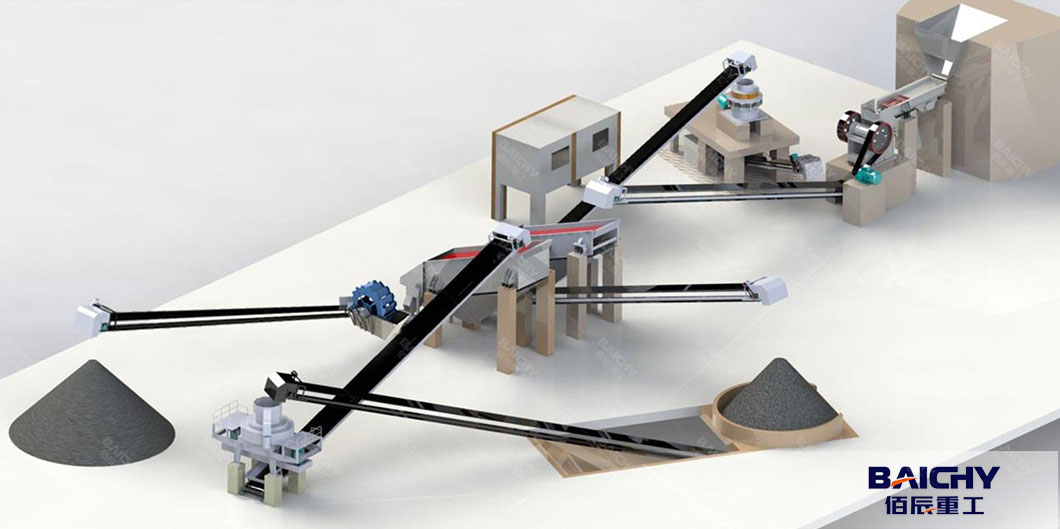
4. Step Three: Select the Right Equipment Capacity
One of the most common mistakes in building a 200 TPH plant is selecting every machine based only on its advertised capacity.
The actual production capacity of the complete line depends on the relationship between individual machines.
Consider these key factors:
| Equipment |
What to Check |
| Vibrating Feeder |
Stable feeding rate and maximum feed size |
| Jaw Crusher |
Feed opening and discharge setting |
| Cone Crusher |
Capacity under the selected chamber and CSS |
| VSI Crusher |
Feed size, rotor configuration, and sand output |
| Vibrating Screen |
Screen area, mesh size, and screening efficiency |
| Sand Washer |
Sand processing capacity and water requirements |
| Belt Conveyors |
Belt width, length, and conveying capacity |
For example, if the VSI crusher cannot process the material supplied by the cone crusher, the secondary crushing stage will eventually create a production bottleneck.
Similarly, undersized vibrating screens can cause excessive circulating loads and reduce overall plant efficiency.
The goal is to balance the entire production line, not maximize the rated capacity of one machine.
5. Step Four: Plan the Plant Layout and Supporting Systems
A 200 TPH sand making plant requires sufficient space for equipment installation, material transportation, maintenance, and finished-product storage.
A practical site layout should include:
Raw Material Area: Space for raw stone storage and loading equipment.
Crushing Area: Primary and secondary crushers with sufficient maintenance clearance.
Sand Making Area: VSI crusher, vibrating screens, and return conveyors.
Washing Area: Sand washing equipment, water supply, sedimentation facilities, and water recycling systems.
Finished Product Area: Separate stockpiles for manufactured sand and different aggregate sizes.
Other supporting requirements include:
-
Electrical power supply and control cabinets.
-
Steel structures and equipment foundations.
-
Dust suppression systems.
-
Drainage and wastewater management.
-
Access roads and maintenance space.
For sites with limited space or frequent relocation requirements, a mobile or modular plant may be worth considering.
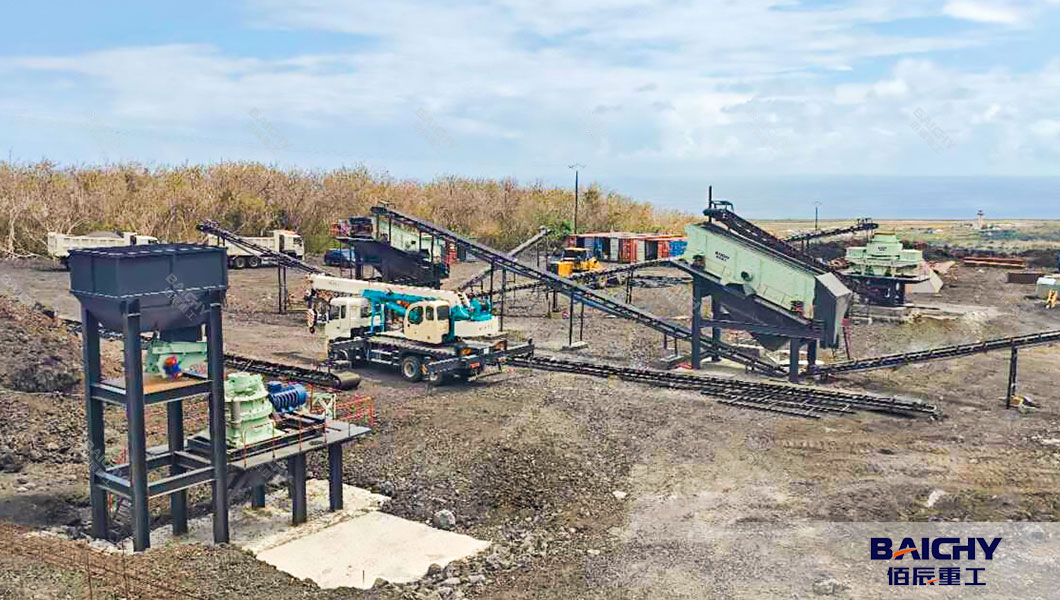
6. Step Five: Estimate the Investment and Operating Costs
The investment in a 200 TPH sand making line varies significantly depending on the raw material, equipment configuration, automation level, and installation requirements.
Instead of using a fixed price, buyers should evaluate the total project cost in several categories.
| Cost Category |
Main Cost Factors |
| Crushing Equipment |
Jaw crusher, cone crusher, VSI crusher |
| Screening & Washing |
Vibrating screens and sand washing system |
| Conveying System |
Belt conveyors and transfer structures |
| Civil Works |
Foundations, workshop, drainage |
| Electrical System |
Motors, cables, control cabinets |
| Installation |
Assembly, commissioning, labor |
| Operating Costs |
Electricity, wear parts, water, labor |
For hard materials such as granite, basalt, and quartz, wear-part consumption is an important operating expense.
For wet processing plants, water consumption, recycling efficiency, and sludge handling also affect operating costs.
When requesting a quotation, provide the supplier with your raw material information, feed size, finished product specifications, and expected operating hours. This makes the equipment proposal and cost estimate more meaningful.
7. Common Mistakes to Avoid When Setting Up a Sand Making Plant
Before purchasing equipment, pay attention to these common planning problems.
Mistake 1: Choosing Equipment Without Testing the Raw Material
Different rocks have different crushing characteristics. A configuration suitable for limestone may not be economical for quartz or basalt.
Mistake 2: Ignoring Finished Product Requirements
A plant designed only around total tonnage may produce the wrong sand gradation or too much unwanted fine material.
Mistake 3: Underestimating Screening Capacity
Insufficient screening capacity can increase circulating loads and reduce the effective production rate.
Mistake 4: Ignoring Wear-Part Costs
Hard and abrasive materials can increase the consumption of jaw plates, cone liners, and VSI wear parts. These expenses should be included in the investment calculation.
Mistake 5: Overlooking Water and Environmental Management
Washing plants need a suitable water supply, drainage, and wastewater treatment arrangement. These facilities should be included in the initial layout.
8. Why Work with an Experienced Sand Making Plant Supplier?
A complete sand production line requires coordinated equipment selection and process design.
Baichy provides crushing, screening, sand making, and washing equipment for aggregate producers and mining projects.
For a 200 TPH project, the equipment proposal should be based on:
-
Raw material type and maximum feed size.
-
Target finished sand and aggregate specifications.
-
Required production capacity.
-
Available installation space.
-
Electrical and water supply conditions.
-
Local operating and environmental requirements.
For example, a hard-rock project processing granite or quartz may use a C Series jaw crusher, single-cylinder cone crusher, and VSI sand making machine as its main crushing equipment. Vibrating screens and sand washing machines complete the classification and cleaning stages.
Planning a new 200 TPH sand making plant?
Send your raw material type, maximum feed size, required output sizes, and project location to Baichy. Our engineers can evaluate the process flow and recommend a suitable equipment configuration for your production requirements.
Frequently Asked Questions
1. How many machines are needed for a 200 TPH sand making line?
A typical plant includes a vibrating feeder, jaw crusher, secondary crusher, VSI sand making machine, vibrating screens, sand washing machine, and belt conveyors. The number and models of machines depend on the raw material and final product requirements.
2. What is the best crusher for a 200 TPH sand making plant?
There is no single best crusher for every material. Jaw crushers are commonly used for primary crushing, cone crushers for hard-rock secondary crushing, and VSI crushers for manufactured sand production.
3. Can a 200 TPH plant process granite and quartz?
Yes. A properly designed multi-stage crushing line can process both granite and quartz. Because these materials are hard and abrasive, equipment selection and wear-part management are particularly important.
4. How much finished sand can a 200 TPH plant produce?
It depends on whether 200 TPH refers to total feed capacity or finished sand output. The actual sand production rate is affected by raw material properties, screen settings, VSI performance, product specifications, and the proportion of aggregate products.
5. Is a sand washing machine necessary?
Not always. If the raw material is clean and the finished product meets the required specifications, dry processing may be sufficient. Washing is recommended when clay, dust, or other impurities need to be removed.
6. How long does it take to install a 200 TPH sand making line?
Installation time depends on civil construction, equipment delivery, foundation preparation, electrical installation, and commissioning. A realistic schedule should be prepared after the plant layout and equipment list are finalized.




 2026-11-05






 86-15093113821
 86-15093113821