A well-designed calcite grinding and crushing plant turns raw calcite ore into consistent GCC (ground calcium carbonate) powder, widely used as mineral filler. To keep stable output, uniform fineness and low downtime, the whole workflow relies on 5 core linked stages. Below we break down every step, equipment options and practical selection tips for your mineral processing project.
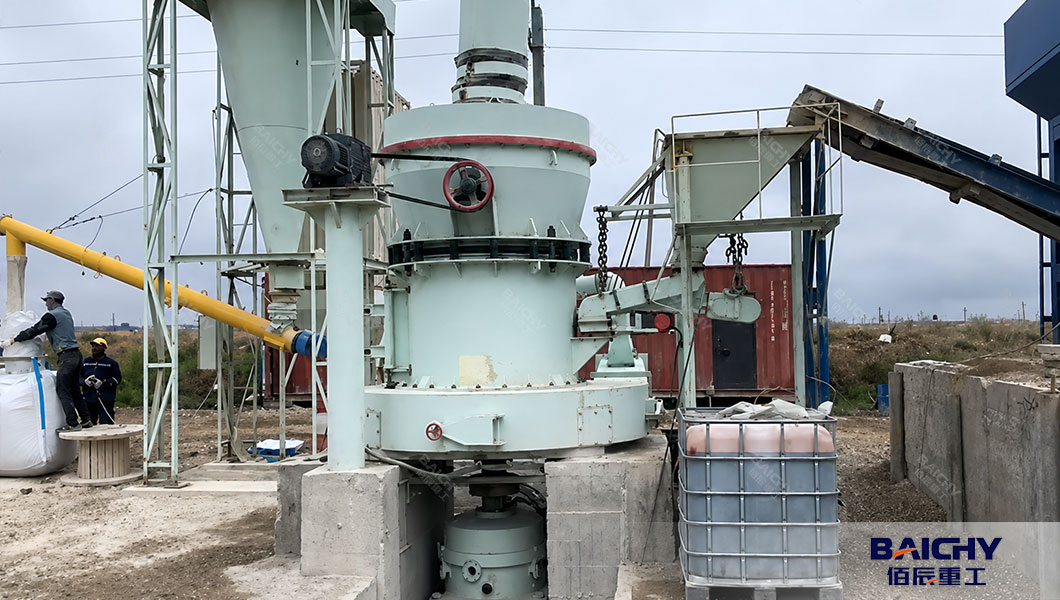
What Is a Calcite Grinding and Crushing Plant & What Is It Used For?
A calcite grinding and crushing plant is a complete mineral processing line that crushes, grinds and classifies calcite ore into fine GCC powder. Calcite has a Mohs hardness of 3, which makes it ideal for producing low-cost filler powder. The finished calcite powder is the main raw material for many downstream industries.
Main Applications of Calcite Powder
High-quality GCC powder from the calcite plant serves as a cost-effective filler. Common uses include plastic modification, paper coating, interior paint, rubber products, putty and animal feed additives. Different mesh grades match different application requirements.
Complete Calcite Crushing & Grinding Process Flow
The standard production sequence is: raw calcite feeding → primary crushing → secondary crushing → screening → fine grinding → powder classification → dust collection → finished GCC powder storage. Every stage directly affects final powder quality.
Stage 1: Primary & Secondary Crushing
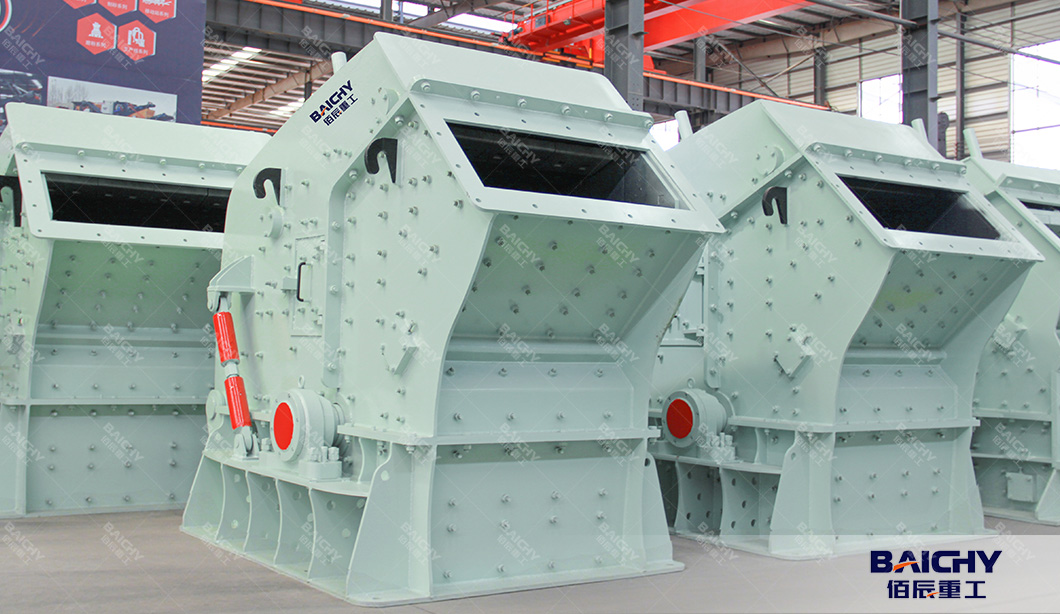
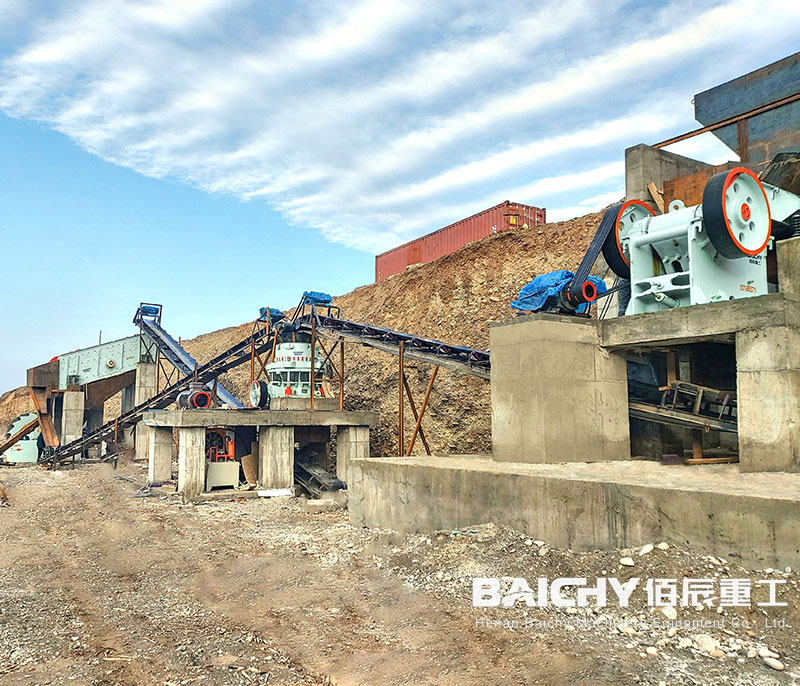
Large calcite lumps are first fed into a jaw crusher for primary crushing. After coarse crushing, the material goes to an impact crusher for secondary fine crushing. Since calcite is soft rock, impact crushers work better than cone crushers here. This step reduces ore size to a suitable feed size for grinding.
Stage 2: Screening & Pre-Sizing before Grinding
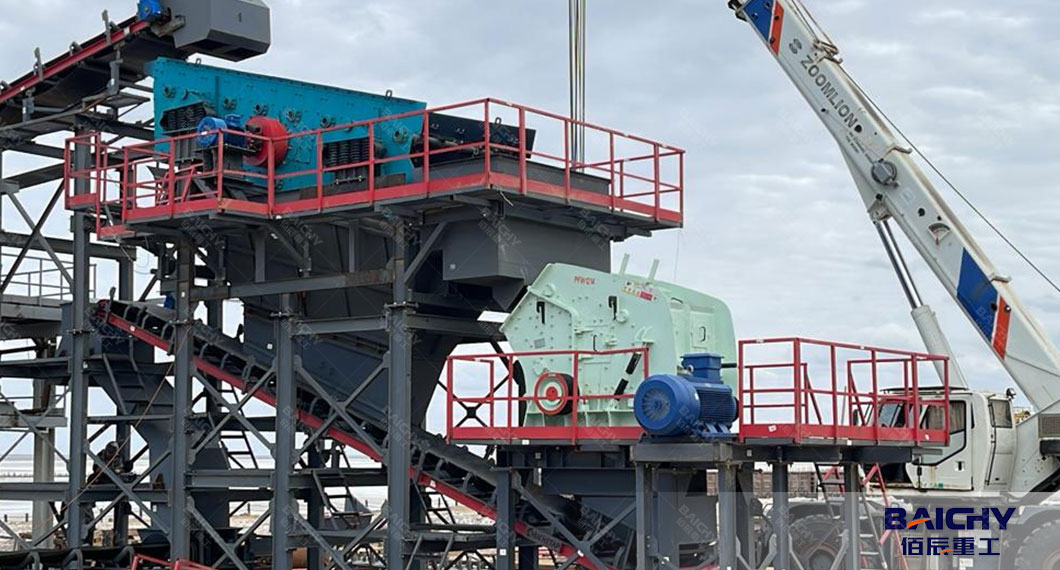
Crushed calcite material passes through a vibrating screen. Oversized particles return to the impact crusher for re-crushing to form a closed-circuit crushing system. Screening keeps feed size stable and prevents oversize stones from entering the grinding mill, protecting mill liners and rollers.
Stage 3: Fine Grinding & Powder Classification
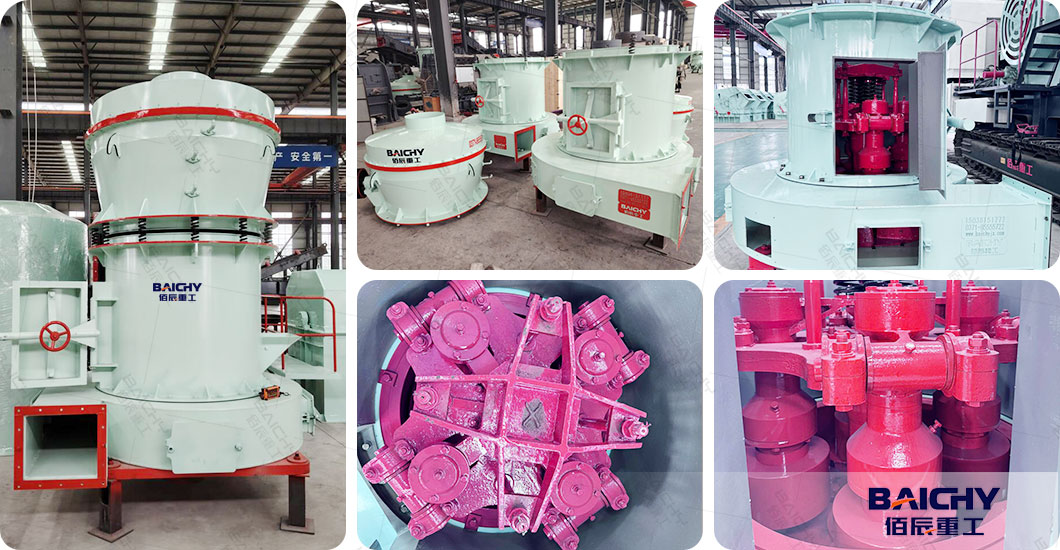
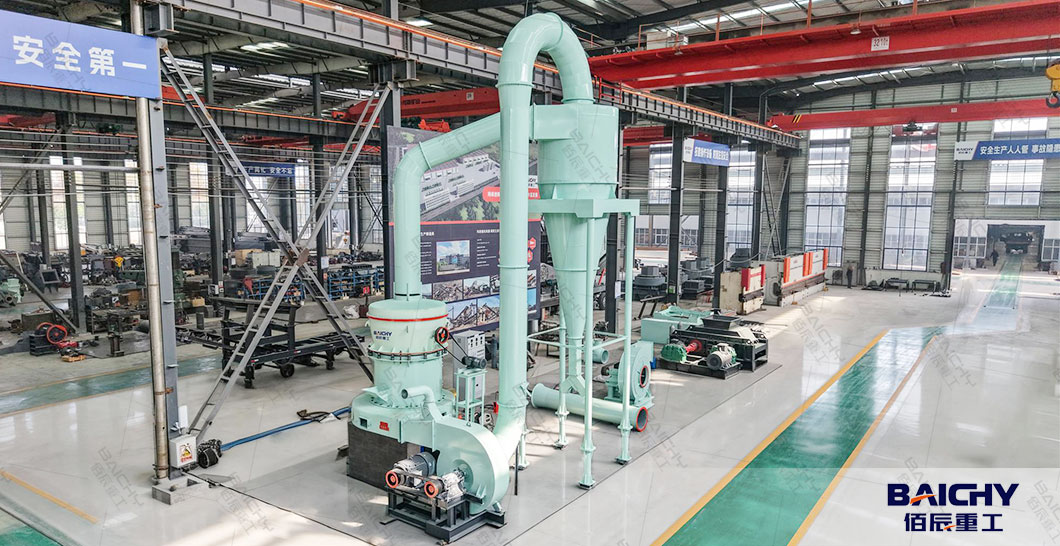
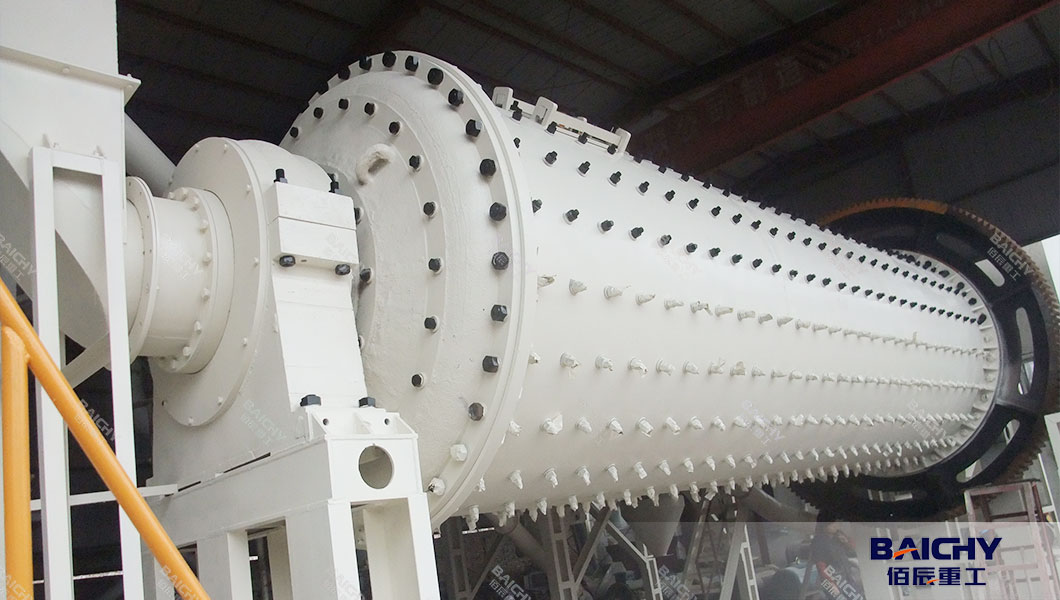
Pre-sized calcite enters the grinding unit. Raymond mills, vertical roller mills and ultrafine mills are the three mainstream choices. An integrated powder classifier separates qualified fine powder from coarse particles. Coarse material falls back into the grinding chamber for regrinding. Operators adjust classifier speed to change powder mesh from 325 mesh up to 3000 mesh.
Stage 4: Dust Collection & Environmental System
Calcite grinding creates plenty of fine dust. A baghouse dust collector captures dust points at feeding, crushing, grinding and discharging sections. A good dust removal system helps plants meet local environmental standards and reduces powder waste.
Stage 5: Powder Conveying & Finished Product Storage
Qualified GCC powder is transported by bucket elevators and screw conveyors into silos. Silo storage avoids moisture absorption and powder agglomeration. This final step keeps powder dry and stable before packing and delivery.
✅ The 5 key steps together decide whether your calcite grinding and crushing plant runs stably long-term. Poor control in any single link will cause unstable fineness, low output or excessive dust.
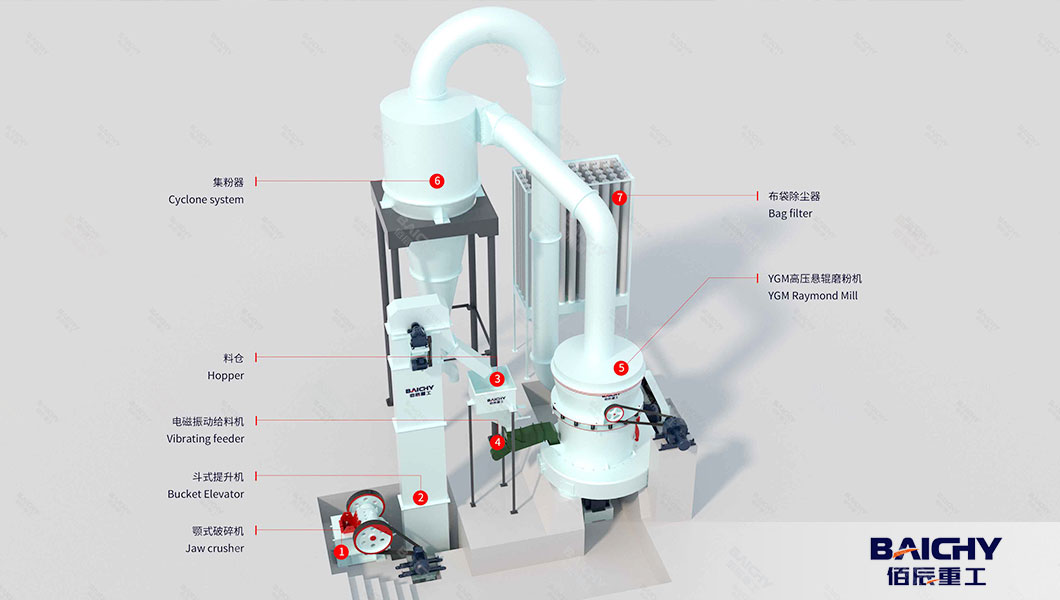
Core Equipment List for Calcite Grinding and Crushing Plant
All equipment is grouped by process section for easier procurement and project design.
Crushing Equipment for Calcite
- Vibrating feeder: evenly feed raw ore
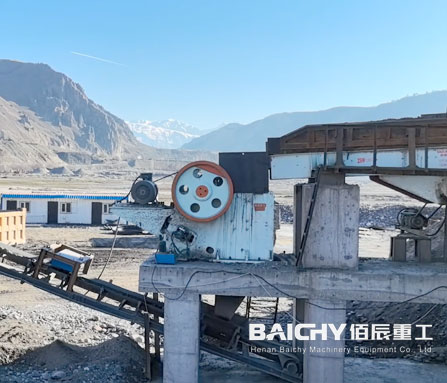
- Jaw crusher: primary coarse crushing
- Impact crusher: secondary fine crushing
Calcite’s low Mohs hardness means impact crushers deliver good cubic particle shape at lower cost.
Grinding Mill Options for Different Fineness
- Raymond mill: 80–400 mesh, low investment, simple operation
- Vertical roller mill: 325–1250 mesh, large capacity, lower energy consumption
- Ultrafine grinding mill: 1250–3000 mesh, for high-end coating and plastic filler
Auxiliary Machines (Feeder, Elevator, Conveyor, Dust Collector)
Auxiliary equipment is easy to ignore but critical for continuous operation. The set includes vibrating feeder, belt conveyor, bucket elevator, screw conveyor, bag dust collector and powder silo.
How to Choose the Right Calcite Grinding and Crushing Plant
Choose your plant based first on target capacity, required mesh, raw ore moisture, site space and budget. Do not pick equipment only by price.
Key Parameters to Confirm Before Design
Collect these data before asking suppliers for a layout: TPH capacity, target powder mesh, raw calcite feeding size, ore moisture content and local power voltage. These parameters determine the whole flow design.
Fixed Plant vs Mobile Calcite Crushing & Grinding Line
Fixed calcite grinding and crushing plants are the common choice for large-scale, long-term GCC factories with stable ore supply. Mobile calcite crushing lines suit projects that frequently move ore sites, but mobile units are less suitable for ultrafine powder production.
Cost Factors That Affect Your Total Investment
Total cost varies by mill type, automation level, dust control configuration, silo packing system and civil construction. High-end ultrafine mills and full automatic control will raise upfront investment but cut running labor cost.
Typical Calcite Grinding and Crushing Plant Project Cases
Case: 20 TPH calcite plant for 325 mesh filler powder in Indonesia
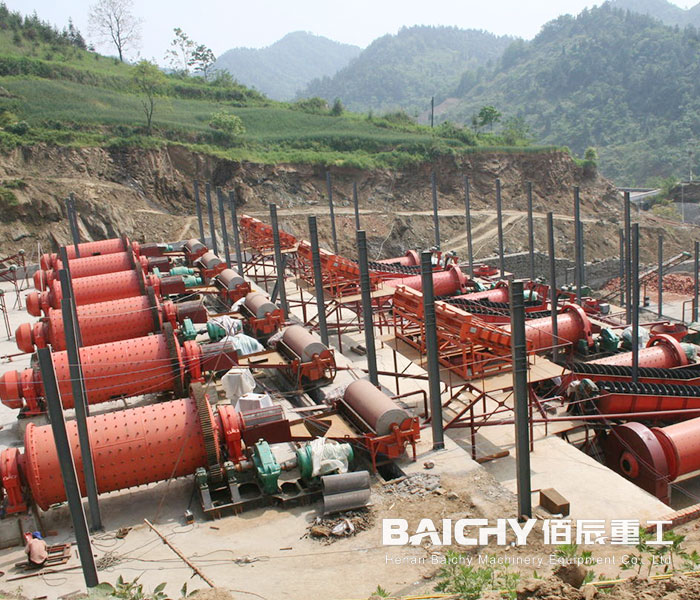
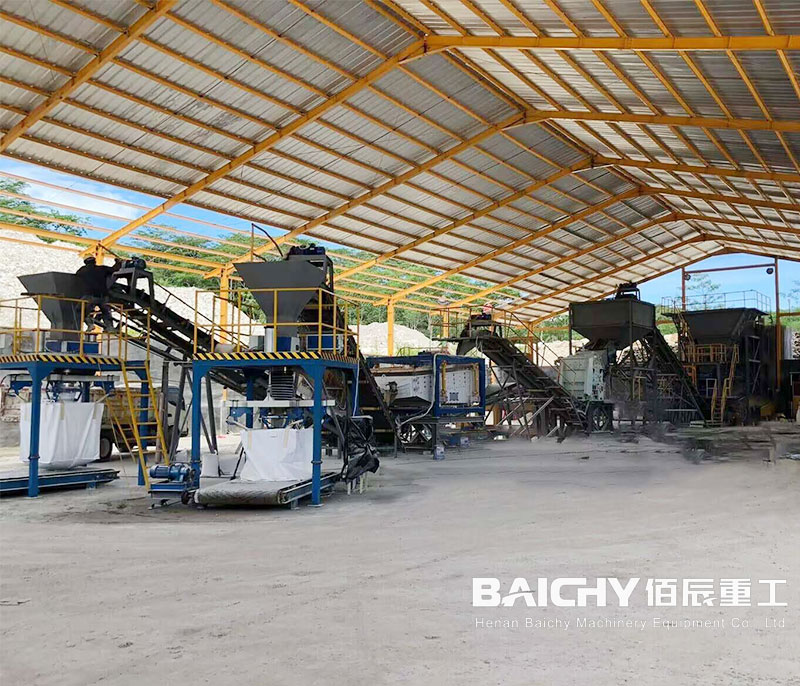
This 20TPH calcite grinding and crushing plant operates in Indonesia, equipped with a full Raymond mill set, closed-circuit crushing system and pulse dust collector. It produces stable 325 mesh GCC filler powder for local plastic and rubber manufacturers. The simple layout fits tropical site conditions, delivers low spare-part cost and supports long continuous running for local mineral buyers.
Tips to Boost Output & Reduce Operating Cost
- Keep steady, calibrated feeding speed; overfeeding causes mill blockage, while insufficient feeding raises wear and power waste.
- Schedule regular inspection and replacement for rollers, rings and liners to keep consistent powder fineness and avoid sudden shutdowns.
- Control raw calcite moisture strictly; damp ore easily clumps inside the mill and classifier, hurting throughput and powder quality.
- Adjust classifier speed and system airflow according to periodic lab powder tests to hit target mesh and cut excess energy consumption.
FAQ – Calcite Grinding and Crushing Plant
Q: What mesh size can a calcite grinding and crushing plant produce?
Standard finished powder ranges from 80 mesh up to 3000 mesh. Raymond mills mainly handle coarse and medium fine powder, vertical roller mills cover the middle range, and ultrafine mills produce superfine GCC powder for high-end applications.
Q: Which crusher is best for calcite ore?
Jaw crusher for primary crushing and impact crusher for secondary crushing are the best match. Calcite is soft, so impact crushers create good particle shape with lower wear than cone crushers.
Q: What is the difference between GCC and PCC calcite powder?
GCC (ground calcium carbonate) is made by physical crushing and grinding of natural calcite ore in this plant. PCC (precipitated calcium carbonate) is chemical synthetic calcium carbonate, with different particle shape and production cost.
Q: How much power does a calcite grinding plant consume per ton?
Power consumption heavily depends on target mesh and mill type. Finer powder needs more electricity. Ultrafine powder consumes far more power than 325 mesh coarse filler powder. Your supplier can calculate accurate power data after confirming your requirements.
Get Your Custom Calcite Grinding and Crushing Plant Solution
Every calcite project has unique requirements on capacity, fineness and site condition. If you plan to build a new GCC powder production line, send us your target TPH, powder mesh and raw ore information. Our engineering team can provide a tailored calcite grinding and crushing plant layout and equipment quotation.




 2026-11-04






 86-15093113821
 86-15093113821