Small crushing machines have become essential tools for contractors, farmers, and small business owners who need to process materials on-site without the expense and complexity of large industrial equipment. Whether you're crushing concrete debris for reuse, reducing rock for a landscaping project, or processing gold ore for small business, the right compact crusher can save you time, money, and logistics headaches.
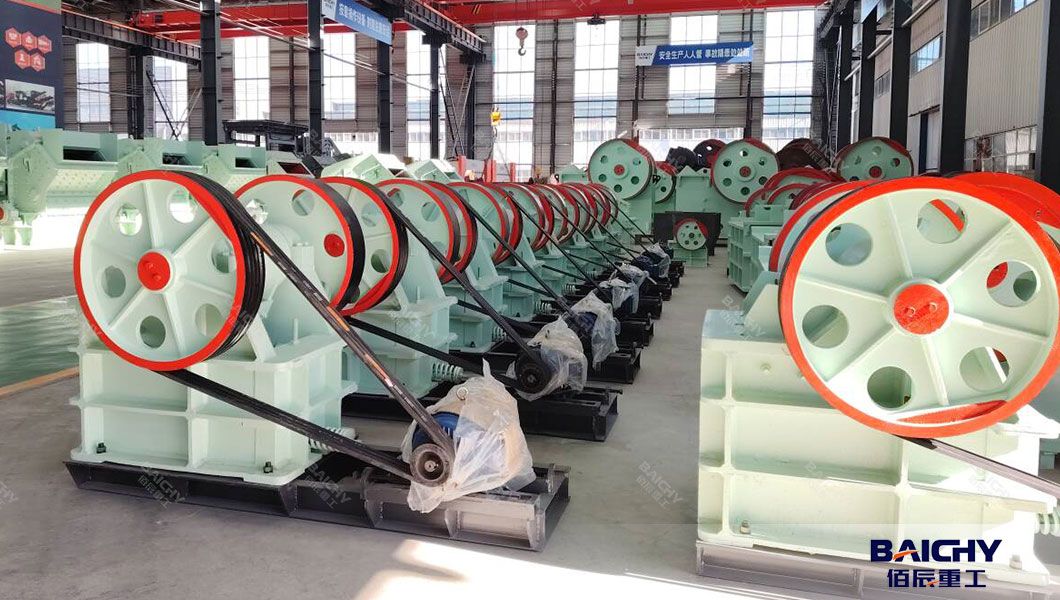
Small crushing machine
What Is a Small Crushing Machine?
A small crushing machine is a compact, portable piece of equipment designed to reduce materials like concrete, brick, gold ore, and rocks into smaller, reusable aggregate. These machines are engineered to deliver powerful crushing performance in a footprint that allows for easy transport and operation in tight spaces.
Key Benefits
● Small crushers offer significant advantages over their larger counterparts:
● Portability: Easily tow or transport between job sites
● On-site efficiency: Crush materials where they're generated, eliminating hauling costs
● Versatility: Handle diverse materials from concrete to natural stone
● Cost-effectiveness: Lower purchase price, operational costs, and maintenance requirements than full-size crushers
The global market for small crushers is dominated by manufacturers concentrated in industrial hubs, particularly Henan Province in China, which accounts for over 60% of global exports in this category. The region's integrated supply chains and proximity to steel mills, logistics hubs, and export ports enable faster production cycles and lower costs .
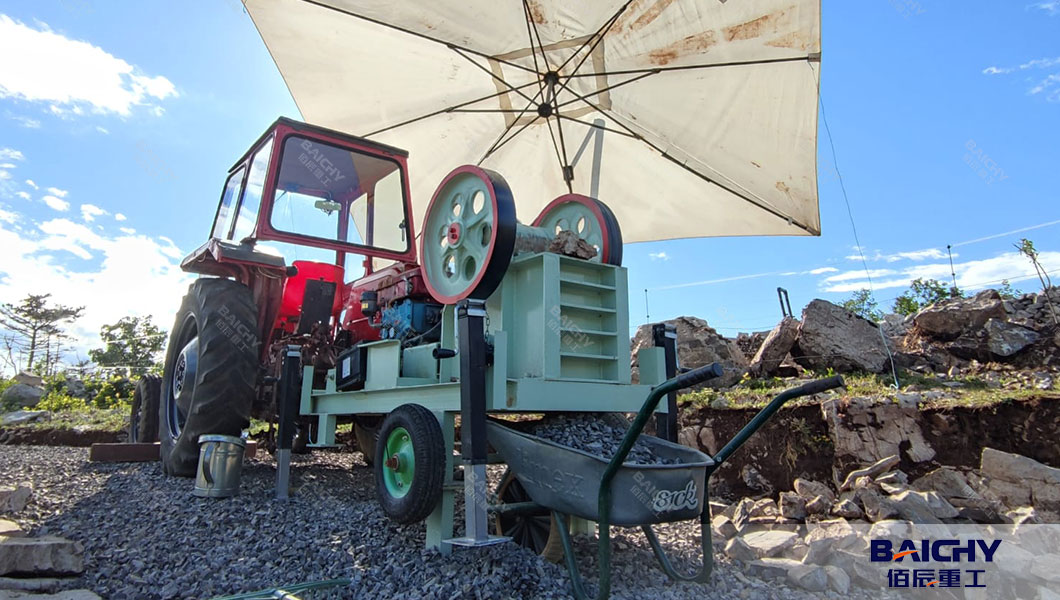
Diesle powered stone crusher
How to Choose the Perfect Small Crusher: 7 Key Factors
1. Power Source: Diesel, Electric, or Hybrid?
Your power source choice directly impacts where and how you can operate your crusher.
Diesel-powered stone crushers are often preferred for their independence from grid power. Models like the PE150x250 trailer-mounted diesel stone crusher offer complete mobility for field operations. Electric units, conversely, are quieter and more environmentally friendly, making them suitable for noise-sensitive urban environments.
2. Throughput: Tons Per Hour (TPH)
Production capacity is measured in tons per hour and directly affects job site productivity and profitability.
● Small projects (<20 TPH): Machines in this range (like basic jaw crushers around 5 TPH) are more affordable and ideal for operations with tighter budgets or less frequent use .
● Medium operations (20–80 TPH): Balanced models suit most contractors handling regular demolition or recycling work.
● Large projects (80+ TPH): Higher throughput saves time on bigger workloads, though upfront costs are greater .
A common mistake is trying to handle large jobs with an undersized crusher. Consider a 2,000-ton concrete crushing job: a small jaw crusher producing 50 TPH takes 40 hours to complete, while a compact impact crusher producing 100 TPH completes the same job in 20 hours. The total excavator time and feeding costs on the larger machine are actually lower despite the higher hourly rental rate .
3. Mobility: Trailed, or Static?
Your work environment determines which mobility configuration works best.
● Trailer-mounted (wheeled) crushers: Towed by trucks or tractors. The portabe stone crusher from Baichy Machinery exemplifies wheel-mounted jaw crushers engineered for rapid deployment between sites .
● Static / fixed crushers: Most affordable option, ideal for yard-based operations where material is brought to you. Even these can be light enough to lift and reposition with equipment .
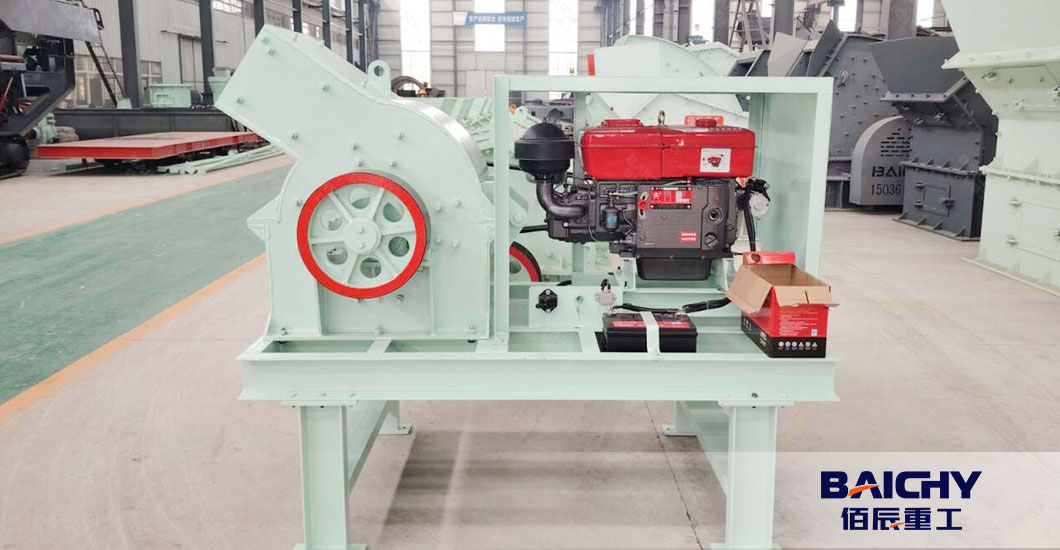
Porable hammer mill
4. Material Suitability: Matching the Crusher to Your Feed
Not all crushers handle every material type. Understanding your feed material is critical .
● Hard rock (granite, basalt): Requires heavy-duty jaw crushers with robust manganese steel components (Mn13/Mn18 alloys) that resist cracking under repeated impact .
● Concrete and brick: Most compact crushers handle these well. They're less demanding to crush and compatible with a wider range of machines, such as jaw crusher, hammer crusher, double roller crusher
● Gold ore: allow prospectors to crush hard quartz, schist, and black sand concentrates into fine powder (100–200 mesh) to free fine gold. It is better to combined jaw crusher with hammer mill crusher.
● Rebar-laden concrete: Large crushers with overband magnets automatically remove rebar for cleaner output. Smaller units may struggle with excessive rebar, leading to blockages and accelerated wear .
5. Input and Output Size: Getting the Right Spec
● Input size: Ensure your crusher's feed opening accommodates your largest material. A crusher with an undersized intake will force you into costly pre-processing steps. For example, the PE250×750 jaw crusher has a maximum feed size of 210mm.
● Output size: Different projects require specific product sizes. Some jobs need 3/4-inch minus material—not every crusher can achieve this. Crushing units with integrated screeners separate larger material and produce precise product sizes on-site .
● Adjustability: Hydraulic jaw adjustment lets you change output settings with the flick of a switch—a major time-saver for varied projects. Manual adjustment may suffice if you consistently produce one product size .
6. Operation and Maintenance Reality
Small crushers are simpler than their larger counterparts, but proper operation remains essential. Common mistakes include:
● Inadequate material preparation: Failing to size feed material before crushing causes blockages and uneven wear. Use hydraulic hammers or mechanical pulverizers to prep concrete piles before feeding .
● Frequent operator changes: When different operators run the same machine, the risk of damage increases. Trained operators know to listen for unusual noises and spot problematic feed material before it enters the crusher .
● Renting without your operator: Untrained renters can wreck a machine quickly—especially with a "drive it like a rental" mentality .
● Daily maintenance includes checking bolts, bearings, conveyor belts, and lubricant levels every 8 hours or per shift . Crushers with readily available spare parts and simple maintenance requirements reduce costly downtime .
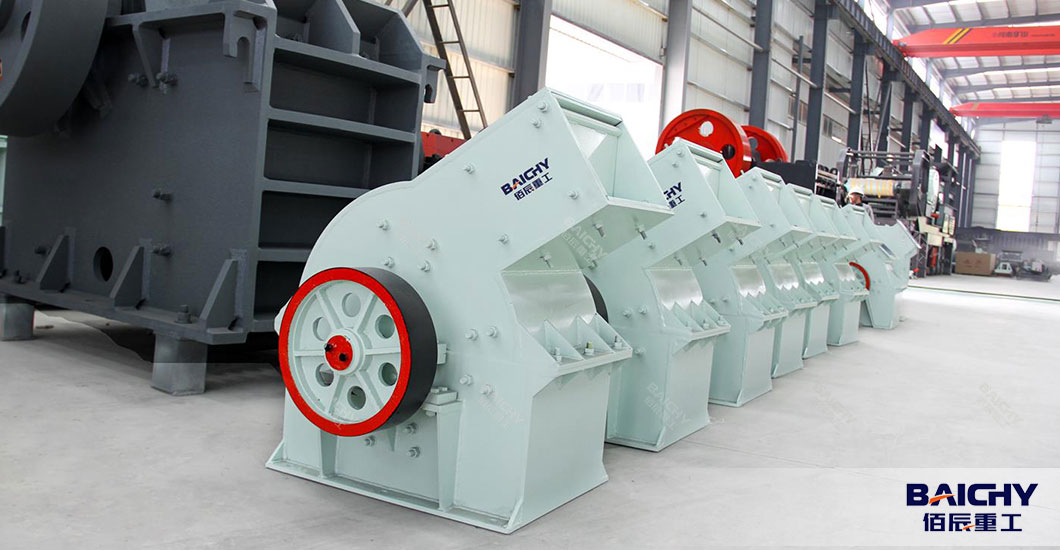
Hammer mill crusher
7. Supplier Quality and Parts Availability
Equipment reliability depends heavily on manufacturer quality. When evaluating suppliers, consider:
●Certifications: ISO 9001 and CE compliance indicate standardized quality controls. Request material test reports for critical components .
●Production capacity: Suppliers with facilities over 2,000m² can handle batch orders efficiently. Look for in-house CNC machining and welding capabilities .
●Replacement parts: Ask about spare parts availability before purchasing. Top suppliers stock common wear items like jaw plates, hammer heads, and bearings .
Popular Crusher Types and Their Applications
1. Jaw Crushers
The most common type for small-scale operations. They use a fixed jaw plate and a moving jaw to compress material against the crushing chamber. Excellent for primary crushing of hard rock and concrete. Models range from 5 TPH laboratory units to 350 TPH mobile plants .
2. Double Roll Crushers
Use two counter-rotating rollers to crush material through compression. These excel at producing uniform particle size with minimal over-crushing. The roller crusher 2PGC400×250 compact toothed roller crusher offers hydraulically adjustable discharge from 1-5mm and 5-12 TPH capacity .
3. Hammer Crushers
Ideal for wet, sticky materials that would clog other designs. The PC400×300 hammer crusher handles materials like wet coal lumps and ceramic tiles at 20-30 TPH with anti-clogging design
A small crushing machine is an efficient, flexible, and cost-effective solution for modern material processing needs. Whether for construction waste recycling, small mining projects, or aggregate production, it provides reliable performance with easy operation and maintenance. For businesses seeking compact crushing solutions, small crushers offer the perfect balance between productivity and investment cost.
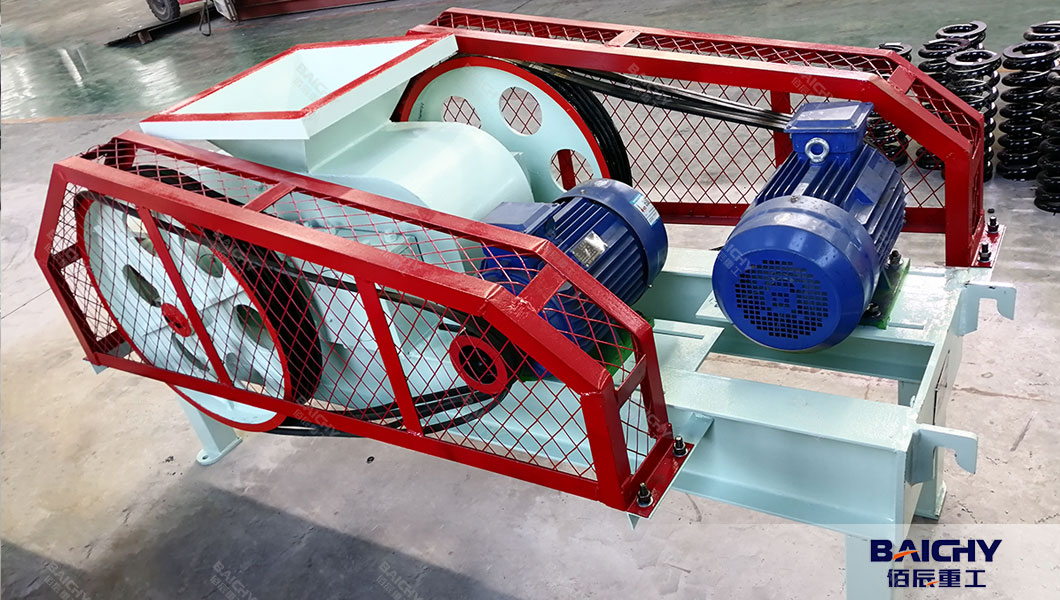
Small double roller crusher
Frequently Asked Questions
1. What is the typical price range for a small crusher?
Entry-level electric mini jaw crushers start around $1800–$5000 per unit. Diesel-powered or trailer-mounted models range from $4,500–$10,000 depending on configuration.
2. What is the standard minimum order quantity?
Most suppliers accept orders starting at 1 set, allowing buyers to test performance before scaling .
3. How long does production and shipping take?
Standard models ship in 15–25 days after order confirmation. Custom builds may require 30–45 days. Add 20–40 days for sea freight depending on destination .
4. How can I verify a supplier's credibility?
Request business licenses and export credentials, check third-party audit reports, review transaction history on B2B platforms, request video factory tours or schedule virtual inspections, and contact existing clients for references




 2026-09-28





 86-15093113821
 86-15093113821