Coal gangue is a solid waste generated during coal mining and coal seam extraction. It is usually mixed with coal layers, forming rock-like material with dark color due to long-term geological and carbon infiltration processes. Traditionally considered waste, coal gangue actually contains significant potential value if properly processed and utilized. With modern crushing and grinding technology, coal gangue can be transformed into fuel substitutes, construction materials, and industrial raw materials, turning environmental burden into economic benefit.
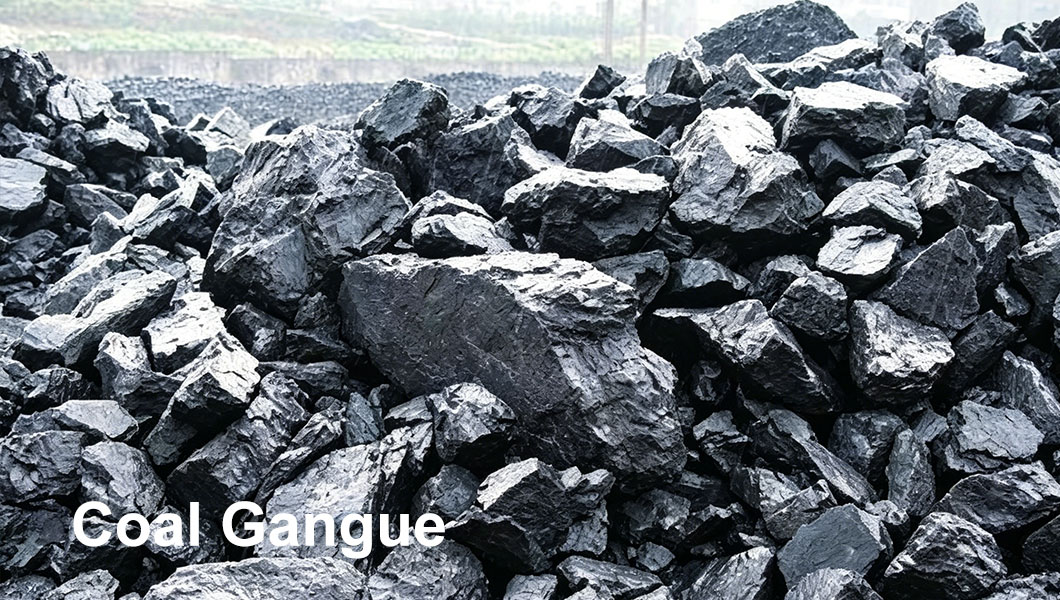
Understanding Coal Gangue: Properties and Classification
Chemical and Mineral Composition
Coal gangue is chemically composed of silica (SiO₂) and alumina (Al₂O₃) , accounting for approximately 60–90% of its content. It also contains trace elements including Fe, Ca, Mg, K, and their oxides, as well as organic compounds.
The mineral composition varies by region. Chinese coal gangue is particularly rich in kaolinite (10–67%) with moderate quartz content (15–35%), making it highly suitable for synthesizing adsorbents and catalysts.
Classification by Carbon Content and Calorific Value
The most critical factor determining coal gangue's utilization route is its carbon content and calorific value. The material can be classified into four types:
| Type |
Carbon Content |
Calorific Value (kJ/kg) |
Recommended Utilization |
| Type IV |
>20% |
6,270–12,550 |
Power generation, fuels |
| Type III |
6–20% |
2,090–6,270 |
Building materials |
| Type II |
4–6% |
<2,090 |
Cement filler, backfilling, paving |
| Type I |
<4% |
<2,090 |
Landfilling, paving |
This classification framework, established by the national standard GB/T29162—2012, provides clear guidance for selecting the appropriate utilization pathway.
Processing Equipment for Coal Gangue Valorization
To unlock the value of coal gangue, a comprehensive processing system is required. Depending on the intended application, equipment ranges from primary crushers to fine grinding mills and specialized powder processing units.
Crushing Equipment
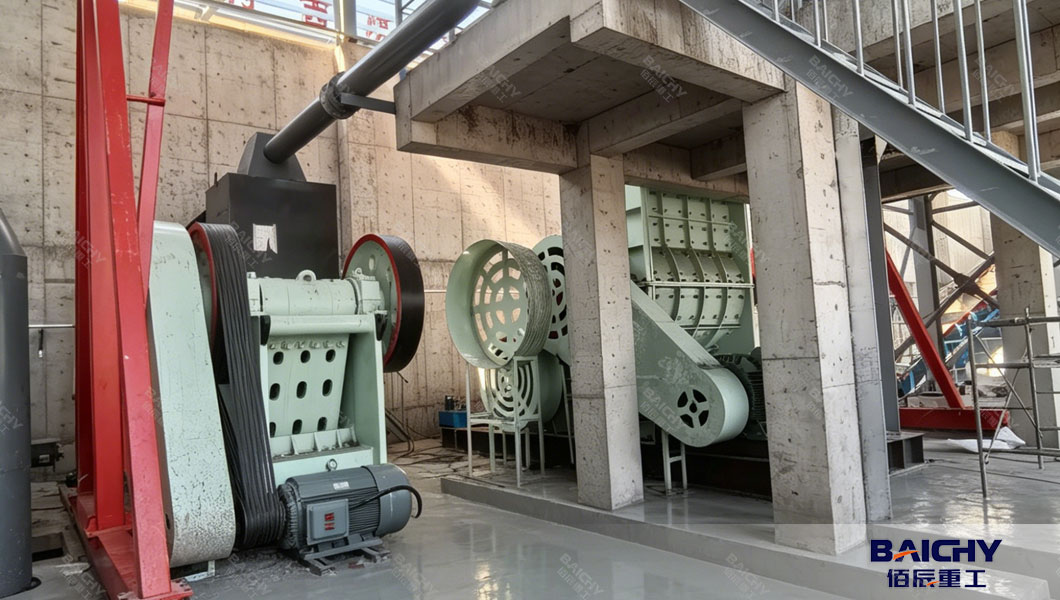
1. Jaw Crusher (Primary Crushing)
The jaw crusher serves as the primary reduction stage for large run-of-mine coal gangue. It can handle feed sizes up to 630mm and reduce material to a manageable size for downstream processing. The PE series jaw crusher is widely used for this purpose, offering reliable performance and high throughput.
2. Double-Stage Crusher (Secondary & Fine Crushing)
The double-stage crusher—also known as a two-rotor hammer crusher—combines two crushing chambers in a single unit. It performs both secondary and fine crushing in one pass, making it particularly suitable for brittle materials like coal gangue, shale, and coal cinder.
Key features:
● Handles materials with high moisture content without clogging
● Produces discharge particle sizes as fine as 2–3mm
● Driven by two motors with rotors rotating at high speed simultaneously
● Materials are crushed by the upper rotor and further broken by the lower rotor hammer head
This equipment is widely used in brick making, building materials, and construction applications.
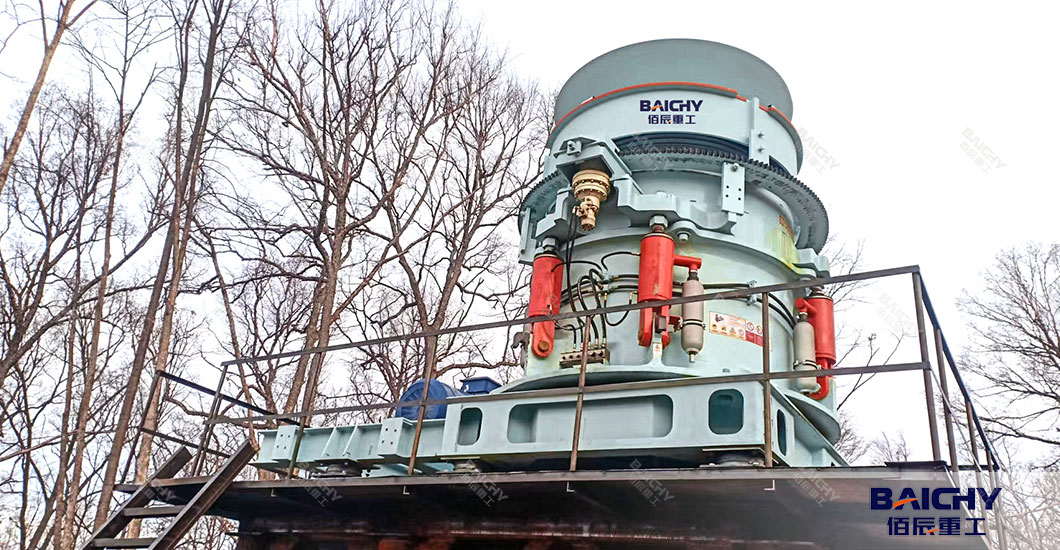
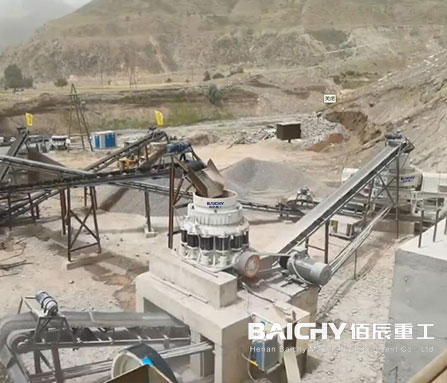
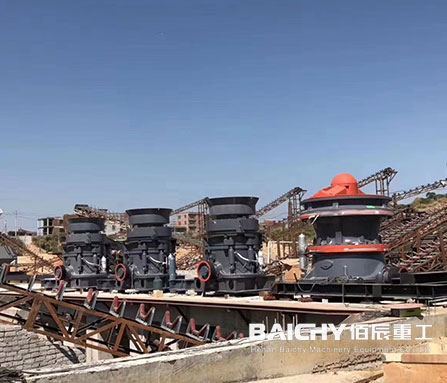
3. Cone Crusher
A cone crusher delivers efficient, laminated crushing for medium-hard coal gangue. It produces uniform, cubic fine particles with a large reduction ratio, ensures stable continuous operation, and supports high-standard subsequent fuel and building material processing.
4. Impact Crusher
Impact crushers provide high reduction ratios and are suitable for producing cubical-shaped aggregates from coal gangue for concrete and asphalt applications.
Grinding and Milling Equipment
For applications requiring fine powder—such as cement production, brick manufacturing, or adsorbent synthesis—grinding mills are essential.
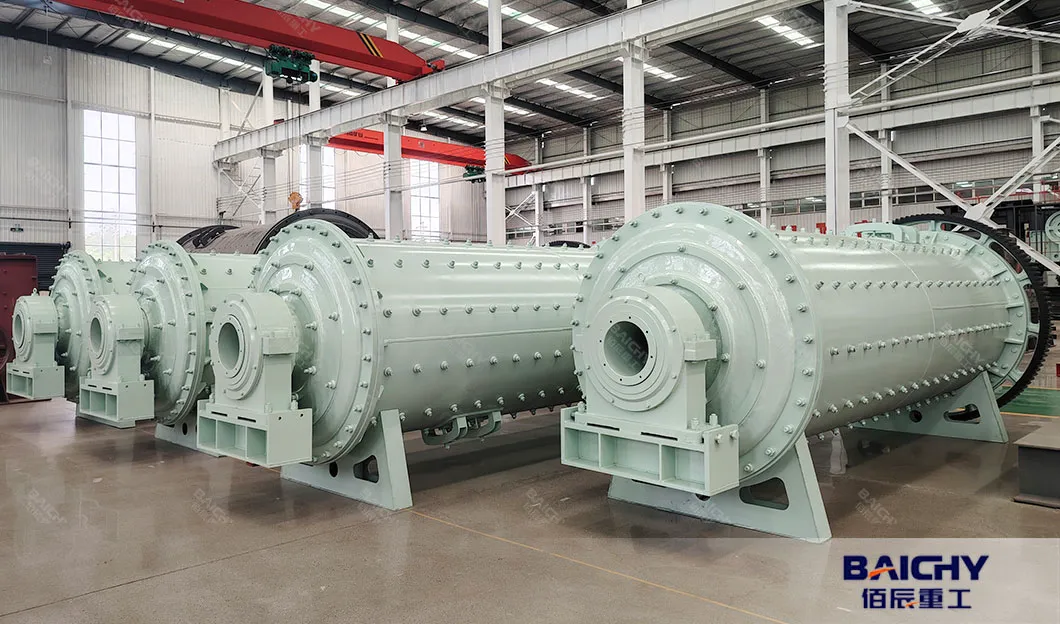
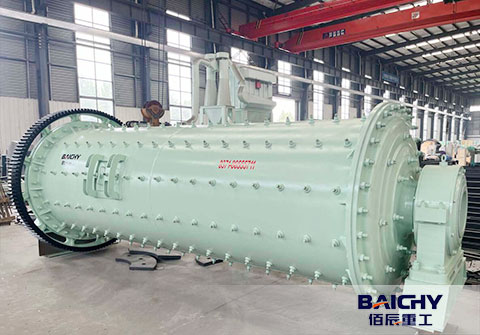
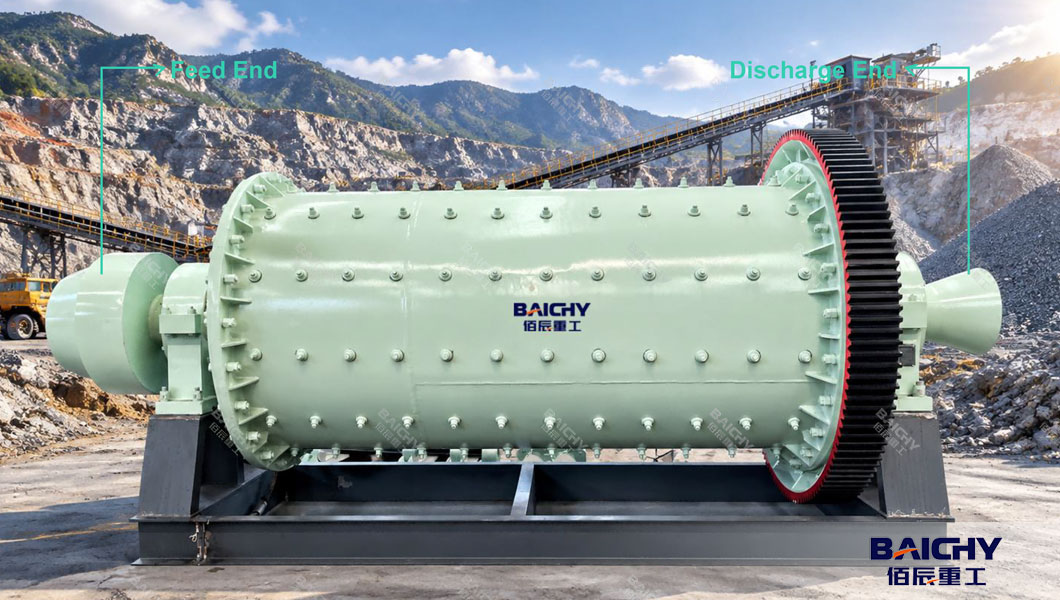
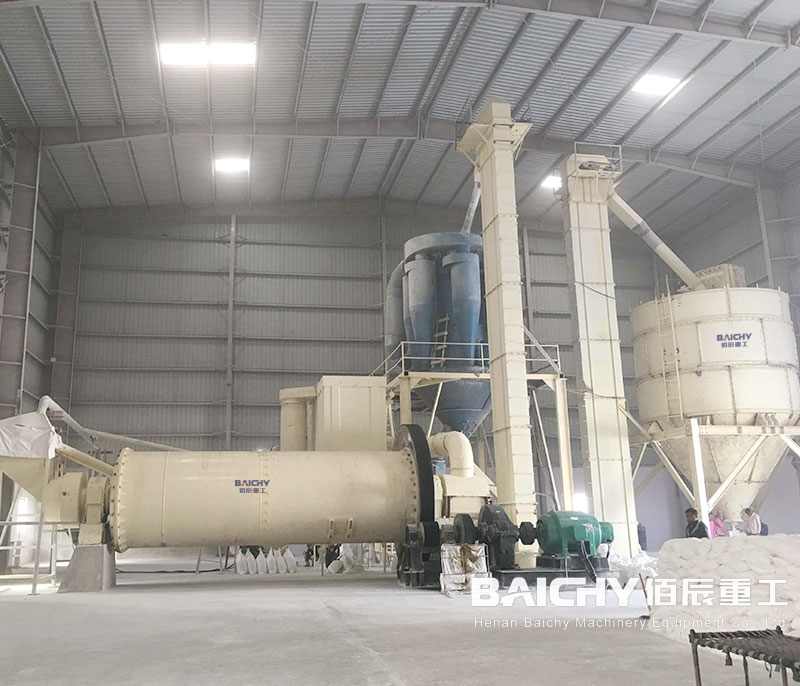
1. Ball Mill
Ball mills are widely used for fine grinding of coal gangue. They can reduce material to micron-sized particles suitable for cement additives, ceramic production, and chemical applications. A coal gangue crushing, ball-milling, and grouting device has been developed specifically for mining backfill applications, integrating crushing, grinding, and mixing functions in a single system.
2. Vertical Roller Mill
Vertical roller mills offer energy-efficient grinding with integrated drying and classification. They are suitable for producing fine powder for building materials and chemical applications.
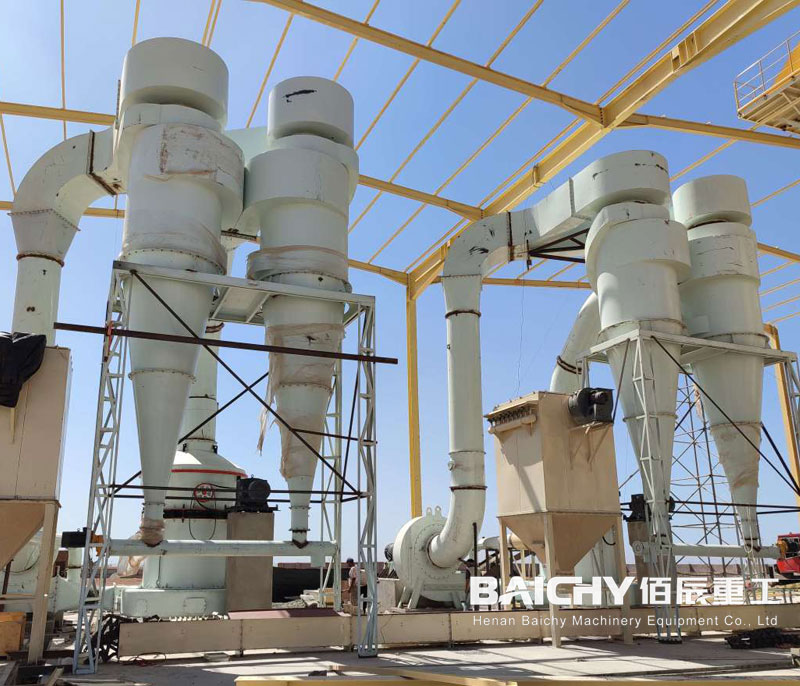
3. Raymond Mill
Raymond mills are commonly used for producing finer powders (80–400 mesh) from coal gangue for applications such as brick raw material preparation and filler production.
Screening and Classification Equipment
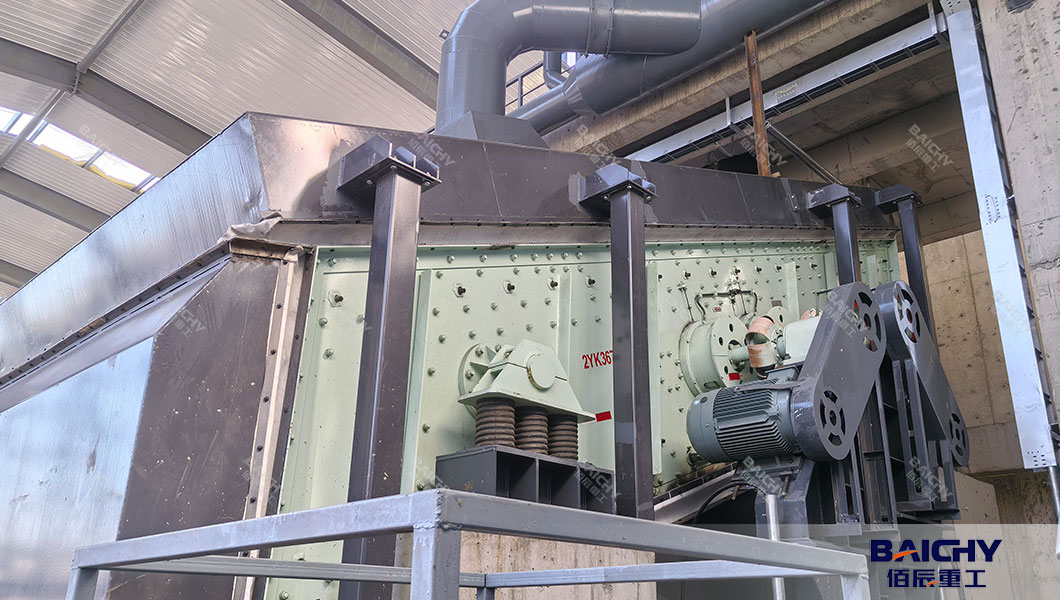
Circular Vibrating Screen
Circular vibrating screens separate crushed coal gangue into multiple size fractions. Multi-layer screen designs (e.g., with 4-mesh, 8-mesh, and 16-mesh sieves) enable precise classification, with oversized particles returned for re-grinding.
Dust Collection Systems
All processing equipment should be equipped with dust collection devices to capture particulate emissions, ensuring compliance with environmental regulations and creating a safer workplace.
Key Applications of Processed Coal Gangue
1. Power Generation and Fuels
● Pulverized Coal Co-firing – Ground gangue powder is mixed with higher-quality coal in conventional furnaces
● Circulating Fluidized Bed (CFB) Boilers – Specially designed boilers can efficiently burn low-calorific-value fuels like coal gangue
The fly ash produced from combustion can serve as a raw material for cement and other building products, creating a circular economy.
2. Building Materials
● Bricks and Blocks – Crushed coal gangue can be mixed with clay or shale and fired to produce high-quality bricks. The residual carbon in the gangue actually contributes to the firing process, reducing fuel requirements.
● Cement Production – Coal gangue can replace clay in cement manufacturing, serving as a source of silica and alumina. Sandstone and siltstone type gangue (53–88% SiO₂) is particularly suitable for this application.
● Concrete Aggregates – After proper crushing and screening, coal gangue can serve as both coarse and fine aggregate in concrete production.
3. Soil Remediation and Agriculture
● Coal gangue contains high levels of organic matter, making it a suitable substrate for carrying nitrogen, phosphorus, and potassium. Scientific addition of coal gangue to soil can reduce soil adhesion, improve porosity, and enhance nutrient absorption for plants.
● Research has shown that high-sulfur coal gangue effectively lowers soil pH and improves soda-saline soils. In one study, treatment with 70-mesh high-sulfur coal gangue reduced soil pH by up to 16.70% and exchangeable sodium percentage by up to 73.76%.
4. Machine-Made Sand and Coal Powder
Through advanced processing, coal gangue can be used to produce machine-made sand for construction and coal powder for fuel applications. A dry processing route using rotary mortar mills, vibrating screens, and powder separators enables the dissociation of soft and hard substances for separate utilization.
Coal gangue is not a waste material but a valuable resource waiting to be unlocked. Whether through power generation, building materials production, soil remediation, or high-value product synthesis, this abundant industrial byproduct offers substantial economic and environmental opportunities.
For mining operations, construction material producers, and industrial facilities, investing in coal gangue processing represents a smart business decision that simultaneously addresses waste management challenges and creates new revenue streams.




 2026-09-28





 86-15093113821
 86-15093113821