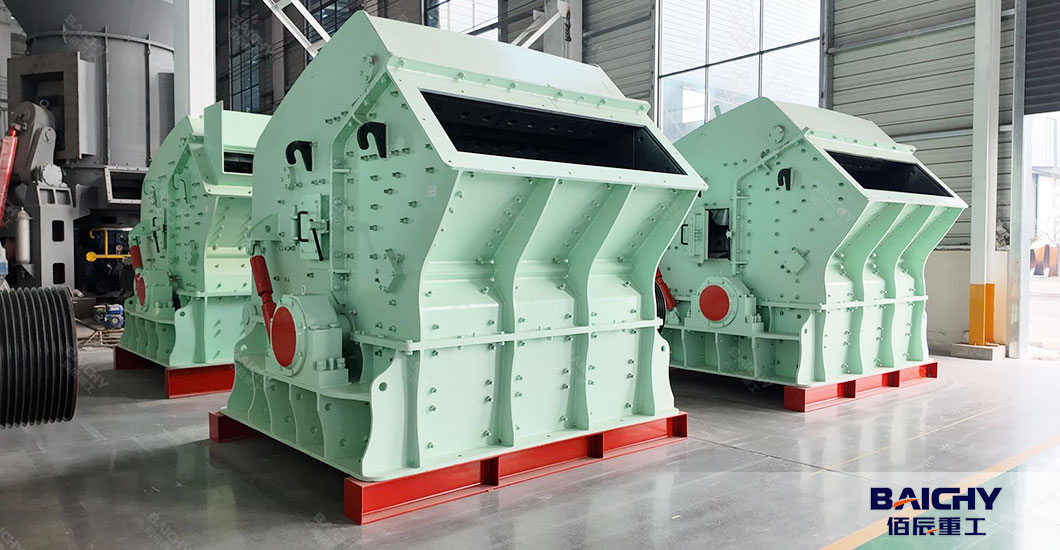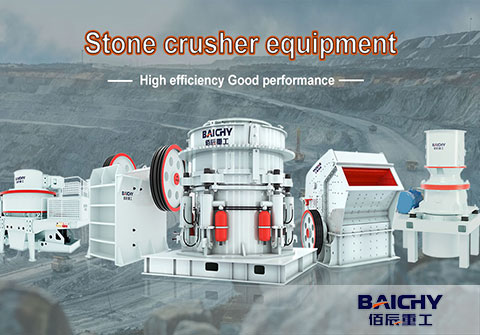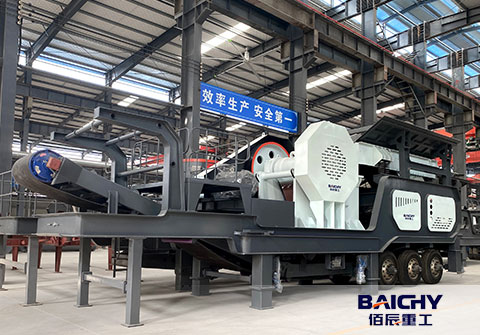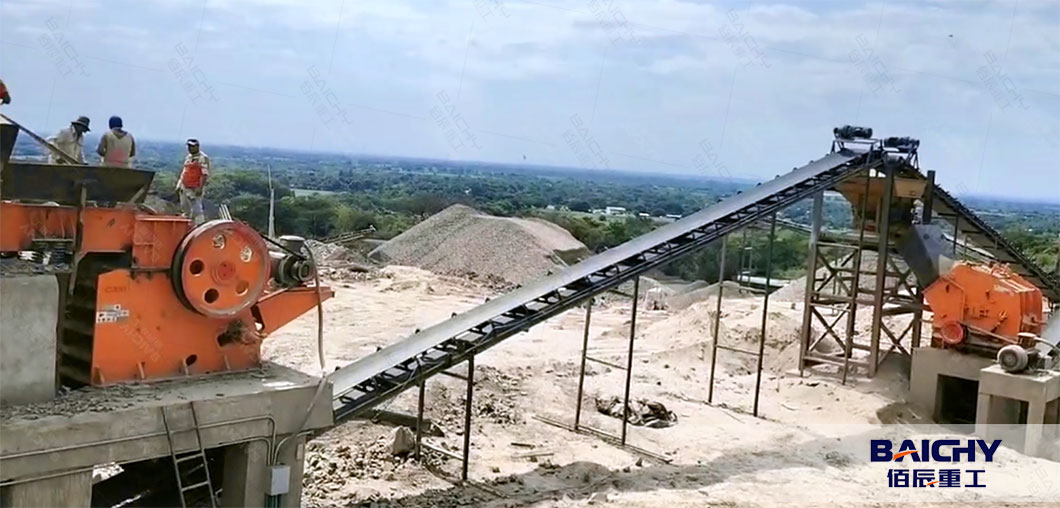
In the world of stone crushing, the Impact Crusher Impactor, also known as the Horizontal Shaft Impactor (HSI), is a versatile and efficient machine. Unlike jaw crushers that use pressure to break rocks, the impactor relies on high-speed impact energy. It is widely used as a secondary or tertiary crusher for medium-hard materials like limestone, gypsum, and concrete recycling.

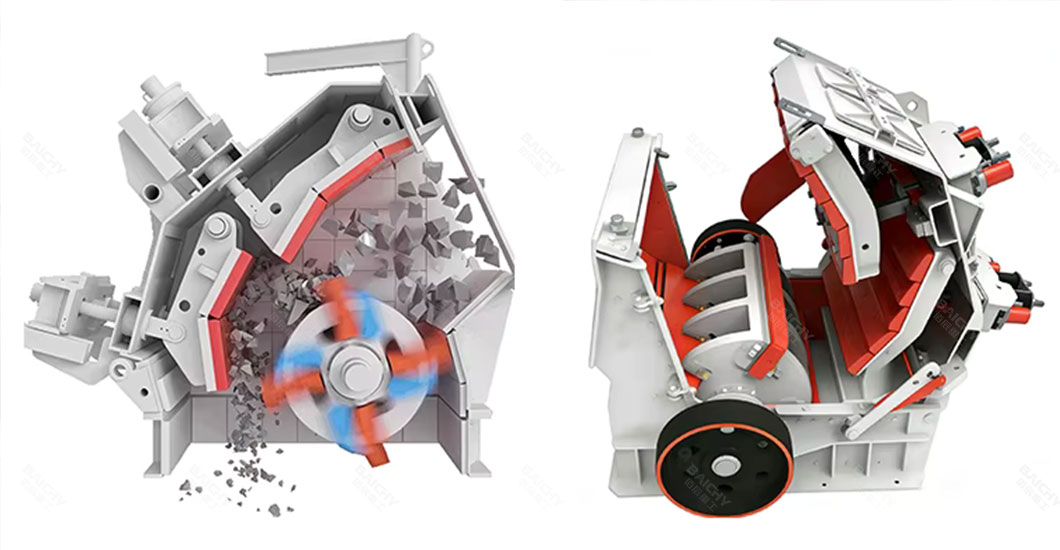
The heart of the crusher impactor is its heavy-duty rotor. As the rotor spins at high speeds, it utilizes blow bars (or hammers) to strike the incoming material.
● Initial Impact: The stones enter the crushing chamber and are immediately hit by the spinning blow bars.
● Collision: The force of the blow bars throws the rocks against impact plates (aprons) mounted on the walls of the chamber.
● Secondary Breakage: The material bounces back and forth between the rotor and the aprons, breaking along natural cleavage planes until it is small enough to pass through the discharge opening.
To ensure high performance and durability, modern impactors focus on high-quality wear parts:
● Rotor: The most critical part, designed for high inertia to maintain steady crushing force.
● Blow Bars: Often made from high-chromium alloys to resist wear and handle abrasive materials.
● Impact Aprons: Adjustable plates that allow operators to control the output size and the "Closed Side Setting" (CSS).

● Excellent Product Shape: One of the biggest advantages of an impactor is the production of cubic aggregates. This shape is highly preferred for high-strength concrete and asphalt.
● High Reduction Ratio: HSIs can handle large feed sizes and reduce them significantly in a single pass, simplifying the production line.
● Adjustable Output: By adjusting the gap between the aprons and the rotor, you can easily fine-tune the final grain size to meet specific project requirements.
● Selective Crushing: The impact method naturally breaks softer materials more easily, which can be useful for separating different types of minerals.
To keep an impact crusher impactor running at peak ROI, regular inspection of the wear parts is essential. Modern designs, such as those used by Baichy Machinery, feature modular, non-welded frames and easy-access chambers. This allows for quick replacement of blow bars and liners, reducing downtime significantly.
Q: What is the difference between a Jaw Crusher and an Impactor?
A: A jaw crusher uses compression (pressure) to break hard rocks and is typically used in the primary stage. An impactor uses impact energy to break medium-hard rocks and is better at producing a cubic product shape in the secondary stage.
Q: Can an impact crusher handle hard rocks like basalt?
A: While HSIs are best suited for medium-hard materials like limestone, they can handle harder rocks if equipped with specialized high-chromium or ceramic-insert blow bars. However, for very hard rocks, a cone crusher is often more cost-effective for wear parts.
Q: How do you control the final size in an impactor?
A: The final product size is controlled by adjusting the rotor speed and the clearance (gap) between the rotor blow bars and the impact aprons.
Save Time! Get A Detailed Quotation Quickly.