The amount you should spend on a mobile jaw crusher depends on your required capacity, raw material, mobility requirements, power system, and optional equipment. A small unit for a local quarry has different requirements from a high-capacity plant processing hard rock for a large aggregate project. The purchase price is only part of the investment. Transportation, site preparation, spare parts, fuel or electricity, and maintenance can significantly affect the total cost of ownership. Before requesting quotations, define your production target, maximum feed size, finished aggregate requirements, and expected working hours. These details help you compare equipment on a consistent basis instead of choosing a machine based on price alone.

What Determines the Price of a Mobile Jaw Crusher?
Several factors influence the initial investment in mobile crushing equipment.
1. Production Capacity
Capacity is one of the main factors affecting equipment size and cost. A machine designed for a small construction project may not have the feed opening, crushing capacity, or power required for a larger quarry.
When comparing machines, consider the actual material throughput required rather than relying only on the rated capacity. Rock hardness, feed size, moisture content, and the desired product size can all affect output.
A higher-capacity machine may require a larger jaw crusher, a more powerful drive system, and additional conveying or screening equipment. However, buying a machine that is too large for your production target can increase the initial investment and operating expenses without delivering a corresponding benefit.
2. Tracked vs. Wheeled Mobile Jaw Crushers
The mobility system affects the purchase price, transportation arrangements, and suitability for different projects.
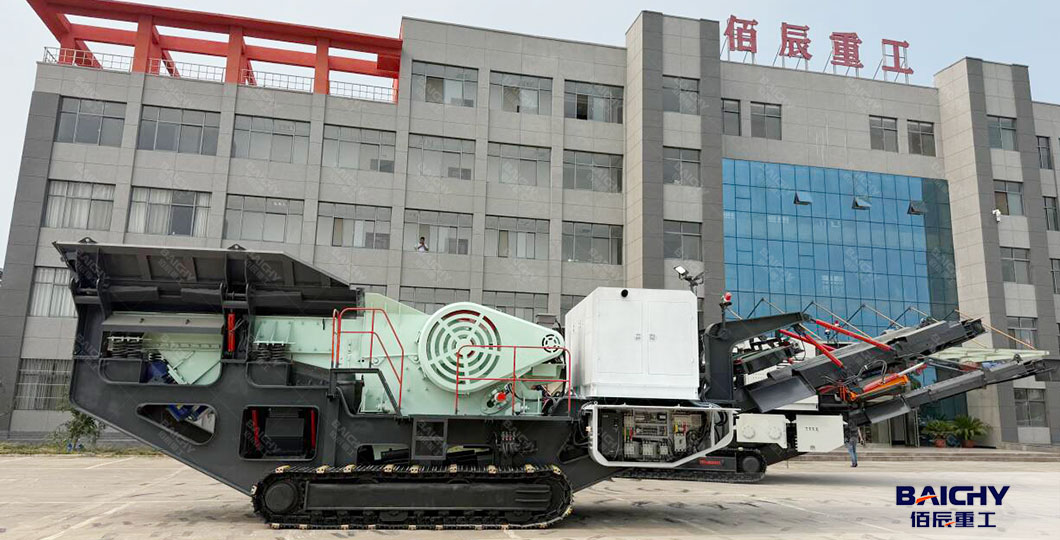
A tracked mobile jaw crusher is suitable for projects that require frequent movement around a quarry, construction site, or demolition area. Its crawler chassis allows the machine to move around the working site without requiring a separate transport vehicle for every short relocation.
A wheeled mobile jaw crusher is often suitable for projects where the plant needs to be transported between sites using an appropriate towing vehicle or transport arrangement. Its suitability depends on road regulations, site access, and the configuration of the complete unit.
| Comparison |
Tracked mobile jaw crusher |
Wheeled mobile jaw crusher |
| On-site movement |
Suitable for moving around uneven working areas within permitted operating conditions |
Suitable for relocation where appropriate access and towing arrangements are available |
| Relocation between sites |
Usually requires suitable transport arrangements for longer distances |
Can be convenient where the chassis and local transport regulations permit |
| Typical consideration |
Crawler system, travel drive, and ground conditions |
Chassis design, towing arrangement, and road transport requirements |
| Main selection factor |
Frequent movement within a working site |
Relocation requirements and transport logistics |
Neither design is automatically cheaper over its entire service life. The right choice depends on how often the machine moves, how far it travels, and the working conditions.
3. Raw Material and Feed Size
The material being processed determines the crushing force, wear resistance, and machine configuration required.
● Limestone and some other moderately hard rocks may be processed with a different configuration from highly abrasive granite or basalt. Hard, abrasive materials can increase jaw plate wear and maintenance requirements.
● Maximum feed size is equally important. The crusher's feed opening must accommodate the largest expected rock while maintaining stable operation. Oversized material may require additional breaking equipment or changes to the upstream material-handling process.
Before purchasing, provide the supplier with the material type, maximum feed size, and expected feed-size distribution. These details help prevent an unsuitable machine selection.
4. Power System and Optional Equipment
Mobile jaw crushers may use different power configurations depending on the model and project requirements. Diesel-powered systems can offer operational flexibility where grid power is unavailable, while electric or hybrid configurations may be suitable where electrical infrastructure and operating conditions support them.
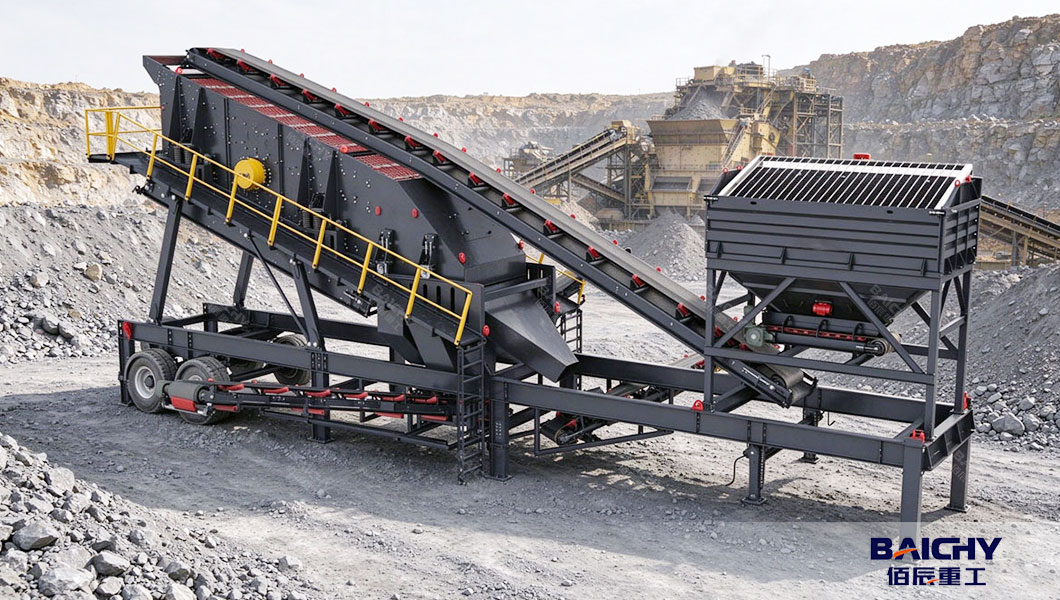
The final cost may also include a vibrating feeder, discharge conveyors, a vibrating screen, a return conveyor, dust suppression, and electrical controls.
Not every project requires every option. For example, a project producing only primary crushed material may have different requirements from a plant producing several finished aggregate sizes. Select optional equipment according to the required process rather than purchasing features that will not be used.
What Should Your Mobile Jaw Crusher Budget Include?
A realistic budget should cover the equipment purchase and the additional expenses required to put the machine into operation.
| Cost category |
Items to consider |
| Main equipment |
Mobile chassis, jaw crusher, drive system, feeder, and standard controls |
| Optional equipment |
Screening unit, additional conveyors, return conveyor, dust suppression, and other selected systems |
| Transportation and import |
Freight, insurance, customs duties, taxes, and local handling where applicable |
| Site preparation |
Access roads, working platform, drainage, electrical infrastructure, and other required site work |
| Installation and commissioning |
Assembly, technical support, operator training, and initial testing |
| Operating expenses |
Fuel or electricity, labor, jaw plates, other wear parts, lubricants, and routine maintenance |
Ask suppliers to clarify which items are included in the quotation. A lower equipment price may exclude transportation, screening equipment, commissioning, or other costs that another supplier includes.
For imported equipment, also confirm the delivery terms, shipping arrangements, applicable taxes, warranty conditions, and spare-parts availability before comparing offers.
How to Calculate the Total Cost of Ownership
The purchase price does not show the full cost of operating a mobile jaw crusher. A machine with a lower initial price may require more frequent maintenance or consume more energy under the same production conditions.
A practical calculation is:
Total Cost of Ownership = Initial Investment + Operating Costs + Maintenance Costs + Other Ownership Expenses − Residual Value
For an annual budget, operating costs can be estimated using expected working hours and consumption rates.
For example:
-
Fuel or electricity: Expected hourly consumption multiplied by annual operating hours and the applicable energy price.
-
Wear parts: Estimated annual jaw plate and other consumable replacement costs based on material abrasiveness and production volume.
-
Maintenance: Planned servicing, lubricants, replacement components, and labor.
-
Downtime: The potential cost of lost production when equipment is unavailable.
-
Transportation: Relocation costs based on the frequency and distance of site changes.
Use actual supplier specifications and operating records whenever possible. Without reliable consumption rates, wear data, and working-hour estimates, a precise operating-cost comparison would be misleading.
When comparing two machines, evaluate their expected cost per ton of saleable material, not just their hourly running costs. This approach also accounts for differences in actual output and product requirements.

How to Avoid Overspending on a Mobile Jaw Crusher
A suitable machine should meet the production requirement without unnecessary equipment or excessive operating costs.
First, calculate the required hourly output from the planned daily or annual production target. Allow for maintenance, downtime, and changes in feed conditions rather than assuming the crusher will operate at full capacity every hour.
Second, check the maximum feed size and material properties. A crusher with an unsuitable feed opening or insufficient capacity may create bottlenecks even if its purchase price is attractive.
Third, confirm the required finished product. A jaw crusher is primarily a primary crushing machine. If the project requires tightly controlled aggregate sizes or multiple finished products, secondary crushing and screening may be necessary.
Finally, compare complete quotations. Check the included equipment, warranty, delivery terms, commissioning support, wear-part costs, and local service arrangements.
The objective is not to buy the cheapest machine or the largest machine. It is to choose a configuration that meets the project's production requirements at a reasonable total cost.
Is a Used Mobile Jaw Crusher Worth Buying?
A used mobile jaw crusher may reduce the initial investment, but its condition must be assessed carefully.
Check the jaw plates, crushing chamber, bearings, drive system, hydraulic components, crawler or wheeled chassis, and electrical controls. Request maintenance records and operating history where available.
If possible, inspect the machine under operating conditions and verify that its actual performance meets your requirements. Also confirm whether replacement parts remain available and whether the equipment complies with the regulations applicable at the intended site.
A used machine with substantial wear or unavailable components may create additional repair expenses and downtime. Compare the purchase price with the expected cost of restoring and operating the equipment before making a decision.
Get a Mobile Jaw Crusher Quote from Baichy Machinery
Baichy Machinery supplies crushing equipment and mobile crushing plant solutions for quarrying, mining, construction, and aggregate production projects. Equipment selection can be tailored to the material, required capacity, feed size, finished product, and site conditions.
To receive a more relevant quotation, prepare the following information:
-
Raw material type and maximum feed size
-
Required production capacity in tons per hour
-
Required finished aggregate sizes
-
Preferred tracked or wheeled configuration
-
Available power supply and project location
-
Whether screening, secondary crushing, and conveyors are required
These details allow the equipment configuration and project costs to be evaluated more accurately.
How much should you spend on a mobile jaw crusher for your project? The answer depends on your production target, site conditions, and the complete equipment package. Contact Baichy Machinery to discuss your requirements and explore a suitable mobile crushing solution.
Frequently Asked Questions
1. How much does a mobile jaw crusher cost?
The price varies according to capacity, chassis type, power system, equipment configuration, and delivery scope. Request a quotation based on the actual project requirements rather than relying on a single general price range.
2. Is a tracked mobile jaw crusher worth the extra cost?
A tracked unit may be worthwhile when frequent movement around a quarry or construction site is required. Its value depends on site conditions, relocation frequency, operating costs, and the alternative transport arrangements available.
3. What additional costs should I budget for?
Common additional expenses include freight, import duties and taxes, site preparation, installation, fuel or electricity, wear parts, routine maintenance, and operator training. Confirm which items are included in the supplier's quotation.
4. Is buying a used mobile jaw crusher a good idea?
A used machine can reduce the initial purchase cost if its condition, maintenance history, parts availability, and operating performance are satisfactory. Inspection and repair-cost estimates are essential before purchase.




 2026-10-30







 86-15093113821
 86-15093113821