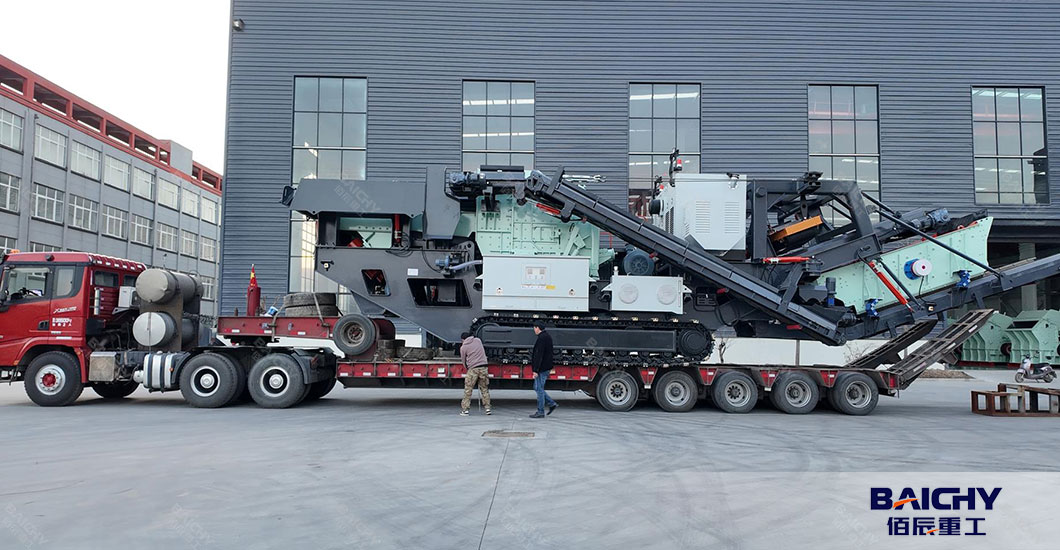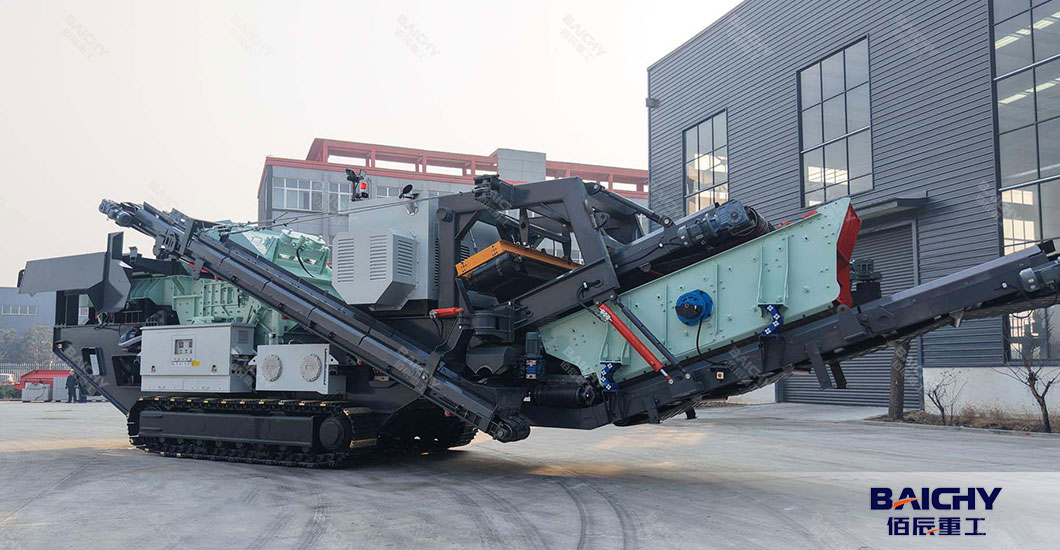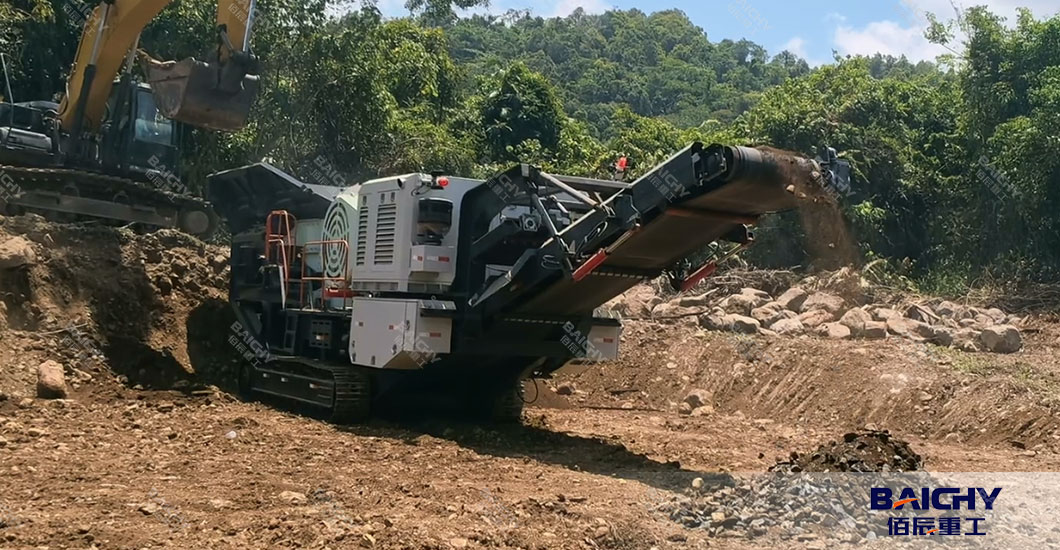
A tracked diesel powered aggregate crusher is a mobile crushing machine designed for quarrying, mining, and construction waste processing. It integrates a diesel engine as the power source and a crawler (tracked) chassis for self-propelled mobility, allowing it to operate in remote or rough terrain without external power supply. Unlike stationary crushing plants, this equipment can move directly to the material source, significantly improving operational flexibility and reducing transportation costs. It is widely used in limestone, granite, basalt, and recycled concrete crushing applications.

A tracked diesel powered aggregate crusher typically consists of the following core systems:
1. Feeding System. Includes hopper, vibrating feeder, and sometimes a grizzly bar. It ensures consistent material flow into the crusher and prevents overloading.
2. Crushing Unit. Depending on the configuration, it may include:
● Jaw crusher for primary crushing
● Impact crusher for shaping and fine crushing
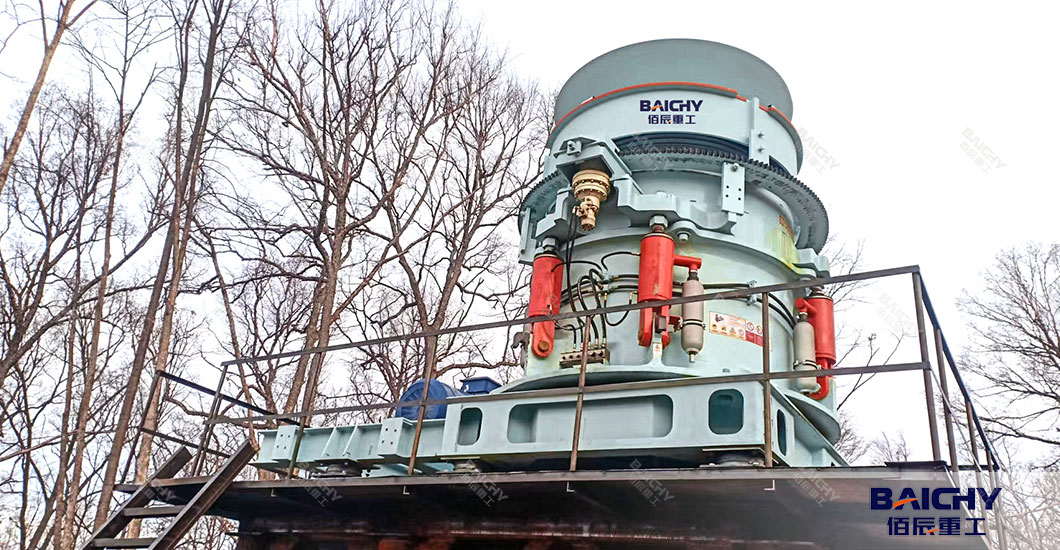
● Cone crusher for hard rock secondary/tertiary crushing
3. Diesel Power System. A high-efficiency diesel engine provides independent power, eliminating reliance on grid electricity. This makes the system ideal for remote quarry sites.
4. Tracked Chassis System. The crawler undercarriage allows smooth movement on rough, muddy, or uneven ground. It ensures high stability during operation and easy relocation between working sites.
5. Conveyor System. Discharge conveyors transport finished aggregates to stockpiles or secondary equipment. Some systems also include side conveyors for fine material separation.
6. Control System. Modern units are equipped with PLC or remote-control systems, enabling easy operation, safety monitoring, and automated adjustments.
Tracked diesel powered aggregate crushers offer several important benefits:
1. High Mobility and Flexibility. The crawler design allows the machine to move directly into quarry faces or demolition sites without additional transport equipment.
2. Independent Power Supply. Diesel engines eliminate dependency on external electricity, making them suitable for remote mining areas or undeveloped construction sites.
3. Fast Setup and Operation. No foundation construction is required. The system can be deployed and start production within hours.
4. Reduced Material Handling Cost. Since the crusher can move closer to the material source, hauling distance and loading costs are significantly reduced.
5. Strong Adaptability. It can handle various raw materials such as limestone, granite, basalt, river stone, and construction waste.

Tracked diesel powered aggregate crushers are designed to solve several industry challenges:
1. High Transportation Cost. Traditional quarry operations require hauling raw materials to fixed plants. Mobile tracked crushers eliminate or reduce this need.
2. Lack of Power Infrastructure. In remote mining areas, grid electricity is often unavailable. Diesel power ensures continuous operation.
3. Long Installation Time. Stationary plants require civil foundations and long installation periods. Tracked crushers can be deployed immediately.
4 Poor Site Flexibility. Quarries often change working zones. Tracked crushers can easily relocate with production needs.
5. Inefficient Multi-Site Projects
For road construction or distributed mining sites, mobile tracked systems improve operational continuity and efficiency.
In a limestone quarry project in Southeast Asia, a tracked diesel powered jaw crushing plant was deployed to improve production efficiency and reduce transportation costs.
The system included a diesel-powered tracked jaw crusher with a vibrating feeder and discharge conveyor. The equipment was moved directly to the quarry face, eliminating the need for multiple loaders and trucks to transport raw limestone to a fixed crushing plant.
After deployment, the operation achieved stable output of 120–150 tph. The client reported a 30–40% reduction in material handling costs and significantly faster production setup compared to their previous stationary crushing system. The ability to relocate the crusher within the quarry also improved resource utilization across multiple extraction zones.

It can process limestone, granite, basalt, river stone, and construction demolition waste. With different crusher configurations, it can handle both soft and hard rocks.
Yes. It is especially suitable for small to medium-scale projects where mobility, quick setup, and flexible operation are required.
Regular maintenance includes diesel engine servicing, hydraulic system checks, conveyor inspection, and wear part replacement. With proper maintenance, the machine can operate reliably for long-term production.
Save Time! Get A Detailed Quotation Quickly.