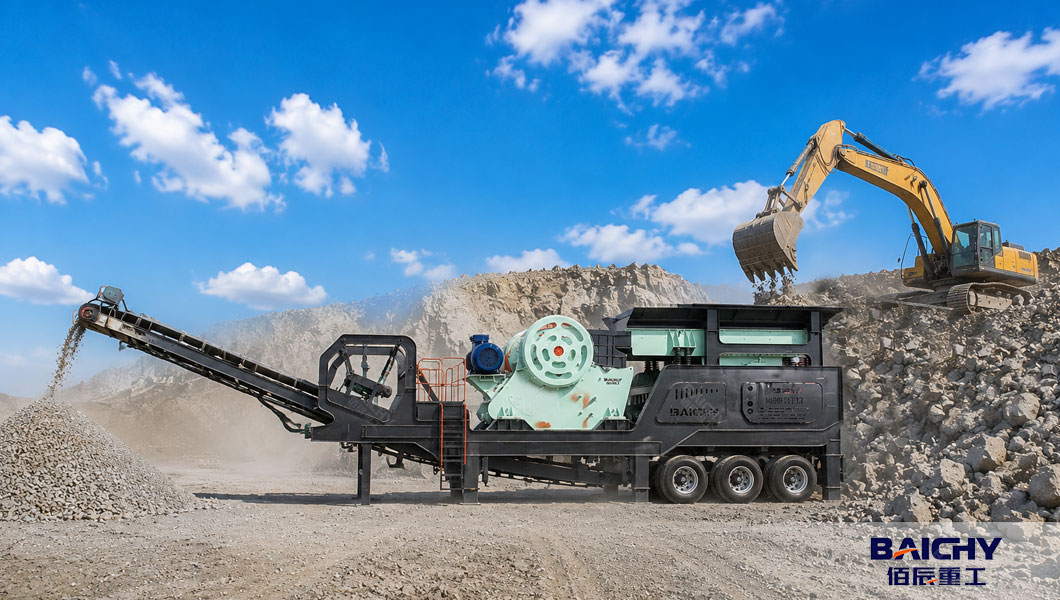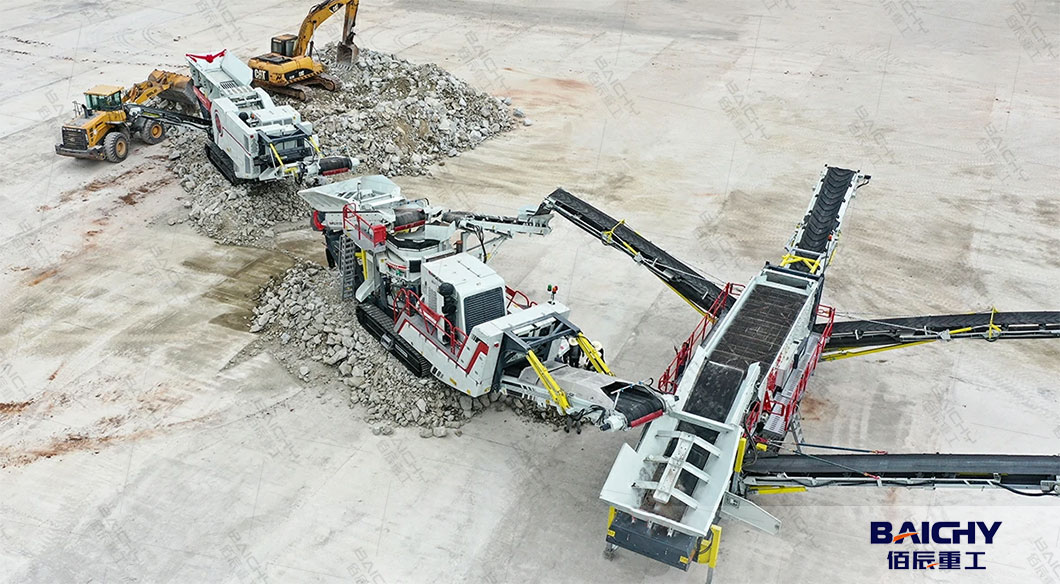
In the modern mining and construction landscape, the shift from stationary production lines to mobile stone crusher plants has revolutionized onsite efficiency. However, while mobility offers flexibility, it brings a unique set of operational headaches. From soaring fuel prices to unexpected downtime, contractors and quarry owners are constantly looking for ways to optimize their fleets.

In this guide, we break down the most critical pain points in mobile crushing and the cutting-edge solutions that are defining industry success in 2026.
The Pain Point:
The initial investment for a high-capacity mobile crusher is significantly higher than a stationary unit. Furthermore, diesel-driven plants are vulnerable to fuel price volatility, often consuming a massive portion of the daily operating budget.
The Solution: Hybrid and Dual-Power Systems
Modern manufacturers are pivoting toward Dual Power (Hybrid) technology. By allowing the plant to plug into the local grid where available, operators can slash energy costs by up to 50-70%. Even when grid access is limited, intelligent fuel-saving modes reduce engine RPM during idling, ensuring every drop of diesel counts.
The Pain Point:
To maintain mobility, these plants are designed to be compact. This often results in a "packaging" problem where internal components are difficult to reach, turning a simple liner change into a multi-day ordeal.
The Solution: IoT-Driven Predictive Maintenance
The integration of Telematics and IoT sensors is a game-change. By monitoring vibration, oil pressure, and heat in real-time, systems can predict a component failure before it happens. Coupled with modular "tilt-out" designs, maintenance crews can now access the crusher core and conveyors with far less disassembly, reducing downtime by up to 40%.
The Pain Point:
Moving a "mobile" plant isn't always easy. Overweight and oversized units require expensive transport permits and specialized low-boy trailers. Additionally, some plants take days to assemble once they reach the new site.
The Solution: Hydraulic Folding and "Plug-and-Play" Design
Leading-edge mobile crushers now feature hydraulically foldable conveyors and hopper walls. This allows the entire plant to collapse into a standard transport profile within minutes. The best-in-class units are now "Plug-and-Play," enabling operators to go from transport mode to full production in under 30 minutes.
The Pain Point:
As urban centers expand, crushing sites are increasingly close to residential areas. Strict environmental regulations regarding dust emissions and noise levels can lead to heavy fines or site shutdowns.
The Solution: High-Pressure Mist and Acoustic Enclosures
Gone are the days of simple water hoses. Today’s plants use integrated high-pressure atomized misting systems at discharge points, capturing 95% of dust with minimal water usage. For noise, manufacturers now offer acoustic engine shrouds and insulated conveyor covers that keep decibel levels within strict municipal limits.
The Pain Point:
In mobile setups, limited screening area and inconsistent feed rates can lead to poor aggregate shape (excessive "flaky" or elongated particles), which decreases the market value of the final product.
The Solution: Auto-Load and "Choke-Feed" Automation
Automation systems like Load Sense now automatically adjust the feeder speed based on the crusher’s cavity level. By maintaining a "Choke-Feed" (keeping the cavity full), the material-on-material crushing action significantly improves the cubicity and quality of the aggregate, ensuring it meets the highest construction standards.
While the challenges of operating a mobile stone crusher plant are real, the technology to solve them is already here. By investing in hybrid power, predictive maintenance, and intelligent automation, mining and construction firms can transform these pain points into competitive advantages.
Save Time! Get A Detailed Quotation Quickly.