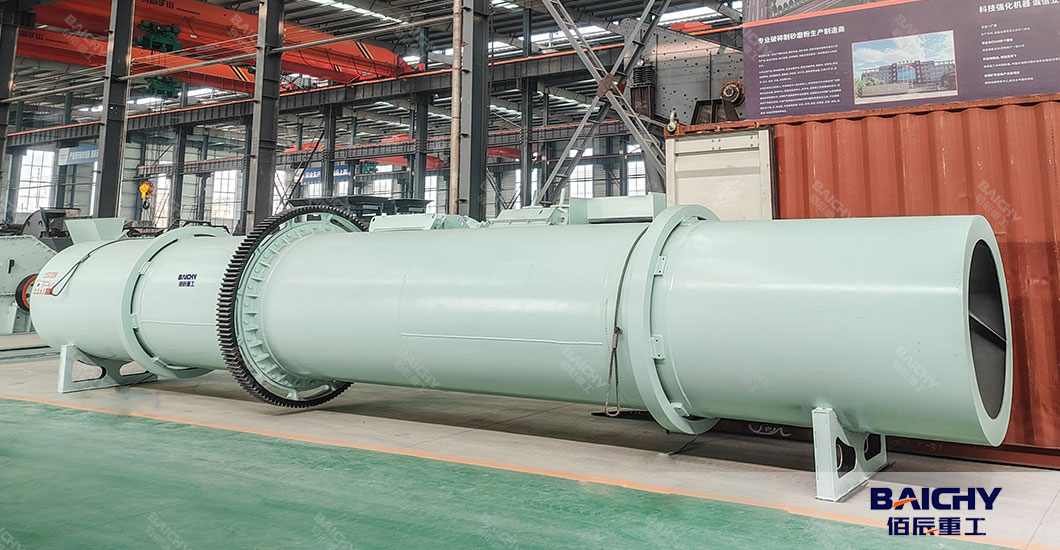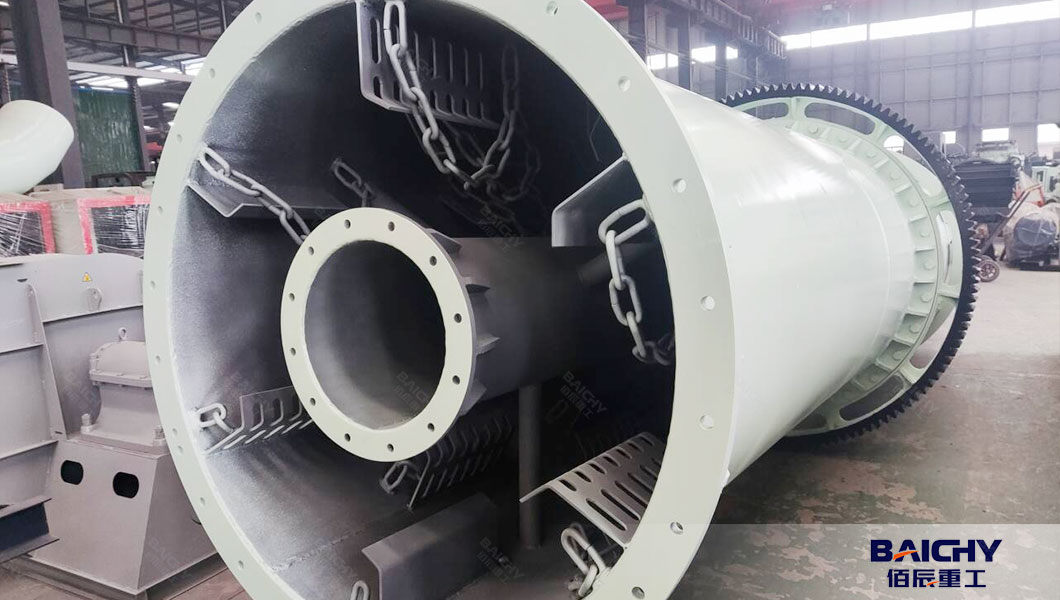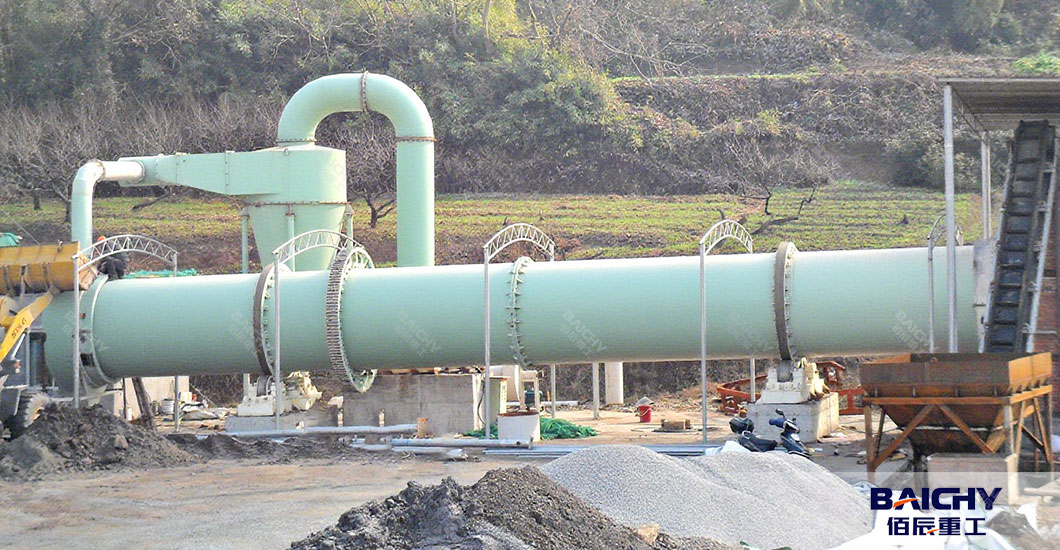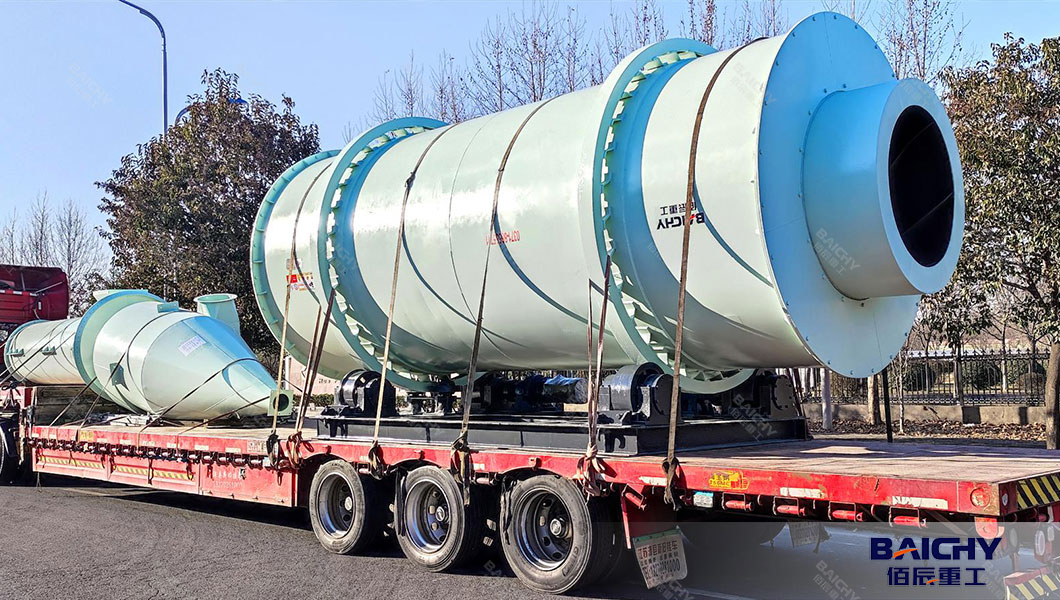
Rotary dryers are widely used in mining, construction, and chemical industries to reduce moisture content in bulk materials. Among them, Direct Heat Rotary Dryer and Indirect Heat Rotary Dryer are the two most common types. Although they look similar in structure, their heating methods, efficiency, and application scenarios are quite different. Understanding these differences helps operators choose the right drying solution for maximum productivity and energy efficiency.
A Direct Heat Rotary Dryer uses hot gas that directly contacts the material inside the rotating drum. The heat source usually comes from a burner, and hot air flows through the drum together with the material.
A Direct Heat Rotary Dryer works by allowing hot gases to directly contact the material inside a rotating drum. The material is lifted and mixed as the drum rotates, while hot air flows through it, quickly evaporating moisture. This type offers high thermal efficiency and fast drying speed, making it widely used in mining, construction, and bulk material industries such as sand drying and limestone processing. It is ideal for high-capacity production but may not be suitable for heat-sensitive materials due to direct exposure to combustion gases.
Advantages
● High thermal efficiency
● Faster drying speed
● Suitable for large-scale continuous production
● Lower operating cost per ton
Disadvantages
● Not suitable for heat-sensitive materials
● Dust control system required
● Slight risk of material contamination

An Indirect Heat Rotary Dryer transfers heat through the drum wall without direct contact between hot gas and material. Heat is applied externally, usually via burners or steam jackets.
In contrast, an Indirect Heat Rotary Dryer transfers heat through the outer wall of the drum without direct contact between hot gases and the material. Heat is applied externally, and the material is dried by conduction. This method provides a cleaner drying process with no contamination from flue gases. It is commonly used for fine powders, chemical materials, pharmaceutical products, and sludge drying where purity and temperature control are important. However, it has lower thermal efficiency and a slower drying rate compared to direct heating systems.
Advantages
● No contamination from flue gases
● Ideal for fine, toxic, or sensitive materials
● Better control of drying temperature
● Cleaner and more controlled process
Disadvantages
● Lower thermal efficiency compared to direct heating
● Higher equipment cost
● Slower drying rate

Material is continuously fed into a rotating drum. Depending on the system type: Direct heat: hot air passes through material directly. Indirect heat: heat transfers through drum wall
| Feature | Direct Heat Rotary Dryer | Indirect Heat Rotary Dryer |
| Heating Method | Direct contact with hot gas | Heat through drum wall |
| Efficiency | Higher | Lower |
| Drying Speed | Faster | Slower |
| Material Contact with Gas | Yes | No |
| Contamination Risk | Higher | Very low |
| Best For | Sand, limestone, ore | Chemicals, fine powders, sensitive materials |
● EPC turnkey project support
● Customized capacity design (5–300 TPH)
● Energy-saving combustion system
● Wear-resistant rotary drum design
● Stable continuous operation
● Global installation & after-sales service
Baichy provides complete drying plant solutions, including crusher, conveyor, feeding system, and drying integration. Get a professional drying solution today from Baichy engineering team.

A: The main difference is the heating method. A direct heat rotary dryer allows hot gases to contact the material directly, resulting in faster drying. An indirect heat rotary dryer heats the material through the drum wall without direct contact, providing a cleaner and more controlled drying process.
A: The direct heat rotary dryer is generally more efficient in terms of energy use and drying speed. It is widely used in mining and construction industries for large-scale materials like sand, limestone, and ore. However, efficiency also depends on material type and process requirements.
A: Choose a direct heat rotary dryer for high-capacity, non-sensitive materials that require fast and cost-effective drying. Choose an indirect heat rotary dryer for heat-sensitive, fine, or high-purity materials that need contamination-free and precise temperature control.
Save Time! Get A Detailed Quotation Quickly.