During the sand drying process, moisture in the sand evaporates as the material passes through the dryer, producing significant amounts of water vapor. If not properly managed, this vapor can cause equipment corrosion, reduce dryer efficiency, increase energy consumption, and pose environmental and safety risks. Proper water vapor management is essential for both small-scale and industrial sand drying operations. By controlling vapor, facilities can maintain product quality, comply with environmental regulations, and improve overall energy efficiency.
Common Challenges Caused by Water Vapor
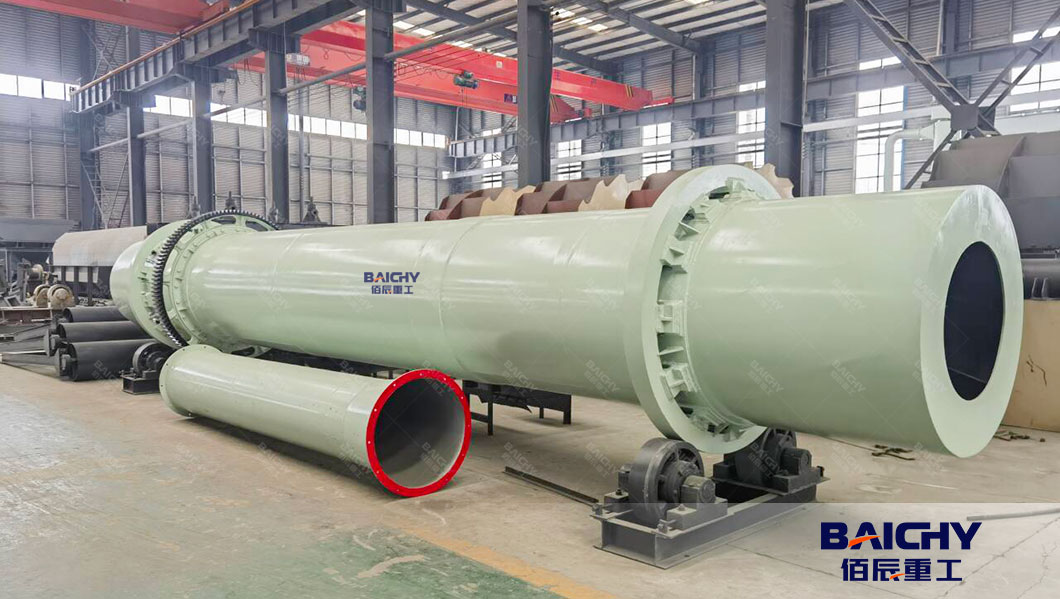
Before diving into solutions, let’s understand why proper water vapor handling matters. Sand dryers—whether small-scale units for quartz sand or river sand, or large systems in industrial production lines—evaporate moisture from sand by heating it with dry air. As temperatures rise, the air’s water-holding capacity increases drastically: at 20°C, 1 cubic meter of air can hold around 17 grams of water, but this jumps to 420 grams at 90°C. Without proper handling, this moisture-laden air can:
● Equipment corrosion: Moisture condenses on metal surfaces, damaging the dryer, ducts, and downstream equipment.
● Reduced drying efficiency: High humidity slows the drying process, increasing energy use.
● Environmental and safety risks: Excess vapor can lead to dust accumulation, mold growth, and workplace hazards.
Addressing these challenges requires a combination of engineering solutions and operational controls.
4 Effective Methods to Handle Sand Dryer Water Vapor
1. Adopt a Closed-Building Layout for Sealed Control
The foundation of effective water vapor management lies in sealed, eco-friendly closed-building layouts—a standard practice for modern concrete mixing plants and environmental sand drying lines. By housing the entire sand drying process (including crushers, classifiers, and dryers) in a closed structure, you can:
● Prevent water vapor from escaping into the surrounding environment.
● Reduce cross-contamination with dust and external humidity.
● Create a controlled space for centralized vapor treatment.
This layout not only controls water vapor but also eliminates dust emissions and noise pollution, aligning with global environmental compliance requirements.
2. Install High-Pulse Dust Collectors for Centralized Treatment
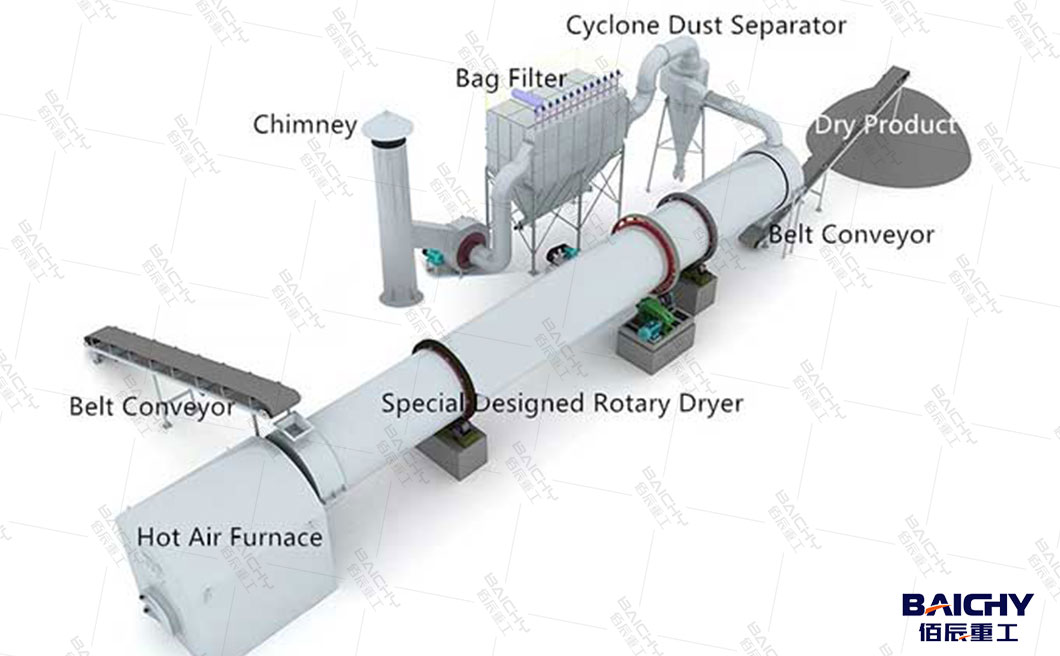
High-pulse dust collectors are not just for dust removal—they’re a critical tool for water vapor management. These systems, installed at multiple strategic points in the production line, work by:
● Capturing the mixture of water vapor and dust generated during drying.
● Condensing and separating water vapor from the air stream.
● Collecting residual moisture for safe disposal or recycling.
Opt for high-efficiency models designed for sand drying applications, as their multi-point placement ensures no vapor or dust slips through the cracks. This method is particularly effective for industrial-scale operations aiming for zero-emission goals.
3. Optimize Temperature Control to Balance Evaporation and Vapor Capacity
Temperature regulation is key to controlling water vapor production and handling it efficiently. Here’s how to do it right:
● Raise temperatures within safe limits: Increasing the drying medium’s temperature (without exceeding the sand’s chemical stability threshold) boosts the air’s water-holding capacity. This allows the hot air to carry more vapor away from the sand, reducing condensation.
● Avoid overheating: Excessively high temperatures can alter the sand’s physical and chemical properties, rendering it unusable for applications like concrete production. Always follow the manufacturer’s guidelines for temperature ranges (typically based on sand type: quartz sand, river sand, etc.).
● •Match temperature with rotation speed: Adjust the dryer’s rotation speed to control the sand’s residence time. A balanced combination of temperature and speed ensures steady moisture evaporation, making it easier for the system to handle vapor.
4. Fine-Tune Equipment Parameters for Steady Vapor Release
Small adjustments to your sand dryer’s operating parameters can make a big difference in vapor management:
● Control air flow rate: While most dryers are designed with optimal air flow, ensuring the air volume matches the moisture load prevents vapor buildup. Avoid arbitrary increases in air flow—stick to calculated consumption standards for efficiency.
● Monitor moisture levels: Use real-time moisture sensors to track the sand’s moisture content. Once it reaches the target level, adjust the dryer’s temperature or speed to reduce excess vapor production.
Final Tips for Successful Water Vapor Management
1.Regularly maintain your high-pulse dust collector to ensure it functions efficiently (e.g., clean filters, check condensation pans).
2.Calibrate temperature sensors and moisture meters regularly for accurate readings.
3.Train your team on proper operating procedures—avoid overheating or adjusting parameters without following guidelines.
4.Consult with sand dryer manufacturer to tailor these methods to your specific equipment and sand type.
By implementing these methods, you can effectively handle water vapor from sand dryers, improve operational efficiency, and ensure compliance with environmental standards. Whether you’re a small-scale operator or a large industrial facility, these solutions will help you overcome water vapor challenges and achieve sustainable sand drying operations.
People Also Frequently Asked For - FAQ
1. How can I reduce water vapor from my sand dryer without damaging the sand quality?
Answer: Control the heat medium temperature and air flow inside the dryer. Increasing temperature accelerates water evaporation, but do not exceed the equipment’s design limits to avoid changing the sand’s physical or chemical properties.
2.Can dust collectors help manage water vapor in sand drying?
Answer: Yes. High-pulse dust collectors capture fine particles and a portion of water vapor, reducing humidity in the facility and improving air quality while maintaining a cleaner, safer working environment.
3.Are there process improvements to minimize water vapor before it reaches the dryer?
Answer: Pre-shaping, grading, and moisture adjustment of sand can reduce uneven drying and excessive vapor generation. Optimizing the workflow ensures efficient drying and less environmental impact.




 2026-09-18






 86-15093113821
 86-15093113821