Gypsum, a naturally occurring mineral, is crucial in various industries, primarily in construction, agriculture, and manufacturing. Whether for plaster, wallboard, or other products, turning gypsum into fine powder is a necessary step. This guide dives deep into the different machines used for grinding gypsum—vertical roller mills (VRM), Raymond mills, and ball mills—and provides insights on selecting the best equipment, optimizing energy use, and managing operational costs for high-quality gypsum powder production.
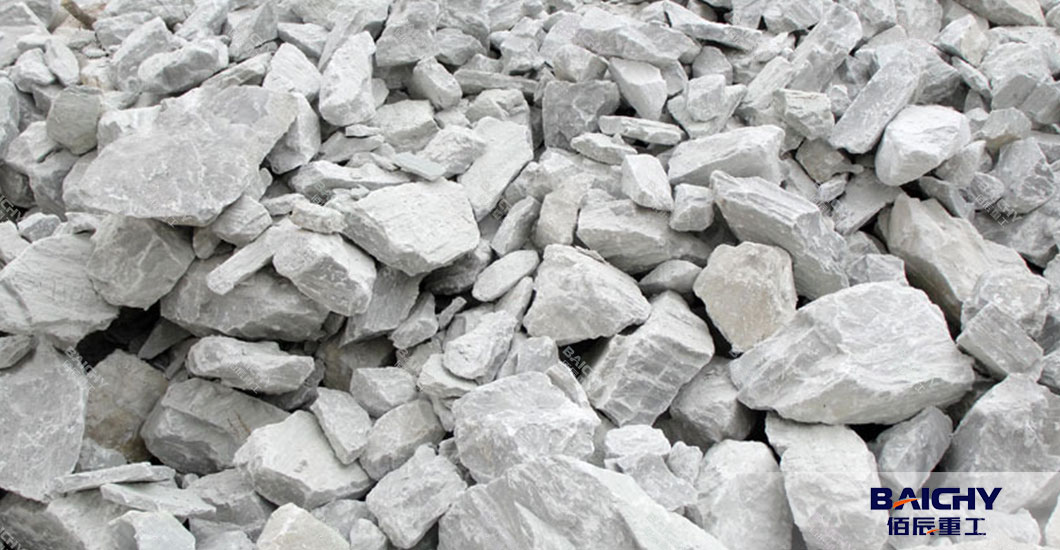
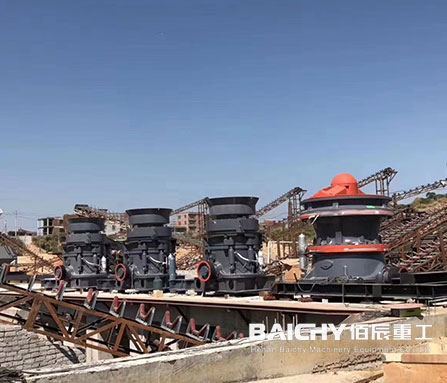
Gypsum Rocks
Stage 1: Core Technology and Process Matching (Deciding “Whether It Can Be Used”)
Choosing the Right Grinding Equipment
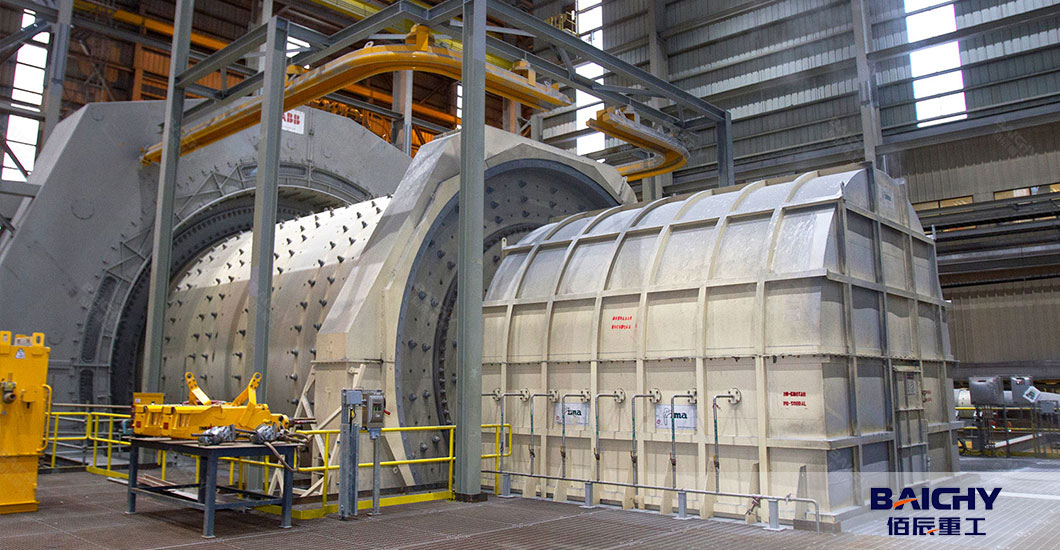
Selecting the best grinding equipment is a fundamental step in gypsum processing. Each machine—VRM, Raymond mill, and ball mill—offers distinct advantages, depending on the production requirements. For large-scale gypsum operations (e.g., 100,000 tons per year), vertical roller mills (VRM) stand out for their energy efficiency and higher production capacity. VRMs also offer better product quality, making them ideal for high-demand processing. In contrast, Raymond mills are more affordable and suitable for lower-volume processing but come with limitations in terms of energy consumption and product consistency. Ball mills, while highly reliable, are typically used for smaller-scale operations.
Handling Moisture in Raw Materials
Gypsum often contains moisture, particularly when sourced from power plant desulfurization processes. Raw gypsum can have a moisture content ranging from 10% to 15%, which poses a challenge in the grinding process. Ideally, you want a system that can grind and dry the material simultaneously, thereby eliminating the need for a separate drying step. VRMs (Vertical Roller Mill) are especially effective in this regard, as they can handle both grinding and drying in one system. This capability ensures continuous production without the need for additional drying equipment, ultimately reducing operational costs.
Fineness and Particle Size Distribution Control
Gypsum powder quality is determined not only by its fineness but also by its particle size distribution. When high fineness is required—such as achieving a 200-mesh powder with 95% passing—a system capable of precise control over particle size distribution is essential. Raymond mills equipped with advanced air classifiers are an excellent option, as they can efficiently control particle sizes, ensuring consistent product quality. The ability to maintain specific particle size distribution directly impacts gypsum’s behavior in downstream applications, particularly its setting time in construction materials.
Integration with Calcination Processes
The calcination process, where gypsum is heated to produce plaster or other derivatives, can significantly affect the choice of grinding equipment. If you’re using a "grind first, then burn" method, you will need a grinding system that can produce a uniform powder suitable for calcination. On the other hand, in a "burn first, then grind" approach, the quality of the gypsum material post-burn will influence the type of mill needed. Additionally, for processes such as fry pan calcination, it's essential to control the outlet temperature of the grinding mill to prevent over-heating of gypsum, which can negatively affect its properties.
Understanding Actual Production Capacity
The nominal output capacity provided by manufacturers is typically based on grinding materials like limestone, which have a hardness of about 3 on the Mohs scale. Gypsum, being softer (Mohs hardness of 2-3), usually has a different grindability. Therefore, the actual production capacity of the grinding machine may differ when processing gypsum. Manufacturers' output figures often need to be adjusted based on the actual characteristics of the gypsum feedstock, including its hardness, moisture content, and particle size distribution.
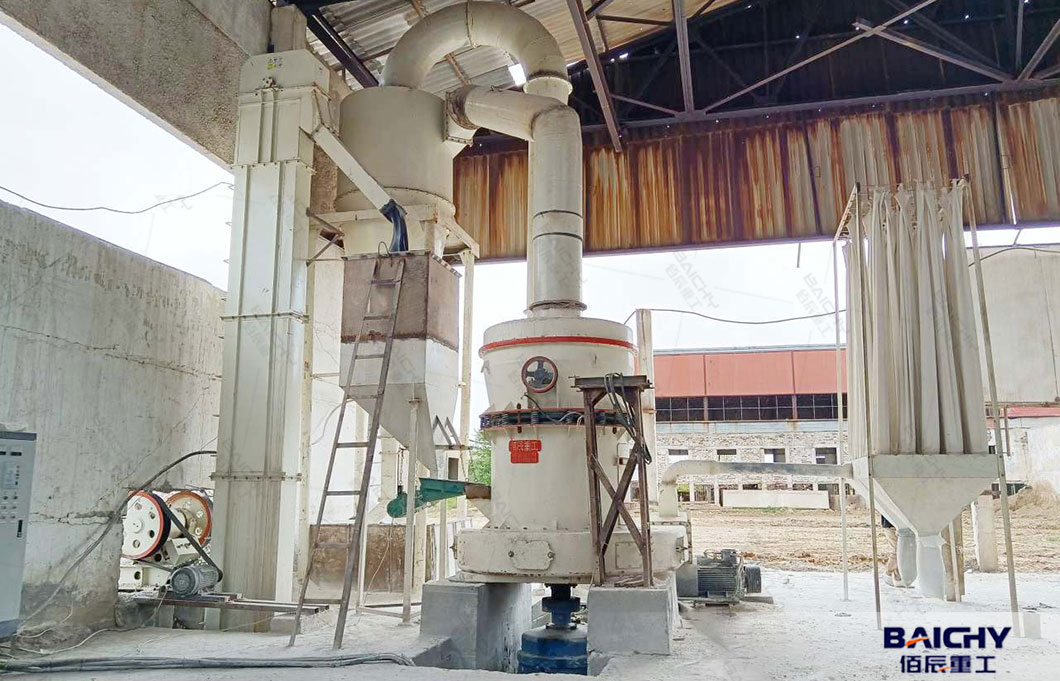
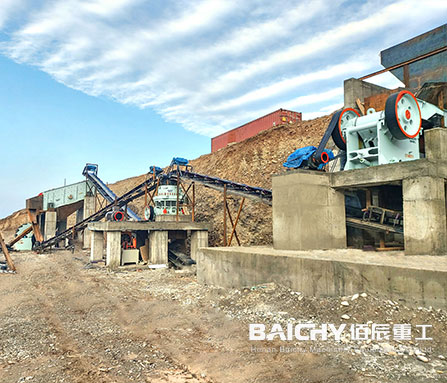
Raymond Mill for Gypusm Powder Produciton
Stage 2: Energy Consumption and Operating Costs (Deciding “Profitability”)
Energy Efficiency of Gypsum Grinding Systems
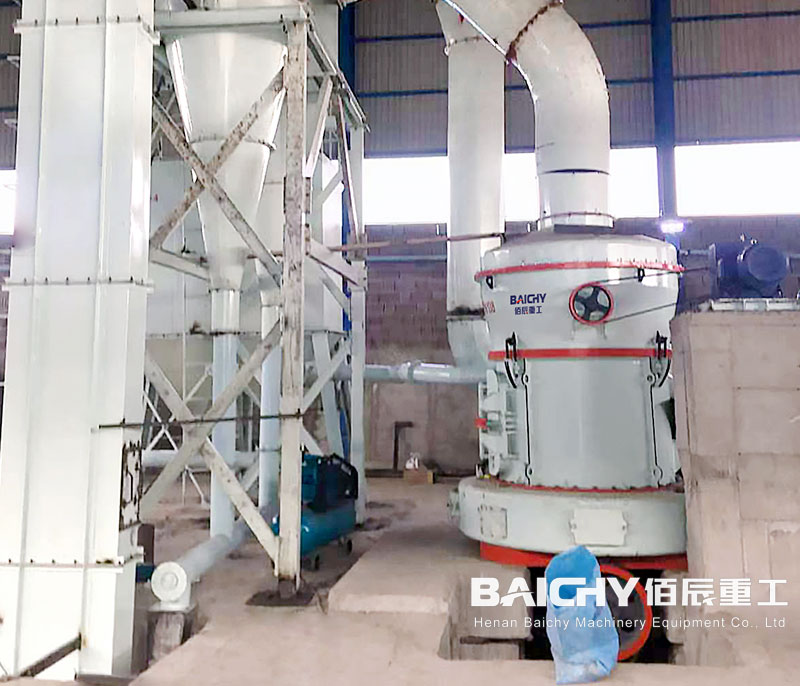
Energy consumption is one of the most significant operational costs in gypsum production. Gypsum grinding mills typically consume a considerable amount of electricity. Vertical roller mills (VRMs) are known for their superior energy efficiency compared to Raymond mills, especially when producing fine powders such as 325-mesh gypsum. The energy savings from using VRM systems can be substantial, potentially offsetting the higher initial cost of the equipment over the mill's lifecycle. In fact, over a 10-year period, the reduced energy consumption of a VRM can lead to significant cost savings.
Wear Part Lifespan and Material Selection
In grinding operations, wear parts like grinding rollers and rings are subjected to high stress and abrasion, requiring regular replacement. The lifespan of these components can vary significantly depending on the material being processed. For gypsum, grinding rollers and rings typically need to be replaced after 2,000 to 5,000 hours of operation. The material used for wear parts is critical. High manganese steel and chrome alloy are the two primary materials used for these components, each with its own advantages. High manganese steel is more cost-effective but wears faster, while chrome alloy is more durable, offering a longer lifespan and better performance in high-demand operations.
Maintenance Requirements and Downtime
While choosing a grinding system, it's also essential to consider the maintenance requirements. Maintenance downtime can impact production schedules and overall profitability. Replacing grinding rollers, for example, typically requires several hours of downtime, during which production stops. Systems with automated lubrication features can reduce the need for manual maintenance and minimize downtime. However, such systems may come with a higher upfront cost. Regular maintenance of wear parts and the availability of spare parts are key factors in reducing long-term operational costs.
System Sealing and Air Leakage Control
Effective sealing in grinding systems is essential for ensuring the efficient operation of the mill. A high air leakage rate can lead to significant losses in product yield and a decrease in the whiteness of gypsum powder, a crucial quality characteristic for many applications. To prevent this, it's important to choose a mill with excellent sealing performance. Systems with high sealing efficiency ensure better collection rates and higher-quality end products.
Optimizing Power Consumption with Variable Frequency Drives (VFDs)
Many modern gypsum grinding mills come equipped with variable frequency drives (VFDs). VFDs allow for precise control of motor speeds, enabling energy savings during partial load conditions. By optimizing motor performance based on load demands, VFDs can significantly reduce electricity consumption, especially during periods of low demand. This not only lowers operational costs but also extends the lifespan of the equipment.
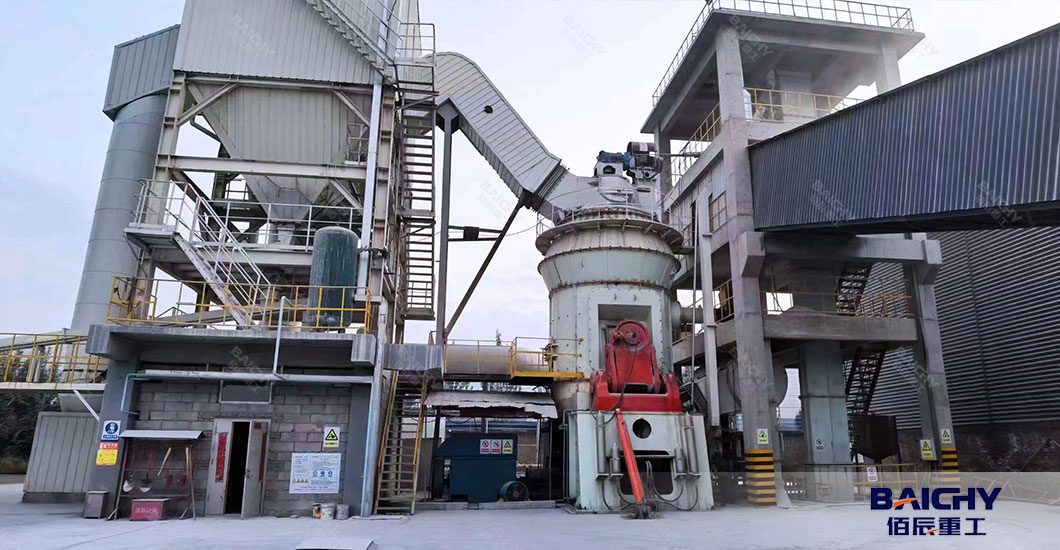
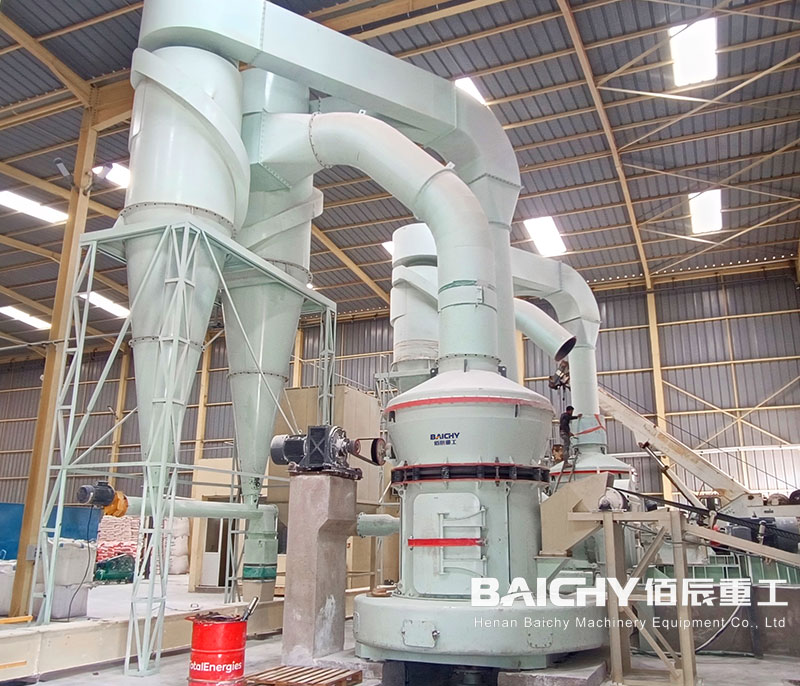
Vertical Roller Mill for Gypsum Powder Production
Stage 3: Brand, Price, and Service (Deciding “Which Brand to Buy”)
Top Brands for Gypsum Grinding Equipment
When selecting gypsum grinding equipment, it's essential to choose a reputable brand that is known for producing durable, high-quality machines. Leading manufacturers include Loesche, Gebr. Pfeiffer, and FLSmidth, which are well-regarded for their vertical roller mills (VRMs). These brands have proven track records in gypsum processing, providing reliable performance and advanced technology. When investing in high-quality machinery, it's essential to consider the brand’s reputation, as well as the quality of customer support and service.
Price Range for Gypsum Grinding Systems
The cost of gypsum grinding equipment varies widely depending on the type of machine and system configuration. For example, a complete vertical roller mill system capable of processing 15-20 tons per hour may range from $300,000 to $500,000. While VRMs have a higher initial investment, their energy efficiency and long-term performance can make them more cost-effective than other options. It’s essential to weigh the upfront cost against the potential for reduced energy consumption and maintenance costs over the machine's lifespan.
Spare Parts and After-Sales Support
After-sales service and spare parts availability are crucial considerations when purchasing gypsum grinding equipment. It’s important to choose a manufacturer with a strong support network and readily available spare parts. Many leading manufacturers provide dedicated warehouses in various regions, ensuring quick delivery of critical components, such as reducers or classifiers, minimizing downtime. Some brands also offer training and support for maintenance staff, ensuring smooth operations.
Turnkey Services and Installation
Many top manufacturers offer turnkey solutions, providing complete support from installation to commissioning. Turnkey services are particularly useful for large-scale operations that need fast and efficient setup. The installation period can vary, but it typically takes a few weeks to months depending on the complexity of the system. It’s essential to inquire about the estimated installation time and support provided by the manufacturer.
Second-Hand Market Value
Investing in high-quality equipment from leading brands can also be beneficial in terms of residual value. After several years of operation, top-tier brands tend to retain a higher resale value compared to second-tier brands. The difference in second-hand market value can be substantial, making high-quality brands a better long-term investment for businesses looking to maximize their return on investment.
Stage 4: Environmental Protection, Automation, and Digitalization (Deciding “Compliance and Future”)
Environmental Emission Compliance
Environmental concerns are increasingly important in gypsum processing, especially regarding dust and particulate emissions. Many modern grinding systems are equipped with advanced pulse dust collectors, which ensure that dust emissions remain below 10mg/m³, making them compliant with strict environmental regulations in various regions. Ensuring that your gypsum grinding system meets these standards is crucial to avoid penalties and maintain sustainable operations.
Noise Control and Impact
Gypsum grinding mills can generate significant noise during operation, which may require additional measures to meet local noise regulations. Depending on the mill type, additional soundproofing measures may be required to pass environmental assessments. Checking the decibel levels of the mill before installation can help avoid costly modifications later.
Advanced Automation and Digitalization
The future of gypsum processing lies in automation and digital technologies. Modern grinding systems often feature smart control systems that allow for remote monitoring and adjustments. These systems can also include features like one-touch start/stop, material shortage alerts, and real-time performance analytics. Implementing automation not only improves operational efficiency but also reduces the potential for human error and increases safety.
Space and Infrastructure Considerations
When comparing equipment options, space requirements and civil engineering costs must be considered. VRMs generally require less floor space than ball mills, but their design may require a higher building height. Careful planning of the facility layout is essential to ensure that the chosen equipment fits within the available space while meeting operational and regulatory requirements.
Maintaining Gypsum Powder Quality
One key concern during the grinding process is maintaining the whiteness of gypsum powder. Mechanical friction during grinding can cause metal contamination, which may negatively affect the final product’s whiteness. To mitigate this, many manufacturers offer anti-pollution liners made from wear-resistant materials that prevent contamination, ensuring that the gypsum powder maintains high quality throughout production.
Selecting the right equipment for gypsum grinding is a critical decision that impacts both the quality and efficiency of your gypsum processing operations. Whether choosing a vertical roller mill, Raymond mill, or ball mill, understanding each machine’s advantages, energy efficiency, maintenance needs, and environmental compliance is essential for making an informed choice. By considering these factors, businesses can optimize their production processes and ensure long-term profitability and sustainability in the gypsum industry.




 2026-10-24





 86-15093113821
 86-15093113821