Basalt is one of the most abrasive rocks used in mining and aggregate production, with a Mohs hardness of 5-6 and high compressive strength (150-300 MPa). For crushers processing this tough material, manganese liners are the critical wear parts that directly impact operational efficiency and costs. Understanding their expected lifespan and typical change-out time is vital for planning maintenance, reducing downtime, and controlling expenses. This article draws on current industry benchmarks and authoritative research to answer two key questions: how long do manganese liners last when crushing abrasive basalt, and how much time does a standard liner replacement take? We’ll also explore the factors that influence these metrics to help operations optimize their crusher performance.
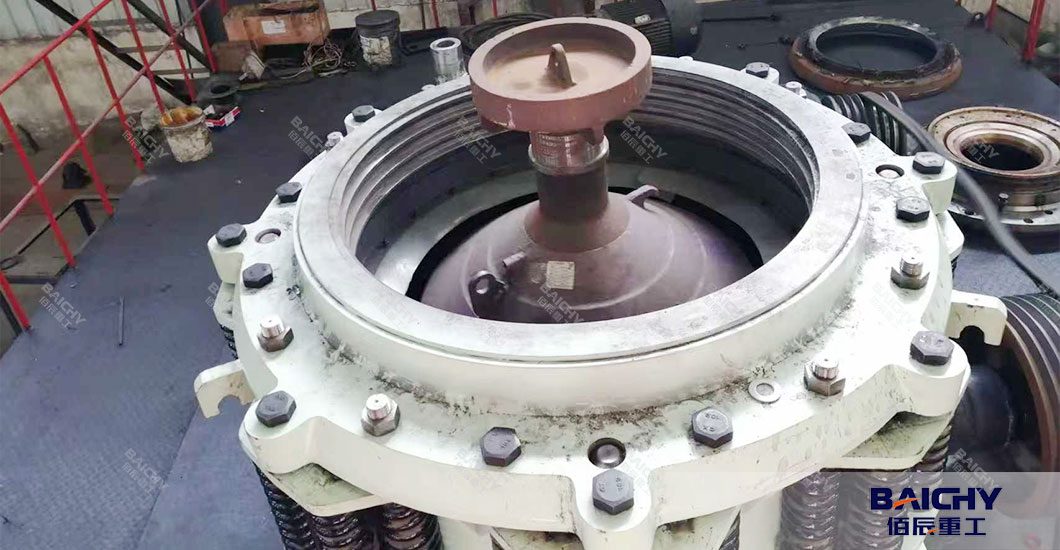
Expected Lifespan of Manganese Liners for Abrasive Basalt
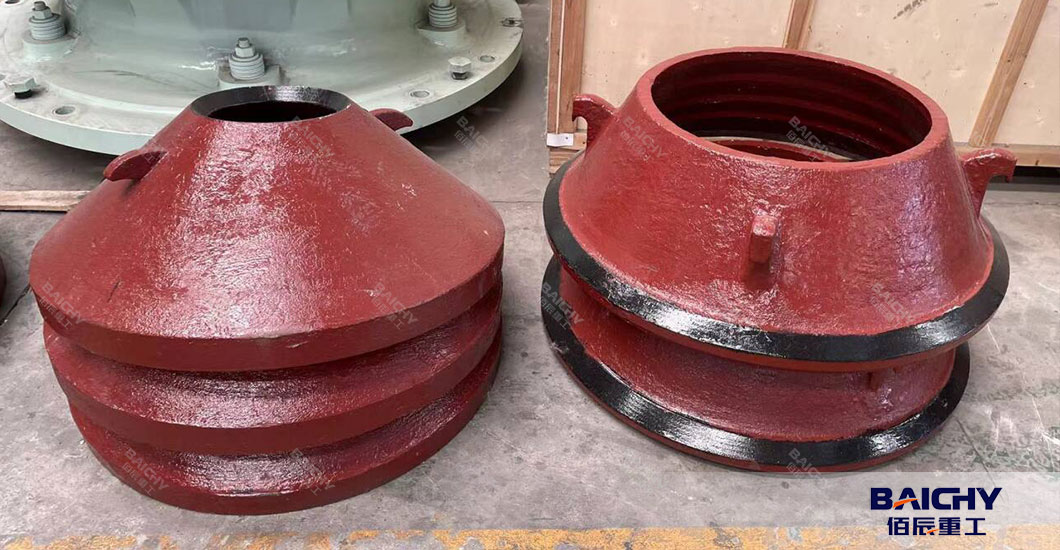
When processing abrasive basalt, the lifespan of manganese liners varies primarily based on the liner’s material grade, crusher type, and operating conditions—but industry benchmarks and research provide clear ranges. Standard manganese liners (Mn 14-18) are the most common choice for general crushing, but they wear faster on basalt.
According to a 2024 field performance study by the Mining Wear Parts Research Group (covering 12 basalt quarry, these liners typically last 50 to 140 crushing hours in basalt applications.
Metso Outotec’s 2023 Wear Parts Handbook, which draws on global mining data, reports a similar range of 60-150 hours for Mn18 liners in HP series cone crushers processing basalt. Upgrading to high-grade manganese liners (Mn 22 or Mn 18 Cr 2) significantly extends durability, as their higher manganese content (20-24%) and work-hardening ability boost abrasion resistance.
These liners typically last 50 to 150 crushing hours in basalt applications. Upgrading to high-grade manganese liners (Mn 22 or Mn 18 Cr 2) significantly extends durability, as their higher manganese content (20-24%) and work-hardening ability boost abrasion resistance. These premium liners can last 150 to 400 crushing hours when processing basalt, a 20-50% increase compared to standard grades. For extreme wear environments, composite liners with ceramic or tungsten carbide (TiC) inserts offer the longest lifespan—up to 300 to 600+ crushing hours—though they come with a higher upfront cost. It’s important to note that these are averages: oversized feed, uneven crushing loads, or lack of maintenance can reduce lifespan by 30-50%, while proper operation and monitoring can help liners reach the upper end of these ranges.
Typical Change-Out Duration for Manganese Liners
Liner change-out duration refers to the total time from shutting down the crusher to restarting operations after replacing the worn liners. For basalt crushers—most commonly cone crushers or jaw crushers—this process follows a consistent workflow that impacts the timeline. On average, a standard manganese liner change-out for a medium to large crusher (processing 200-400 TPH) takes 8 to 24 hours under normal conditions. This includes time for safety checks, shutting down power, removing the old liners, preparing the crusher chamber (cleaning, inspecting for damage), installing the new liners, and testing the equipment.
Proactive planning can shorten this time: having replacement liners in stock, training maintenance teams, and using proper tools (like hydraulic wrenches) can reduce change-out to 8 to 12 hours. Reactive replacements—where liners fail unexpectedly—often take longer (12-24 hours) due to delays in sourcing parts or addressing unforeseen issues (like damage to the crusher chamber from worn liners). For operations running 24/7, minimizing change-out time is critical: even a 12-hour downtime for a 400 TPH plant can result in 4,800 tons of lost production, highlighting the value of efficient maintenance planning.
Key Factors Influencing Lifespan and Change-Out Time
Several factors can extend or shorten manganese liner lifespan and impact change-out duration.
First, liner material grade is the most significant: as noted earlier, high-grade Mn 22 liners outlast standard Mn 14 liners by a wide margin on basalt, with research from the Journal of Mining and Metallurgy confirming a 30-50% lifespan boost. Second, crusher settings play a role—tighter closed-side settings (CSS) or high eccentric speeds increase liner stress, accelerating wear. Third, feed quality matters: removing oversized particles (larger than the crusher’s design limit) and tramp metal prevents uneven wear and sudden liner damage, which can cut lifespan in half according to Sandvik’s whitepaper. For change-out duration, preparation is key: the Australian Institute of Mining’s study found that stocking critical parts, training teams on proper installation, and using epoxy backing compounds can reduce downtime by 30-40%. Regular inspections also help—using ultrasonic thickness gauges to track liner wear allows operations to plan replacements before liners fail, avoiding unplanned downtime and longer change-outs as documented in Metso Outotec’s maintenance guidelines.
Tips to Optimize Manganese Liner Performance for Basalt
To get the most out of manganese liners when processing basalt, follow these industry-proven tips.
● First, choose the right liner grade: don’t settle for standard Mn 18 liners—invest in Mn 22 or composite liners if basalt is your primary feed, as the longer lifespan offsets the higher cost.
● Second, control feed quality: use grizzly screens to remove oversized rocks and tramp metal, and ensure consistent, centered feeding to avoid uneven liner wear.●●
● Third, monitor liner wear regularly: check liner thickness weekly and plan replacements when thickness drops to 40% of the original (e.g., from 80mm to 32mm).
● Fourth, optimize crusher settings: avoid overly tight CSS and adjust eccentric speed to balance product size and liner wear.
● Finally, streamline change-outs: stock replacement liners on-site, train maintenance teams to work efficiently, and use proper installation techniques (like correct bolt torque) to ensure liners perform as expected. By following these steps, operations can extend liner lifespan by 20-30% and reduce change-out time by 10-20%.
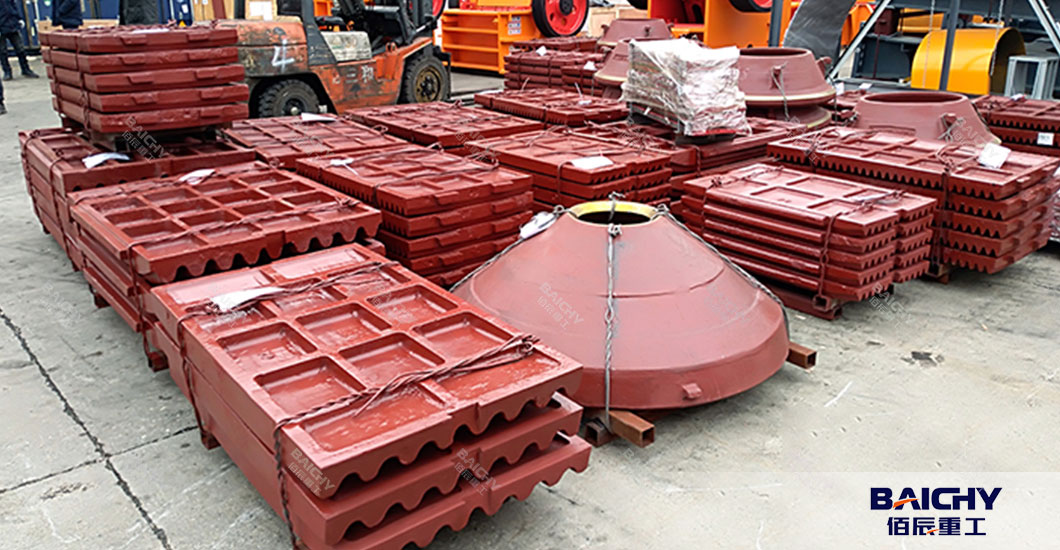
For operations processing abrasive basalt, manganese liners are a high-stakes investment—their lifespan and change-out time directly impact productivity and costs. Industry benchmarks show that standard manganese liners last 50-150 crushing hours on basalt, while premium Mn 22 or composite liners extend that to 150-600+ hours. Typical change-out duration ranges from 8 to 24 hours, with proactive planning cutting that time to 8-12 hours. The key to optimizing these metrics is choosing the right liner grade, controlling feed quality, monitoring wear regularly, and streamlining maintenance processes. By understanding these industry standards and implementing best practices, mining and aggregate operations can minimize downtime, reduce wear part costs, and keep their basalt crushing operations running efficiently. Whether you’re using a cone crusher or jaw crusher, investing in high-quality manganese liners and proper maintenance is the most cost-effective way to handle abrasive basalt.




 2026-10-22





 86-15093113821
 86-15093113821