Kenya’s gold mining sector is thriving, with small-scale prospectors and large mining companies alike seeking efficient ways to extract and process gold ore. The most critical investment is a reliable
gold crusher machine. But navigating gold crusher machine prices in Kenya can be challenging—prices vary widely based on machine type, capacity, power source (motor vs. diesel), and supplier, while hidden costs like import duties often catch buyers off guard.
Whether you’re a small-scale miner in Western Kenya’s gold belts or a large operation in Kakamega, this guide breaks down 2026 gold crusher prices, motor/diesel specifications, target applicable scenarios, and tips to get the best value. We’ll cover everything from budget-friendly mini crushers to industrial-grade systems, ensuring you make an informed purchase.
Gold Crusher Machine
Key Gold Crusher Types & Their Prices in Kenya (2026)
Gold crushers in Kenya are categorized by their use (primary, secondary, tertiary), mobility, and power source (electric motor or diesel engine). Below are the most common types with updated price ranges (USD), detailed power specs, and Target Applicable Scenarios:
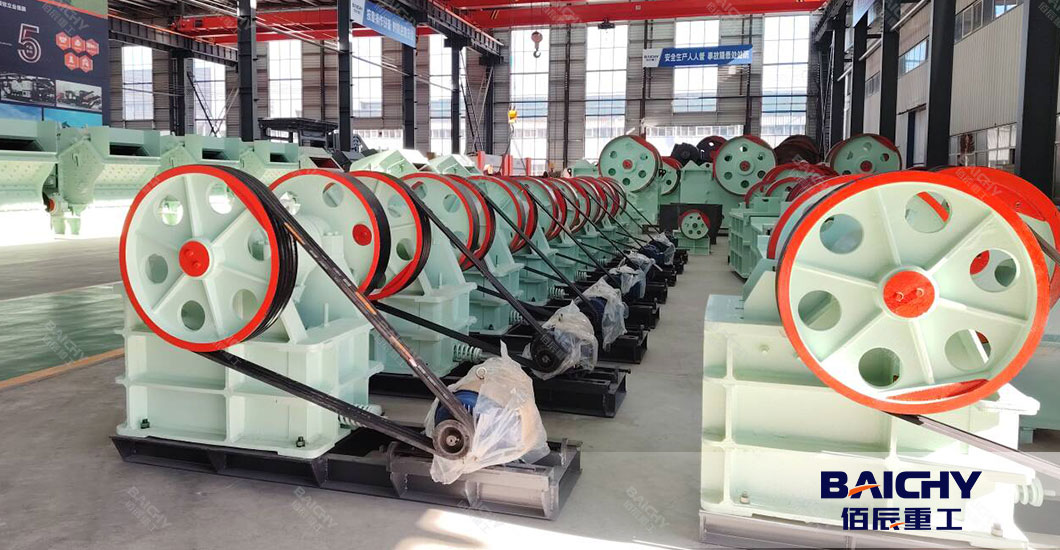
1. Mini Jaw Crushers (Small-Scale Mining)
Ideal for individual prospectors or small mines with limited budgets,
mini jaw crushers handle primary crushing of small gold ore blocks (max feed size: 150–250mm) with capacities of 0.5–50 TPH. They are available in both electric motor and diesel engine variants to suit off-grid or grid-connected mines.
Motor-Powered Mini Jaw Crushers
• Power Range: 5.5–15 kW (7–20 HP)
• Key Advantages: Lower operating cost, quieter operation, zero on-site emissions
• Price Range: USD1450–4,800
• Example Model: PE150x250; PE200x350; PE250x400
• Applicable Scenarios:
◦ Small-scale mines near urban areas with stable grid access
◦ Indoor or semi-enclosed processing sites where noise and emissions are restricted
◦ Daily output needs: 4–160 tons (0.5–20 TPH × 8 hours) – perfect for 2–5 person mining teams
Diesel-Powered Mini Jaw Crushers
• Power Range: 6–20 HP (4.5–15 kW)
• Engine Type: Single-cylinder diesel (e.g., Changchai, Kubota) – fuel-efficient for small-scale use
• Fuel Consumption: 1.5–3 L/h (varies by load)
• Key Advantages: Portable, no grid dependency – perfect for remote mines
• Price Range: USD1600–6,000
• Example Model: PE150x250; PE200x350; PE250x400
• Applicable Scenarios:
◦ Remote mines or rural sub-countieswith no electricity
◦ Mobile prospecting teams exploring new gold deposits
◦ Small-scale operations processing small batches of ore (1–5 tons per day) with frequent site changes
◦ Mines with limited access to grid power but easy access to diesel refueling
• Shared Key Features:
Portable design (some with wheels for towing), easy manual operation, low maintenance requirements, suitable for soft-to-medium hard gold ore (e.g., alluvial gold, low-quartz ore)
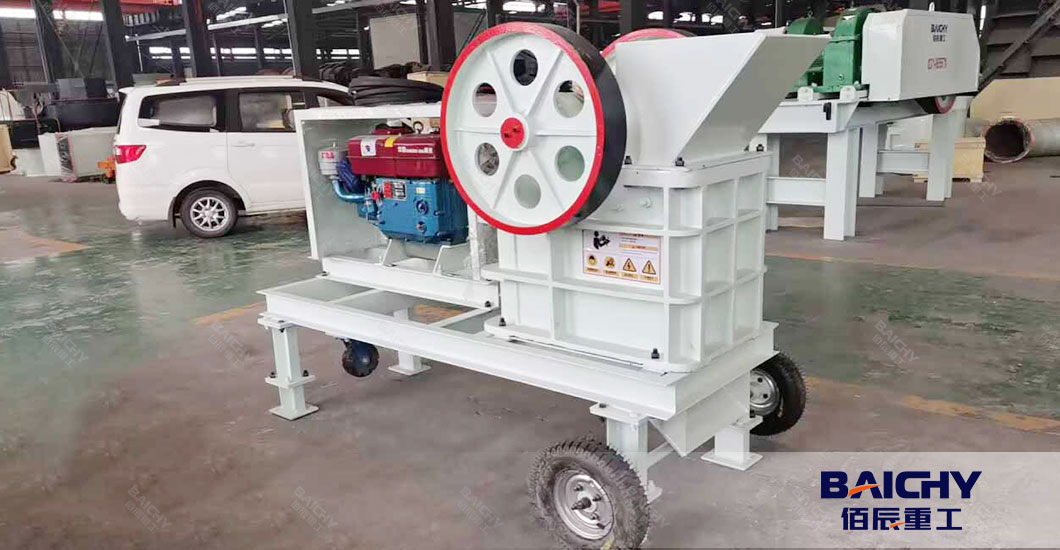
Diesel Jaw Crusher
2. Hammer Crushers (Budget Mid-Scale Operations)
Hammer crushers use high-speed rotating hammers to crush gold ore, suitable for medium-hard ore and secondary crushing. They’re popular for low-budget mid-scale operations (5–100 TPH) and offer both motor and diesel options.
Motor-Powered Hammer Crushers
• Power Range: 15–75 kW (20–100 HP)
• Key Advantages: Consistent power output, lower long-term fuel costs, ideal for mines with stable electricity supply
• Price Range: USD1,000–14,000
• Example: PC300X200, PC400X300, PC600X400
• Applicable Scenarios:
◦ Mid-scale mines near power grids,
◦ Processing medium-hard gold ore (e.g., low-silica rock) for subsequent gravity separation or flotation
◦ Mines with budget constraints but higher output needs
Diesel-Powered Hammer Crushers
• Power Range: 12–120 HP
• Engine Type: single-cylinder diesel (e.g., Weichai, Yuchai) – durable for continuous operation
• Key Advantages: Versatile for remote mines, cheap price, easy to refuel
• Price Range: 1,500–28,500
• Example: PC300X200, PC400X300, PC600X400
• Applicable Scenarios:
◦ Remote mid-scale mines with no grid access
◦ Processing ore from small open-pit mines where mobility and cost-efficiency are key
◦ Mines producing ore for local smelters or small-scale cyanide leaching operations
• Pros & Cons:
Economical upfront cost; shorter hammer life (3–6 months replacement cycle) and higher dust emissions (requires basic dust control). Motor variants are cheaper to run, while diesel models offer off-grid flexibility.
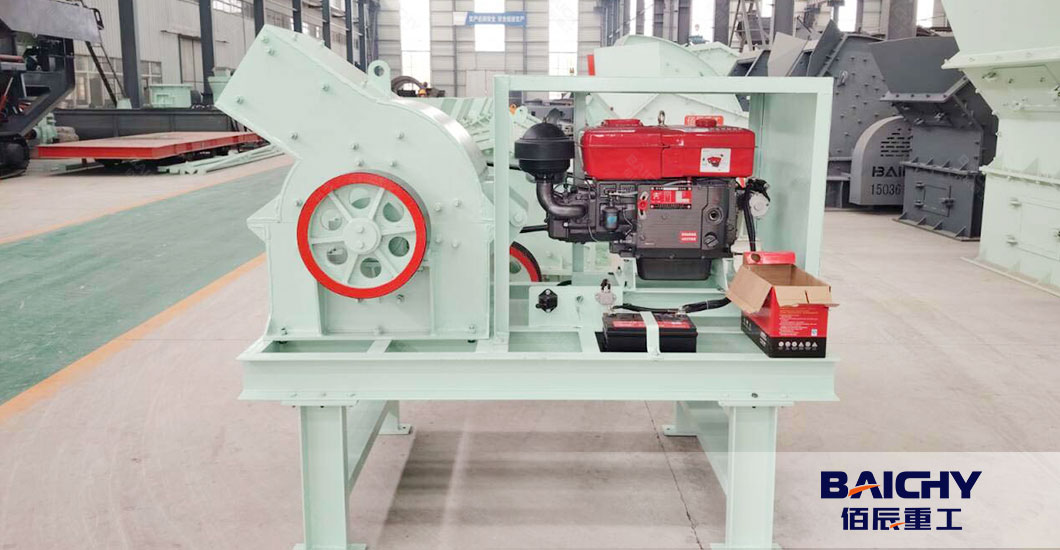
Gold Ore Hammer Mill
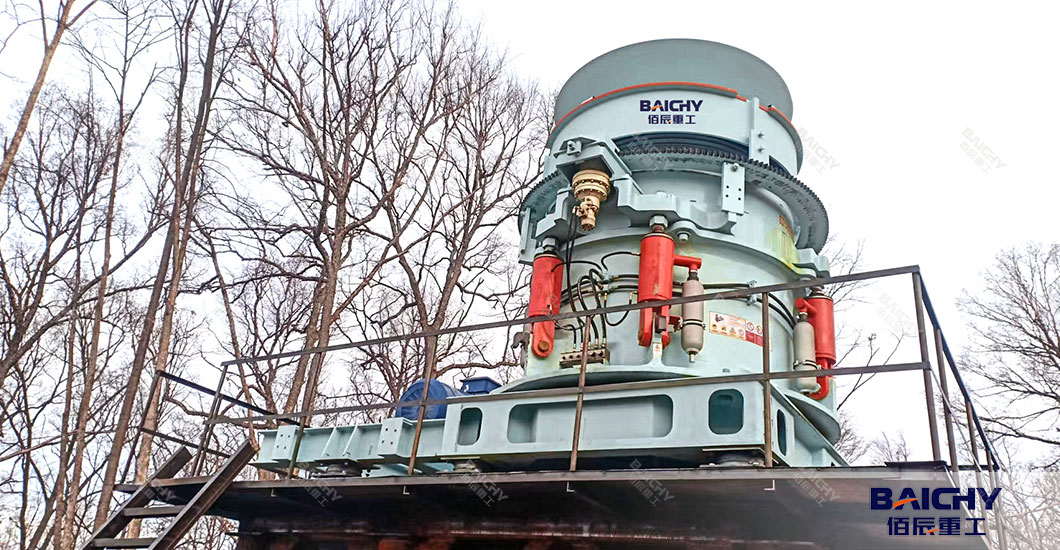
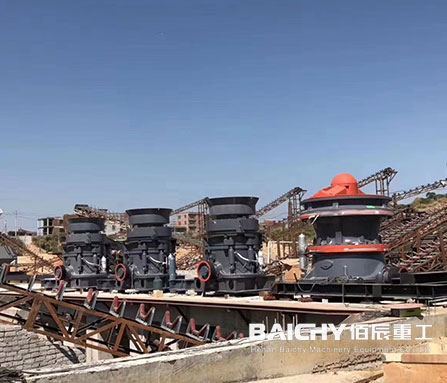
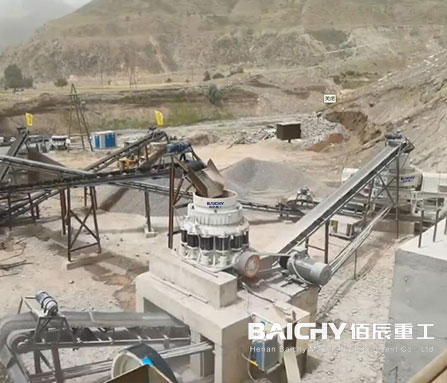
3. Cone Crushers (Large-Scale Hard Rock Mining)
Cone crushers are industrial-grade machines for medium-to-fine crushing of hard gold ore (e.g., quartz vein gold, granite-hosted gold). They use layer compression technology for uniform particle size, ideal for “more crush, less grind” efficiency in large-scale operations (50–1,200 TPH). Most cone crushers are motor-powered.
• Power Range: 30–110 kW
• Key Advantages: High durability, low wear rate for hard ore, automated controls (e.g., hydraulic adjustment) reduce labor costs
• Price Range: USD24,000–56,000
• Examples Models: PYB600, PYB900, CS75 etc
• Applicable Scenarios:
◦ Large-scale mining operations
◦ Processing hard quartz vein gold (Mohs 6–7 grade) – the most common high-grade gold ore in Kenya’s major gold belts
◦ Fixed crushing plants integrated with ball mills, flotation machines, or CIL/CIP leaching systems
◦ Mines requiring uniform fine particles (10–50mm) for efficient grinding and gold recovery
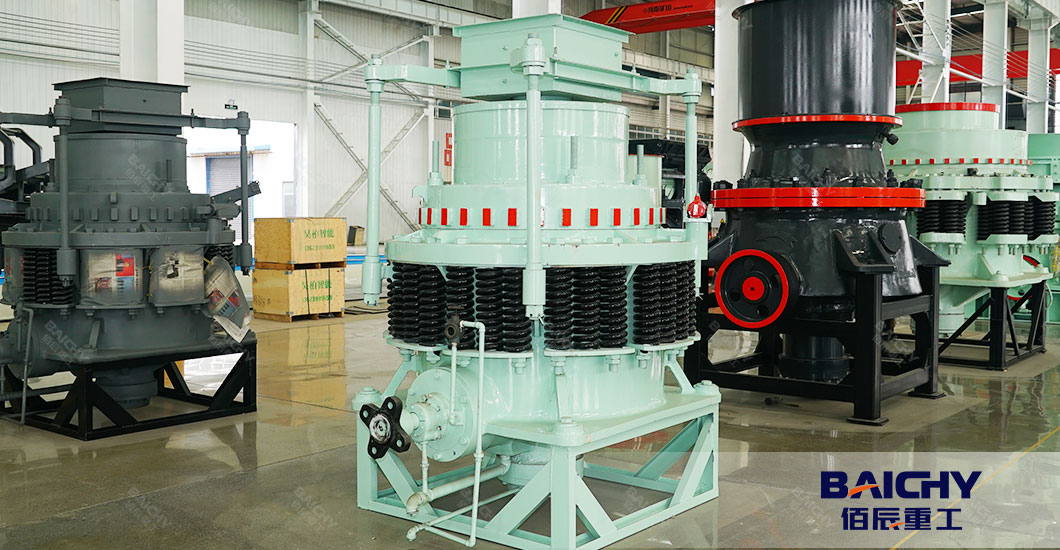
Gold Ore Cone Crusher
4. Mobile Gold Crushers (On-Site Processing)
Mobile crushers integrate feeding, crushing, and screening into a single unit, perfect for remote mines or projects requiring on-site processing (eliminates ore transportation costs). They’re available in wheeled (towed) or tracked (off-road) designs, with both motor and diesel power options.
Motor-Powered Mobile Crushers
• Power Range: 30–160 kW (40–215 HP)
• Voltage: 3-phase 380V (requires portable generator for off-grid use)
• Types: Mobile jaw crushers, mobile cone crushers, or combined crushing-sieving units
• Key Advantages: Lower operating costs, quieter, suitable for semi-permanent sites with generator access
• Price Range: USD25,000–320,000
• Applicable Scenarios:
◦ Semi-permanent mid-scale mines with access to portable generators
◦ Mines near urban centers where on-site processing reduces transportation costs
◦ Operations processing mixed ore types (alluvial + hard rock) and needing flexible crushing stages
Diesel-Powered Mobile Crushers (Most Popular in Kenya)
• Power Range: 50–300 HP
•Engine Type: Heavy-duty diesel (e.g., Cummins, Deutz) – reliable for rough terrain
•Types:
◦Wheeled (towed): Suitable for road-accessible mines – requires a truck for towing
◦Tracked (off-road): Climbs 15° slopes, navigates muddy/rocky terrain (e.g., Western Kenya’s remote mines)
•Key Advantages: Full mobility, no setup required, on-site processing cuts transportation costs by 40–60%
•Price Range: 15,000–550,000 (KSh 2.3 million–KSh 23 million)
•Applicable Scenarios:
◦Remote mines tracked models navigate muddy/rocky roads
◦Mines with frequent site relocations or short-term mining permits
• Shared Key Features:
Integrated vibrating feeder, on-board screening system, hydraulic jacks for quick setup (30 minutes), easy maintenance access, compatible with all gold ore types
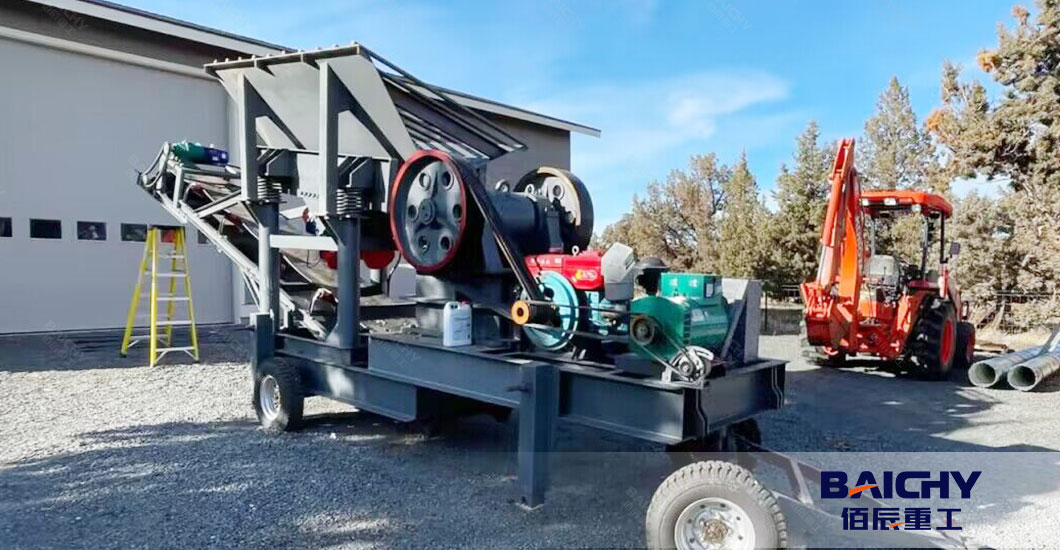
Gold Mining Crusher
What Determines Gold Crusher Machine Prices in Kenya?
1.Capacity & Size: Crushers with higher TPH (tons per hour) cost more.
2.Ore Hardness Compatibility: Machines designed for hard gold ore (e.g., cone crushers) are more expensive than those for soft ore (e.g., hammer crushers).
3.Power Source: Diesel models cost 15–30% more than motor models due to engine integration; mobile diesel crushers have the highest premium.
4.Mobility: Mobile crushers cost 20–50% more than fixed models due to integrated chassis, feeder, and screening systems.
5.Supplier Type: Direct Chinese manufacturers (e.g., Baichy Machinery) offer lower prices vs. local Kenyan distributors
Beyond the machine price, factor in these expenses to avoid budget overruns:
• Import Duties & Taxes: Kenya imposes a 25% import duty + 16% VAT + 2% Import Declaration Fee (IDF) on mining equipment.
• Shipping & Clearing: Sea freight from China to Mombasa plus clearing agent fees.
• Maintenance & Wear Parts: Hammer crusher hammers or jaw plates need replacement every 3–6 months; cone crusher wear parts last 12–18 months.
• Power Costs: motor type and diesel engine type are different cost
• Installation: Fixed crushers require foundation work , while mobile models need no setup.
Top Gold Crusher Suppliers in Kenya (2026)
1.Chinese Manufacturers (Direct Import): JXSC Mining Machinery, Baichy Machinery Co., Ltd.– offer both motor and diesel models, custom capacity options).
2.Local Kenyan Suppliers: Jiji.co.ke sellers, Nairobi-based mining equipment distributors (offer instant quotes, after-sales service, and spare parts for diesel engines/motors).
3.Global Brands: Metso, Sandvik (premium motor-powered cone crushers, $50,000+, ideal for large mines with stable power supply).
Tips for Buying a Gold Crusher in Kenya
1.Choose Power Source Based on Location: Remote mines (no grid) → diesel models; near urban areas (stable electricity) → motor models (lower operating costs).
2.Match Machine to Ore & Scenario:
◦ Hard quartz ore (Kakamega/Migori) → cone crusher (large-scale) or diesel mobile crusher (mid-scale)
◦ Soft alluvial gold (Kericho/Narok) → mini jaw crusher or hammer crusher
◦ Frequent site changes → tracked/wheeled mobile crushers
◦ Fixed large-scale production → motor-powered cone/jaw crushers
3.Prioritize After-Sales Service: Select suppliers with local spare parts (e.g., diesel engine parts, motor components) to avoid downtime.
4.Compare CIF vs. Local Prices: Importing directly (CIF Mombasa) is 15–30% cheaper than buying from local distributors – ideal for motor models (lower shipping weight than diesel).
5.Test Before Purchase: Request ore sample testing from suppliers to ensure the crusher’s power and capacity match your needs.
Gold crusher machine prices in Kenya depending on scale, power source, and functionality. Small-scale miners should opt for budget-friendly mini jaw or hammer crushers , while large operations benefit from cone or mobile crushers for higher efficiency. By choosing the right machine for your ore type, capacity, and power access, and partnering with reliable suppliers , you’ll maximize productivity and ROI. Contact a trusted supplier today for a customized quote based on your specific power (motor/diesel), capacity, and scenario needs!




 2026-09-28





 86-15093113821
 86-15093113821