The cement ball mill is the beating heart of any cement manufacturing plant. Because it operates under extreme stress, grinding heavy clinker and raw materials around the clock, mechanical wear and operational issues are inevitable. When a ball mill goes down, the entire production line stops, costing your business thousands of dollars in lost revenue.
To keep your equipment running at peak performance, operators must know how to quickly identify and fix hidden troubles. Based on expert industry insights, we have compiled the ultimate troubleshooting guide. Here are the 10 most common problems in cement ball mill operations and their practical solutions.
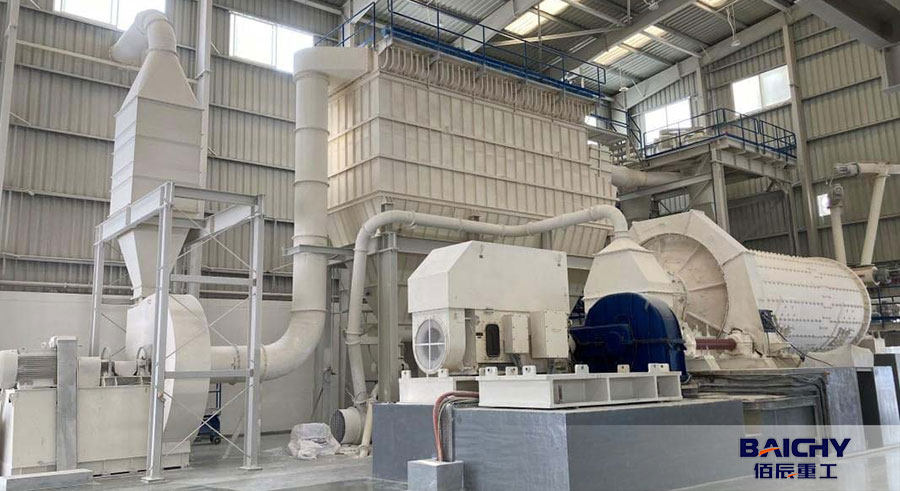
Part 1: Operational and Production Issues
1. The Sign of a "Swollen Belly" (Overfeeding)
The Problem: Also known as mill choking, a "swollen belly" happens when the mill is fed more material than it can grind and discharge. The machine sounds muffled, the grinding efficiency drops to zero, and the internal chamber becomes completely packed with unground rock.
The Solution: Immediately reduce or completely stop the feeding conveyor. Allow the mill to process and clear the existing material. You should also check the ventilation and discharge grates to ensure the ground powder can flow out of the machine smoothly without obstruction.
2. Declining Output and Grinding Efficiency
The Problem: Over time, you may notice that the mill's daily output is steadily decreasing, even though the machine is running at full power. This is usually caused by the severe wear of the grinding media (steel balls). As the balls shrink, they lose their crushing impact.
The Solution: Implement a strict "Ball Charge Management" system. You must regularly stop the mill to inspect the grinding media. Replenish the chamber with new steel balls to restore the optimal size gradation and maintain maximum grinding power.
3. Producing Coarse Final Products
The Problem: If your final cement powder is failing fineness tests and coming out too coarse, your customers will reject the product. This occurs when the feeding speed is too fast, meaning the material does not spend enough time inside the mill to be ground properly.
The Solution: First, slow down the feeding rate to increase the material's retention time inside the crushing chamber. Second, check your grinding media. If the small steel balls (which handle fine grinding) are completely worn out, you must add fresh grinding media immediately.
4. Mill Buildup and Material Sticking
The Problem: Sometimes, a thick layer of material coats the steel balls and the inner liners, killing the grinding action. This "buildup" is primarily caused by excessive moisture in the incoming raw materials combined with extremely poor internal ventilation.
The Solution: You must strictly control the moisture content of your feed material by pre-drying it if necessary. Additionally, improve the mill's internal ventilation system. A strong airflow will sweep away excess moisture and heat, keeping the steel balls clean and effective.
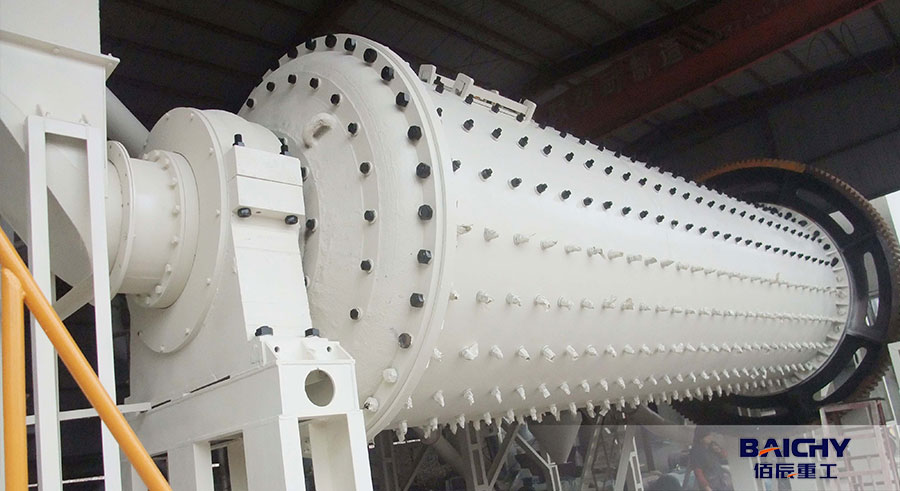
Part 2: Mechanical and Hardware Failures
5. Excessive Vibration and High Noise Levels
The Problem: A ball mill naturally makes noise, but sudden, violent vibrations or deafening mechanical grinding sounds indicate a severe hardware issue. This is often caused by loose foundation bolts, imbalanced grinding media, worn-out bearings, or severe overfeeding.
The Solution: Stop the machine immediately to prevent catastrophic damage. Check and firmly tighten all foundation anchor bolts. Rebalance the steel ball load inside the chamber. Finally, inspect the main bearings and gear systems, replacing any severely worn or damaged parts.
6. Overheating of the Mill and Components
The Problem: Extreme heat can warp the mill's steel shell and destroy vital components. Overheating is typically triggered by a lack of proper lubrication, continuous overloading of the machine, or a complete failure of the internal cooling and ventilation system.
The Solution: Regularly inspect and maintain the automatic lubrication system to ensure all moving parts are heavily greased. Never run the mill beyond its rated capacity. Ensure that the water cooling system and exhaust fans are functioning perfectly to dissipate trapped heat.
7. Main Bearing Failure
The Problem: The main bearings support the massive weight of the entire rotating cylinder. If they fail, the machine is dead. Bearing failures are almost always caused by contaminated lubricating oil, poor alignment during installation, or natural metal fatigue over time.
The Solution: Preventative maintenance is the only answer. Use vibration analysis and thermal sensors to monitor the health of the bearings continuously. Always use high-quality, filtered oil, and replace aging bearings before they completely shatter and damage the main shaft.
Part 3: Internal Wear Parts Issues (Media & Liners)
8. Premature Wear of Liners
The Problem: The inner steel liners protect the mill's outer shell. If they wear out too quickly, you will face constant, expensive downtime. Premature wear happens when the chosen liner material is too soft for the abrasiveness of the specific ore you are grinding.
The Solution: Always choose the right liner material based on your ore's abrasiveness and the size of your steel balls. Upgrading to high-manganese steel or specialized chrome alloys will significantly extend the lifespan of your liners. Always monitor liner thickness regularly.
9. Liner Cracking and Breakage
The Problem: Liners should wear down smoothly, not crack or shatter. Cracking is usually caused by "empty milling"—running the machine without any rock inside, which causes the heavy steel balls to violently smash directly into the unprotected liners.
The Solution: Never operate the ball mill empty. Always ensure a steady flow of material to cushion the impact of the steel balls. Additionally, ensure that all liner bolts are tightened securely during installation, as loose liners will flex and snap under heavy pressure.
10. Excessive Grinding Media Wear and Tear
The Problem: Steel balls naturally wear down, but an unusually high consumption rate destroys your profit margins. This happens when processing extremely hard materials, using cheap, low-quality cast iron balls, or failing to clear out broken media.
The Solution: Do not cut corners on grinding media. Invest in high-quality, forged alloy steel balls that offer superior hardness and impact resistance. Establish a routine maintenance schedule to screen the media, removing broken pieces and undersized balls that no longer contribute to the grinding process.
Troubleshooting a cement ball mill does not have to be a nightmare. By understanding these 10 common problems, operators can shift from reactive repairs to proactive, preventative maintenance. Regularly monitoring your feed moisture, maintaining your lubrication systems, and investing in high-quality wear parts will keep your plant running smoothly and profitably. Contact the expert engineering team at Baichy Machinery today! We supply premium ball mill spare parts, high-manganese liners, and forged steel balls designed to withstand the toughest conditions. Reach out now for a free consultation and troubleshooting advice!
People Also Frequently Asked- FAQ:
1.How do you maintain a ball mill?
During the ball mill operation, you should check the condition of all the lubricating points and the oil level height, at least once every 4 hours, and at the same time make sure that the temperature of the main bearing lubricating oil is not more than 55 ℃.
2. What kind of liner does a ball mill use?
What are ball mill liners made of? Ball mill liners are available in rubber or rubber composite materials that is alloyed casted in steel or wear resistant cast iron.
3. How much does it cost to fill a ball mill?
When grinding bulk materials, the jar should be filled with approx. 1/3 sample and 1/3 ball charge. The remaining third is the free jar volume that is necessary for the free movement of the balls.




 2026-10-16





 86-15093113821
 86-15093113821