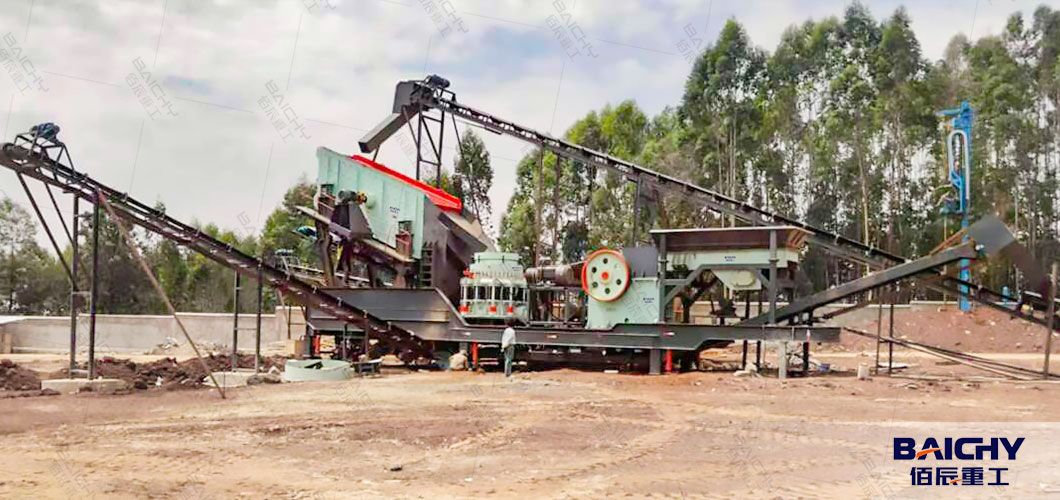
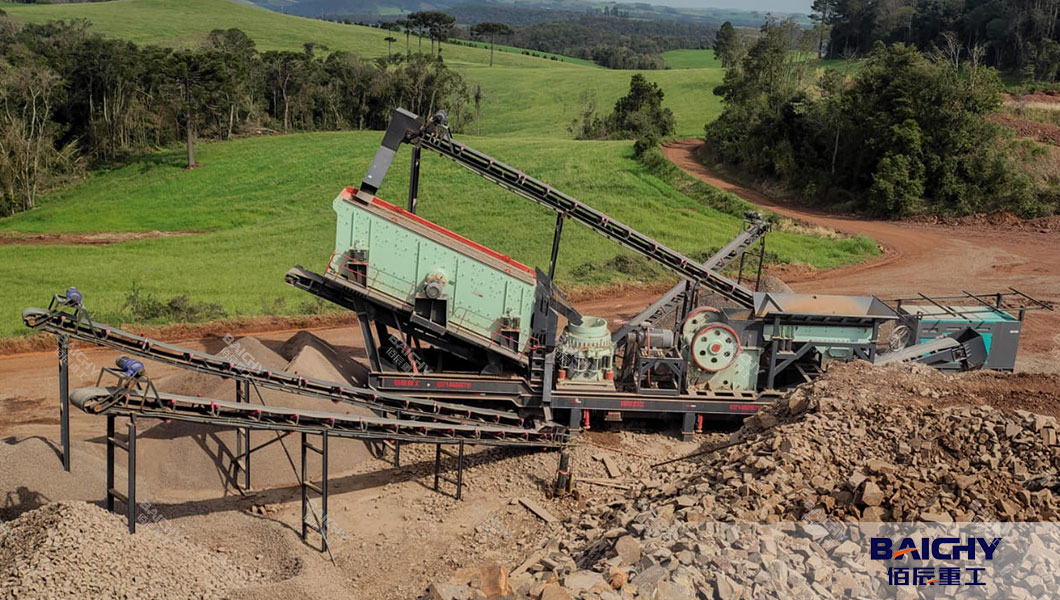
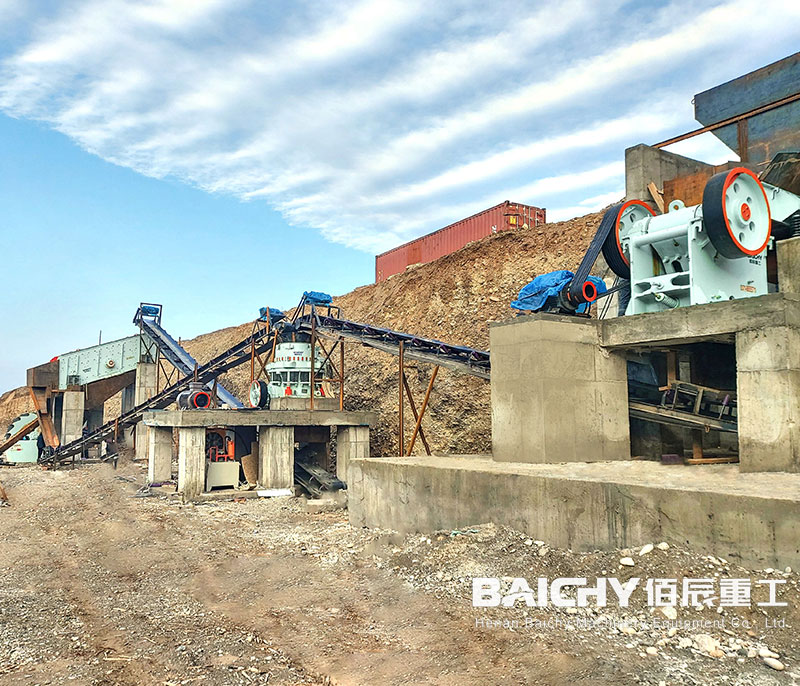
A rock crusher conveyor belt is an important part of a crushing plant. It is used to transport raw rocks, crushed materials, and finished aggregates between different machines. In a complete crushing system, conveyors connect equipment such as feeders, jaw crushers, cone crushers, impact crushers, and vibrating screens to create a continuous production process. Compared with using trucks or manual handling, conveyor belts provide a more efficient and stable way to move materials. They reduce transportation costs, improve production capacity, and help maintain a continuous operation in quarries, mines, and aggregate plants.
What Is a Rock Crusher Conveyor Belt?
A rock crusher conveyor belt is a belt conveyor system designed for transporting heavy and abrasive materials produced during rock crushing.
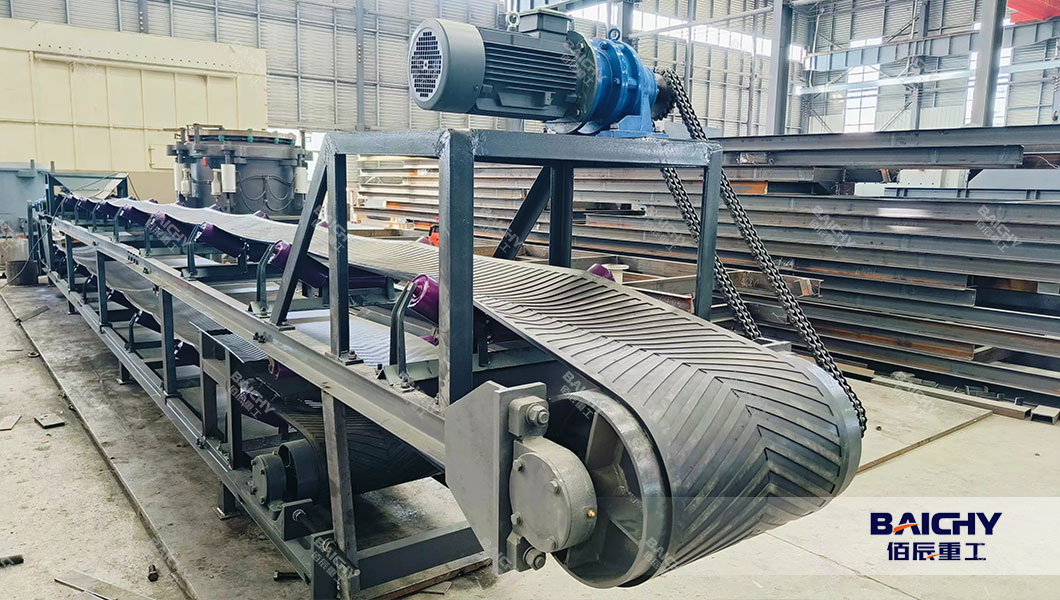
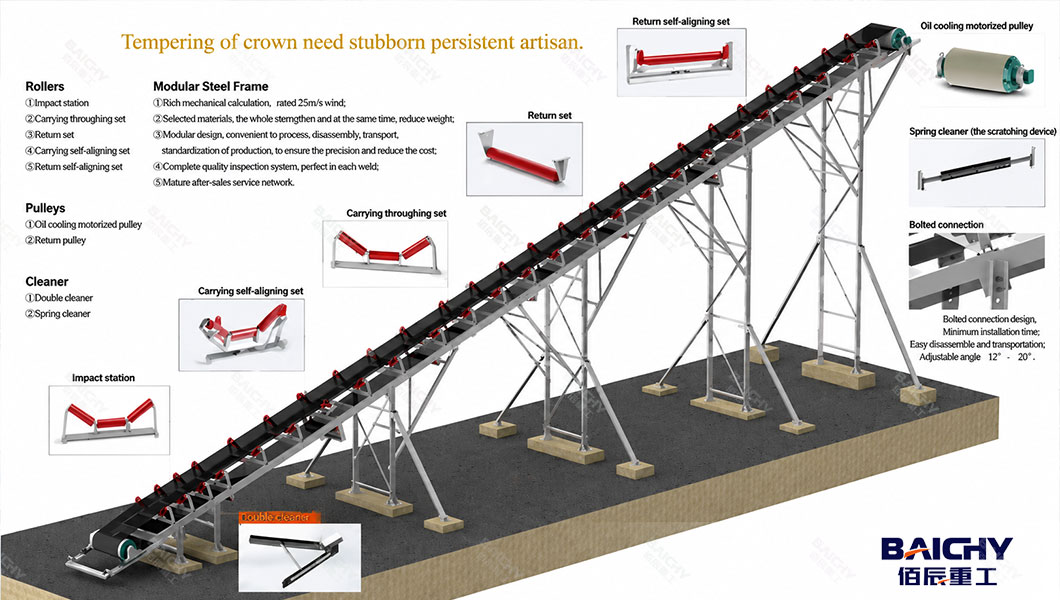
The system mainly consists of a rubber belt, conveyor frame, rollers, drive pulley, motor, gearbox, and tensioning device. The conveyor belt moves continuously under the drive of the motor, carrying materials from one processing stage to another.
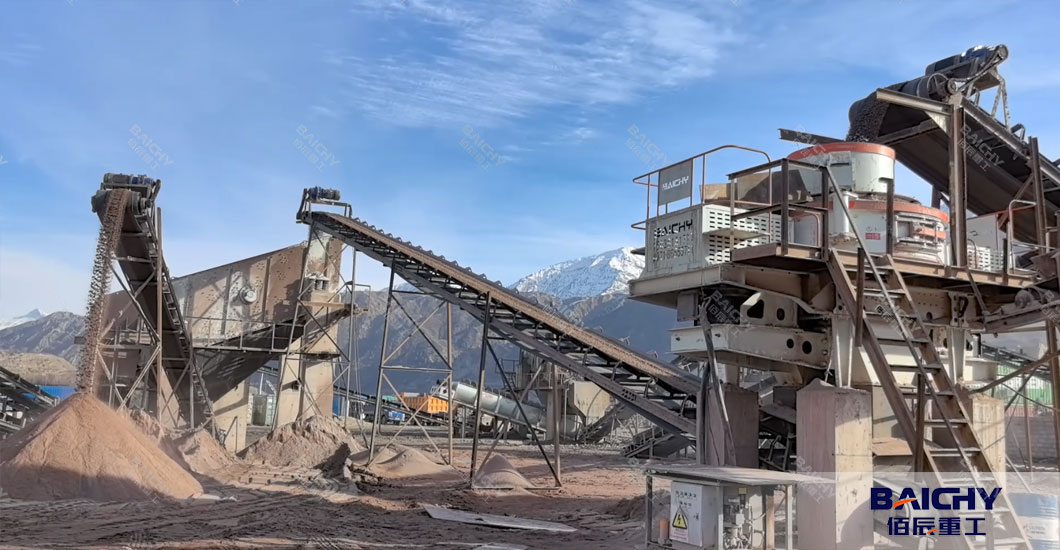
In a typical crushing plant, the conveyor belt may transport material from the vibrating feeder to the primary crusher, transfer crushed stone between different crushing stages, or move final products to stockpile areas.
How Does a Conveyor Belt Work in a Crushing Plant?
The working process of a crusher conveyor belt is simple. After large rocks enter the crusher and are reduced into smaller sizes, the crushed materials fall onto the conveyor belt. The belt then transports the materials to the next equipment, such as a secondary crusher, vibrating screen, or finished product pile.
The conveyor system controls the material flow between machines and ensures that each stage of the crushing process operates smoothly. A properly designed conveyor belt can improve the overall efficiency of the crushing plant by reducing material transfer delays.
Types of Conveyor Belts Used for Rock Crushers
1. Rubber Conveyor Belt
Rubber conveyor belts are the most common type used in stone crushing plants. They are suitable for transporting materials such as limestone, granite, basalt, and gravel.
These belts have good wear resistance and can handle heavy loads and continuous operation. For crushing applications, multi-layer rubber belts are often selected because they provide higher strength and better impact resistance.
2. Heavy Duty Mining Conveyor Belt
Heavy-duty conveyor belts are designed for large-scale mining and quarry operations where the material volume is high and the transportation distance is long.
These belts usually have stronger reinforcement layers, such as steel cords or high-strength fabric layers, allowing them to carry large amounts of heavy material with longer service life.
3. Incline Conveyor Belt
Incline conveyor belts are used when materials need to be transported to a higher position between different production stages.
Some incline conveyors use special surface patterns, such as chevron designs, to prevent materials from sliding backward during transportation.
Key Selection Factors for Crushing Plants
Choosing the wrong belt leads to premature wear and tear. Consider these technical parameters:
1. Belt Width & Speed: Ensure the belt width matches the discharge opening of your crusher. For a standard 100 TPH plant, a 650mm or 800mm belt is typically sufficient.
2. Tensile Strength: For heavy granite or basalt, a high-strength multi-ply belt (e.g., EP 400/3 or EP 500/4) is required to withstand the impact of sharp-edged rocks.
3. Top Cover Thickness: A thicker rubber top cover (6mm - 10mm) protects the fabric carcass from the abrasive nature of crushed aggregate.
Maintenance Tips to Extend Belt Life
Preventive maintenance is the key to reducing downtime in mining operations.
1. Proper Alignment (Tracking): Misaligned belts lead to edge wear and structural damage. Regularly check the return idlers and snub pulleys.
2. Impact Bed Installation: Always install an impact bed or heavy-duty impact idlers at the loading point under the crusher discharge to absorb the kinetic energy of falling rocks.
3. Belt Tensioning: Maintain the correct tension to prevent slippage on the drive pulley, which can cause heat buildup and fire hazards.
4. Regular Cleaning: Install primary and secondary belt scrapers to remove "carryback" (fine dust and moisture) that can cause buildup on idlers.
Investing in a high-quality rock crusher conveyor belt is as important as choosing the crusher itself. By matching the belt type to your material properties and following a strict maintenance schedule, you can significantly lower your cost-per-ton and extend the service life of your entire crushing plant.
Looking for high-performance conveyor systems for your mining project? Baichy Machinery provides customized 30-800 TPH crushing solutions with heavy-duty belt technology tailored to your needs.
People Also Frequently Asked For - FAQ
1. What are three types of conveyor belts?
Three common types of conveyor belts are flat belt conveyors, modular belt conveyors , and cleated belt conveyors. Each type serves different material-handling needs based on shape, incline, and durability.
2. How long can a conveyor belt be?
Long belt conveyors. The longest belt conveyor system in the world is in Western Sahara. It was built in 1972 by Friedrich Krupp GmbH (now thyssenkrupp) and is 98 km (61 miles) long, from the phosphate mines of Bu Craa to the coast south of El-Aaiun.
3. What is the difference between a belt conveyor and a conveyor belt?
Conveyor belt is the standard and most widely accepted spelling, while conveyer belt is an occasional variant. Both refer to a moving strip used to transport objects, but "conveyor" is preferred in technical, industrial, and general writing.




 2026-09-21





 86-15093113821
 86-15093113821