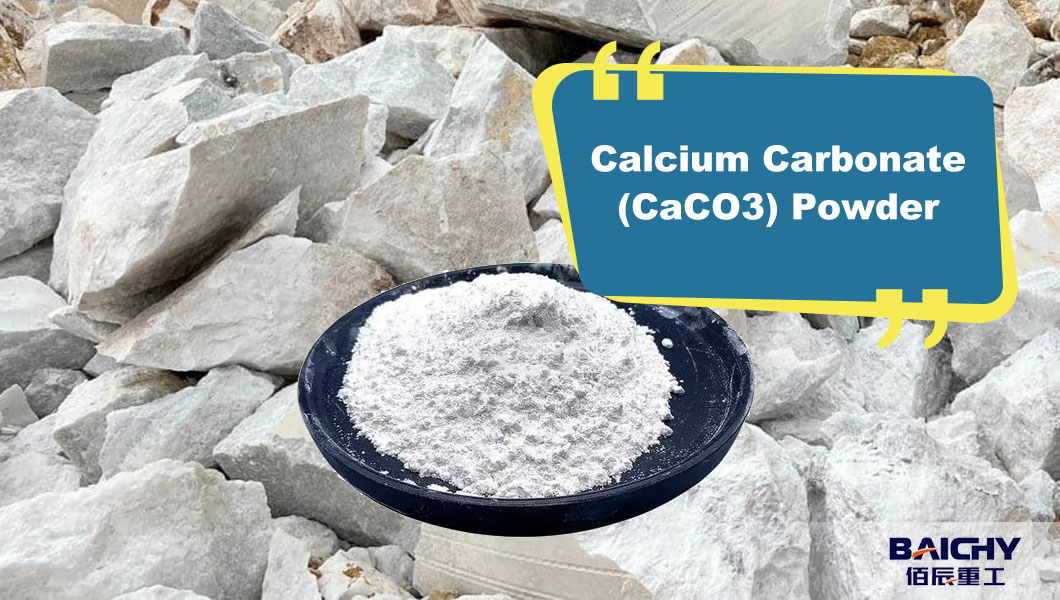
Calcium carbonate (CaCO₃) is one of the most versatile and widely used industrial minerals in the world. Commonly known as heavy calcium carbonate (or ground calcium carbonate, GCC), it is produced by crushing and grinding high-purity natural calcite or limestone. Its popularity stems from its high whiteness, chemical stability, low oil absorption, non-toxicity, and cost-effectiveness. But not all calcium carbonate is the same. Particle size (fineness) directly determines which industries can use a given grade. From coarse 200-mesh powders for feed additives to ultra-fine 1250-mesh grades for high-end paper coatings, selecting the right spec is critical for product quality and production efficiency.
This guide breaks down CaCO₃ by mesh size, whiteness, and primary applications—so you can choose the optimal grade for your manufacturing needs.
What Determines CaCO₃ Quality?
Before diving into applications, it helps to understand the key parameters:
● Particle size (mesh) – Finer particles provide better coverage, smoothness, and reinforcement.
● Whiteness (degree) – Higher whiteness (93–95+) is essential for paints, paper, and decorative materials.
● CaCO₃ purity – Ideally above 96%, with no harmful impurities.
● Production method – Dry grinding (
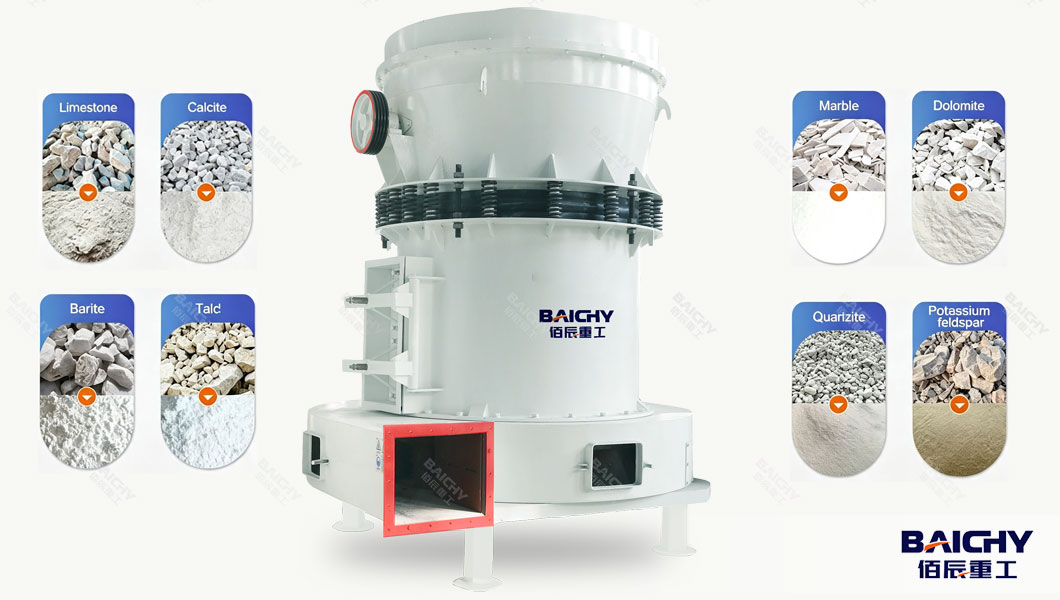
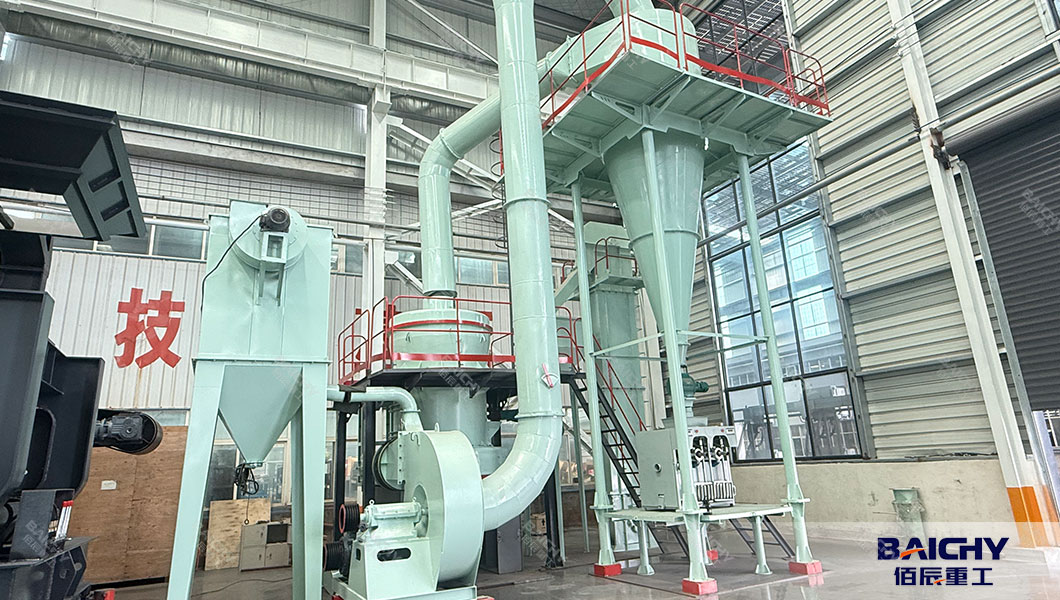
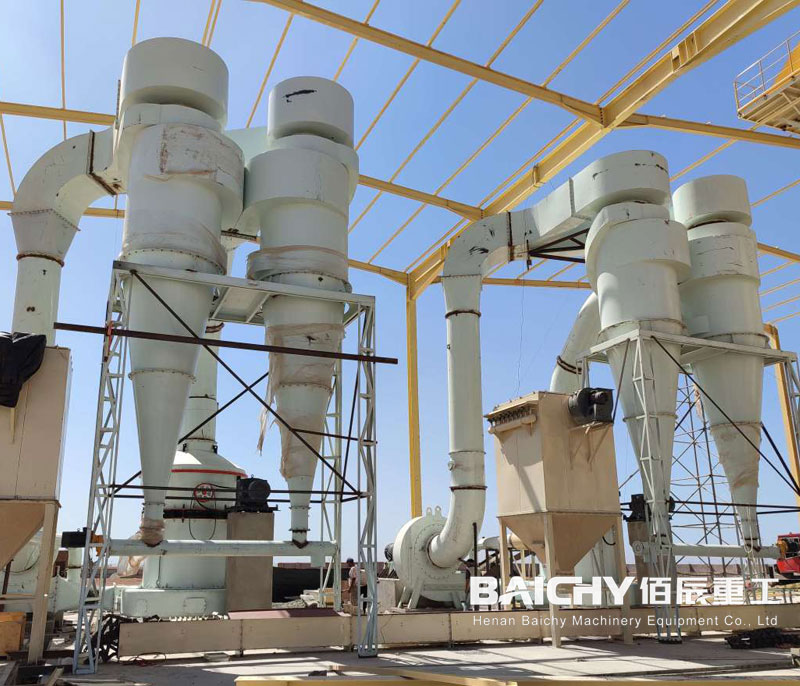
Raymond mill,
HGM ultrafin mill) for coarser grades; wet grinding with dispersants for ultra-fine grades (<1 micron, >85% passing).
CaCO₃ Particle Size Grades and Their Applications
1. ≤ 200 Mesh – Feed Additives & Agriculture
● Whiteness: Not the primary concern
● Purity: CaCO₃ ≥ 55.6% (effective calcium content)
● Key uses:
○ Animal feed supplements – provides bioavailable calcium (absorption rate up to 39%, second only to fruit acid calcium).
○ Neutralizes stomach acid in livestock.
○ Cost-effective bulking agent in premixes.
✅ Ideal for: Feed mills, agricultural cooperatives, and organic fertilizer producers.
2. 250–300 Mesh – Plastics, Rubber, Coatings & Waterproofing
● Whiteness: ≥ 85°
● Key uses:
○ Plastic & rubber compounds – improves dimensional stability, hardness, and surface finish.
○ Paint & waterproofing materials – acts as a functional extender.
○ Interior/exterior wall putty – enhances workability and opacity.
✅ Ideal for: Masterbatch manufacturers, rubber product factories, and construction chemical plants.
3. 350–400 Mesh – Ceiling Panels, Drainage Pipes & Chemical Processing
● Whiteness: ≥ 93°
● Key uses:
○ PVC ceiling panels (扣板) – improves whiteness and rigidity.
○ Downspouts & drainage pipes – enhances impact resistance.
○ Chemical intermediates – as a mild alkali or calcium source.
✅ Ideal for: Building material suppliers, PVC extruders, and chemical synthesis plants.
4. 400–600 Mesh – Personal Care (Toothpaste & Soap)
● Whiteness: ≥ 94°
● Key uses:
○ Toothpaste – mild abrasive for plaque removal without damaging enamel.
○ Soap & detergents – improves texture and adds mild scouring action.
✅ Ideal for: Oral care brands, cosmetic ingredient suppliers, and soap manufacturers.
5. 800 Mesh – Rubber, Cables & General PVC
● Whiteness: ≥ 94°
● Key uses:
○ Rubber goods – enhances tear strength, abrasion resistance, and processability (semi-reinforcing filler).
○ Wire & cable insulation – improves dielectric properties.
○ General PVC profiles – increases stiffness and reduces compound cost.
✅ Ideal for: Tire and hose producers, cable compounders, and PVC extruders.
6. 1250 Mesh – High-End Paints, Coatings & Paper
● Whiteness: ≥ 95°
● Special properties: High purity, ultra-low oil absorption, odorless, non-toxic, soft (low hardness).
● Key uses:
○ PVC, PE, and engineering plastics – superior dispersion and gloss.
○ Paints & industrial coatings – improves hiding power and leveling.
○ Paper coating (both base and top coats) – provides excellent brightness, smoothness, and ink receptivity for premium coated paper (including high-grade art paper).
✅ Ideal for: Coating manufacturers, plastic compounders, and paper mills producing premium grades.
How Is Calcium Carbonate Powder Produced?
Industrial calcium carbonate powder is mainly produced through two methods:
● Dry Grinding Process
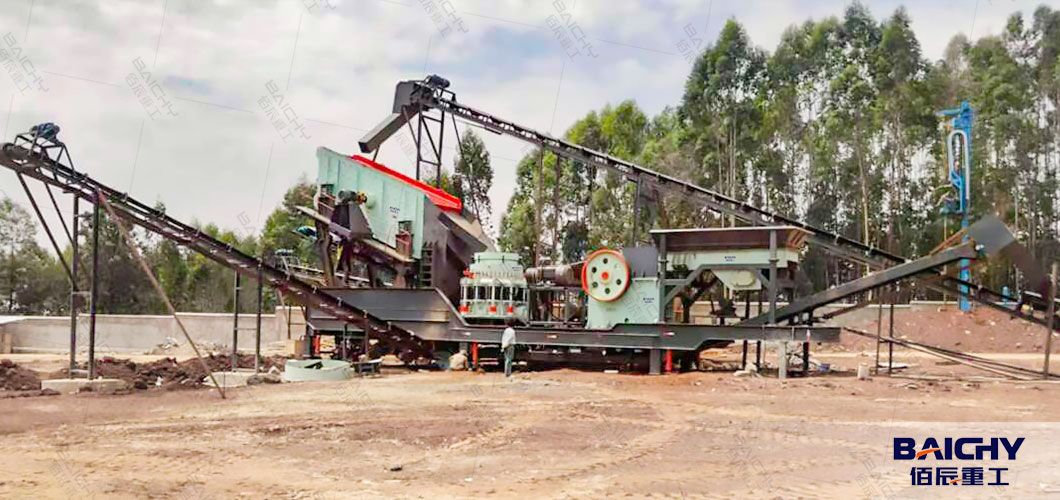
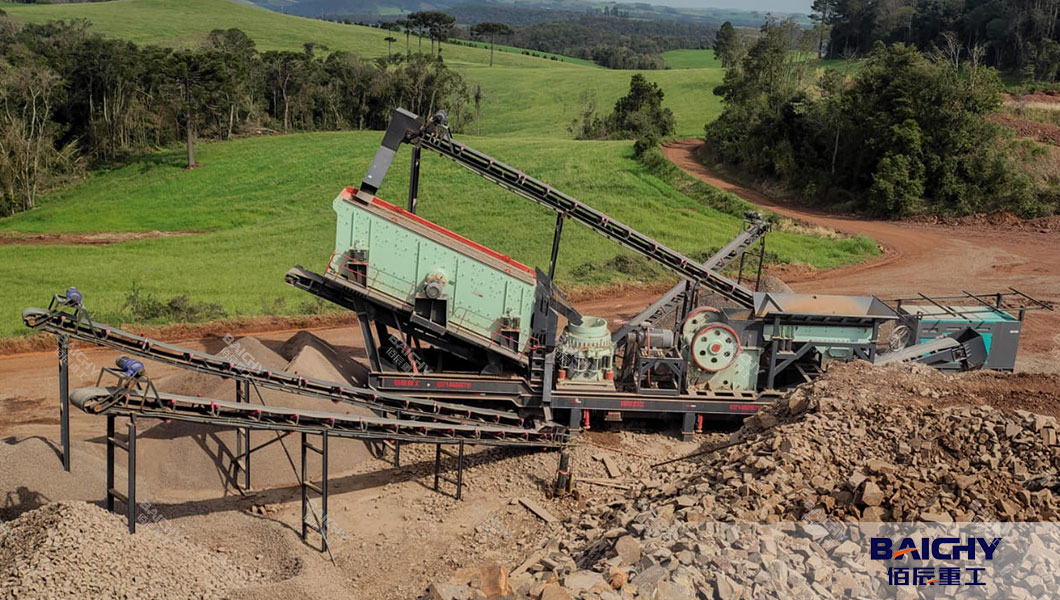
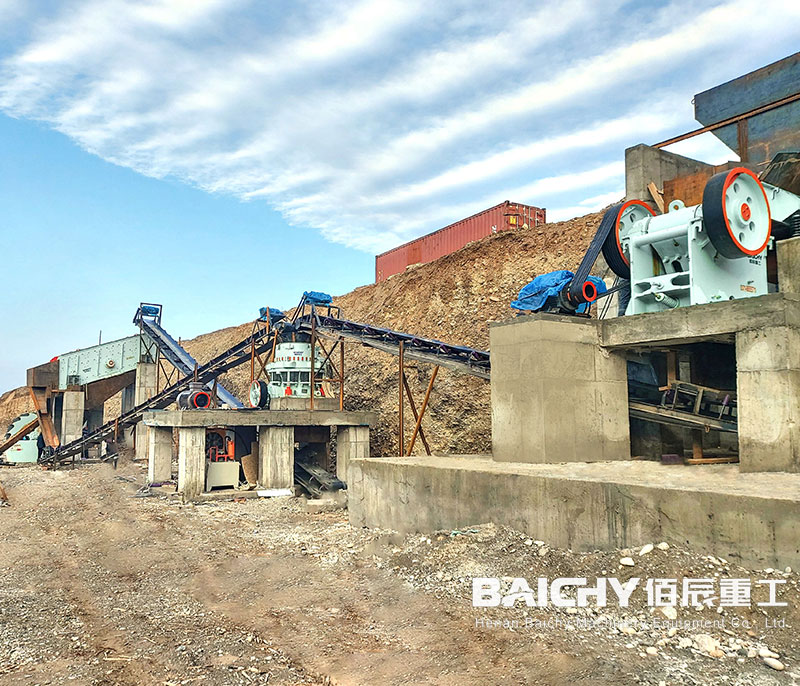
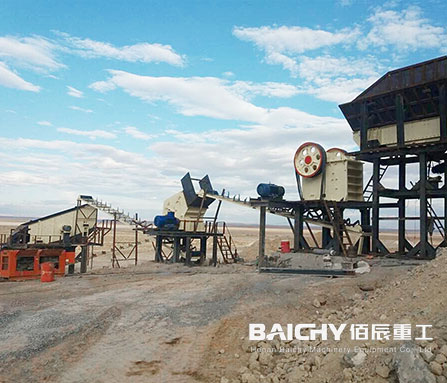
The dry process uses high-purity limestone or calcite as raw material. The material is crushed and processed by Raymond mill or other high-pressure grinding mills, followed by classification and separation to obtain calcium carbonate powder with different fineness levels.
● Wet Grinding Process
Wet grinding is used when finer particle sizes are required. By adding dispersing agents and improving grinding efficiency, calcium carbonate particles can reach micron-level fineness, making them suitable for high-end applications such as coated paper production.
Invest in Calcium Carbonate Powder Production for Long-Term Market Opportunities
With the continuous growth of industries such as plastics, rubber, coatings, paper, construction materials, and daily chemical products, the demand for high-quality calcium carbonate powder continues to increase. Due to its wide range of applications, stable market demand, and flexible product grades based on different particle sizes, investing in a calcium carbonate powder production plant can provide broad business opportunities and long-term profit potential.
However, the profitability of a CaCO₃ powder production project depends on selecting suitable processing technology, grinding equipment, product fineness, and production capacity according to target markets. Different applications require different calcium carbonate specifications, from coarse powder for construction materials to ultra-fine powder for high-end coatings and paper industries.
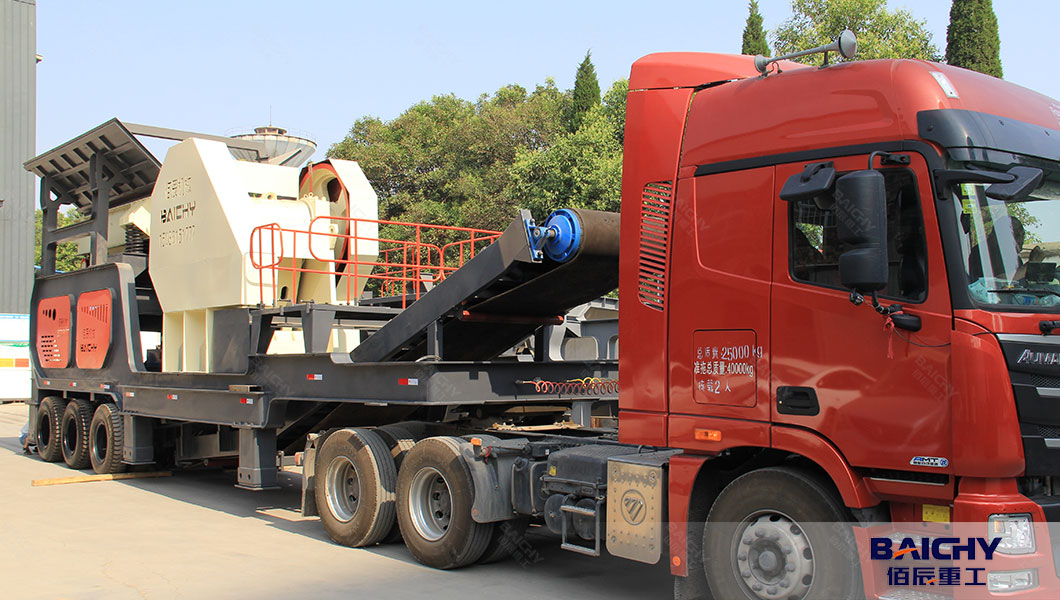
Baichy Machinery has rich experience in mineral powder processing equipment and can provide professional calcium carbonate powder production solutions based on customers’ raw materials, capacity requirements, and final product applications. From grinding mill selection and production line design to complete project support, Baichy Machinery helps investors build efficient and reliable CaCO₃ powder plants. Contact Baichy Machinery to get a customized solution and quotation for your calcium carbonate powder production project.




 2026-09-20





 86-15093113821
 86-15093113821