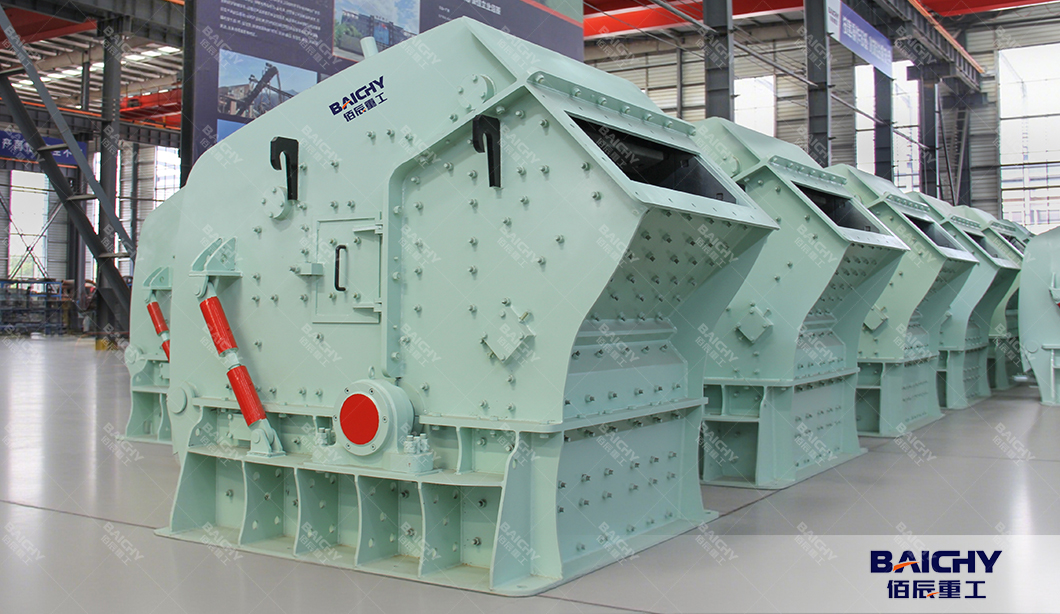
Ethiopia's growing demand for construction aggregates creates opportunities for quarry owners and investors in stone crushing plants. For producers processing limestone and other suitable medium-hard rocks, an impact crusher can help produce well-shaped aggregates for concrete, road construction, and building materials. Baichy Machinery has already exported impact crushers to Ethiopia. Based on this market experience, Baichy offers the PF1214 and PF1315 impact crushers for small and medium-sized aggregate producers and investors planning new crushing plants.
If you are looking for an impact crusher for limestone crushing, secondary crushing, or a new aggregate production line, these two models are worth considering.
1. Why Is There Demand for Impact Crushers in Ethiopia?
Ethiopia's construction and infrastructure development continues to create demand for crushed stone, sand, and concrete aggregates. Road construction, urban development, commercial buildings, and other infrastructure projects require aggregates in different sizes. Local quarries and crushing plant operators need reliable equipment to produce consistent materials for these applications. Three market factors are particularly relevant.
● Growing aggregate consumption
Roads, buildings, and concrete production require large quantities of crushed stone. Local aggregate producers need to improve their production capacity to supply construction projects.
● Demand for better aggregate shape
Concrete and road construction projects often require well-graded aggregates with controlled particle shapes. Impact crushers can produce relatively cubic particles, making them suitable for many aggregate applications.
● Investment in local crushing plants
Some investors prefer to establish their own quarries and crushing plants rather than depend entirely on purchased aggregates. A properly configured crushing line allows them to control production capacity, product sizes, and operating costs.
For these customers, selecting the right secondary crusher is an important part of the investment decision.
2. Why Choose an Impact Crusher for Aggregate Production?
An impact crusher uses high-speed rotor-mounted blow bars to strike incoming material against impact plates. Repeated impact breaks the rock into smaller particles.
Compared with other crushing methods, an impact crusher has several practical advantages when processing suitable materials.
-
Good particle shape: Produces relatively cubic aggregates, with fewer elongated and flaky particles under suitable operating conditions.
-
High reduction ratio: Can reduce material size efficiently during secondary crushing.
-
Flexible product adjustment: The discharge size can be adjusted by changing the gap between the impact plates and rotor.
-
Suitable for limestone: Works well with limestone and other low-to-medium-hardness rocks with moderate abrasiveness.
However, an impact crusher is not suitable for every type of rock. For highly abrasive basalt, granite, and other hard materials, wear part consumption may increase significantly. A cone crusher may be a more economical choice in these applications.
3. Baichy PF1214 and PF1315 Impact Crushers for Ethiopia
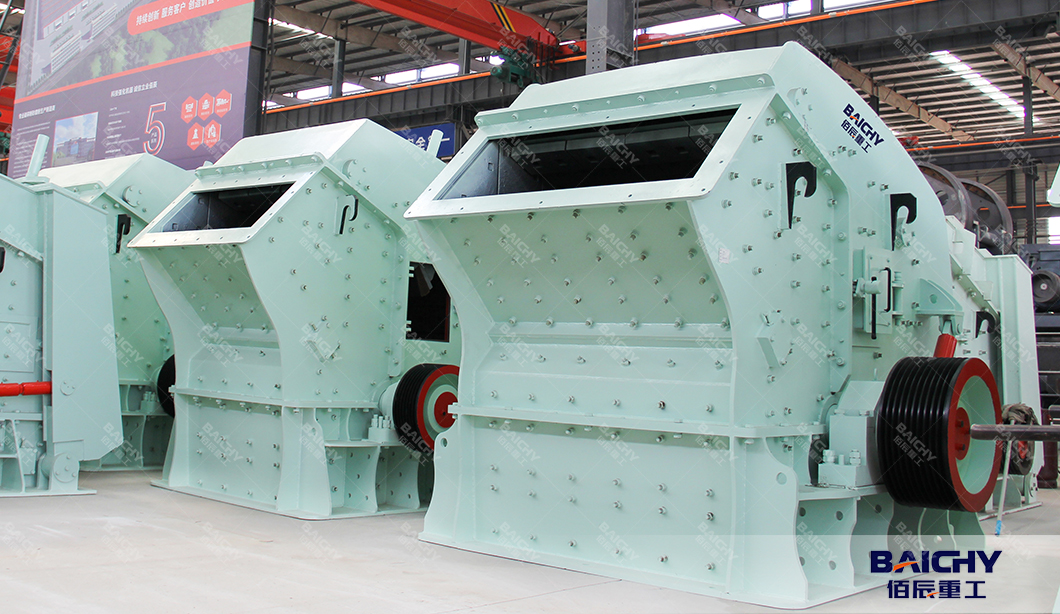
Baichy recommends the impact crusher PF1214 and PF1315 for aggregate producers who need secondary crushing capacity and good product shape.
The main difference between the two models is their crushing chamber and rotor dimensions, which influence their material handling capacity and application range.
| Specifications |
PF1214 |
PF1315 |
| Rotor diameter × length |
1250 × 1400 mm |
1300 × 1500 mm |
| Maximum feed size |
350 mm |
350 mm |
| Capacity |
90–180 TPH |
120–250 TPH |
| Motor power |
132 kW |
200 kW |
Note: These are reference specifications. Actual capacity depends on feed material, feed size, hardness, moisture, discharge setting, and operating conditions. Confirm the final configuration with Baichy before purchasing.
PF1214 Impact Crusher: For Small and Medium-Sized Quarries
The PF1214 is suitable for producers who need a secondary crushing machine for limestone and similar materials.
Its reference capacity is 90–180 TPH, making it an option for small and medium-sized aggregate plants.
Typical applications include:
-
Secondary crushing in limestone quarries.
-
Aggregate production for local concrete suppliers.
-
Upgrading existing jaw crusher production lines.
-
Producing different sizes of construction aggregates.
For quarry owners who already have a primary jaw crusher, adding a PF1214 can improve the crushing process and help meet demand for smaller aggregate sizes.
PF1315 Impact Crusher: For Higher-Capacity Aggregate Production
The impact crusher PF1315 has a larger rotor and higher reference motor power than the PF1214. Its reference capacity is 120–250 TPH.
It is worth considering for investors planning a new crushing plant or existing producers who need greater secondary crushing capacity.
Typical applications include:
-
Medium-sized limestone crushing plants.
-
Road construction aggregate production.
-
Commercial aggregate supply operations.
-
New stationary crushing plant projects.
The PF1315 should be selected according to the required final output and the actual capacity of the primary crushing stage. A larger crusher does not automatically mean higher plant production if the feeding and screening systems cannot keep up.
4. Which Model Should You Choose: PF1214 or PF1315?
The right model depends on your production target, raw material, and investment plan.
| Selection Factor |
PF1214 |
PF1315 |
| Reference capacity |
90–180 TPH |
120–250 TPH |
| Rotor size |
Smaller |
Larger |
| Motor power |
132 kW |
200 kW |
| Suitable projects |
Small and medium plants |
Medium-capacity plants |
| Investment consideration |
Lower equipment power requirement |
Higher production potential |
Choose PF1214 if your existing jaw crusher and screening equipment support a production line in its operating range.
Choose PF1315 if you have a higher aggregate demand and sufficient feeding, screening, and conveying capacity.
Before making a decision, provide the supplier with your raw material type, maximum feed size, required capacity, and final product sizes.
5. Recommended Crushing Plant Configuration in Ethiopia
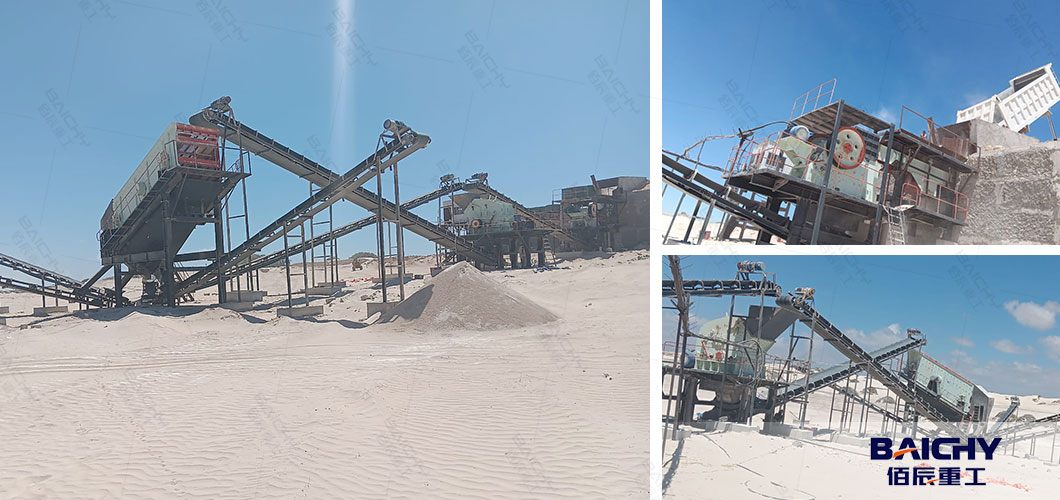
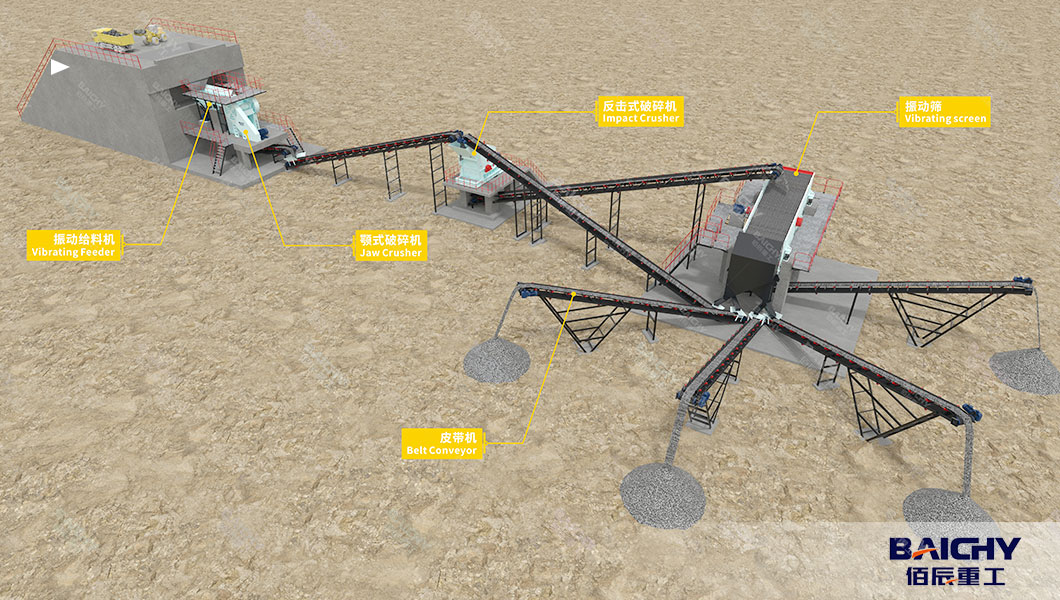
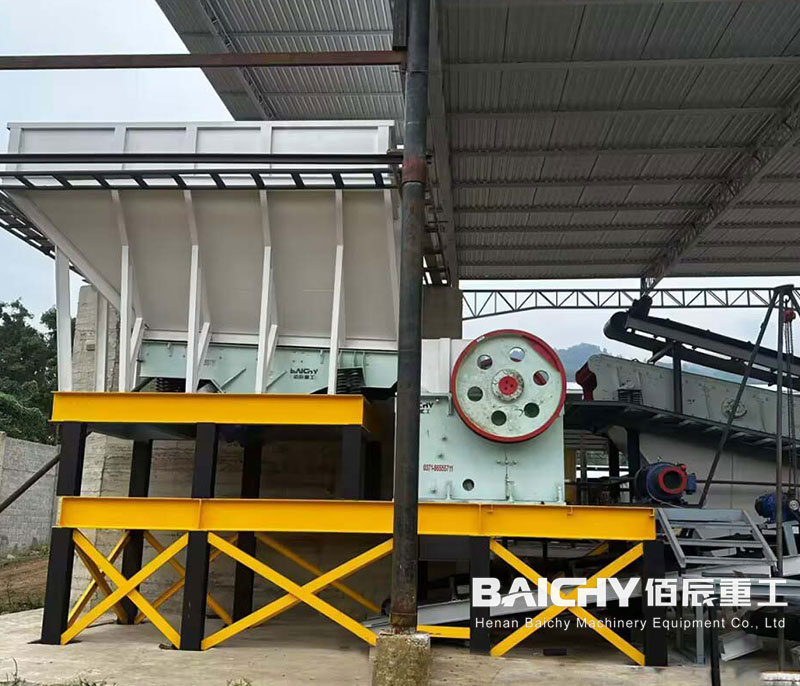
For investors planning a new limestone crushing plant, Baichy can configure a production line using a jaw crusher, impact crusher, vibrating screen, and belt conveyors.
A typical process is:
Feeding → Primary Crushing → Secondary Crushing → Screening → Finished Aggregates
A practical equipment configuration is shown below.
| Production Stage |
Recommended Equipment |
Main Function |
| Feeding |
Vibrating feeder |
Feed raw stone evenly |
| Primary crushing |
PE jaw crusher |
Reduce large rocks |
| Secondary crushing |
PF1214 or PF1315 |
Produce smaller aggregates |
| Screening |
Vibrating screen |
Separate different sizes |
| Conveying |
Belt conveyors |
Transfer and stockpile materials |
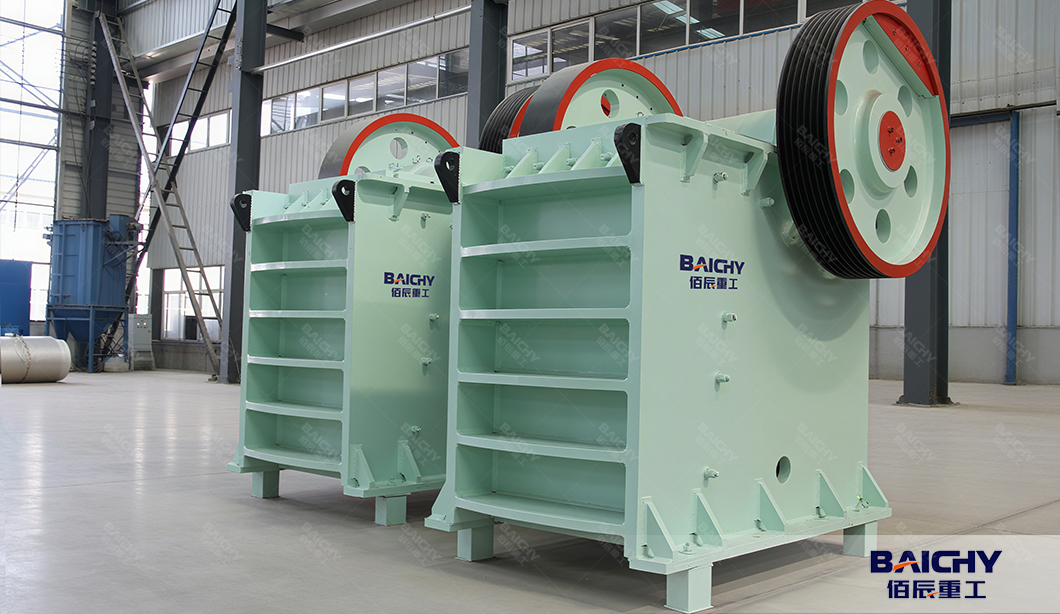
For example, a limestone crushing plant may use a PE jaw crusher for primary crushing, followed by a PF1214 or PF1315 for secondary crushing.
The vibrating screen separates the finished materials into commercial sizes such as 0–5 mm, 5–10 mm, 10–20 mm, and 20–31.5 mm, depending on market requirements.
Oversized material can be returned to the crusher if the process design includes a closed-circuit configuration.
The actual plant capacity is determined by the complete system, not just the impact crusher. Feed rate, crusher settings, screen efficiency, and material characteristics all affect final production.
6. Baichy Impact Crushers Have Been Exported to Ethiopia
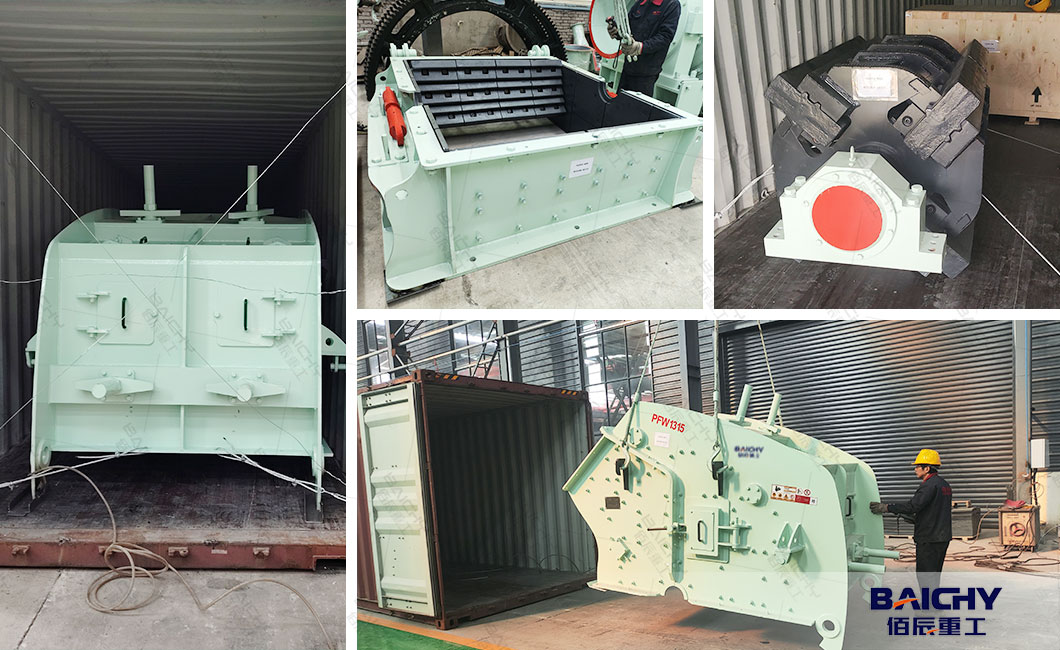
Baichy Machinery has supplied impact crushers to the Ethiopian market, providing practical experience in serving local aggregate and crushing equipment customers.
For Ethiopian quarry owners and new plant investors, choosing a supplier involves more than comparing equipment prices.
Important purchasing considerations include:
-
Equipment configuration: The crusher must match the feed material and production requirements.
-
Wear parts: Blow bars and impact plates are important operating costs. Their material and replacement frequency should be considered.
-
Installation support: Proper installation and commissioning help avoid unnecessary operating problems.
-
Spare parts availability: Reliable access to wear parts helps reduce production interruptions.
-
Technical communication: Clear equipment drawings, operating instructions, and maintenance guidance are important for local operators.
Baichy provides crushing equipment and complete plant configuration services for different aggregate production requirements.
Whether you are upgrading an existing quarry or investing in a new crushing plant, the PF1214 and PF1315 can be evaluated according to your actual operating conditions.
7. Get a PF1214 or PF1315 Impact Crusher Quotation in Ethiopia
If you are planning to purchase an impact crusher in Ethiopia, choosing the correct model starts with your production requirements.
To help Baichy recommend the right equipment, please provide:
-
Raw material: Limestone, dolomite, basalt, or other rock.
-
Maximum feed size: The largest stone entering the impact crusher.
-
Required capacity: For example, 100 TPH, 150 TPH, or 200 TPH.
-
Final product sizes: Such as 0–5 mm, 5–10 mm, and 10–20 mm.
-
Existing equipment: Whether you already have a jaw crusher, vibrating screen, and conveyors.
Baichy can evaluate your requirements and recommend PF1214, PF1315, or a complete crushing plant configuration.
Contact Baichy Machinery for an impact crusher quotation and technical proposal for your Ethiopia project.
Frequently Asked Questions
1. Which impact crusher is suitable for a limestone crushing plant in Ethiopia?
PF1214 and PF1315 are both options for limestone secondary crushing. PF1214 has a reference capacity of 90–180 TPH, while PF1315 has a reference capacity of 120–250 TPH. The final selection depends on feed size, material characteristics, and required output.
2. What is the difference between PF1214 and PF1315?
PF1315 has a larger rotor and higher motor power than PF1214. It also has a higher reference processing capacity. PF1214 is suitable for smaller production requirements, while PF1315 can be considered for plants requiring greater secondary crushing capacity.
3. Can an impact crusher process basalt in Ethiopia?
Yes, but basalt is hard and abrasive. Blow bar and impact plate wear can be relatively high, increasing operating costs. A cone crusher should also be evaluated before selecting an impact crusher for continuous basalt production.
4. Can I use a PF1214 impact crusher with an existing jaw crusher?
Yes. A PF1214 can be installed after an existing jaw crusher as a secondary crushing machine, provided that the jaw crusher's discharge size, feeding capacity, and material characteristics match the PF1214 requirements.
5. Does Baichy supply complete stone crushing plants in Ethiopia?
Baichy supplies individual crushing machines and complete crushing plant configurations. A typical limestone aggregate plant includes a vibrating feeder, jaw crusher, impact crusher, vibrating screen, and belt conveyors. The final design depends on the required capacity and finished product sizes.




 2026-10-30






 86-15093113821
 86-15093113821