Ball mills are widely used grinding equipment in industries such as mining, ceramics, chemicals, cement, and mineral processing. Depending on the material characteristics and production requirements, different types of ball mills are selected. Among them, ceramic ball mills and steel ball mills are two common grinding equipment options. Although both use the impact and friction between grinding media and materials to achieve size reduction, they have significant differences in grinding media, lining materials, capacity, and application fields.
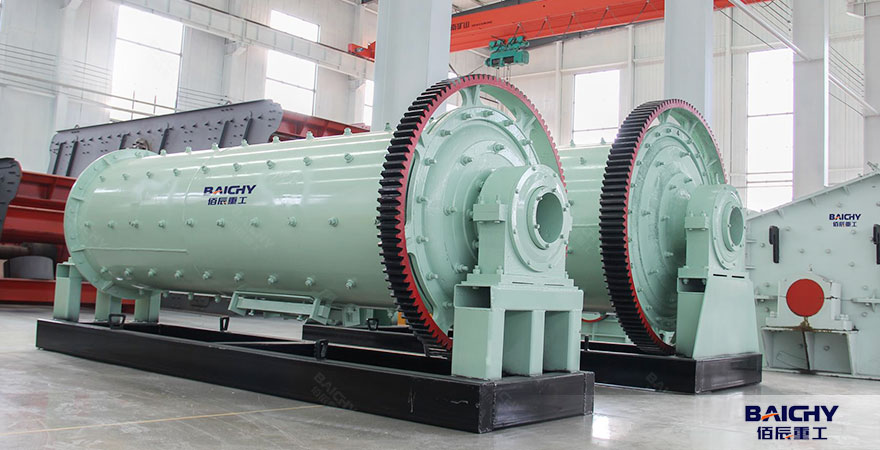
The main difference between ceramic ball mill and steel ball mill is that ceramic ball mills focus on clean and fine grinding with low contamination, while steel ball mills provide stronger impact force and higher production capacity for heavy-duty grinding applications.
1. What is a Ceramic Ball Mill? (The Purity Specialist)
A ceramic ball mill, often referred to as an iron-free ball mill or a ceramic-lined ball mill, is specifically engineered for industries where material purity is non-negotiable.
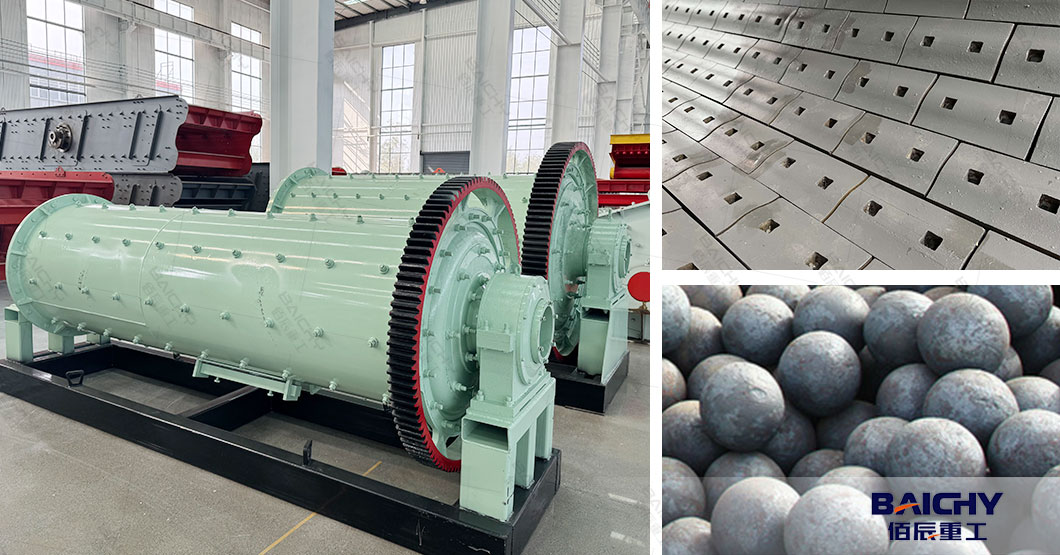
● Liner Material: The interior is lined with high-alumina bricks, porcelain, or silica.
● Grinding Media: It exclusively uses ceramic balls or pebbles.
● Core Advantage: The primary goal is to prevent metallic contamination. In industries like glass or ceramics, even a tiny amount of iron can ruin the color and quality of the final product.
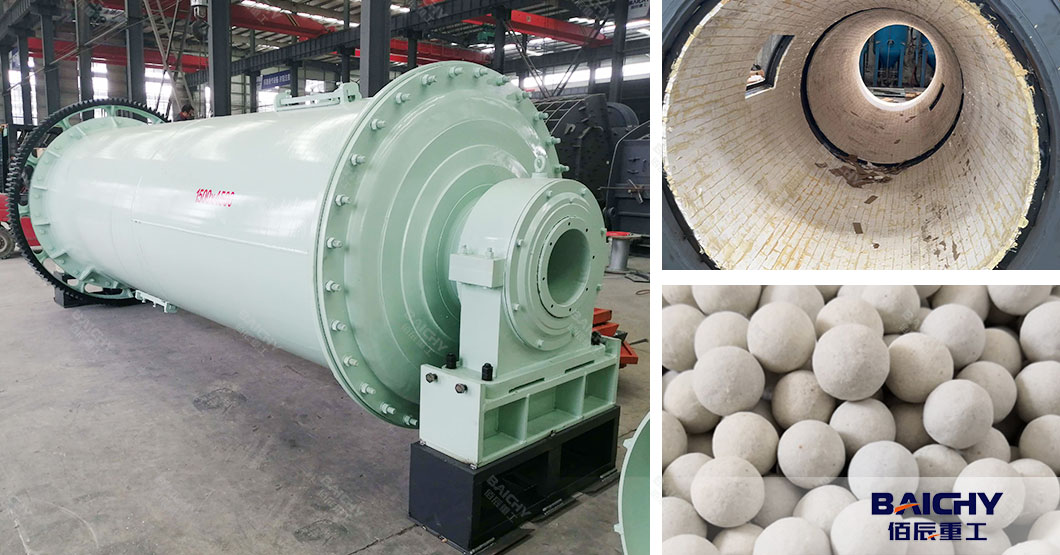
2. What is a Steel Ball Mill? (The Capacity Workhorse)
The steel ball mill is the standard in large-scale mining operations, such as gold, copper, and iron ore processing, as well as the cement industry.
● Liner Material: Typically uses high-manganese steel or high-chrome alloy steel.
● Grinding Media: Uses forged or cast steel balls of varying diameters.
● Core Advantage: It is built for scale and impact. It can handle large feed sizes and deliver massive throughput (TPH) by utilizing the high kinetic energy of heavy steel media.
3. The 5 Critical Differences You Must Know
1. Material Purity (The "Iron-Free" Factor)
The most significant difference is contamination. Steel ball mills inevitably introduce trace amounts of iron into the slurry due to liner and ball wear. Ceramic ball mills provide zero iron contamination, making them essential for high-value minerals like quartz, feldspar, and zircon.
2. Operation Mode: Batch vs. Continuous
● Ceramic Ball Mills: Frequently designed for batch operation. This allows for precise control over the grinding time and the resulting fineness (often reaching 325-1250 mesh).
● Steel Ball Mills: Almost always operate in continuous mode (Overflow or Grate type). They are designed to keep the material flowing constantly to maximize production volume.
3. Energy Efficiency and Weight
Ceramic liners and media are significantly lighter than their steel counterparts. This reduced rotating mass means that for the same volume, a ceramic ball mill often requires a smaller motor and consumes less electricity, particularly in fine grinding applications.
4. Feed Size and Impact Resistance
Steel ball mills excel at primary grinding because they can handle large, hard feed sizes (up to 25mm). Ceramic liners, while extremely hard and wear-resistant, are more brittle. They are best suited for pre-crushed materials (usually <10mm) or secondary fine grinding.
5. Maintenance Costs
Replacing ceramic bricks is a labor-intensive process that requires specialized adhesive and curing time. In contrast, metallic liners in a steel mill are bolted in, allowing for faster replacements but potentially more frequent ones depending on the ore's abrasiveness.
4. Comparison Table: Ceramic vs. Steel Ball Mill
| Feature |
Ceramic Ball Mill |
Steel Ball Mill |
| Liner Material |
Alumina Ceramic / Porcelain |
Manganese / Chrome Steel |
| Grinding Media |
Ceramic Balls / Flints |
Steel Balls (Forged/Cast) |
| Iron Contamination |
Zero / Iron-Free |
High / Trace Amounts |
| Operation Type |
Often Batch (Small-Medium) |
Continuous (Medium-Large) |
| Common Output Size |
325 - 1250 Mesh |
40 - 200 Mesh |
| Best For |
Quartz, Feldspar, Medical, Glass |
Gold, Copper, Cement, Coal |
| Energy Consumption |
Low (Lighter load) |
High (Heavy load) |
5. Application Matrix: Which One Should You Choose?
Choose a Ceramic Ball Mill if you are processing:
● Feldspar & Quartz: For the glass and ceramic industry where whiteness is key.
● Glazes & Pigments: Where color consistency is paramount.
● Chemicals & Pharmaceuticals: Where purity is a safety requirement.
Choose a Steel Ball Mill if you are processing:
● Metallic Ores: Gold, Silver, Iron, or Copper mines.
● Cement & Clinker: Where high-volume production is the priority.
● Aggregate Recycling: Processing construction waste for coarse grit.
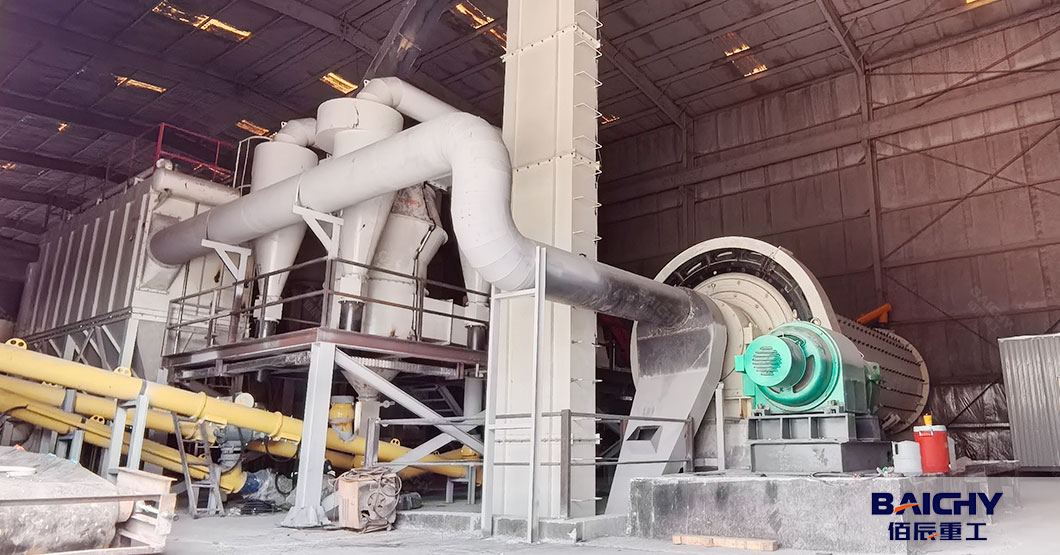
6. How Baichy Machinery Customizes Your Grinding Circuit
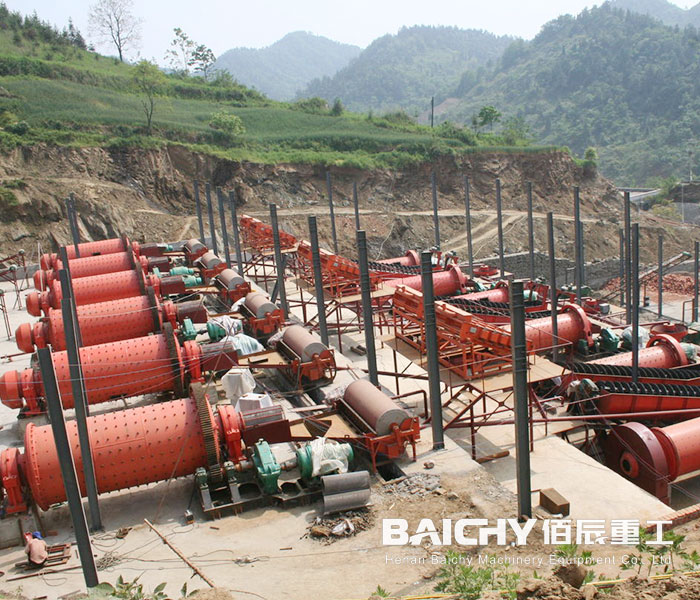
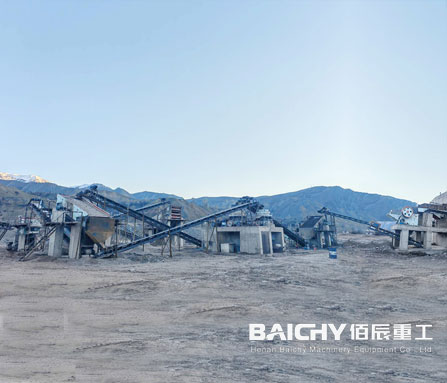
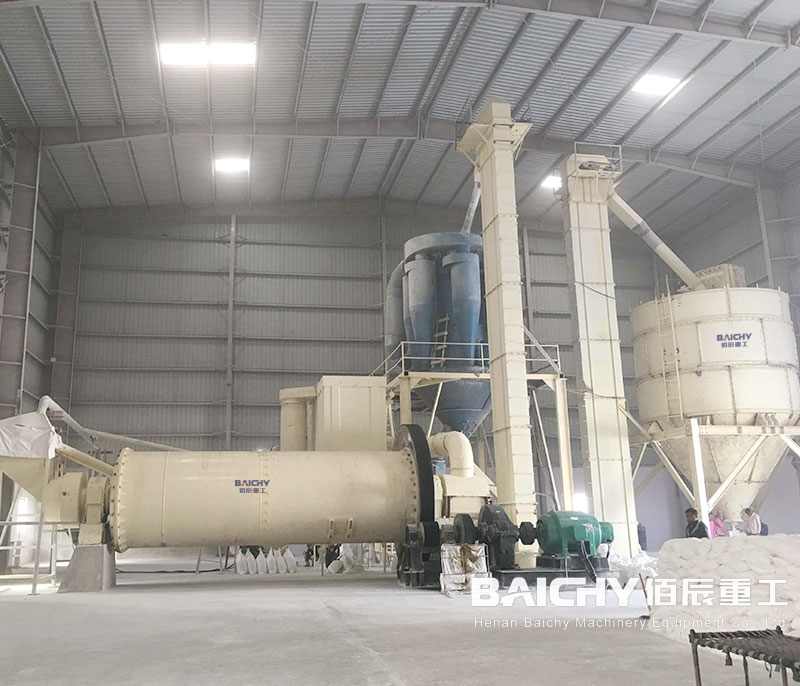
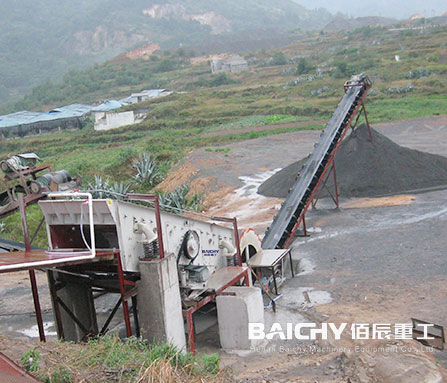
At Baichy Machinery, we understand that no two ores are the same. We have successfully implemented ceramic-lined batch mills for feldspar projects in India and large-scale overflow steel ball mills for gold mines in Ethiopia and Indonesia. Our technical team evaluates your ore’s Mohs hardness, feed moisture, and required fineness to design a customized grinding circuit. We ensure that your equipment matches your production goals while minimizing your operational expenditure (OPEX). Contact Ready to optimize your project production? Contact us to get a customized technical proposal and the latest price list.
Whatsapp: +86-15093113821
email: vip@baichy.com
FAQ About Fine Powder Ball Grinding Mill
Q: Can I put steel balls in a ceramic ball mill?
A: No. The high impact and weight of steel balls will crack and destroy ceramic liners almost instantly. Always match the media to the liner material.
Q: Which mill is better for wet grinding?
A: Both work well for wet grinding. However, for acidic slurries, ceramic or rubber liners are superior to steel due to their chemical resistance.
Q: Is a ceramic ball mill more expensive?
A: The initial investment for ceramic liners can be higher, but for high-purity minerals, the ability to sell a "super-white" or "iron-free" product allows for a much higher market price and better ROI.




 2026-09-17





 86-15093113821
 86-15093113821