Home About us
Products
News
Solution
Video Service Contact us
Home  /  News

Cassiterite is the most important tin-bearing mineral and the primary source of industrial tin production. Because cassiterite is usually associated with quartz, feldspar, mica, and other gangue minerals, the ore needs to undergo crushing, grinding, and beneficiation processes to improve tin recovery. In a cassiterite ore processing plant, the ball mill plays a key role in the grinding stage. It reduces crushed tin ore into suitable particle sizes, helping to achieve effective mineral liberation and improving the efficiency of subsequent gravity separation, flotation, or magnetic separation processes.


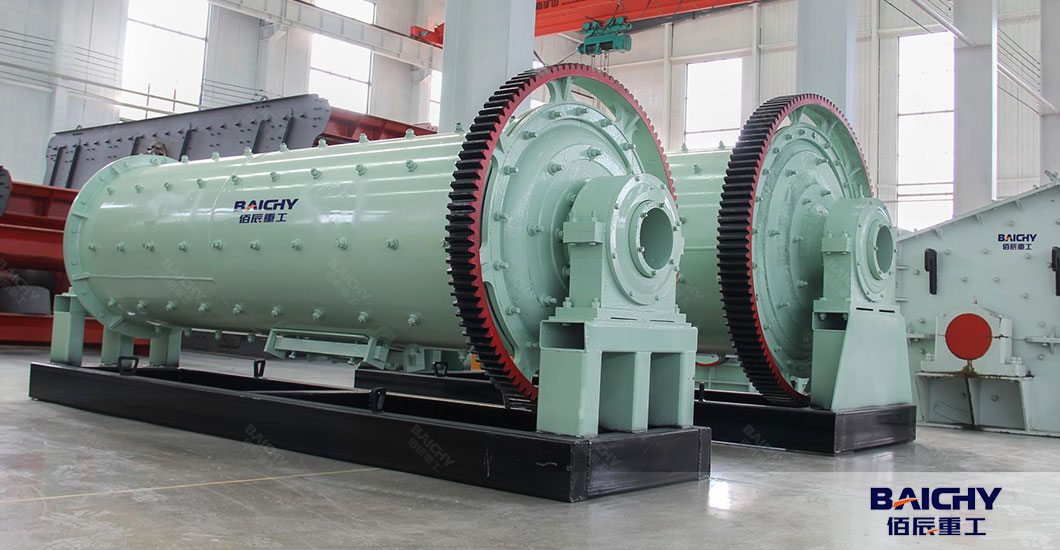
Cassiterite Ore Ball Mill.jpg


What Is a Cassiterite Ore Ball Mill?

A cassiterite ore ball mill is a type of grinding equipment that uses steel balls as grinding media to crush and grind tin ore particles through impact and friction.

After the cassiterite ore is crushed by a jaw crusher or other crushing equipment, the material enters the ball mill. During operation, the rotating cylinder lifts the grinding media and ore particles, causing repeated impact and grinding. The final product is discharged after reaching the required particle size.

Ball mills are widely used in mineral processing plants because they can handle various ores, provide stable grinding performance, and work continuously in large-scale production.


Why the Cassiterite Ore Ball Mill is Essential

1. Controlled Particle Size Distribution

A specialized ball mill for tin ore allows for precise control over the discharge size. In tin processing, the goal is often to reach a liberation size of 0.074mm to 0.2mm (75-200 mesh). Achieving this range with a narrow particle size distribution is key to downstream gravity separation efficiency.


2. High Abrasion Resistance

Cassiterite often occurs alongside quartz or silicate minerals, which are highly abrasive. Quality ball mills for this application feature:

  ● High-Manganese Steel Liners: To withstand impact and friction.
  ● Alloy Steel Grinding Balls: To maintain grinding efficiency over long periods.


3. Overflow vs. Grate Discharge

For cassiterite, an Overflow Type Ball Mill is often preferred in the secondary grinding stage to prevent over-grinding, while a Grate Discharge Ball Mill may be used in the primary stage for faster throughput and coarser discharge.


Cassiterite Ore Ball Mill Grinding Process


A typical cassiterite ore processing line includes several stages:

1. Crushing Stage

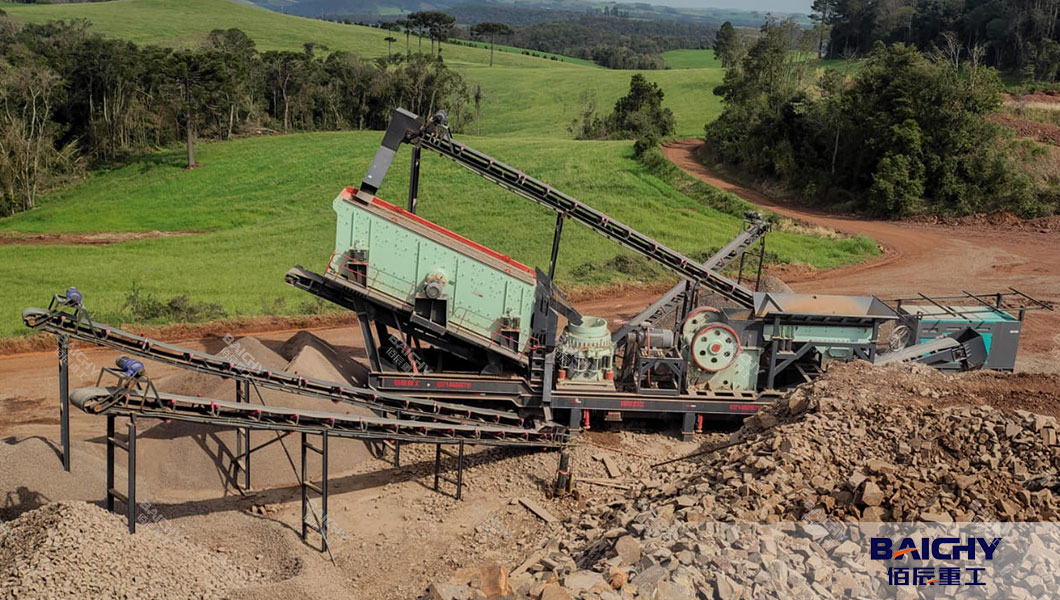
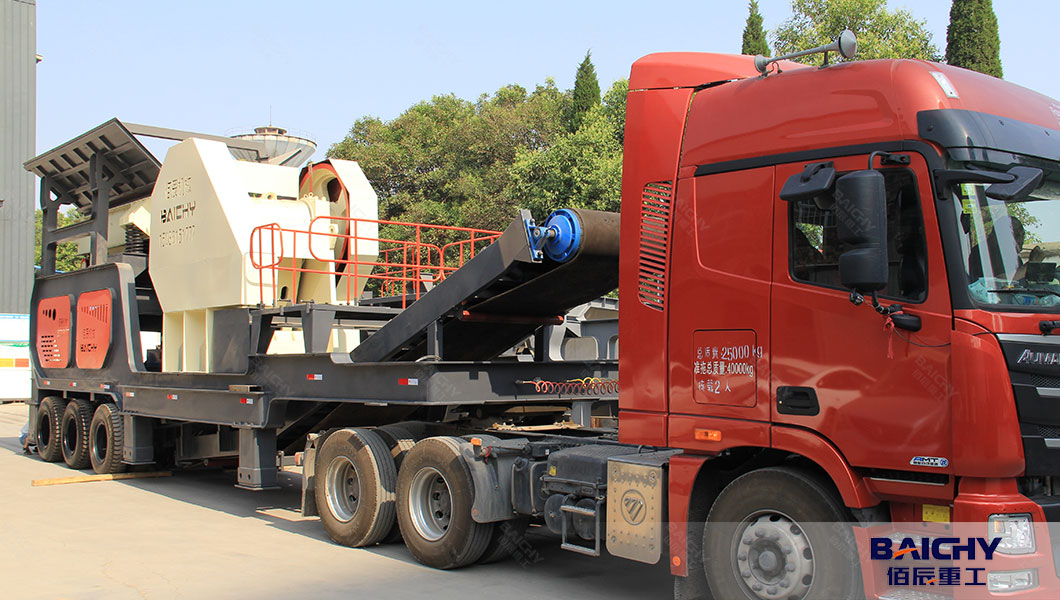
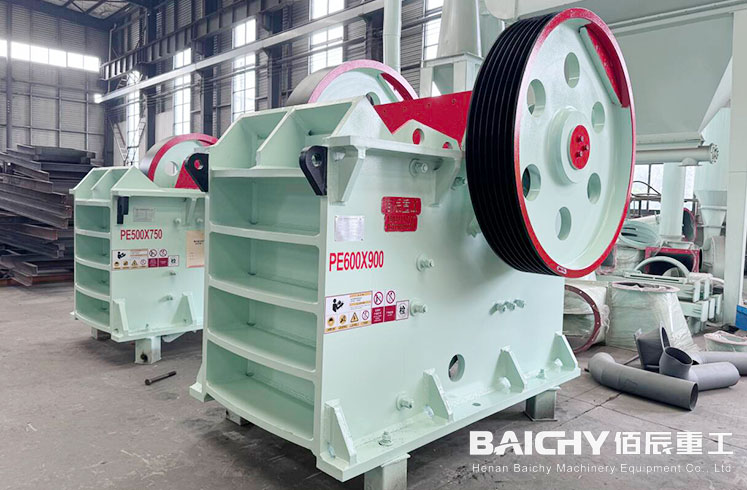
Large cassiterite ore is first fed into a jaw crusher for primary crushing. The raw ore is reduced from large rocks into smaller particles suitable for grinding.

For large processing plants, cone crushers or impact crushers may be used for further size reduction.


2. Grinding Stage

The crushed tin ore enters the ball mill through a feeding system. Inside the mill, steel balls grind the ore until it reaches the required fineness.

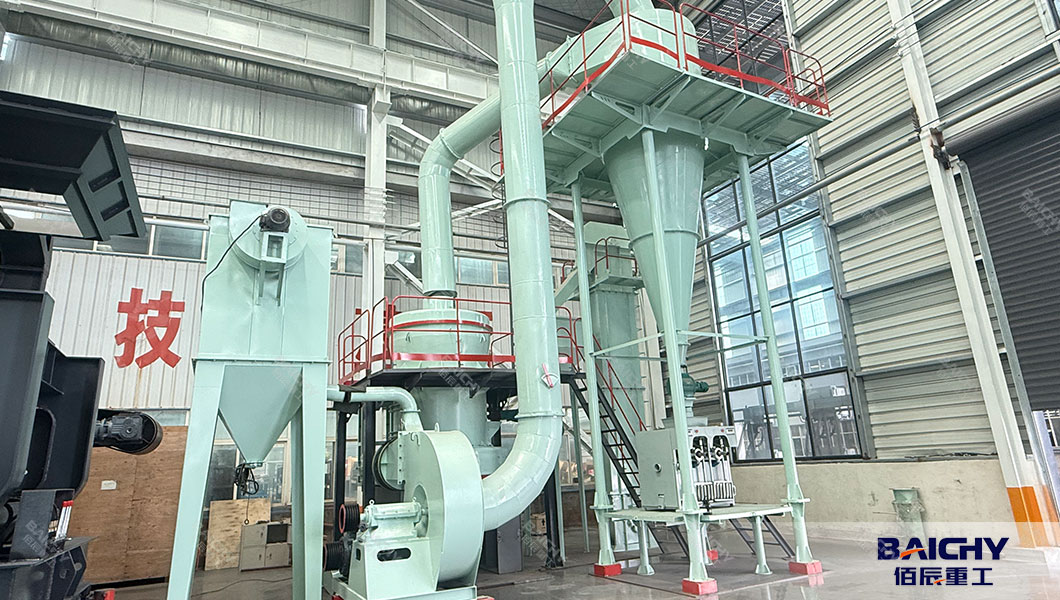
The grinding product is then sent to classification equipment. Coarse particles return to the ball mill for further grinding, while qualified particles proceed to the beneficiation stage.


3. Beneficiation Stage

After grinding, cassiterite minerals are separated from gangue minerals through suitable beneficiation methods.

Common methods include:

  ● Gravity separation
  ● Flotation
  ● Magnetic separation

Because cassiterite has a relatively high density, gravity separation is commonly used in many tin ore beneficiation plants.


Optimization Strategies for Tin Grinding

1. Closed-Circuit Grinding

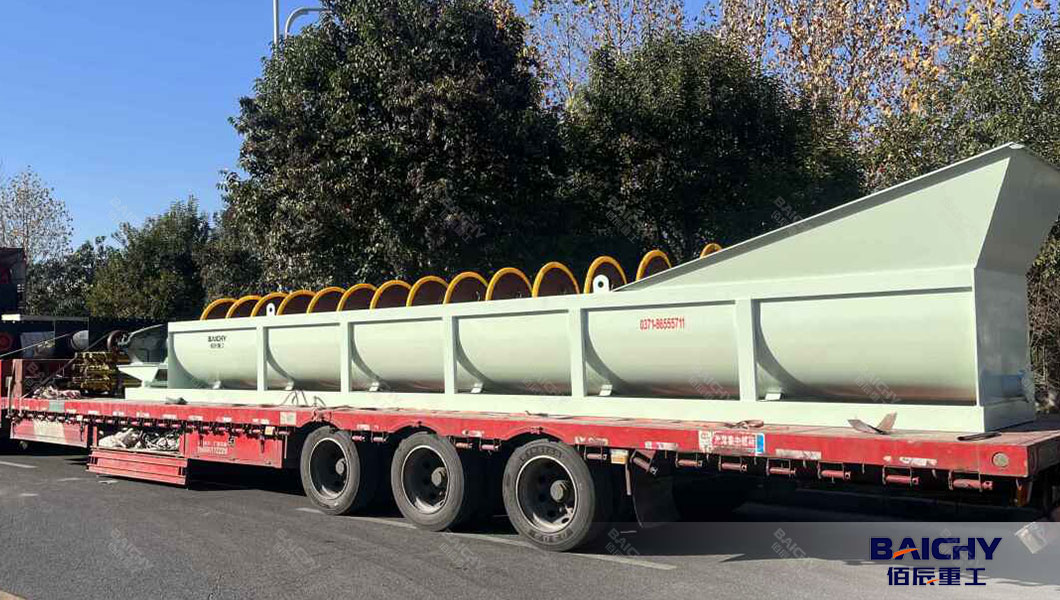
To prevent sliming, it is highly recommended to operate the Cassiterite Ore Ball Mill in a closed circuit with a spiral classifier or hydrocyclone. This allows correctly sized particles to exit the system immediately, while only the oversized material returns to the mill for further grinding.


2. Ball Charge Optimization

Using a mix of different ball diameters ensures that larger chunks of ore are crushed while smaller grains are polished, maintaining a steady output and reducing energy consumption per ton of ore


Choosing the right Cassiterite Ore Ball Mill is not just about throughput; it’s about protecting your mineral value. By focusing on preventing over-grinding and selecting wear-resistant components, mine operators can significantly increase the ROI of their tin processing lines.


Maybe you are interested in