Sizing a jaw crusher correctly is the most critical step in designing an efficient aggregate or mining plant. If you choose a machine that is too small, massive rocks will frequently get stuck in the feed opening. This frustrating problem is known as bridging or plugging, and it will quickly bring your entire production line to a grinding halt. On the other hand, buying an oversized crusher wastes precious capital and causes the machine to run half-empty, leading to severe energy inefficiencies. In this comprehensive guide, we will teach you exactly how to properly size a jaw crusher by understanding its physical parameters, calculating the maximum feed size, and setting your target discharge size.
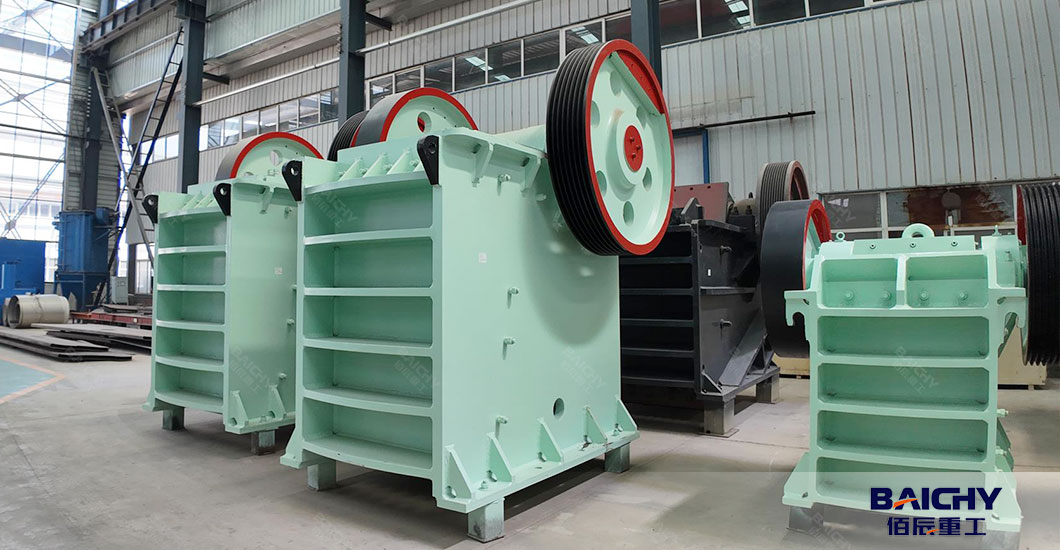
Understanding Jaw Crusher Measurements
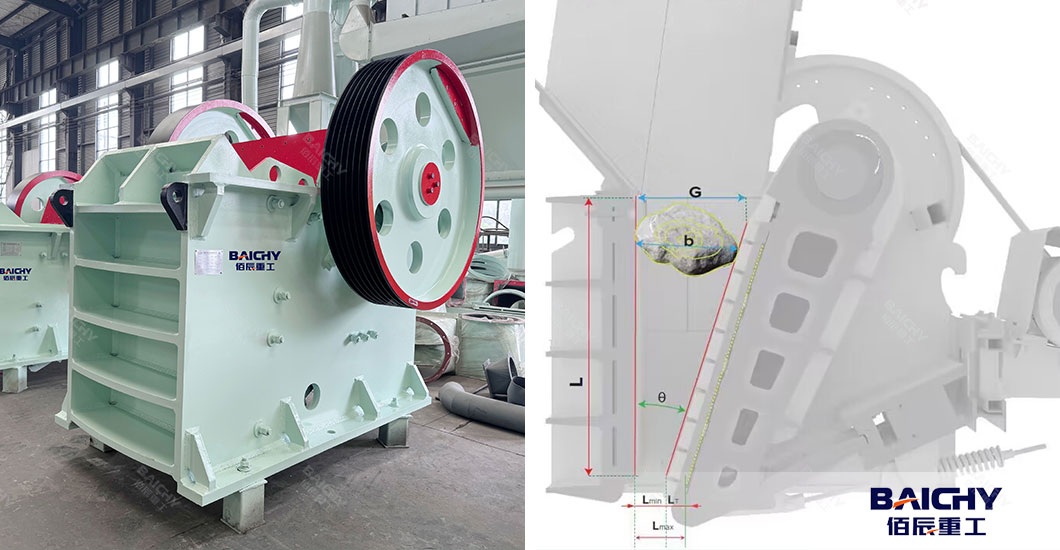
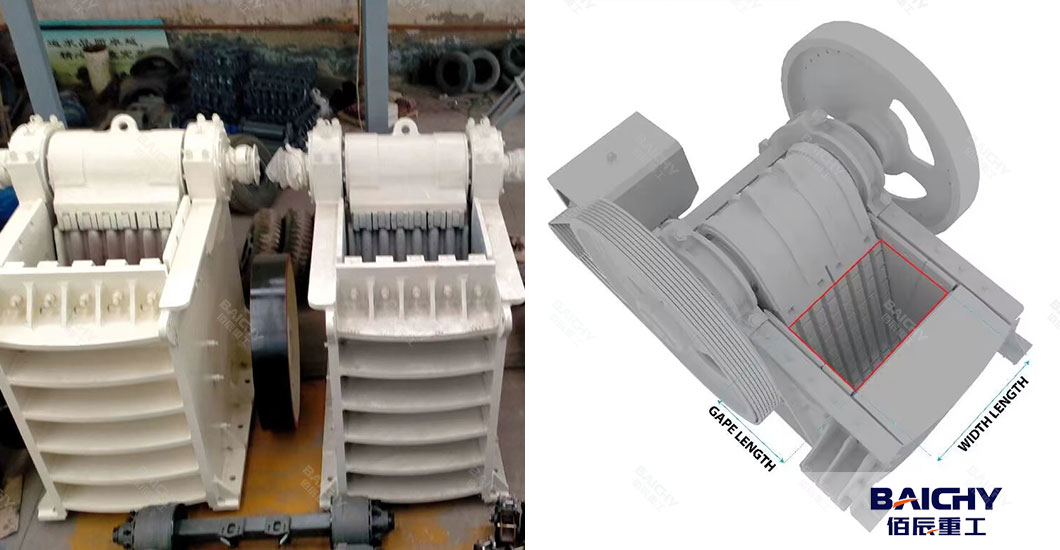
To size a jaw crusher, you must first understand how to read its physical measurements. When you look at a manufacturer's catalog, you will typically see a size designation like 42x54 or 24x36. These numbers represent the exact dimensions of the crusher's top feed opening. The first number indicates the gape, which is the straight-line measurement of the depth between the stationary jaw die and the moving jaw die at the very top of the crushing chamber. The second number represents the width, which is the internal distance across the crushing chamber from one side liner to the other. Understanding the gape and width is your foundational step. These two parameters dictate exactly how large of a rock the machine's mouth can swallow without causing a blockage.
The Golden 80% Rule for Maximum Feed Size
Here is the most important rule in the crushing industry: a jaw crusher's gape does not equal the maximum rock size it can process. To ensure that rocks flow smoothly into the chamber without getting stuck, you must strictly follow the golden 80% rule. This rule states that your maximum allowable feed size should never exceed 70 to 80 percent of the machine's gape measurement. For example, if you are looking at a 40x51 jaw crusher, the gape is 40 inches. By multiplying 40 by 0.80, you find that the absolute maximum rock size this machine can safely handle is 32 inches. If your blasting team routinely produces 36-inch boulders, this machine is simply too small for your operation. In that scenario, you would divide your 36-inch rock by 0.80 to realize you need a crusher with a gape of at least 45 inches. Following this mathematical rule will save you from endless hours of clearing plugged feed openings.
Determining Product Size and Closed Side Setting
While the top opening dictates the overall size of the machine you need, the bottom opening determines the size of your final product. Once you have calculated the correct gape, you must look at the crusher's Closed Side Setting, commonly known as the CSS. The CSS is the distance between the two jaw dies at the very bottom of the chamber when the moving jaw is at its closest point to the stationary jaw during the crushing cycle. You must ensure that your chosen machine can adjust its CSS to match the required feed size of your secondary crushers, such as a cone or impact crusher. Additionally, you should consider the machine's reduction ratio, which usually operates best between a 4:1 and 6:1 ratio. Forcing a jaw crusher to shrink a massive rock into a tiny pebble in a single pass will drastically reduce your throughput and cause severe wear on the jaw plates.
Estimating Jaw Crusher Capacity
Finding the right physical dimensions is only half the battle, because you must also verify that the machine can meet your tonnage requirements. A jaw crusher's overall capacity is influenced by several dynamic variables rather than just its size. Manufacturer capacity charts are almost always based on choke feeding, which means the crushing chamber is continuously kept full of material to maximize efficiency. Your specific rock's bulk density also plays a massive role in estimating throughput. For instance, a chamber full of heavy iron ore will yield a much higher tonnage per hour than the same volume of lighter limestone, which often averages around 100 pounds per cubic foot. Furthermore, your CSS directly impacts your capacity. If you tighten the CSS to produce smaller rocks, the material takes much longer to pass through the chamber, which will naturally lower your total tons per hour.
Common Sizing Mistakes to Avoid
Even experienced operators can make costly mistakes during the sizing process if they are not careful. The most common sizing mistake is taking the maximum size of the raw blasted rock and matching it exactly to the crusher's gape size. As we learned from the 80% rule, doing this will inevitably lead to bridging and constant machine blockages. Another frequent error is looking solely at the throughput numbers on a brochure while completely ignoring the abrasiveness and hardness of the rock. Pushing highly abrasive and incredibly hard materials through a crusher at maximum theoretical capacity will overload the motor and destroy the wear parts prematurely. You must always adjust your capacity expectations based on the specific geological properties of your material.
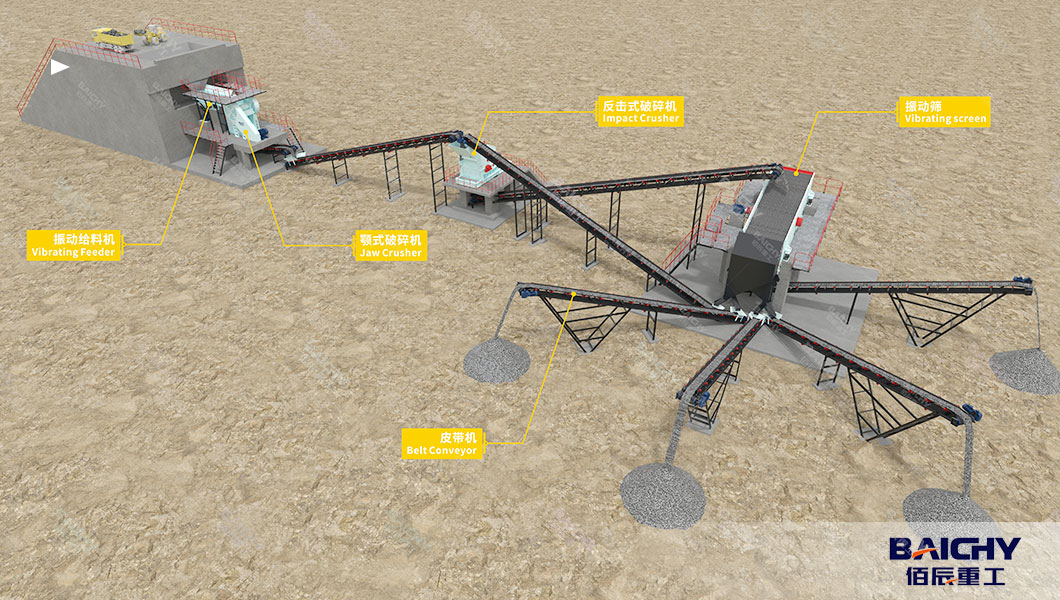
Correctly sizing a jaw crusher requires a careful balancing act between three major factors. You must use the 80% rule to accommodate your maximum feed size, adjust your CSS to achieve the desired product size, and calculate your required throughput based on material density. By mastering these concepts, you can build a highly efficient and profitable crushing plant that avoids costly downtime. If you are ever unsure about the math or how your specific rock will behave inside the chamber, we highly recommend consulting with a professional crushing equipment engineer , like Baichy Machinery, who can run the exact calculations and help you make the perfect selection.
People Also Frequently Asked For - FAQ
Q1: What does a size designation like "24x36" mean for a jaw crusher?
A: These numbers refer to the dimensions of the crusher's top feed opening. The first number (24 inches) represents the "gape," which is the depth between the two jaw plates at the top. The second number (36 inches) represents the internal "width" of the crushing chamber from side to side.
Q2: How do I calculate the maximum rock size a jaw crusher can safely handle?
A: You should always use the "80% Rule" to prevent rocks from getting stuck in the feed opening. Simply take the gape measurement (the first number of the crusher's size) and multiply it by 0.8. For example, if your crusher has a 40-inch gape, the maximum feed size it can safely process is 32 inches.
Q3: What is the Closed Side Setting (CSS) and why is it important?
A: The Closed Side Setting (CSS) is the gap between the two jaw plates at the very bottom of the crushing chamber when they are closest together. It is highly important because it dictates the final size of the crushed rocks leaving the machine. Adjusting the CSS also directly affects your crusher's total capacity and throughput




 2026-10-26





 86-15093113821
 86-15093113821