Basalt is a hard and durable volcanic rock widely used in road construction, concrete production, railway ballast, and other infrastructure projects. Because of its strength and abrasion resistance, basalt requires reliable crushing equipment and a well-designed production process. When customers plan to build a basalt crushing plant, one of the most common questions is: “How much does a basalt crushing plant cost?”
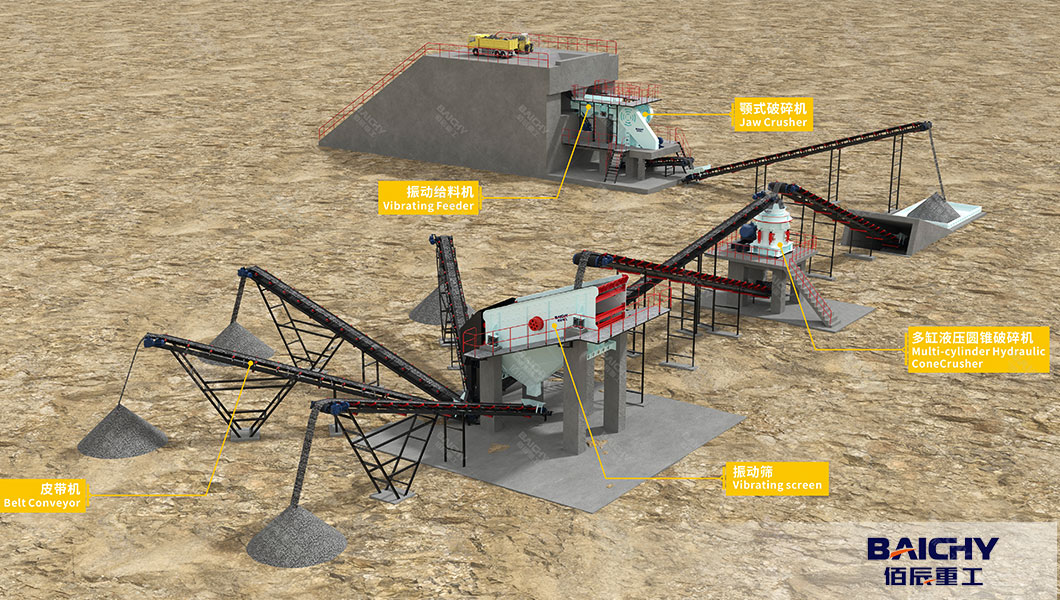
There is no fixed price for a basalt crushing plant because the total investment depends on many factors. The equipment configuration, production capacity, raw material conditions, plant layout, and long-term operating requirements all influence the final cost. Understanding these factors helps quarry owners and investors make a more suitable decision before purchasing equipment.
1. Production Capacity Affects Basalt Crushing Plant Cost
The required production capacity is one of the most important factors influencing the cost of a basalt crushing plant.
A small-scale plant with a capacity of tens of tons per hour requires fewer machines and a simpler process. A large-scale plant designed for hundreds of tons per hour needs stronger crushers, larger feeding systems, more screening equipment, and a more complete material handling system.
For example, a 50 tph basalt crushing plant and a 200 tph basalt crushing plant have different equipment requirements. The larger plant usually requires a higher initial investment because it needs more powerful machines and a larger supporting system.
Therefore, customers should first determine their expected output based on market demand rather than choosing equipment only by size.
2. Basalt Characteristics Influence Equipment Selection
The properties of basalt directly affect crusher selection and plant cost.
Basalt is harder and more abrasive than many other common stones. It can cause faster wear on crusher parts if unsuitable equipment is selected.
Important material factors include:
● Rock hardness
● Feed size after blasting
● Abrasiveness
● Moisture content
● Required final product size
For hard basalt, customers usually need equipment with strong crushing force and wear-resistant components. Although this may increase the initial equipment cost, it can help reduce frequent maintenance and replacement expenses during operation. A suitable crushing solution should balance equipment investment and long-term operating cost.
3. Crushing Process Design Determines Equipment Cost
The crushing process configuration has a direct impact on the total plant investment.
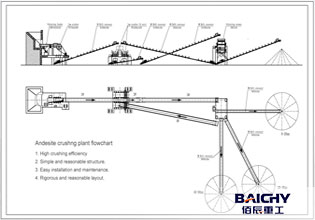
A basic basalt aggregate production line may include:
Feeding system → Primary crushing → Screening → Finished product
For higher-quality aggregates or smaller particle sizes, additional crushing stages may be required:
Feeding → Jaw crusher → Cone crusher → Screening → Fine crushing or sand making
More crushing stages mean more equipment, which increases the initial cost. However, a properly designed process can improve product quality, reduce unnecessary crushing, and increase production efficiency.
The best design depends on the customer's final product requirements.
4. Equipment Type and Configuration Affect Investment
Different types of crushers have different costs and performance characteristics.
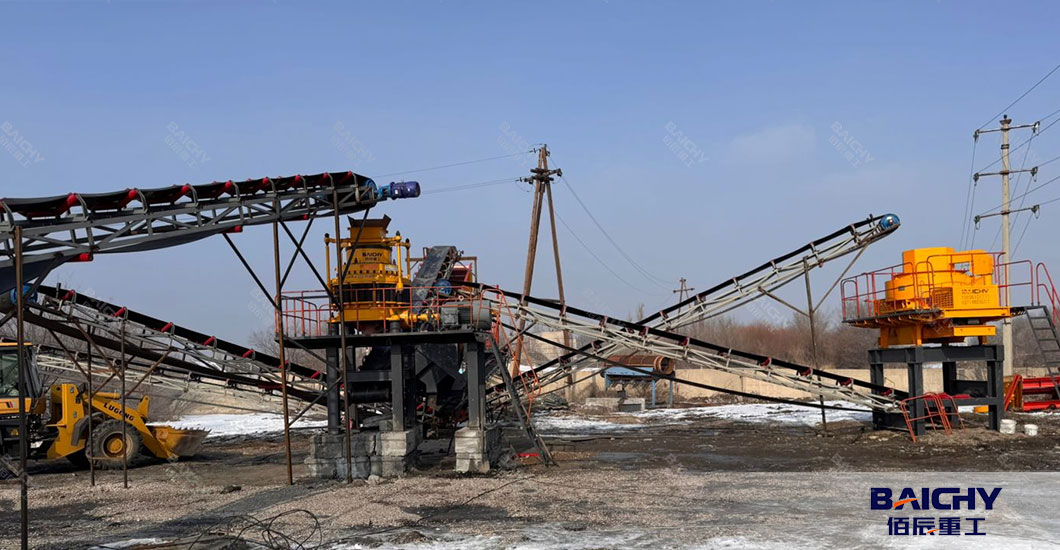
For basalt crushing, common equipment includes:
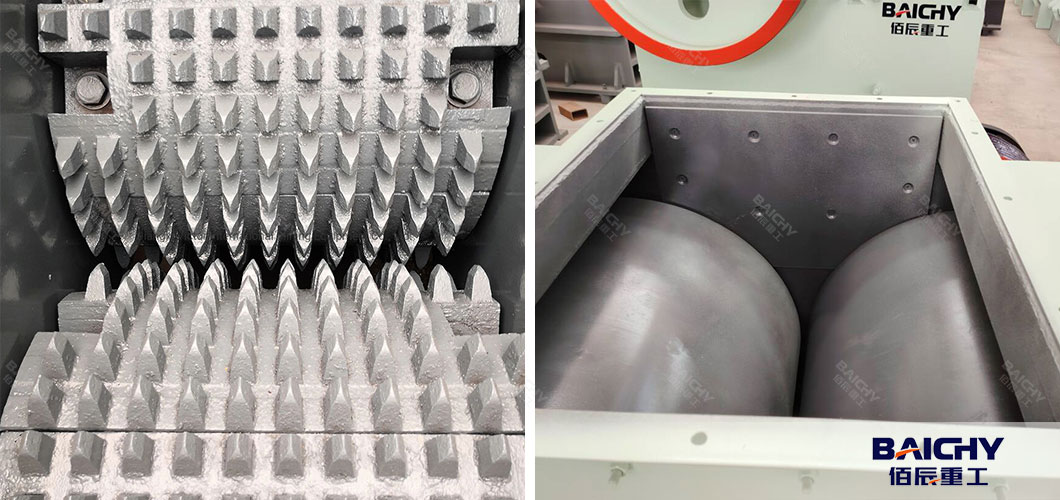
● Jaw crusher: Usually used for primary crushing. It handles large feed sizes and provides strong crushing performance.
● Cone crusher: Commonly used for secondary crushing of hard rock. It offers good wear resistance and stable product size.
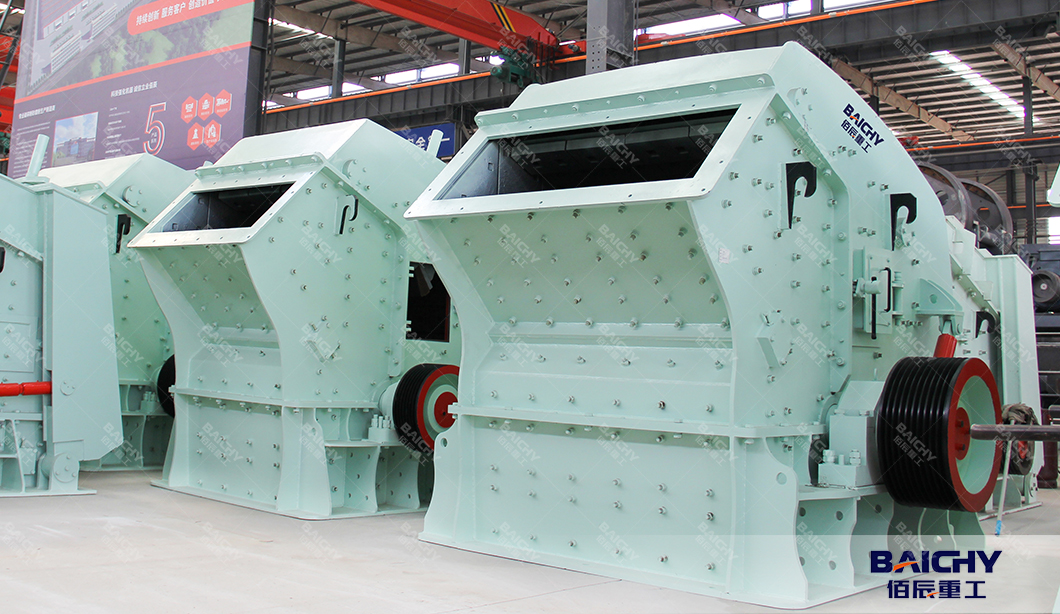
● Impact crusher: Sometimes used when better particle shape is required, but wear costs may be higher when processing highly abrasive basalt.
● In addition to crushers, the plant cost also includes feeders, vibrating screens, conveyors, electrical systems, and other auxiliary equipment.
A complete plant cost is not determined by one crusher alone but by the entire production system.
5. Stationary or Mobile Design Changes the Cost
The choice between a stationary basalt crushing plant and a mobile crushing plant also affects investment.
A stationary plant usually requires:
● Site preparation
● Equipment foundation
● Material storage areas
● Permanent installation
It is suitable for long-term quarry operations with stable production requirements.
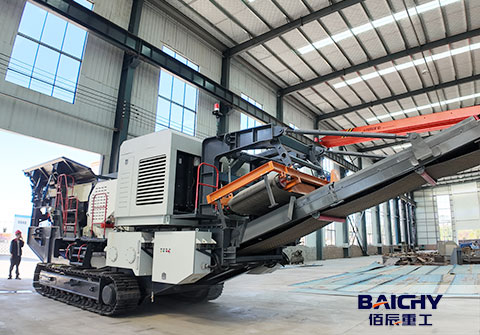
A mobile crushing plant integrates crushing equipment on a movable platform. It provides flexibility and reduces the need for permanent infrastructure, making it suitable for projects that require frequent relocation.
The choice depends on project duration, site conditions, and transportation requirements.
6. Plant Layout and Site Conditions Influence Construction Cost
The physical conditions of the crushing site also affect the overall budget.
Factors such as:
● Available land area
● Terrain conditions
● Distance between equipment
● Material transportation routes
● Power supply availability
can influence plant design and installation work. A well-planned layout can reduce unnecessary material movement and improve operational efficiency. Poor layout design may increase construction difficulty and future operating costs. Therefore, site investigation is an important step before final equipment selection.
7. Installation, Commissioning, and After-Sales Service Costs
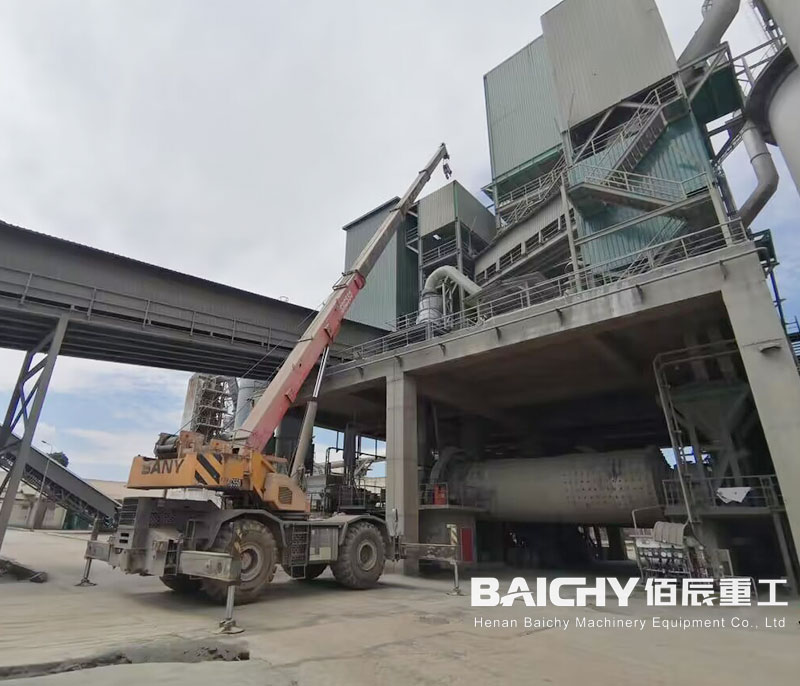
A basalt crushing plant is not only an equipment purchase. Installation, commissioning, operator training, and spare parts supply are also important parts of the project.
Professional installation helps ensure:
● Correct equipment operation
● Stable production performance
● Reduced early-stage problems
Reliable after-sales support is also valuable because crushers work under heavy loads and require regular maintenance. Customers should consider the complete service capability of the supplier instead of focusing only on the equipment price.
8. Operating Costs Should Be Considered Before Investment
The initial purchase cost is only part of the total investment. Long-term operating costs are equally important.
Main operating expenses include:
● Electricity consumption
● Wear part replacement
● Maintenance labor
● Equipment downtime
● Spare parts availability
For basalt processing, wear resistance is especially important because the material can accelerate component wear. A slightly higher initial investment in suitable equipment may help reduce long-term production costs.
How to Reduce Basalt Crushing Plant Cost?
Reducing cost does not always mean choosing the cheapest equipment. A more practical approach is to improve the overall investment efficiency.
Customers can reduce unnecessary expenses by:
● Selecting equipment based on actual production needs
● Avoiding excessive capacity design
● Choosing a reasonable crushing process
● Planning the plant layout carefully
● Considering maintenance and spare parts availability
A professional equipment supplier can help optimize the configuration and avoid unnecessary investment.
Baichy Basalt Crushing Plant Solution
Baichy Machinery provides customized basalt crushing plant solutions for quarry and aggregate production projects.
Based on different customer requirements, Baichy designs crushing systems according to:
● Production capacity
● Basalt characteristics
● Final aggregate size
● Site conditions
● Investment objectives
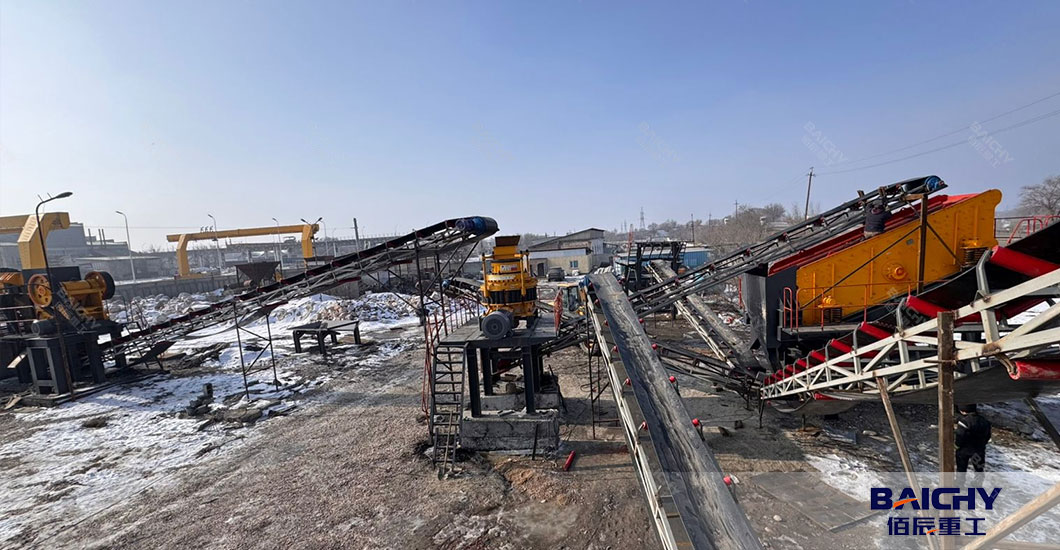
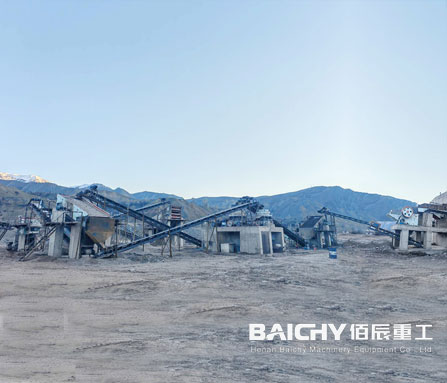
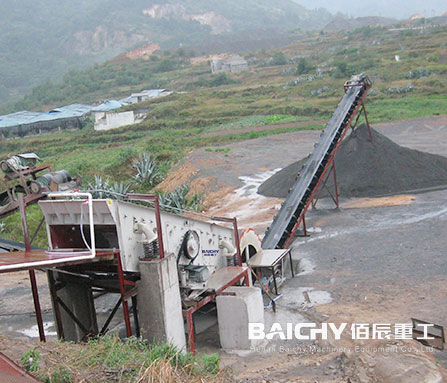
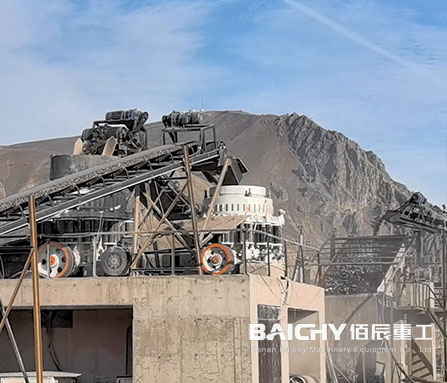
A typical basalt crushing plant may include jaw crushers, cone crushers, vibrating screens, feeders, and belt conveyors. With professional engineering design, equipment manufacturing, installation guidance, and after-sales support, Baichy helps customers build efficient and reliable basalt aggregate production lines.
FAQ About Basalt Crushing Plant Cost
1. What is the biggest factor affecting basalt crushing plant cost?
Production capacity and equipment configuration are usually the main factors affecting the investment because they determine the size and quantity of required equipment.
2. Is basalt expensive to crush?
Basalt crushing can have higher operating costs than softer rocks because basalt is hard and abrasive, which may increase wear part consumption.
3. Is a mobile basalt crushing plant cheaper than a stationary plant?
Not always. A mobile plant may reduce infrastructure costs, while a stationary plant may provide better efficiency for long-term large-scale production.
4. How can I get an accurate basalt crushing plant cost?
The cost depends on specific project conditions, including capacity, material characteristics, product requirements, and plant design. A customized quotation requires these details.




 2026-10-10





 86-15093113821
 86-15093113821