Jaw crushers are the heartbeat of mining, aggregate, and recycling plants. As the ultimate primary crusher, they take the first hit from massive boulders. But when you enter the market, the price tags can be incredibly confusing. You might see a tiny machine for $800 and a massive tracked crusher for $1.5 million. Why is there such a huge gap?
This comprehensive price guide is designed to clear the confusion. We will break down exactly how much different types of jaw crushers cost. You will learn about hidden fees, the difference between mobile and stationary units, and what actually drives the price. Let’s dive into the real costs to help you make the smartest equipment investment.
Jaw Crusher Price Breakdown by Type and Capacity
Mini and laboratory jaw crushers are the cheapest option, usually ranging from $800 to $15,000. These tiny machines are built strictly for lab testing or very small-scale artisanal mining. They handle just a few tons per hour. If you only need to crush small sample rocks, this highly affordable, compact equipment is exactly what you need.
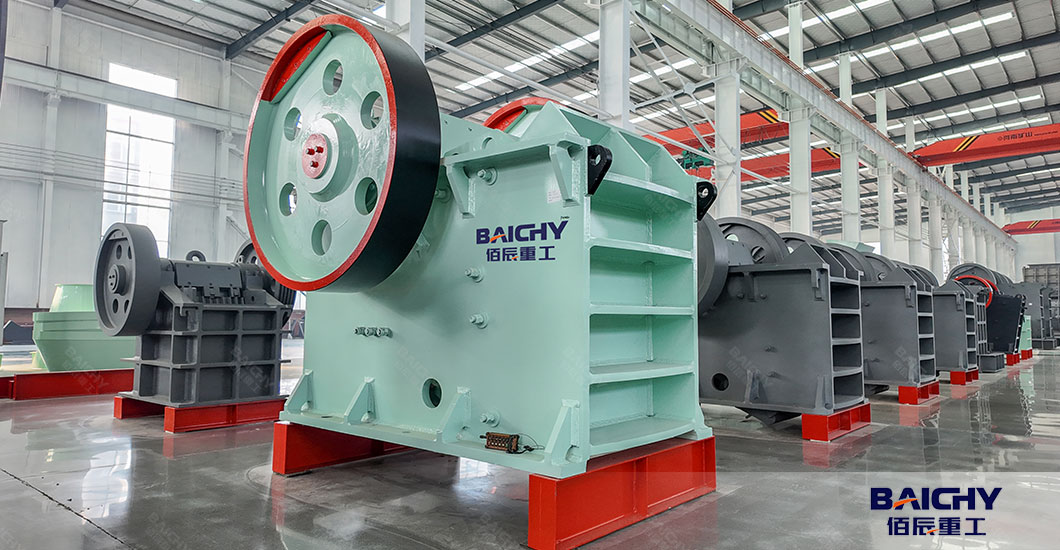
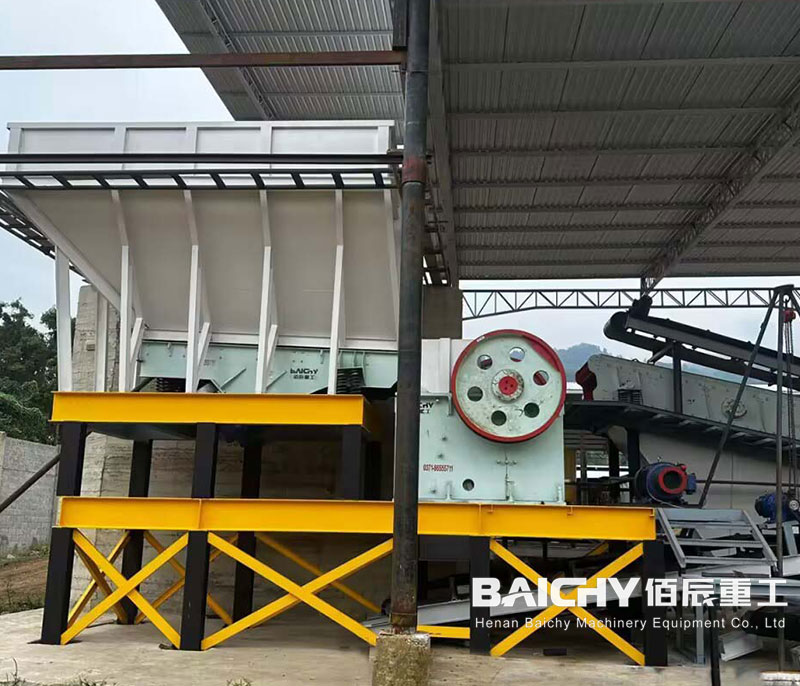
Small to medium stationary jaw crushers typically cost between $15,000 and $150,000. These are the classic PE series crushers used in most standard quarries. They easily process 50 to 100 tons per hour. While they offer incredible value and extreme durability, keep in mind that they require a permanent concrete foundation to operate safely.
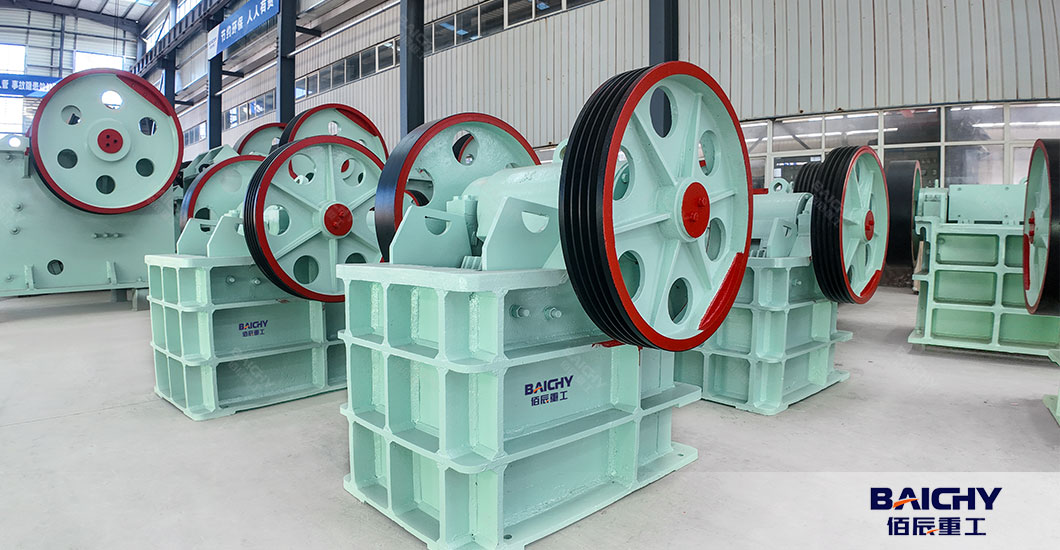
Large industrial double toggle jaw crushers range from $50,000 to well over $200,000. Built for mega-mining operations, these beasts easily chew through the hardest rocks on earth. They feature massive feed openings and heavily reinforced steel frames. If your quarry deals with extremely abrasive granite, this heavy-duty machine is essential.
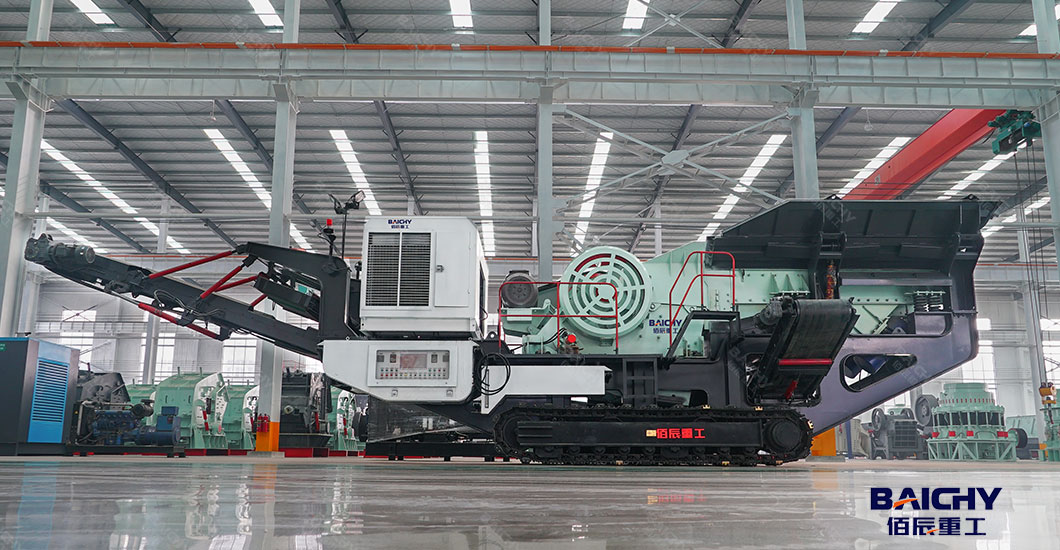
Mobile and tracked jaw crushers are the most expensive, costing anywhere from $150,000 to over $1,500,000. Why the high price? They come with their own steel tracks, diesel generators, and vibrating feeders. You can drive them directly to the rock face. They save you massive amounts of money on hauling trucks and concrete foundation work.
New vs. Used Jaw Crushers: Which is the Better Investment?
Buying a brand-new jaw crusher guarantees you get the latest energy-saving technology. You receive a full manufacturer warranty, zero hidden wear and tear, and maximum lifespan. While the initial investment is obviously higher, the peace of mind and significantly lower maintenance costs often make it the most profitable choice in the long run.
Used jaw crushers can save you cash upfront. For instance, a slightly used mobile crusher might sell for $190,000 instead of $300,000. However, buying used comes with serious risks. You might inherit invisible micro-cracks in the frame or worn-out internal bearings. Without a warranty, a sudden mechanical failure could wipe out your savings.
5 Key Factors That Influence Jaw Crusher Prices
Capacity and size dictate the baseline price. A machine built to crush 500 tons per hour will naturally cost exponentially more than a 50-ton-per-hour model. Simply put, bigger machines require massive cast steel components and gigantic motors. Always choose a size that perfectly matches your daily production goals to avoid overspending.
Mobility is the biggest price multiplier. A standard stationary crusher is highly affordable. But once you mount that same crusher onto a self-propelled crawler track with a diesel engine, the price skyrockets. You are no longer just buying a crusher; you are buying a complex, heavy-duty vehicle designed to navigate rugged quarry terrain.
Build quality and materials separate cheap machines from reliable ones. High-end crushers use premium SKF bearings and top-tier high-manganese steel jaw plates. Cheaper machines use low-grade iron that wears out quickly. Paying a bit more for superior metallurgy ensures your machine won't break down when crushing highly abrasive materials.
The Hidden Costs of Owning a Jaw Crusher
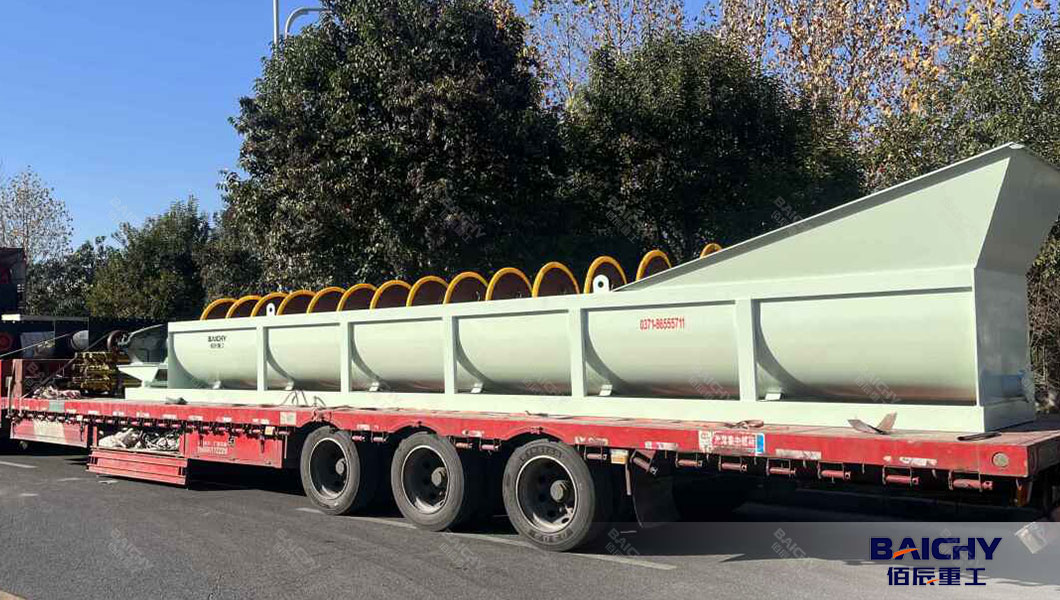
The sticker price is never your final cost. Shipping and logistics can be incredibly expensive. Moving a 30-ton piece of solid steel across the ocean or across the country requires specialized flatbed trucks and heavy cranes. Always ask your manufacturer to include freight and customs clearance estimates when you request an initial quote.
Installation and civil engineering are major hidden expenses for stationary setups. You cannot just drop a jaw crusher on the dirt. You must pour a massive, reinforced concrete foundation to absorb the violent vibrations. You will also need to build strong steel platforms and walkways. This construction work takes serious time and capital.
Wear parts and energy consumption make up your daily operating costs. Jaw plates naturally wear down over time and must be replaced. Furthermore, running a massive electric motor or a heavy diesel engine takes a lot of power. Over a ten-year lifespan, the cost of electricity or diesel will actually exceed the original price of the machine.
How to Get the Best Deal on Your Next Jaw Crusher
To get the best deal, accurately evaluate your material first. Don't buy a massive, oversized crusher if your rocks are naturally small. Next, always request a highly detailed quote. Make sure the price includes essential accessories like the motor, the drive belts, and the control cabinet so you aren't hit with unexpected upcharges later.
Finally, look beyond the initial purchase price. Focus on the total cost of ownership. A slightly more expensive crusher from a reputable manufacturer will save you thousands in avoided breakdowns. Partnering directly with a top-tier factory eliminates middleman markups, ensuring you get premium heavy machinery at a highly competitive price.
Understanding jaw crusher prices is the first step toward building a highly profitable rock processing plant. The right machine will chew through mountains of rock while keeping your operating costs incredibly low. Don't let confusing market prices hold your project back. You need expert guidance and transparent, factory-direct pricing now. Contact Baichy Machinery today to speak with our senior engineers. We will analyze your raw materials, design the perfect crushing circuit, and provide a free, customized quote. Reach out to Baichy Machinery now and build your success on solid rock!
Frequently Asked Questions (FAQ)
1. How much does a 100 TPH jaw crusher cost?
For a standard stationary model, expect to pay between $25,000 and $45,000, depending on the brand and included accessories. If you want a mobile tracked version with the exact same 100 TPH capacity, the price will easily jump to a range of $150,000 to $250,000 due to the added chassis and power unit.
2. How long do jaw crusher wear parts last?
The lifespan of a jaw plate depends entirely on the hardness of your rock. If you are crushing soft limestone, a good set of manganese plates might last over a year. However, if you are crushing highly abrasive river pebbles or hard granite, you might need to replace the jaw plates every few weeks.




 2026-09-08





 86-15093113821
 86-15093113821