In the fast-paced world of quarrying, mining, and construction, having the right equipment is the difference between a profitable operation and constant downtime. Among the various types of crushing equipment available, the jaw crusher stands as a cornerstone in the construction industry, providing the necessary firepower to crush rocks and stones into usable materials. But what exactly makes this machine so indispensable? Whether you are setting up a new quarry or recycling demolition waste, understanding the crucial role of jaw crushers in aggregate production will help you maximize your operational efficiency.
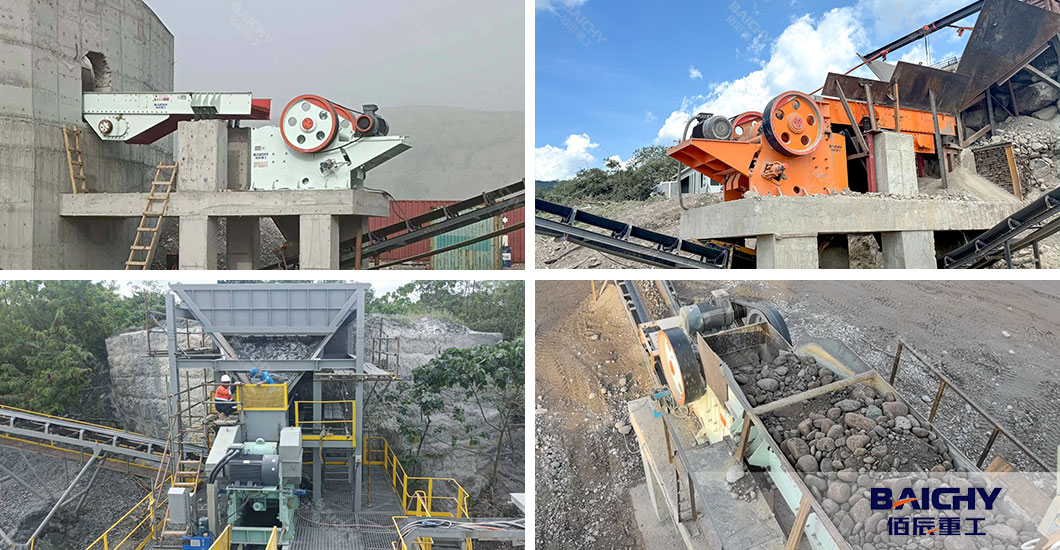
What is a Jaw Crusher and How Does it Work?
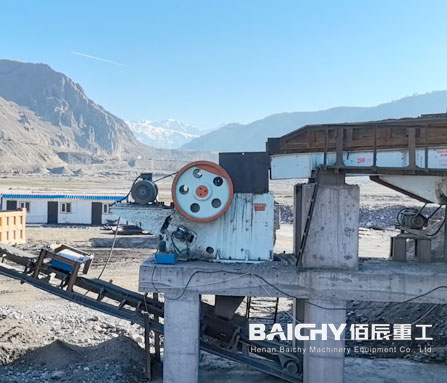
At its core, a jaw crusher is a sturdy machine that breaks down big rocks and ores into smaller pieces. It is traditionally the first line of defense in a material processing plant.
The mechanics are incredibly reliable and straightforward. The crushing chamber has two main parts: a fixed jaw that doesn't move and a swinging jaw that moves back and forth. As the raw, bulky material enters the top of the V-shaped chamber, the swinging jaw continuously presses the rock against the stationary jaw. The compressive force shatters the rock until it is small enough to fall through the discharge opening at the bottom.
The Crucial Role of Jaw Crushers in Aggregate Production
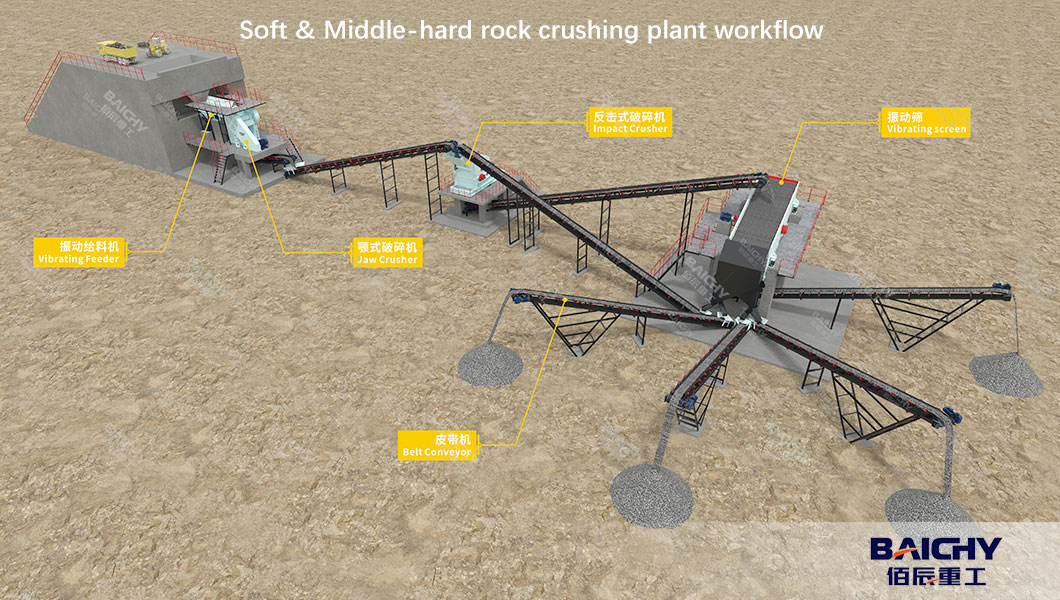
A jaw crusher is a type of primary crusher used in mines and ore processing plants. Its primary job is simple but vital: it reduces large aggregates to smaller aggregate so that secondary crushers (like cone or impact crushers) can handle the material efficiently.
Without this initial stage, processing plants would frequently jam or suffer catastrophic equipment failures. A jaw crusher is an important piece of machinery that helps break aggregate material down into the right size, acting as the gateway for the entire production line.
Why Jaw Crushers Are Ideal for Primary Crushing Across Industries
Quarrying operations depend on jaw crushers for processing natural stone and aggregate materials. Here is why contractors and quarry managers consider them essential:
1. Excels at Processing Hard and Abrasive Materials
Unlike other crushers that might wear down quickly, jaw crushers excel in processing hard materials such as river pebbles, granite, marble, and construction/demolition waste. Their heavy-duty, robust design allows them to chew through abrasive rocks that would destroy the rotors of an impact crusher.
2. Gives Contractors Direct Control Over Quality
When contractors use portable or on-site jaw crushers, it completely transforms their workflow. Jaw crushers give contractors direct control over particle size, gradation, and cleanliness, eliminating the uncertainty of off-site crushing. By keeping production on-site, project managers can ensure that the aggregate meets exact specifications for concrete or asphalt production.
3. Improves Efficiency and Lowers Costs
Investing in a quality primary crusher has a ripple effect across the entire operation. Primary aggregate crushing improves material control, lowers costs, and ensures consistent on-site production efficiency. By properly sizing the material at the primary stage, you reduce the wear and tear on your secondary crushers and conveyor belts, drastically cutting down maintenance expenses.
When planning aggregate production, people often wonder how a jaw crusher compares to an impact crusher. The main difference lies in the shaping of the final product. While impact crushers produce a more uniform, cubical size, jaw crushers create a more jagged size. This makes jaw crushers the perfect choice for primary reduction, where the goal is raw size reduction rather than final product shaping. The jagged output from the jaw crusher is then easily fed into a secondary crusher for perfect shaping.
From massive mining operations to local road construction projects, the jaw crusher is the undisputed king of primary reduction. It provides the essential first step in aggregate production, effortlessly handling massive boulders and tough materials. By integrating a high-quality jaw crusher into your processing line, you are guaranteeing consistent output quality, lower operating costs, and a highly efficient aggregate production system.
Frequently Asked Questions (FAQs)
Q1: Why is a jaw crusher usually the first machine used in an aggregate production line?
A: A jaw crusher is designed specifically for "primary crushing," meaning it is built to take the initial abuse of massive, raw boulders straight from the quarry or demolition site. Because of its large rectangular feed opening and heavy-duty compressive crushing action, it can easily handle oversized rocks that would physically not fit into or would severely damage other types of crushers (like cone or impact crushers). It acts as the essential "gateway," reducing large aggregates to a manageable size for the rest of the plant.
Q2: Can a jaw crusher produce the final aggregate product by itself?
A: Generally, no. While a jaw crusher is incredibly powerful, it breaks rocks along their natural fault lines, which often results in a coarse, jagged, or flat output. High-quality construction aggregate (used in asphalt or concrete) requires a uniform, cubical shape. Therefore, the jaw crusher is essential for the first stage of size reduction, but its output must usually be fed into a secondary crusher (such as an impact or cone crusher) to achieve the perfect final shape and size.
Q3: What types of materials are best suited for a jaw crusher in aggregate production?
A: Jaw crushers excel at processing the hardest and most abrasive materials. They are highly recommended for tough natural stones like granite, basalt, river pebbles, quartz, and hard limestone. Additionally, because of their rugged design, they are incredibly popular in the recycling industry for crushing tough construction and demolition (C&D) waste, including large chunks of concrete, bricks, and asphalt.




 2026-09-08





 86-15093113821
 86-15093113821