The raw ball mill (also known as a raw mill or raw material ball mill) is an essential piece of equipment in modern cement production lines. Its primary function is to grind a mixture of raw materials – typically limestone, clay, iron ore, and sometimes sand or shale – into a fine, homogeneous powder called raw meal. This raw meal is then preheated and fed into a rotary kiln to produce cement clinker.
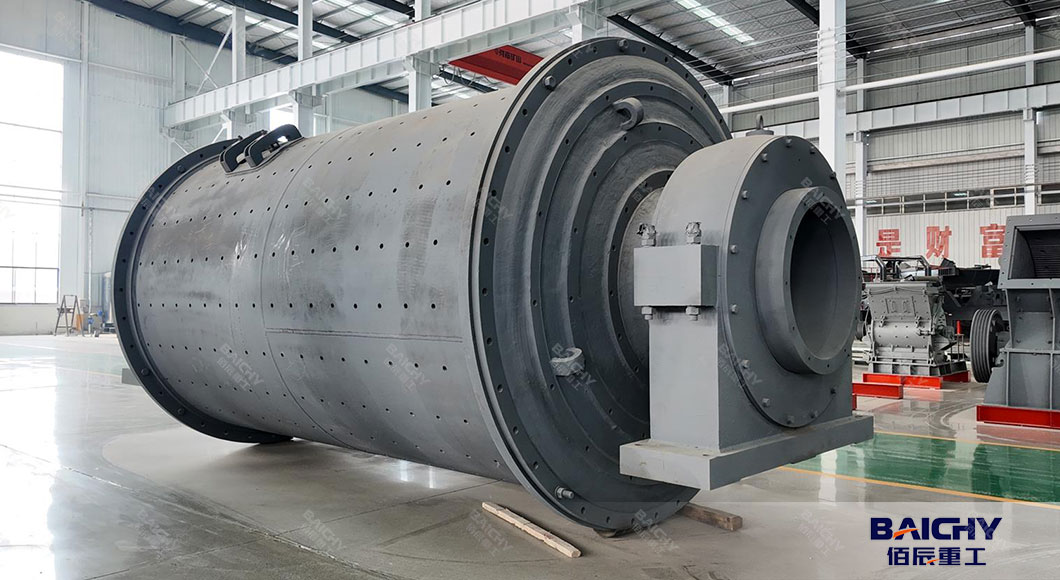
The raw mill accounts for about 20–25% of the total electrical energy consumed in a cement plant, making its performance critical for operational cost and product quality. In this comprehensive guide, we will explore the working principle, construction, types, advantages, and selection criteria of horizontal raw ball mills, and compare them with vertical roller mills (VRM). We will also provide practical maintenance and optimization tips to help you get the most out of your raw grinding system.
What Is a Raw Ball Mill?
A raw ball mill is a horizontal rotating cylindrical vessel partially filled with grinding media (steel balls or steel segments). It is used to crush and blend raw materials into a fine powder with a controlled particle size distribution (typically 12–15% residue on a 90 µm or 80 µm sieve). The mill operates either in open circuit (once-through) but more commonly in closed circuit with a dynamic separator (air classifier) that returns coarse material for regrinding. Raw ball mills are widely used in cement plants, but they can also be found in metallurgy, chemical, and mineral processing industries for dry grinding of hard materials.
| Mill Type |
Main Application |
Key Difference |
| Raw ball mill |
Raw meal for clinker production |
Grinds multiple components together |
| Cement ball mill |
Final cement grinding |
Finer product, often higher grinding aid usage |
| Coal ball mill |
Pulverized coal for kiln |
Explosion protection, special ventilation |
| Vertical raw mill (VRM) |
Raw material grinding |
Uses rollers on a table, lower power consumption |
Working Principle of a Raw Ball Mill
The raw ball mill works on the principle of impact and attrition.
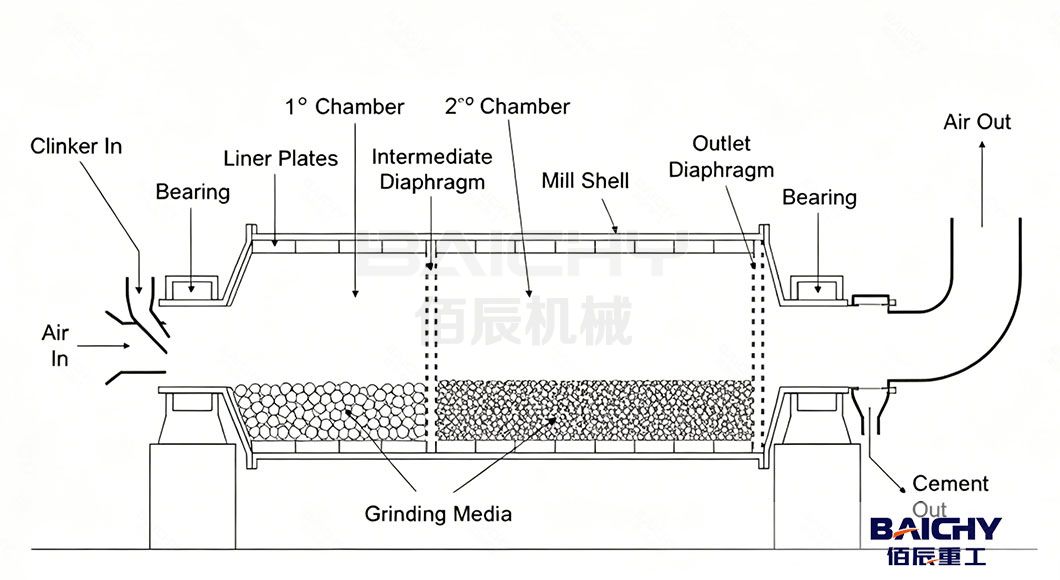
Raw materials (limestone, shale, iron ore) with a feed size typically under 30–50mm enter the mill through a hollow shaft. As the mill rotates, the steel balls are carried to a certain height by the centrifugal force and the friction of the liner plates. Once they reach the apex, they fall, striking the material below ( impact ). Simultaneously, the material is ground between the balls and the liners as they roll ( attrition ). The finely ground raw meal passes through a diaphragm and is discharged, often sent to a classifier to separate the coarse particles for regrinding.
Typical Mill Configuration
Two or three grinding compartments separated by diaphragm plates.
● First compartment (coarse grinding): large balls (50–90 mm) for breaking feed material (max feed size 25–50 mm).
● Second compartment (fine grinding): smaller balls or cylpebs (17–40 mm) for finish grinding.
● Third compartment (optional): extra fine grinding for very high fineness.
The rotation speed is usually 70–80% of the critical speed – the speed at which the balls would centrifuge against the inner wall.
Key Components of a High-Performance Horizontal Raw Mill
To maintain the "industrial aesthetic" of peak performance, every component must work in harmony:
● Liner Plates : Made of high-manganese steel or chromium alloy, these protect the shell and lift the grinding media. Specialized designs like "wave" or "step" liners optimize the falling trajectory of the balls.
● Diaphragm/Grate : This maintains the level of grinding media and material in each compartment, ensuring that only material of a certain fineness moves forward.
● Drive System : Usually consisting of a large gear (girth gear), pinion, and a high-efficiency motor. Modern mills utilize variable frequency drives (VFD) to optimize energy consumption.
● Lubrication System : Ensuring the longevity of the trunnion bearings and the main gearbox through consistent oil film protection.
Case Study: Limestone Grinding in Southeast Asia
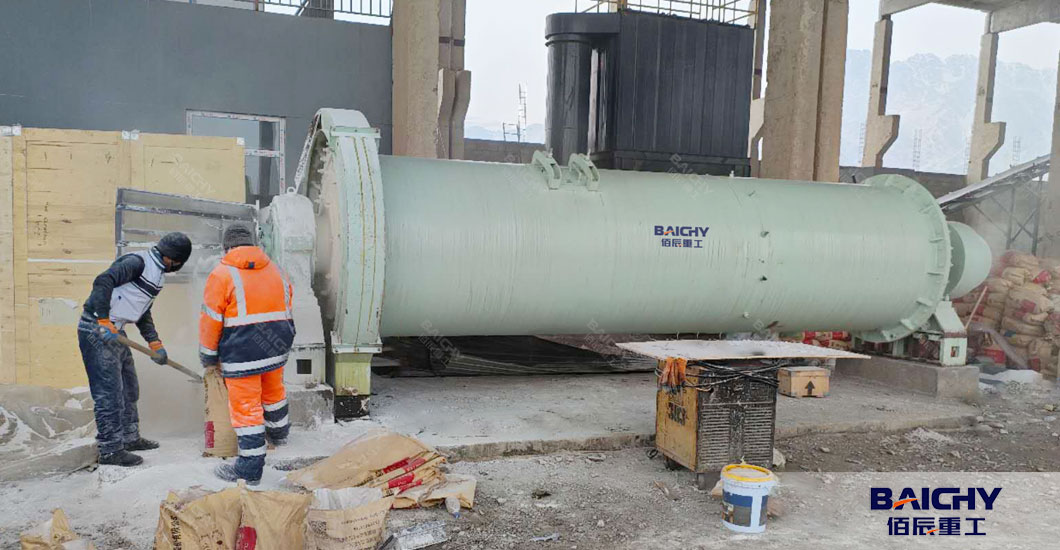
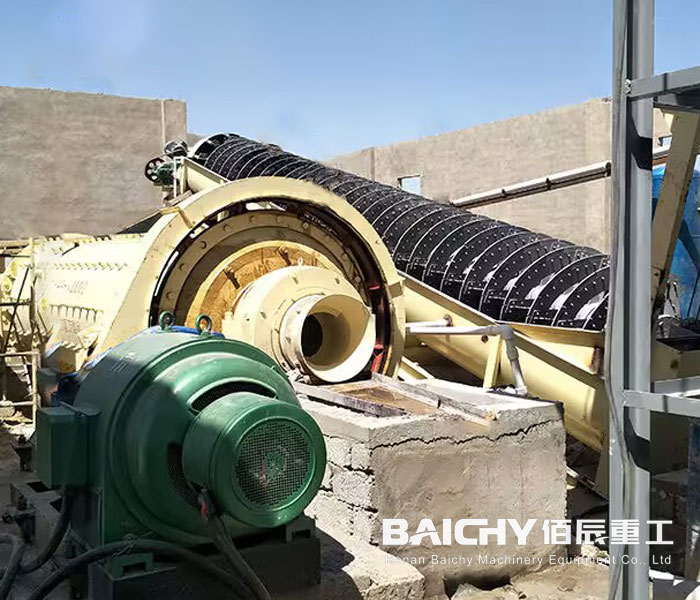
Our expertise isn't just theoretical. In Indonesia, Baichy successfully implemented a 1500x5700 horizontal ball mill for limestone grinding. By utilizing a double-chamber design and optimized grinding media, the plant achieved a significant reduction in energy consumption while maintaining a consistent 50TPH output. This project highlights how the right configuration can make the horizontal mill a highly competitive alternative even in modern energy-conscious markets.
Optimizing Your Mill for Maximum Efficiency
To counter the higher energy consumption typically associated with horizontal mills, smart operators focus on these optimization strategies:
1. Media Charge Management. Regularly topping up and grading the steel balls ensures the optimal surface area for grinding.
2. Ventilation and Drying. Since raw mills often handle materials with moisture, integrating a hot air flow (often from kiln exhaust) into the mill can assist in simultaneous drying and grinding.
3. Closed-Circuit Systems. Pairing the mill with a high-efficiency air separator can increase capacity by up to 20% by preventing over-grinding and reducing energy waste.
The horizontal raw mill remains a reliable backbone of the cement industry. Its ability to handle diverse materials with minimal downtime makes it an attractive investment for cement producers focused on long-term operational stability. At Baichy, we combine technical precision with rugged engineering to deliver raw mill solutions that stand the test of time. Whether you are upgrading an existing line or building a new facility, understanding the nuances of horizontal grinding is the first step toward excellence. Contact us now to get a tailored rawll ball mill solution for your project.




 2026-10-16





 86-15093113821
 86-15093113821