A quarrying screening plant is an essential system in aggregate production used to separate crushed stone, sand, and gravel into different size fractions. It ensures that each product meets strict specification standards required for construction, road building, and infrastructure projects. By combining vibration technology with multi-layer screening decks, the system improves both product quality and production efficiency.
1. Types of Quarrying Screening Plants (By Mobility)
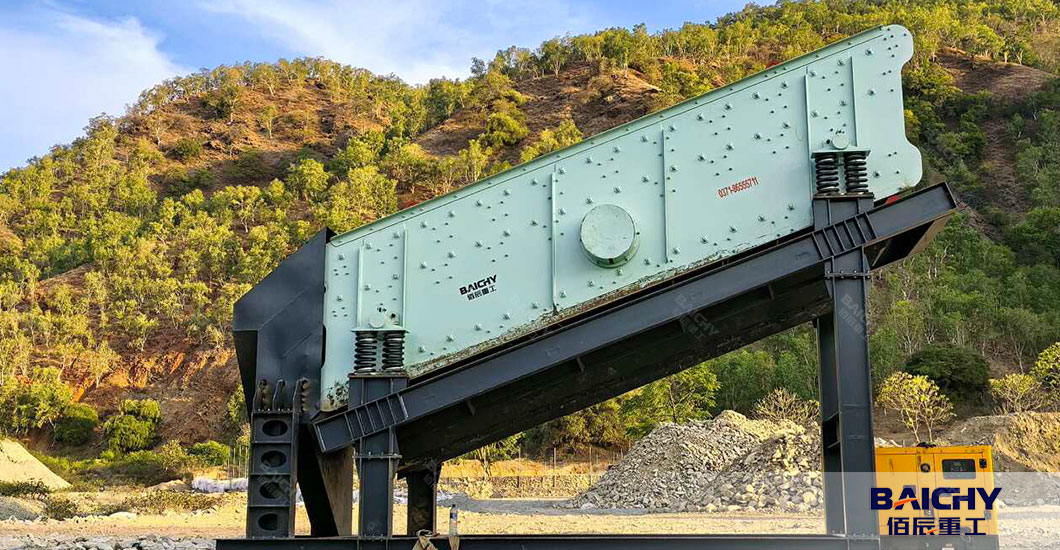
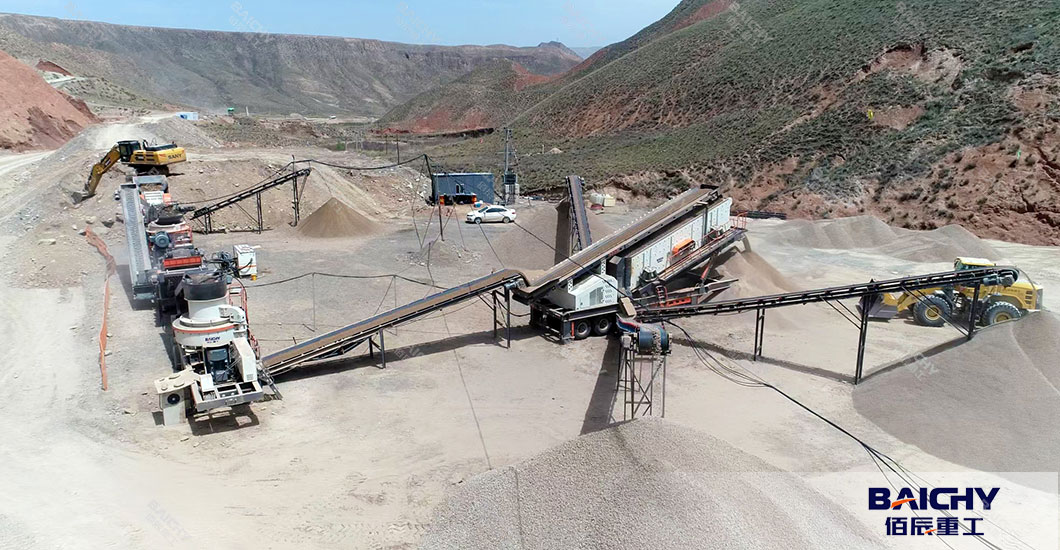
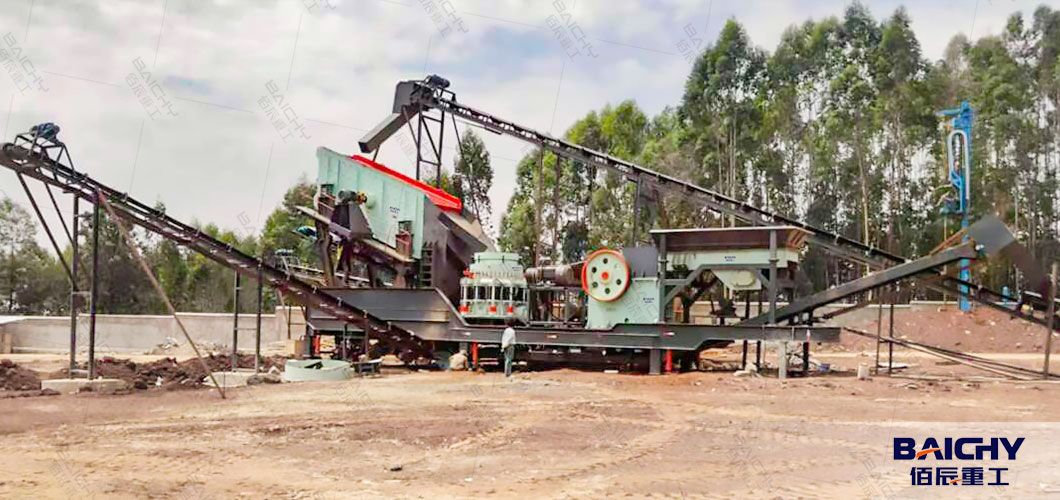
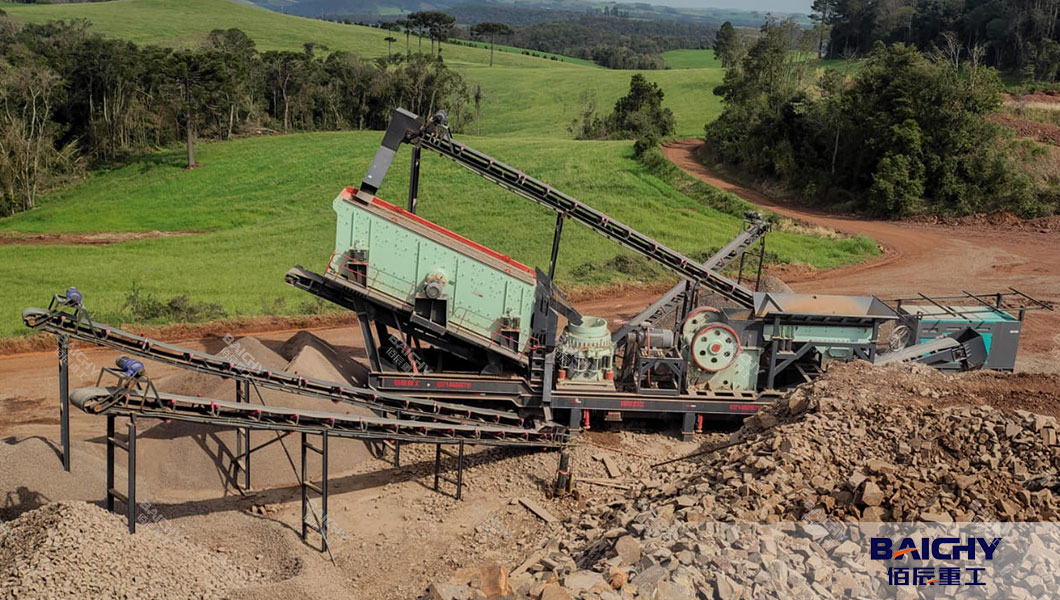
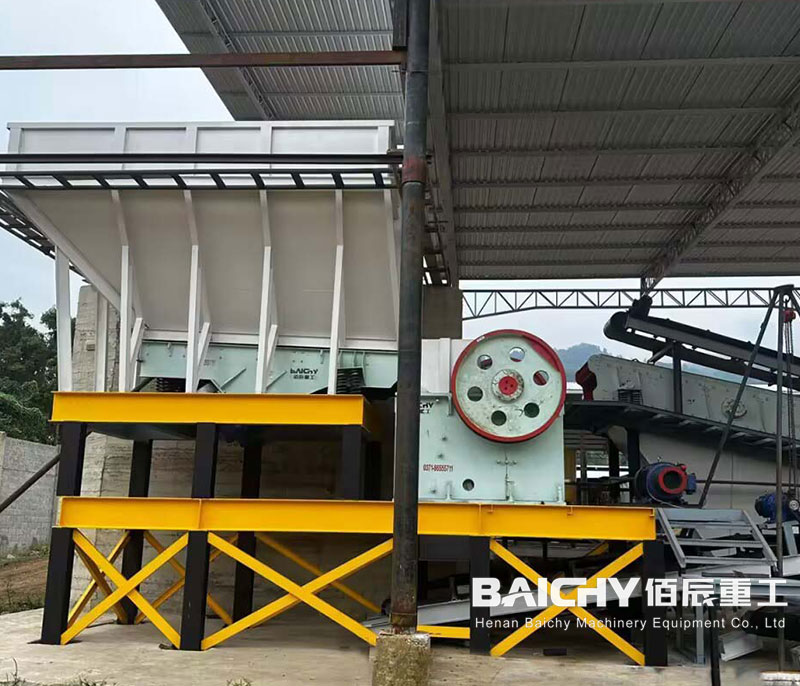
Quarry screening plants are generally divided into stationary, mobile, and modular types. Stationary screening plants are permanently installed in large quarry sites and are designed for continuous, high-capacity production. They are typically integrated with crushers and conveyor systems to form a complete production line.
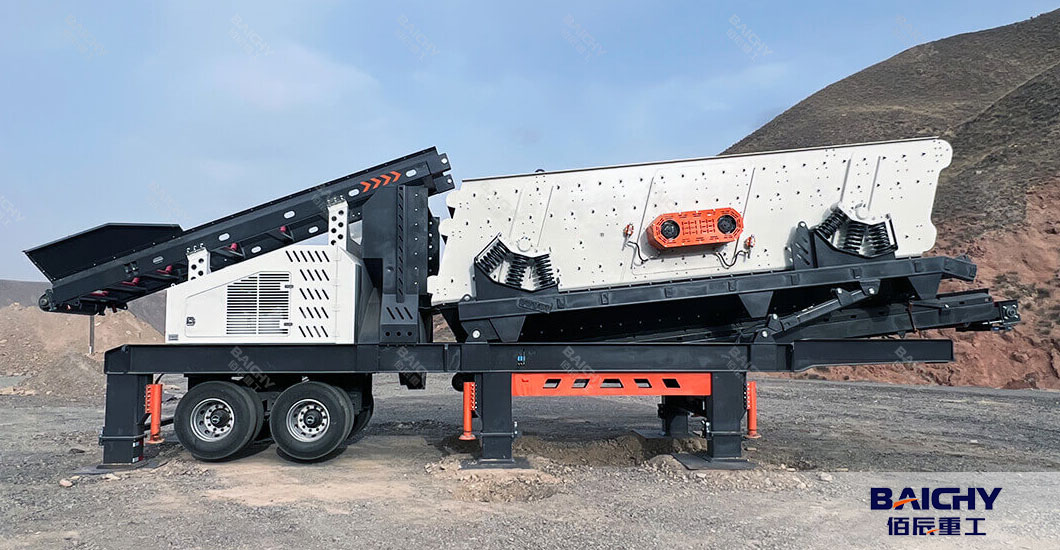
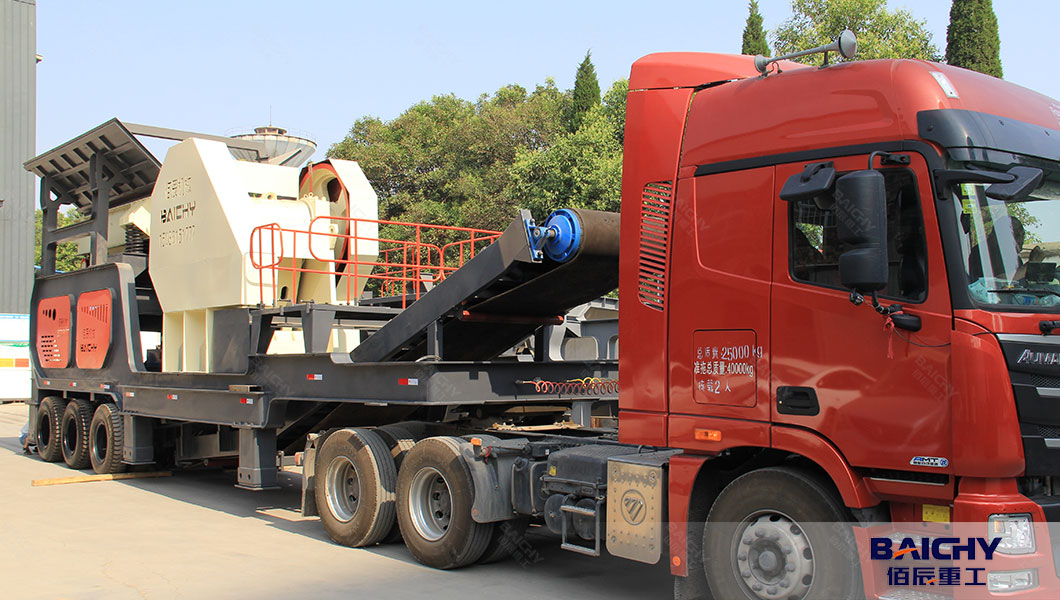
Mobile screening plants, on the other hand, are designed for flexibility and fast relocation. They are widely used in temporary quarrying projects, construction sites, and recycling operations where rapid setup and mobility are important. Portable or wheel-mounted systems provide a balance between fixed and mobile solutions, offering easier transportation while maintaining stable production capacity.
2. Working Principle of Quarry Screening Plants
The working principle of a quarrying screening plant is based on vibration-driven material stratification combined with gravity separation. When the material is fed onto the vibrating screen deck, the system generates controlled oscillation, which causes particles to move and separate according to size. Smaller particles gradually pass through the screen openings, while larger particles move along the surface toward the discharge end.
Different vibration patterns such as linear, circular, or elliptical motion are used depending on the material characteristics. Linear motion is often preferred for fine and sticky materials due to its strong conveying ability, while circular motion is suitable for general aggregate screening. The intensity of vibration, often expressed as G-force, directly affects screening efficiency and throughput capacity.
3. Screening Media and Materials
Screening media plays a critical role in determining the performance and efficiency of a quarrying screening plant. It directly affects separation accuracy, wear resistance, and maintenance frequency. Common types of screening media include woven wire mesh, piano wire screens, rubber panels, and polyurethane screens.
Woven wire mesh is widely used in general quarry applications due to its cost-effectiveness and high open area. Piano wire screens are designed for fine screening applications where higher precision and anti-blinding performance are required. Rubber screens are highly durable and ideal for heavy-impact environments, while polyurethane screens offer excellent wear resistance and are commonly used in wet or abrasive conditions.
The selection of screening media depends on several factors, including material hardness, moisture content, feed size, and required final product specifications. Proper selection can significantly improve efficiency and reduce downtime caused by clogging or excessive wear.
4. Multi-Deck Screening Configuration
Modern quarry screening plants often use multi-deck configurations to improve separation efficiency and increase product variety. The top deck is typically used for pre-screening, removing oversized materials before they reach lower decks. This helps protect the equipment and reduces unnecessary wear on finer screening surfaces.
The middle decks are responsible for separating intermediate material sizes into different product grades. These fractions are often used for various construction applications such as base material or concrete aggregate. The bottom deck focuses on fine screening, producing high-quality sand or small aggregate that meets strict specification requirements.
By combining multiple decks in a single machine, operators can achieve simultaneous classification of different size ranges, improving productivity while reducing the need for additional equipment.
5. Field Case Study: Limestone Quarry Screening Plant (Indonesia)
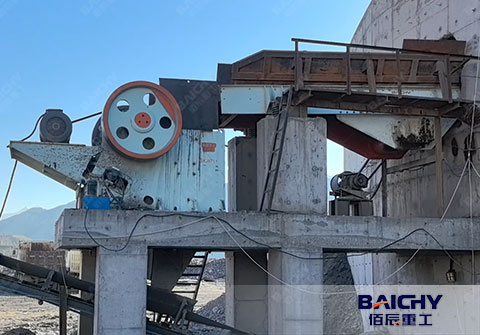
In a limestone quarry project in Indonesia, a 150–200 tph crushing and screening production line was deployed to supply high-quality aggregates for local construction demand. The system included a jaw crusher for primary crushing and a multi-deck vibrating screening plant for final classification.
After primary crushing, the material was fed into a three-deck screening plant. The top deck removed oversized limestone fragments and returned them for secondary crushing, while the middle deck produced 20–40 mm aggregates for road base applications. The bottom deck generated fine limestone sand used in concrete production.
The client reported that the screening system significantly improved product consistency and reduced material waste. The use of polyurethane screening media also extended maintenance intervals, reducing downtime and improving overall plant efficiency. This project demonstrated how a well-designed quarrying screening plant can directly enhance both productivity and profitability in real quarry operations.
A quarrying screening plant is a vital component in modern aggregate production systems. Through controlled vibration, optimized screening media, and multi-deck configurations, it enables precise material classification across various applications. With proper design and real-world application, screening plants can significantly improve efficiency, reduce operating costs, and ensure stable product quality in quarrying operations.




 2026-09-21





 86-15093113821
 86-15093113821