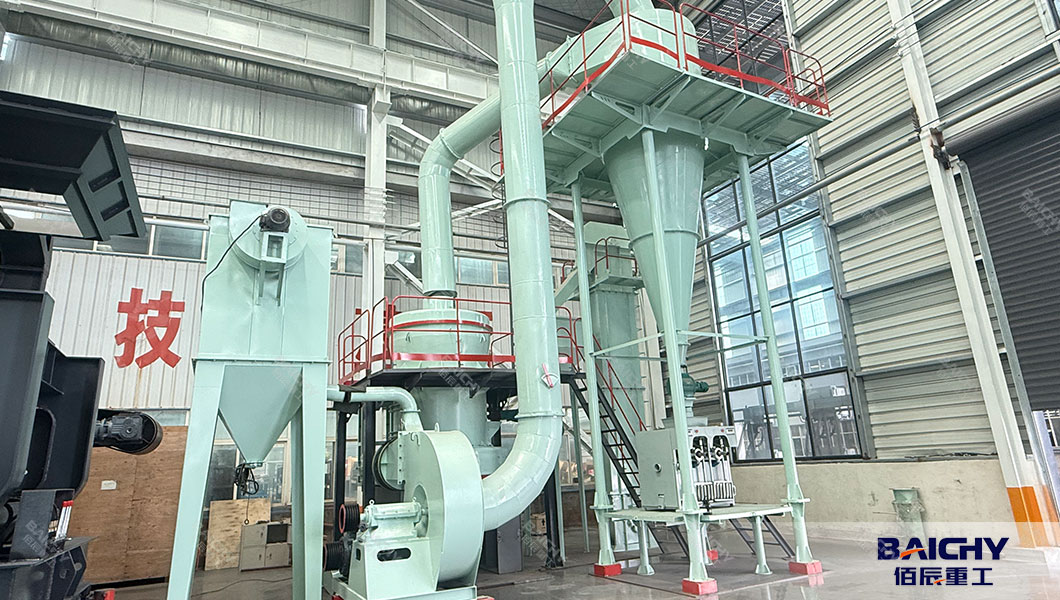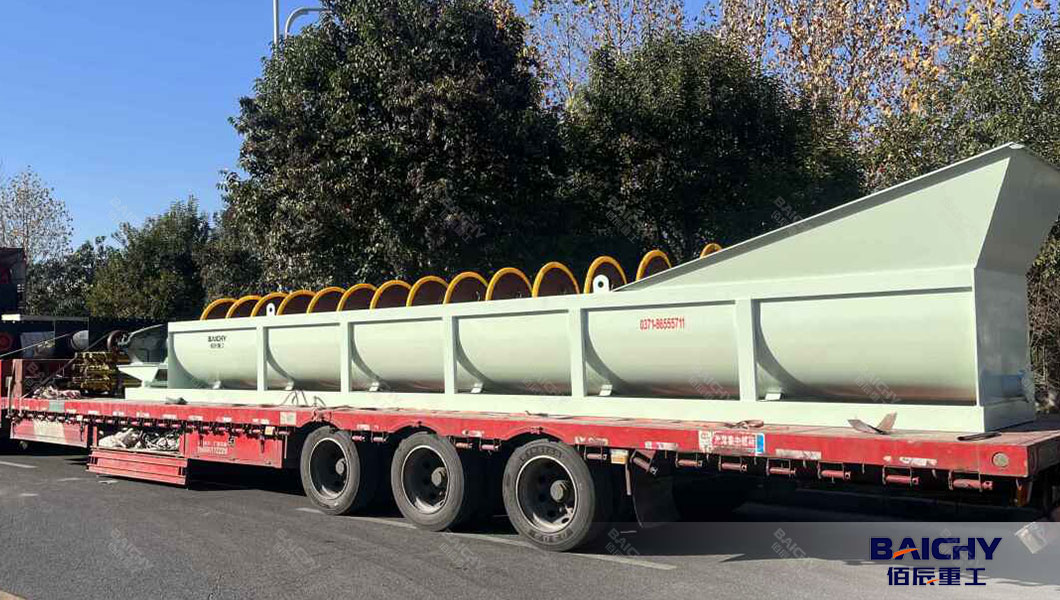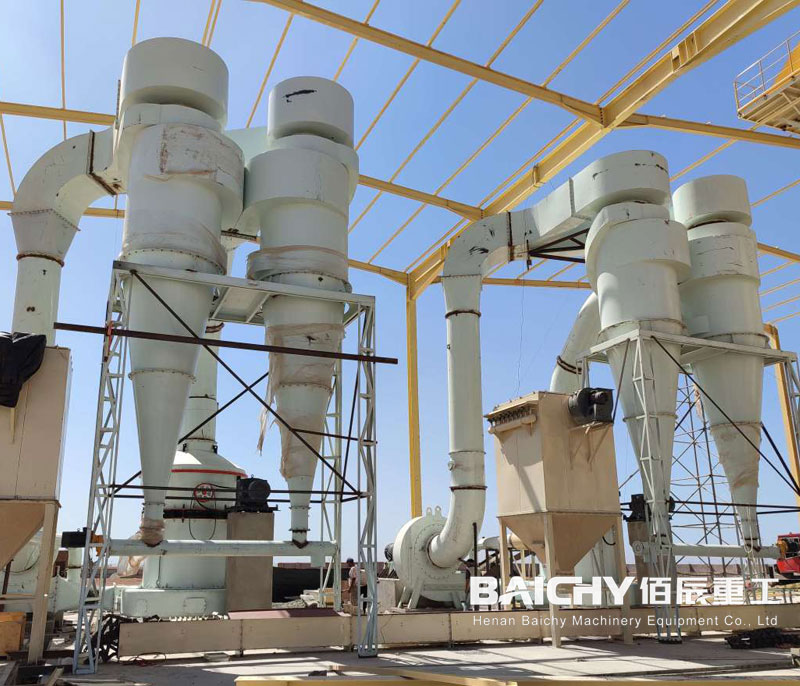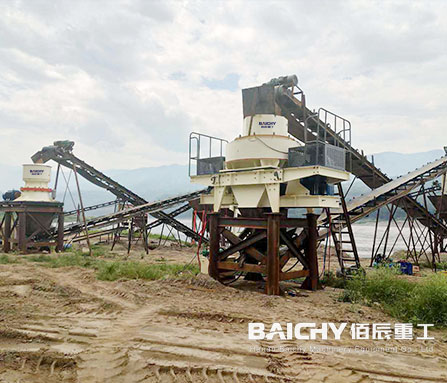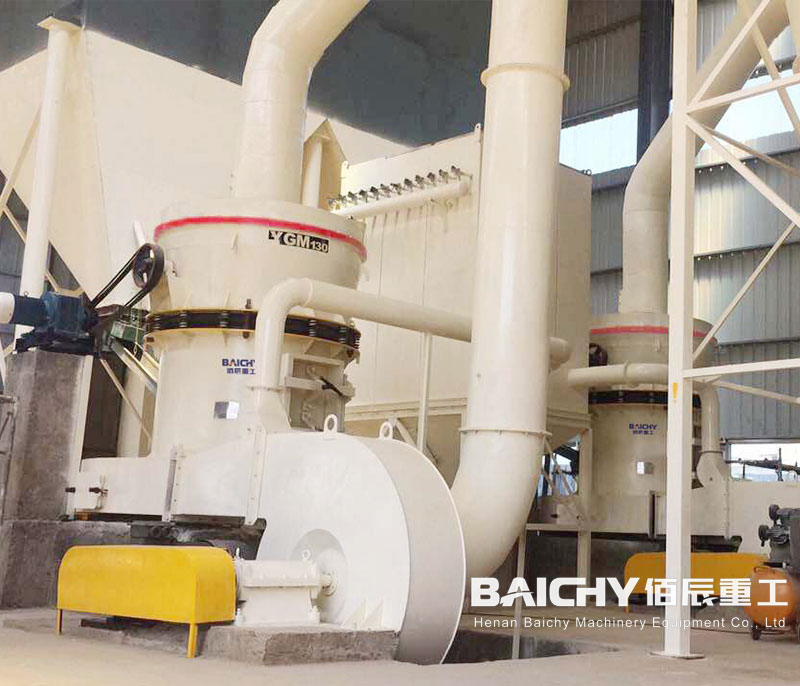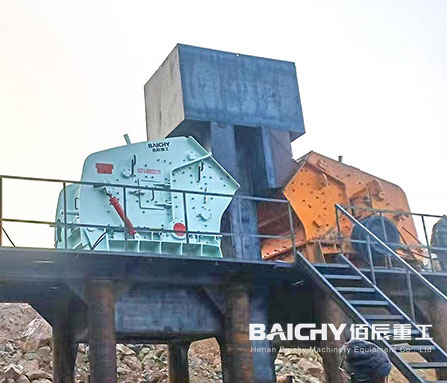
A static crushing plant is a stationary crushing system designed for long-term, high-volume aggregate production. It is widely used in quarries, mining operations, and large infrastructure projects where stable output and low operating cost are required. Unlike mobile plants, static crushing systems are installed on a fixed foundation and optimized for continuous heavy-duty operation.

A static crushing plant is a complete fixed crushing system that processes raw materials into different sizes of aggregates through multiple crushing and screening stages. It includes feeding, crushing, screening, and conveying systems working together as a continuous production line. Once installed, the plant remains in a fixed location and is designed for long-term production with high stability, high capacity, and low cost per ton.
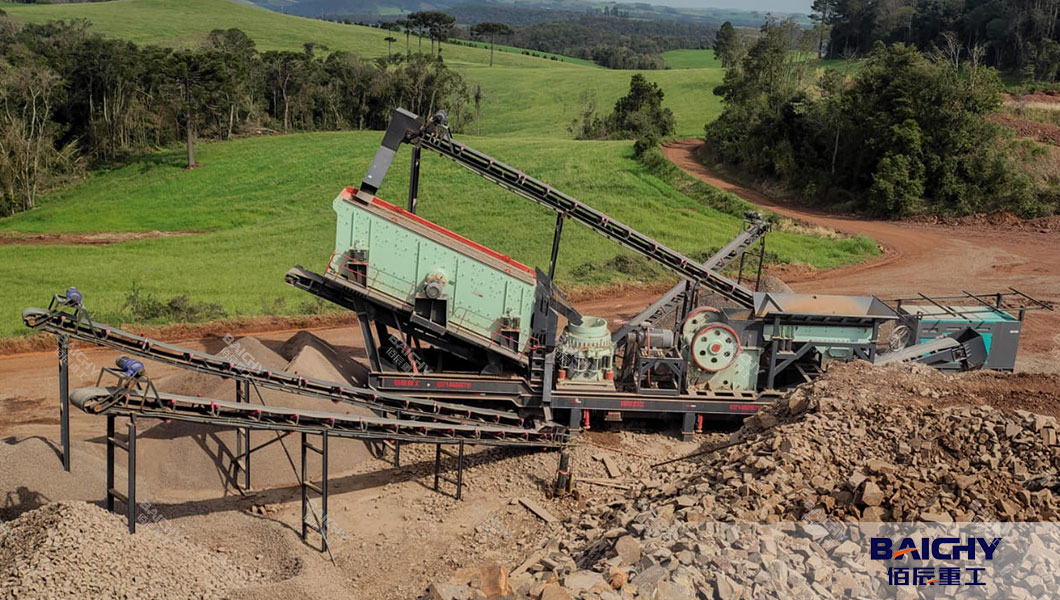
A static crushing plant works through a continuous multi-stage process. Raw materials are first delivered into the feeding system and evenly sent to the primary crusher for initial size reduction. The crushed material is then transported by conveyors to secondary or tertiary crushers depending on the required output specification.
After crushing, the material enters vibrating screens for classification. Oversized particles are returned to the crusher for reprocessing in closed circuit systems, while qualified aggregates are sent to stockpiles for final use. The entire process is controlled by a centralized electrical system to ensure stable operation and consistent product quality.
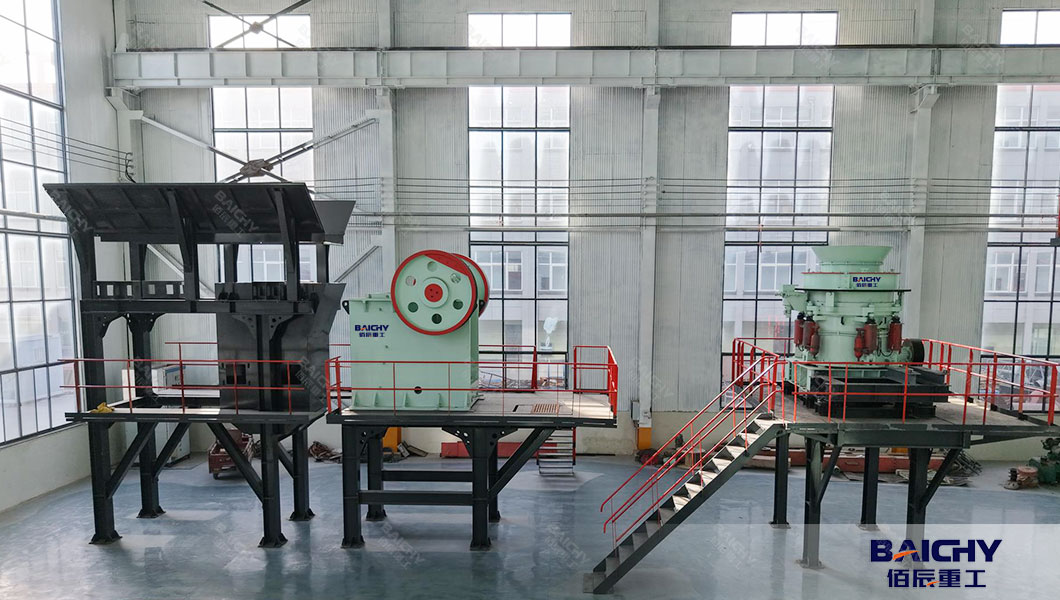
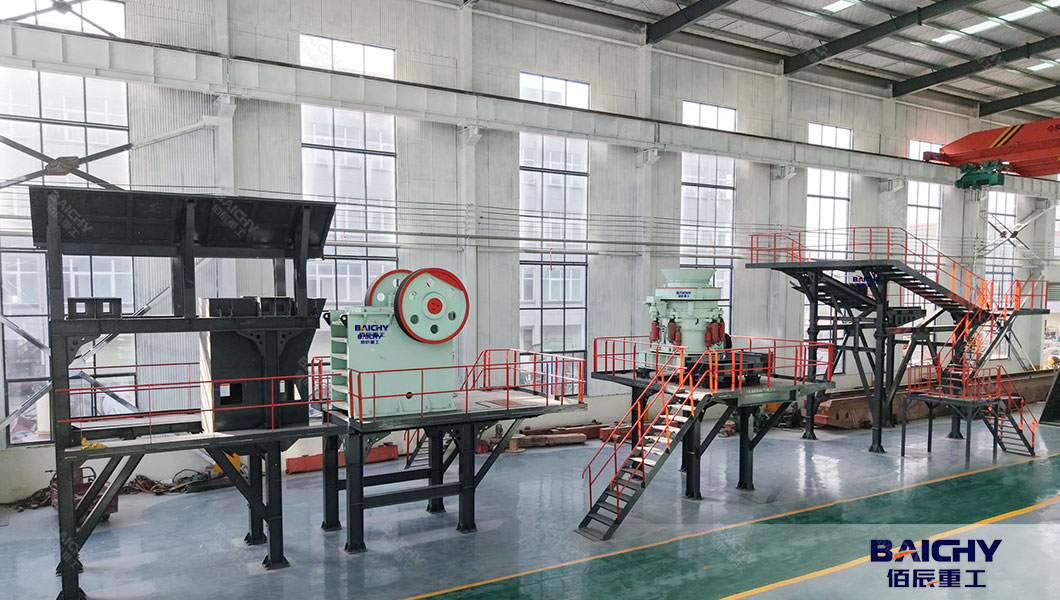
Static crushing plants can be designed in different configurations based on material hardness, production capacity, and final product requirements. In a basic setup, a jaw crusher is used for primary crushing, followed by a cone crusher or impact crusher for secondary crushing, and then a vibrating screen for classification. This type of configuration is commonly used for medium-hard materials such as limestone and can produce standard construction aggregates.
For higher capacity quarry projects, a 3-stage crushing system is often applied. This includes a vibrating feeder for stable material supply, a jaw crusher for primary crushing, a cone crusher for secondary crushing, and a multi-deck vibrating screen for precise classification. Belt conveyors connect each stage, and a return conveyor system can be added to form a closed circuit for better particle size control.
In more advanced configurations, a 4-stage crushing system is used for high-end aggregate or manufactured sand production. This system may include a primary jaw crusher, secondary cone crusher, fine cone crusher, VSI sand making machine, and a sand washing system. Such a setup produces high-quality cubic aggregates and fine sand suitable for strict construction standards such as highways, bridges, and commercial concrete projects.
| Feature | Static Crushing Plant | Mobile Crushing Plant |
| Installation | Fixed foundation required | No foundation required |
| Capacity | Very high (100–1000+ tph) | Medium (50–400 tph) |
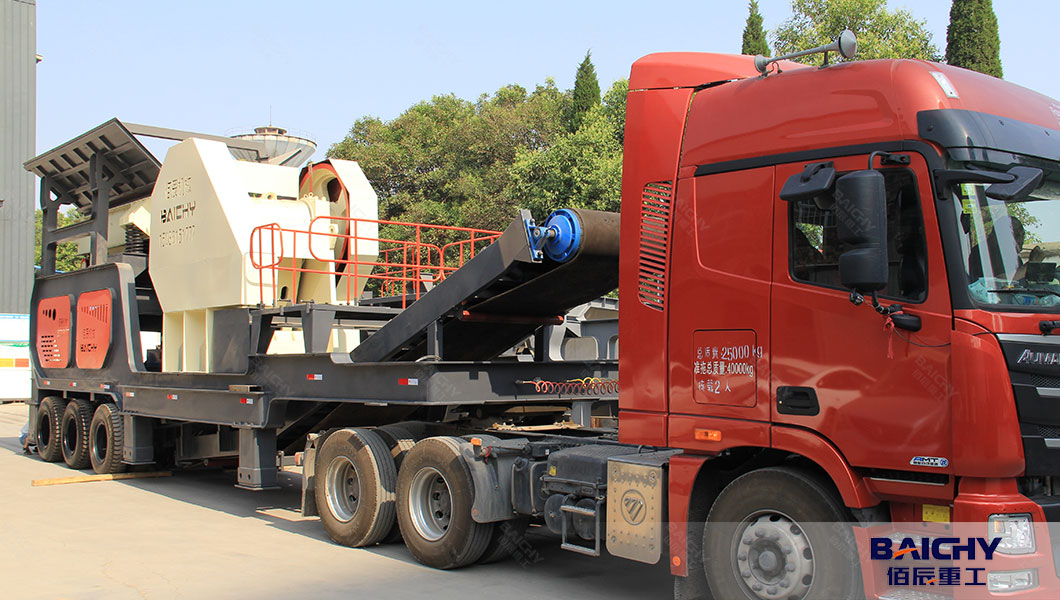
| Flexibility | Low mobility | High mobility |
| Setup Time | Longer installation | Fast deployment |
| Operating Cost | Lower long-term cost | Higher cost per ton |
| Application | Long-term quarry/mining | Short-term or multi-site projects |
In Indonesia, a quarry customer required a high-capacity static crushing plant to process basalt and andesite for road construction projects. The previous system had unstable output size and high maintenance costs, which limited production efficiency. Baichy designed and supplied a 3-stage static crushing plant solution, including a PE jaw crusher, HP cone crusher, and 3YK vibrating screen system with full conveyor integration.
After installation and commissioning, the plant achieved stable operation with a capacity of 200–250 tph. The closed circuit design improved aggregate shape and significantly reduced oversize material return. The customer reported that the new system greatly improved production stability and reduced operating interruptions, especially during continuous 24-hour operation.
The customer also highlighted that Baichy’s engineering support during installation helped optimize the plant layout, reducing material transfer distance and improving overall efficiency.

A static crushing plant is used for large-scale production of aggregates in quarries, mining operations, and infrastructure projects.
The main advantage is high capacity and low long-term operating cost with stable continuous production.
Yes, when equipped with VSI crusher and sand washing system, it can produce manufactured sand.
Depending on scale, installation typically takes several weeks to a few months.
Not always, but closed circuit systems improve product size control and aggregate quality.
Save Time! Get A Detailed Quotation Quickly.