Mica Production Process: From Raw Ore to High-Quality Industrial Products
Mica production is a complete processing system that converts natural mica ore into high-quality industrial materials. The main goals of mica processing are to remove impurities, improve mineral performance, and produce mica products for different applications such as construction materials, coatings, cosmetics, electrical insulation, and advanced composite materials.
The mica production process usually includes "ore preparation, crushing and screening, beneficiation, grinding, drying, classification, and packaging". The exact process depends on the mica type, ore quality, and final product requirements.
1. Raw Material Preparation: Mining and Pre-Processing of Mica Ore
Mica Ore Mining and Transportation
Mica ore is obtained through open-pit mining or underground mining methods. High-quality mica deposits with high mineral content and fewer impurities are usually selected for processing.
After mining, the raw ore is transported to the processing plant by trucks or belt conveyors. Proper transportation is important to reduce unnecessary breakage and prevent contamination before processing.
2. Crushing and Screening: Preparing Mica Ore for Beneficiation
The first step in a mica processing plant is reducing the size of large raw ore into suitable particles for further separation.
Primary Crushing
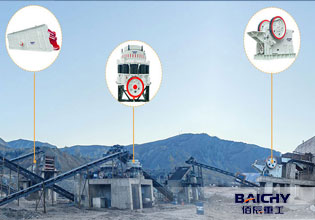
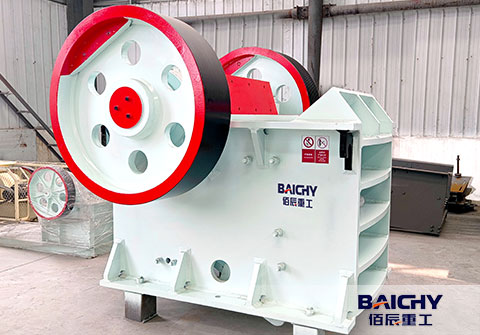
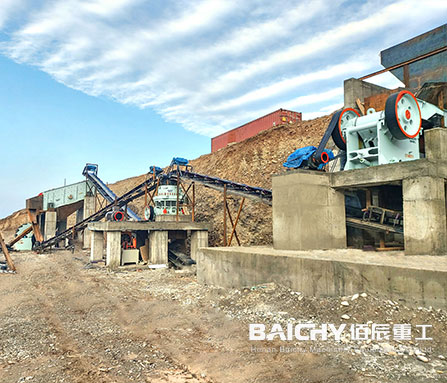
Large mica rocks, usually around 50-100 cm, are first processed by a jaw crusher. The crusher reduces the ore size to approximately 10-30 cm, making it easier for secondary crushing.
Secondary Crushing and Fine Crushing
After primary crushing, equipment such as impact crushers or cone crushers further reduces the ore size to about 5-10 mm. This particle size is suitable for grinding and beneficiation processes.
Screening
A vibrating screen is used to separate different particle sizes. Oversized materials are returned for further crushing, while qualified particles move to the next processing stage.
This crushing and screening process improves processing efficiency and ensures stable feed size for beneficiation equipment.
3. Mica Beneficiation Process: Removing Impurities and Improving Purity
The main purpose of mica beneficiation is to separate mica from unwanted minerals such as quartz, clay, and iron-containing minerals.
The common mica separation methods include **gravity separation, magnetic separation, and flotation**.
Gravity Separation for Mica Concentration
Gravity separation uses the difference in mineral properties between mica and other materials.
Equipment such as shaking tables and spiral classifiers can separate mica particles by adjusting water flow and mineral movement.
Because mica has different density and shape characteristics compared with other minerals, gravity separation can effectively remove some light impurities and improve concentrate quality.
Magnetic Separation for Removing Iron Minerals
Some mica ores contain magnetic impurities such as magnetite and hematite.
A high-intensity magnetic separator can remove these iron-bearing minerals and improve mica purity. This method is especially useful when producing mica products that require better color and higher quality.
Flotation Separation for Fine Mica Recovery
For complex mica deposits or fine mica particles, flotation is widely used.
During flotation, collectors and frothers are added into the flotation machine. The difference in surface properties allows mica particles to attach to bubbles and separate from other minerals.
Flotation can produce high-purity mica concentrate and is suitable for producing fine mica powder for industrial applications.
Chemical Purification for High-Purity Mica Products
For applications requiring extremely high purity, such as electronic materials, additional chemical treatment may be used.
Acid leaching or alkaline treatment can remove remaining impurities such as silicon and aluminum compounds. After washing and filtration, high-purity mica concentrate can be obtained.
4. Mica Grinding and Refining: Producing Different Sizes of Mica Products
After beneficiation, mica enters the grinding and refining stage. The grinding method depends on the final product requirement.
Dry Grinding for Flake Mica
Dry grinding is commonly used for producing larger mica flakes.
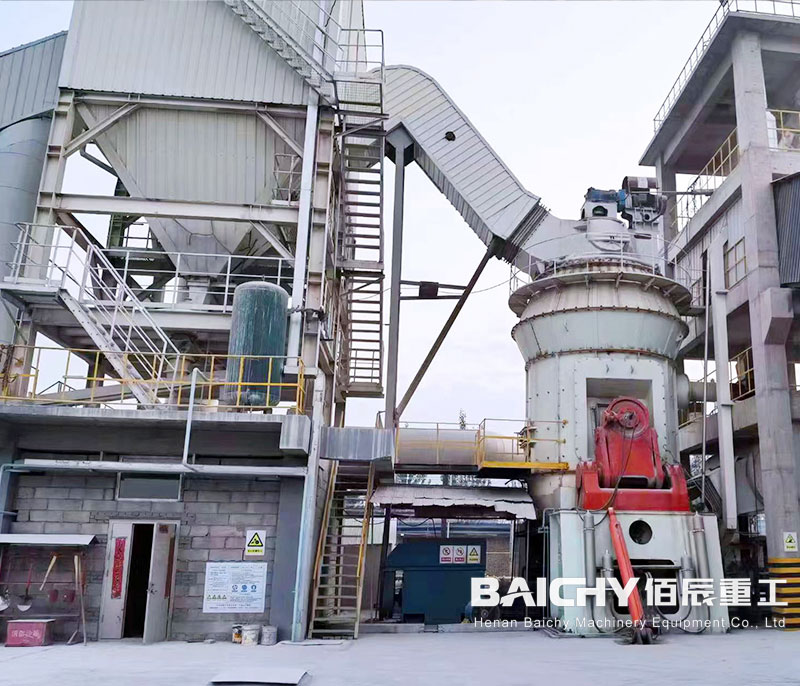
Equipment such as raymond mill or trapezium grinding mill uses mechanical force to separate mica layers while maintaining its natural layered structure.
This type of mica is widely used in:
● Electrical insulation materials
● Construction products
● Industrial fillers
Wet Grinding for Fine Mica Powder
Wet grinding uses water as the grinding medium to produce ultra-fine mica powder.
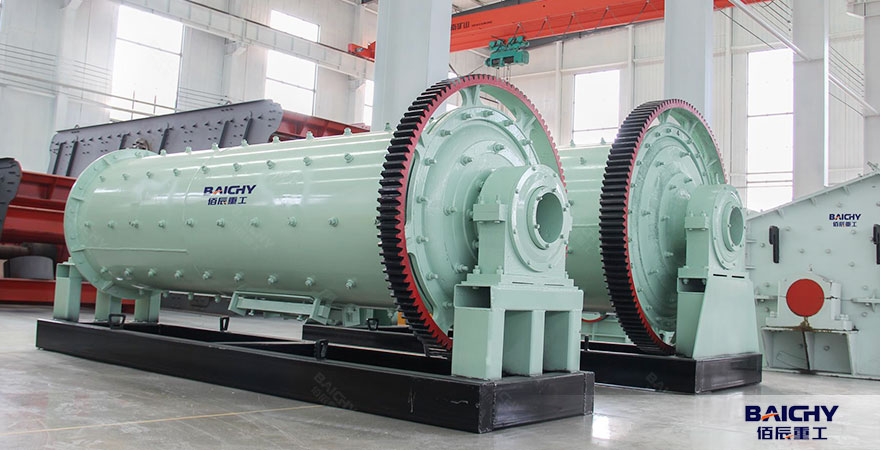
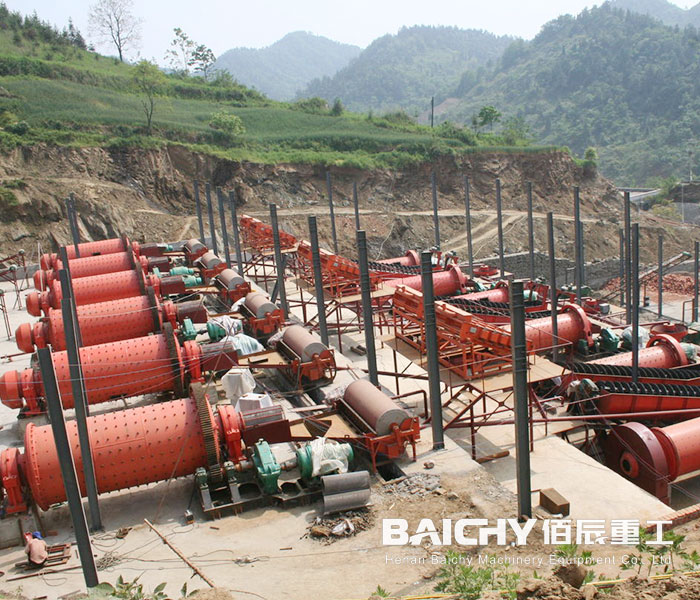
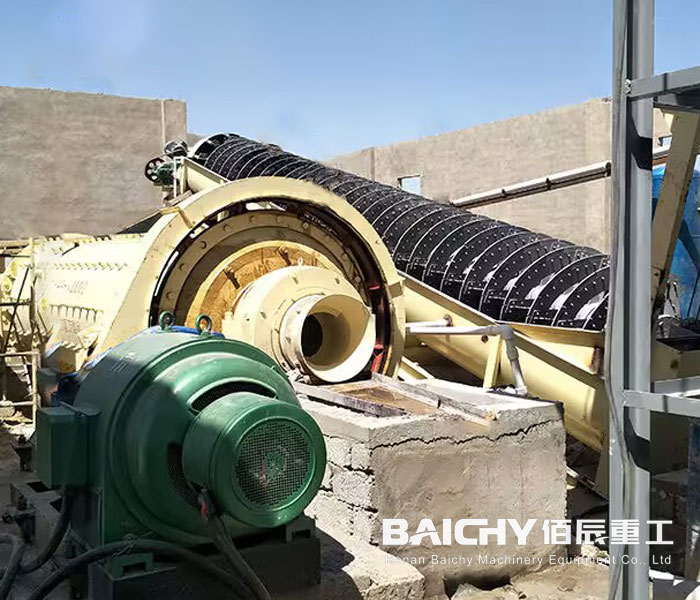
Equipment such as ball mills and spiral classifiers can reduce mica particles to micron sizes, usually around 1-10 μm.
Wet grinding helps prevent overheating and maintains mica’s physical properties.
Fine mica powder is widely used in:
● Paints and coatings
● Cosmetics
● Plastic reinforcement
● High-performance materials
5. Drying and Surface Modification of Mica Products
Mica Drying Process
After wet processing, mica products contain moisture and require drying.
Common drying equipment includes:
● Fluidized bed dryers
● Rotary dryers
● Vacuum drying systems
The final moisture content is usually controlled below 1% to improve product stability and storage performance.
Surface Modification for Advanced Applications
For high-value applications, mica can be chemically modified through surface treatment.
Methods such as silane coating and surface grafting improve mica’s:
● Dispersion performance
● Compatibility with polymers
● Mechanical properties of composite materials
Modified mica is increasingly used in industries such as:
● New energy materials
● Aerospace composites
● High-performance plastics
Mica Classification, Quality Control, and Packaging
Particle Size Classification
After processing, mica products are classified according to:
● Particle size
● Purity
● Color
● Whiteness
Equipment such as **vibrating classifiers and air classifiers** separates mica into different grades, including:
● Flake mica
● Mica powder
● Ultra-fine mica powder
Quality Inspection
Before delivery, mica products are tested using advanced equipment, including:
● X-ray fluorescence (XRF) analyzer for chemical composition
● Laser particle size analyzer for particle distribution
These tests ensure the final product meets industry requirements.
Packaging and Storage
Different mica products require different packaging methods.
Flake Mica Packaging
Flake mica is usually packed with:
● Moisture-proof plastic bags
● Cartons or protective containers
This prevents breakage and moisture absorption during transportation.
Mica Powder Packaging
Mica powder is commonly packed in:
● Sealed woven bags
● Jumbo bags
Drying agents may be added to prevent moisture and material clumping.
Storage Requirements
Mica products should be stored in:
● Dry and ventilated warehouses
● Temperature around 20-30℃
● Relative humidity below 60%
Proper storage helps maintain product quality and prevents deformation or moisture problems.
7. Future Development Trends of Mica Processing Technology
Intelligent Mica Production
Modern mica processing plants are adopting automation technologies such as:
● AI-based visual inspection
● Automatic control systems
● Digital production monitoring
These technologies improve production efficiency and reduce manual operation risks.
Environmentally Friendly Processing
Green mica processing is becoming increasingly important.
New technologies include:
● Closed-loop water recycling systems
● Environment-friendly flotation reagents
● Reduced chemical consumption
These improvements help reduce environmental impact during mica production.
Ultra-Fine and Functional Mica Products
The demand for ultra-fine mica powder is increasing due to applications in:
● Lithium battery materials
● 5G electronic components
● Advanced composite materials
Future mica production will focus on **higher purity, smaller particle sizes, and functional surface modification**.
The mica production process transforms natural mica ore into valuable industrial materials through crushing, beneficiation, grinding, drying, classification, and quality control. The key technologies are efficient purification and functional modification . With growing demand from renewable energy, electronics, and advanced manufacturing industries, mica processing is moving toward automation, environmental protection, and high-performance products.




 2026-10-16





 86-15093113821
 86-15093113821