In the mineral processing chain—from quarry extraction to final industrial use—moisture control is a critical but often underestimated factor. Limestone is one of the most versatile industrial minerals, serving as the foundation for cement production, construction materials, chemical manufacturing, and agricultural soil amendments. However, freshly quarried limestone typically contains moisture levels ranging from 5% to 15% or higher. To transform this raw material into a market-ready product, effective drying is not just beneficial—it is essential.
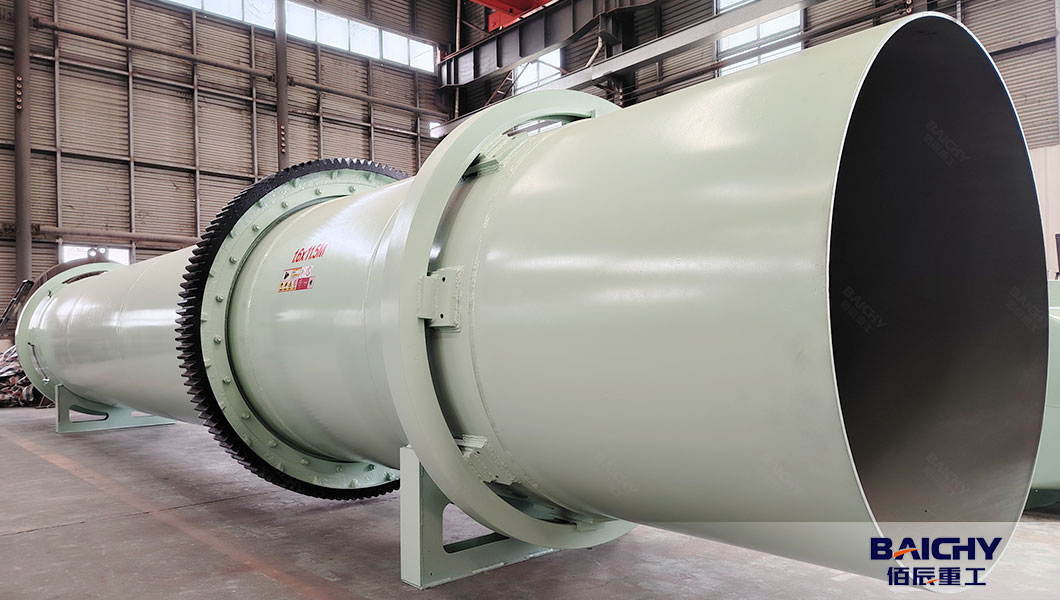
The limestone rotary dryerhas emerged as the industry-standard solution for this critical processing step. This guide explores why drying matters, how rotary dryers work, and what to consider when selecting equipment for your operation.
Why Dry Limestone? The Case for Moisture Control
Drying is one of the first and most important steps in limestone processing, playing a vital role in optimizing production lines and delivering a quality product to market. When limestone is dried early in the processing stage—after primary crushing and sorting—manufacturers gain several significant advantages:
| Benefit |
Impact on Operations |
| Improved Transportation Economics |
Lower moisture means less weight to ship, reducing freight costs. |
| Enhanced Production Flow |
Reduced clogging of screens, conveyors, and other downstream equipment minimizes downtime. |
| Streamlined Handling |
Dry material flows more freely, simplifying storage and transfer. |
| Prevention of Clumping and Caking |
Dried limestone is less likely to agglomerate during storage, maintaining product quality. |
| Market Compliance |
Meets customer expectations for specified moisture content. |
When the limestone is destined for calcination (heating to produce quicklime), drying prior to the kiln is especially critical. Removing moisture in a dedicated dryer prevents the kiln from having to handle both moisture removal and calcination, which would require a significantly larger, less efficient kiln.
Limestone Rotary Dryer: Working Principle
A rotary dryer is a robust, cylindrical drum that is slightly inclined from the horizontal. It operates on a straightforward yet highly effective principle of direct heat transfer.
The Drying Process Step-by-Step
● Material Feed: Wet limestone is conveyed into the higher end of the rotating drum through a feeding device.
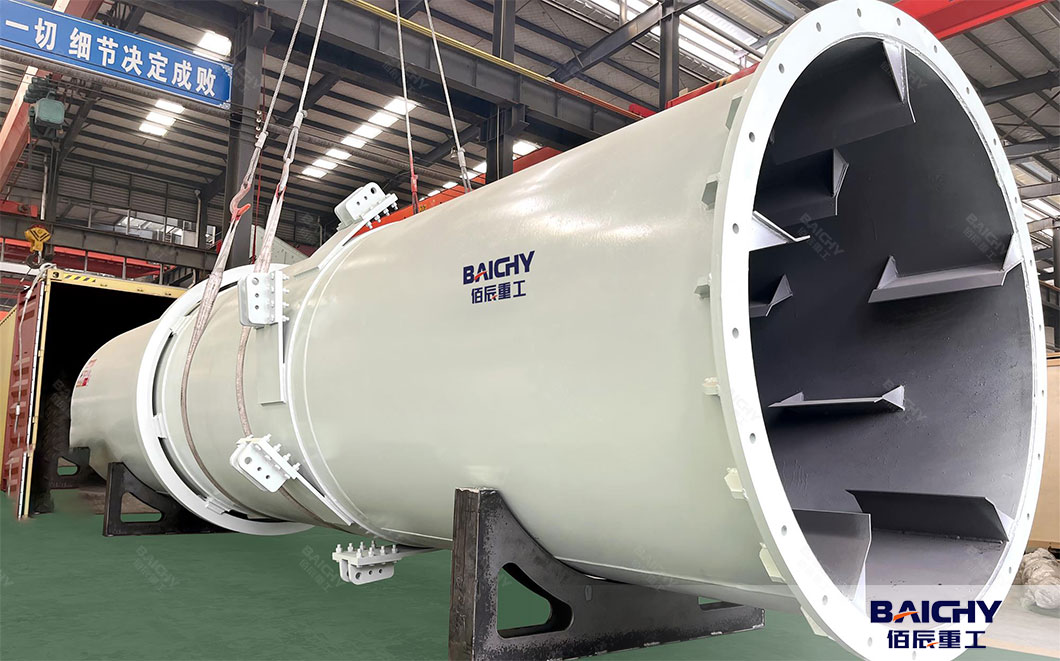
● Rotation and Lifting: As the drum rotates, internal fins or "flights" lining the inner wall scoop up the material and lift it to the top of the drum. When the material falls back down, it cascades through the hot gas stream in a "curtain" of material, creating maximum contact with the hot air for efficient and uniform drying. This tumbling action also helps "polish" pellets, rounding them and improving their final appearance when present.
● Heat Exchange: Hot air (or flue gas) is introduced into the drum. Depending on the configuration, the hot gas can flow in the same direction as the material (co-current) or in the opposite direction (counter-current). The high-temperature gas evaporates the moisture from the limestone.
● Material Discharge: The dried material moves toward the lower end of the drum by gravity and is discharged for further processing, storage, or shipment. The final moisture content can be reliably achieved below 5%
System Components
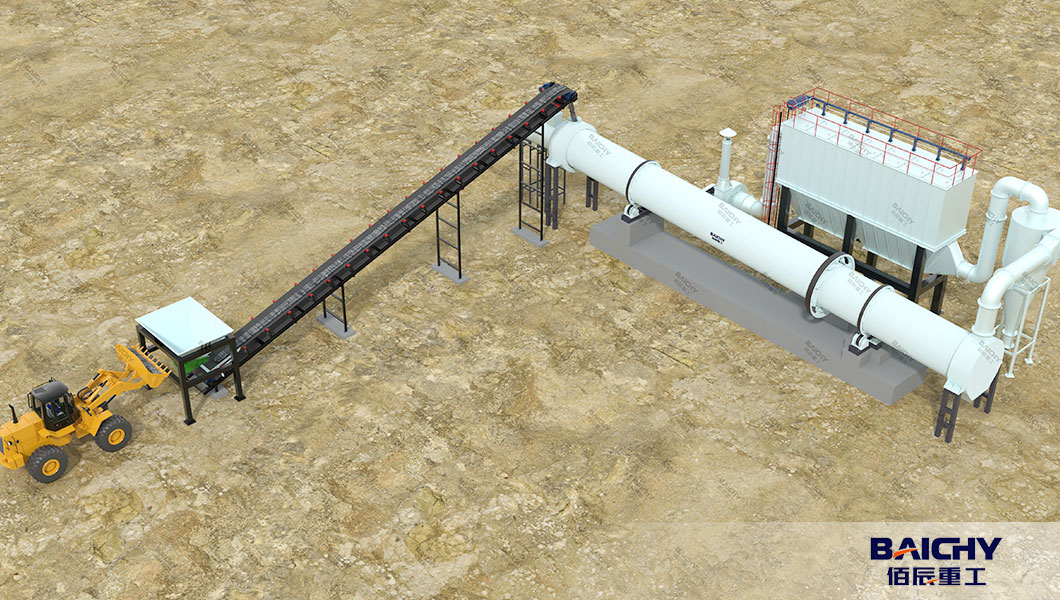
A complete limestone rotary dryer system includes several key components working in concert:
● Rotary Drum: The main drying chamber, typically constructed from high-temperature and abrasion-resistant material.
● Transmission Device: Motor, reducer, and gears that drive the drum rotation at a controlled speed.
● Support Device: Bearings and bearing seats that stabilize the rotating drum.
● Feeding & Discharge Devices: Mechanisms to introduce and remove material efficiently.
● Hot Air System: The heat source, which can be a hot air stove, burner, or combustion chamber.
● Dust Collection System: Cyclone or baghouse dust collectors to capture fines and meet environmental standards.
● Sealing System: Prevents leakage of hot air and moisture, improving efficiency and environmental compliance.
Key Considerations for Limestone Drying
Drying limestone presents specific engineering challenges that must be addressed during system design.
● Abrasion: Limestone is inherently abrasive, and the degree of abrasiveness can vary significantly by source. This property necessitates careful material selection for the dryer. Abrasion-resistant steel may be required for the drum shell and flight construction to ensure a long service life and minimize maintenance.
● Clumping and Buildup: Limestone, particularly at higher moisture contents, is prone to clumping. This can lead to buildup inside the dryer, causing operational issues. Rotary dryers offer several design solutions to mitigate this problem:
○ A "bald" or flightless section at the inlet allows initial moisture reduction before material contacts the flights.
○ Exterior "knockers" or vibration devices dislodge potential buildup on the drum wall.
○ A trommel screen or "grizzly" at the discharge end breaks up any clumps that may have formed during the drying process.
Key Process Variables Affecting Drying Performance
Several variables influence the efficiency and quality of the drying process. Careful control and customization are necessary to achieve optimal results:
● Air Flow Velocity and Temperature Profiles: Determine the rate of heat transfer and moisture removal.
● Feed Rate: Controls the volume of material in the dryer at any given time.
● Retention Time: The duration the material spends in the drum, which can be adjusted by drum slope and speed.
● Percent Fill: The volume of material occupying the drum, affecting efficiency.
● System Pressure: Important for overall system control and dust collection efficiency.
Real Case: Limestone Rotary Dryer in Kazakhstan
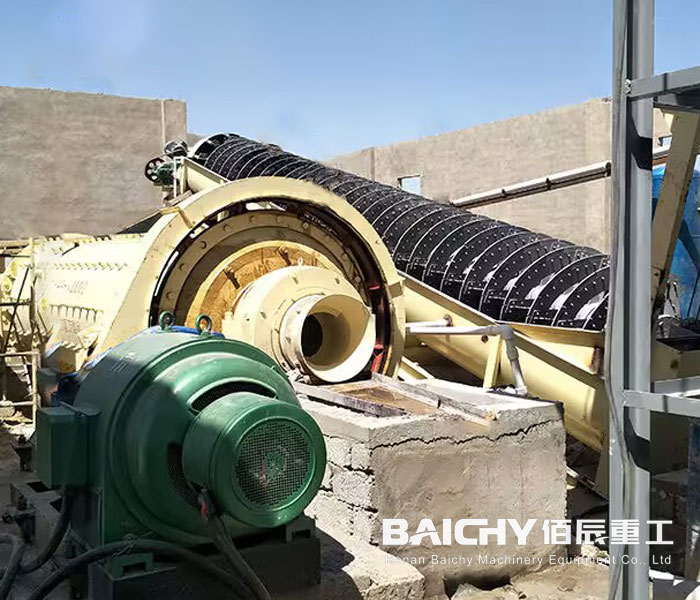
In Kazakhstan , a limestone processing plant successfully installed a limestone rotary dryer to handle high-moisture feed from local quarry operations. The material originally contained 10–12% moisture, causing frequent blockages and unstable grinding performance. After commissioning the rotary drum dryer, moisture was reduced to below 3%, significantly improving downstream crushing and milling efficiency. The client reported smoother material flow, lower energy consumption, and more stable kiln operation. They also highlighted the dryer’s reliable continuous performance and easy maintenance, expressing strong satisfaction with the overall improvement in production stability and product quality.
Drying is an indispensable step in limestone processing, directly impacting product quality, operational efficiency, and economic viability. The limestone rotary dryer, with its proven reliability, high throughput, and adaptability, remains the preferred solution for this demanding application. Welcome to contact Baichy Machinery to get rotary dryer solution and best price list.




 2026-09-17





 86-15093113821
 86-15093113821