In large-scale coal mining and preparation plants, processing capacity and product consistency are everything. When you need to crush thousands of tons of coal per day, you cannot afford bottlenecks, oversized pieces, or frequent downtime. This is where the adjustable roller crusher 500tph for coal comes into play. Designed specifically for high-volume operations, this machine combines two critical features: the ability to process up to 500 tons per hour, and the flexibility to adjust the output particle size to meet different downstream requirements.
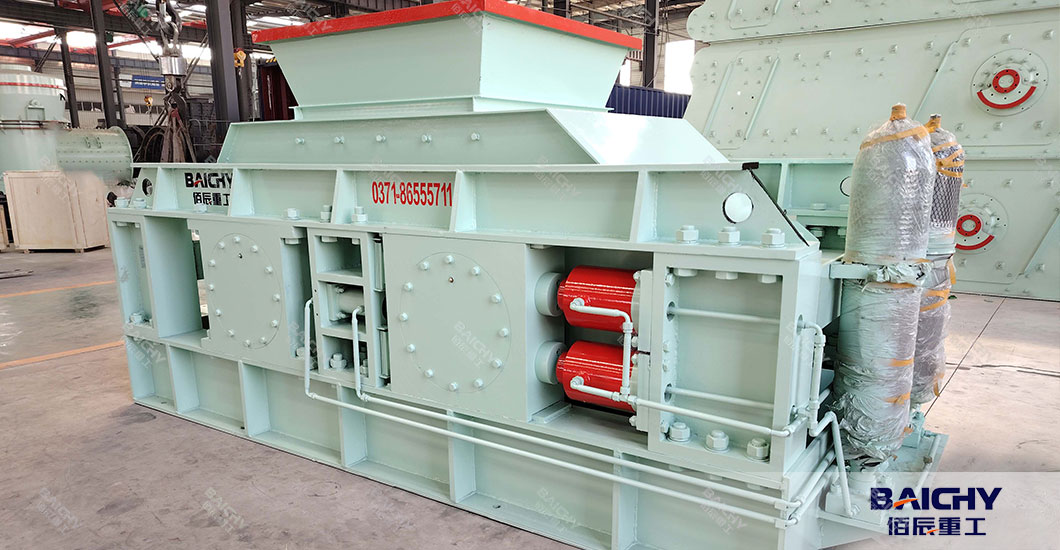
Whether you are feeding a power plant boiler, a coking oven, or a coal washing plant, having precise control over your crushed coal size directly impacts efficiency, fuel quality, and operating costs. This guide covers everything you need to know about adjustable roller crushers for coal at the 500tph scale—from how they work to how to choose the right one.
Key Specifications for 500tph Coal Applications
When selecting a roller crusher for 500tph coal crushing, certain specifications define whether the machine will meet your production goals.
1. Processing Capacity
The "500tph" rating refers to the machine's ability to continuously process 500 metric tons of coal per hour. This is typically measured under standard conditions with medium-hard coal at a specific moisture level. It is important to check whether this figure represents average throughput or peak capacity, as real-world performance can vary based on feed size, coal hardness, and moisture content.
2. Feed Size Capability
A properly sized roller crusher for this capacity range can accept feed material as large as 300mm to over 1 meter in some heavy-duty designs. The ability to handle large lumps reduces the need for pre-crushing, simplifying the overall plant layout.
3. Output Particle Size Range
Most adjustable roller crushers can produce output sizes from as fine as 1–2mm up to 20mm or more. The exact range depends on the roller gap setting. For typical coal applications, common target sizes include:
Under 6mm – For pulverized coal injection or fluidized bed boilers
Under 13mm – For many industrial boiler applications
Under 25mm – For coal washing plant feed or general sizing
4. Drive Power
Machines in this class typically use dual motors with total installed power ranging from 150kW to over 400kW, depending on the required crushing force and material hardness.
Working Principle and Adjustment Mechanism
Understanding how an adjustable roller crusher works helps operators make better decisions about settings and maintenance.
Basic Working Principle
The core concept is simple yet effective. Two heavy-duty rollers rotate toward each other at the same speed or at differential speeds depending on the design. Coal enters the gap between the rollers from above. As the rollers turn, they grip the coal and pull it down into the crushing zone. The compressive force between the rollers breaks the coal into smaller pieces, which then fall out through the bottom.
For toothed roller designs, the teeth intermesh as the rollers rotate, providing additional shearing and tearing action. This is particularly effective for coal, which is brittle and fractures easily under pressure and shear.
How the Adjustment Mechanism Works
The ability to adjust particle size is what makes these crushers versatile. The adjustment system changes the distance between the two rollers, known as the roller gap.
● Hydraulic Adjustment Systems
Most modern 500tph-class crushers use hydraulic cylinders to control roller position. The operator can change the gap from a control panel, often while the machine is still running. Hydraulic pressure also provides overload protection—if an uncrushable object enters the chamber, the hydraulic system allows the roller to move aside momentarily, preventing damage.
● Mechanical Adjustment with Spacers
Some designs use mechanical adjustment via spacers or shims. Adding or removing spacers changes the roller gap. While this is simpler and less expensive, it requires the machine to be stopped for adjustments and is less precise than hydraulic systems.
● Spring-Loaded Systems
Older or smaller machines may use compression springs to maintain roller pressure. These are less common in modern 500tph units due to their limited adjustability and inconsistent pressure control.
Practical Adjustment Range for Coal
For typical coal crushing applications, the adjustment range covers:
Minimum gap – 2–5mm for very fine products
Maximum gap – 20–50mm for coarse products
The relationship between gap setting and output size is not one-to-one. Due to the compression effect and the presence of fines, the actual output top size is usually 1.5 to 2 times the gap setting.
Key Performance Features for High-Capacity Coal Crushing
When operating at 500 tons per hour, the machine must deliver consistent performance shift after shift. Here are the features that matter most.
1. Heavy-Duty Frame and Rollers
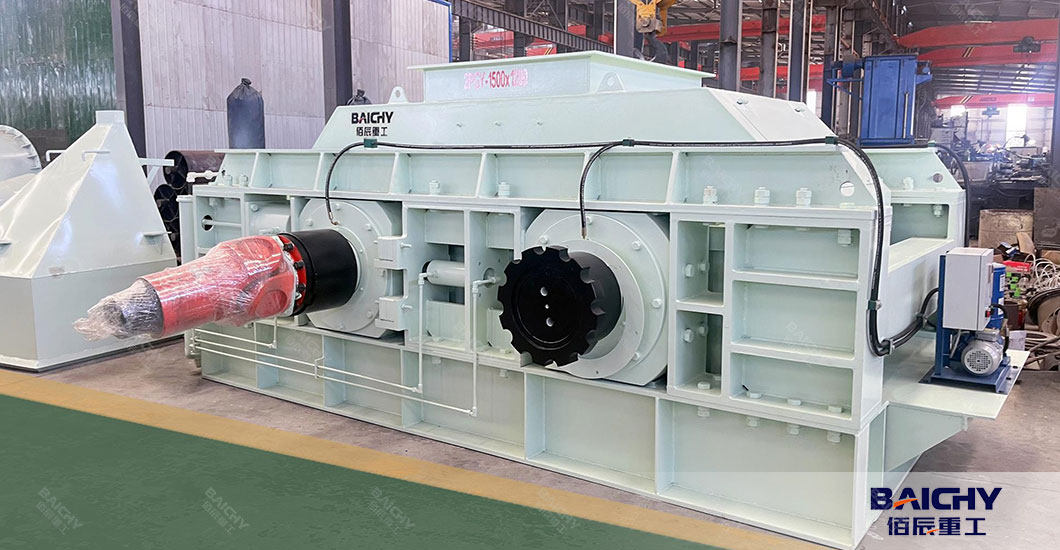
The frame must withstand extreme compressive forces without flexing. High-quality machines use cast steel or heavy fabricated steel frames with reinforcement at stress points. The rollers themselves are typically made from high-manganese steel or alloy steel, with replaceable wear surfaces. For coal applications, smooth rollers or toothed rollers are both available, with toothed designs being more common for larger feed sizes.
2. High-Strength Bearings
Bearings take the full crushing load. At 500tph, bearing failure means hours of lost production. Quality machines use oversized spherical roller bearings from reputable brands like SKF or FAG, with automatic lubrication systems to extend service life.
3. Wear-Resistant Roller Shells
Roller wear directly affects product consistency and operating costs. As the roller surface wears, the effective gap increases, producing coarser output. Quality roller shells are made from high-chrome iron or similar wear-resistant materials. Some designs allow the roller shell to be turned or reversed to expose fresh wear surfaces before replacement is needed.
4. Dual-Drive System
Two motors and gearboxes independently drive each roller. This provides balanced torque and allows for differential speed operation if needed. Differential speeds increase shearing action, which can improve crushing efficiency for certain coal types.
5. Sealing and Dust Control
Coal crushing generates significant dust. Modern roller crushers feature labyrinth seals and air-purge systems to keep dust out of bearings. The machine body is designed to connect to a central dust collection system, minimizing airborne dust at the source.
6. Automatic Overload Protection
When uncrushable material such as tramp iron or large rock enters the crushing chamber, the hydraulic or spring system allows the roller to open temporarily. The material passes through without damaging the crusher, and the roller returns to its normal position automatically.
Limitations and Considerations
No crusher type is perfect for every application. Here are the main limitations to consider.
1. Not Suitable for Very Hard or Abrasive Rock
While roller crushers excel at coal and medium-hard materials, they are not the best choice for extremely hard, abrasive materials such as granite or basalt. These materials cause rapid roller wear, driving up operating costs. For hard rock applications, jaw crushers or cone crushers are more appropriate.
2. Feed Size Limitations
Although some models can handle feed up to 1 meter, most 500tph roller crushers have a maximum feed size of 300–500mm. Larger feed requires a primary crusher upstream. This is rarely an issue for coal, as run-of-mine coal is often pre-sized before reaching the roller crusher.
3. Requires Consistent Feeding
Roller crushers perform best with a steady, even feed. Fluctuations in feed rate or material dumping in large batches can cause uneven wear and inconsistent product size. A properly designed surge bin and feeder ahead of the crusher is recommended for optimal performance.
4. Regular Maintenance of Wear Parts
Roller shells and side liners wear over time and must be replaced. Wear life depends on the abrasiveness of the coal and the quality of the wear materials. For typical bituminous coal, roller shell life can range from 6 months to several years. This should be factored into operating cost calculations.
Case Study: Baichy Double Roller Crusher For Coal Crushing in Indonesia
Challenge
A coal mine in South Kalimantan, Indonesia, was struggling with their crushing operation. Their existing impact crusher produced inconsistent particle sizes and generated too many fines at twenty-two percent, which reduced the value of their thermal coal for power plant customers. Worse, the machine frequently plugged due to the high moisture content of Indonesian coal, which typically runs between fifteen and twenty percent. The mine needed to increase output from 350 tons per hour to 500 tons per hour while meeting strict export specifications.
Solution
Henan Baichy Machinery supplied a 2PG 900×1200 Double Roller Crusher with hydraulic gap adjustment, specifically configured for wet Indonesian coal. The machine handles up to 100 tons per hour with a maximum feed size of 300 millimeters. The output range is adjustable from zero to fifty millimeters while the machine is running. The toothed roller design uses a self-cleaning action that shears rather than impacts the coal, which prevents plugging even at twenty percent moisture. Hydraulic adjustment allows operators to change output size in minutes without stopping production.
Customer Feedback
The mine's operations manager reported that the hydraulic adjustment lets them switch between product sizes in minutes. He noted that there have been no plugging issues even during the rainy season, and that the crusher delivers exactly what Baichy promised.
Why It Worked
The compression crushing action generates fewer fines than impact crushers, preserving coal value. The self-cleaning toothed design handles high moisture without plugging. Hydraulic gap adjustment provides precise size control to meet export specifications. And the machine uses forty to fifty percent less energy than comparable impact crushers. Baichy provided on-site installation supervision, operator training, and established a local spare parts inventory in Indonesia. The crusher has operated through two rainy seasons without a single moisture-related shutdown.
For Indonesian coal operators facing similar challenges, Baichy's double roller crusher offers a proven, cost-effective solution. Contact Baichy for a customized recommendation based on your specific coal properties.




 2026-10-16





 86-15093113821
 86-15093113821