Crushing gravel efficiently is essential in construction, landscaping, and road-building industries. Proper crushing breaks large rocks into smaller, usable pieces, improving material handling and project quality. Choosing the right crusher depends on factors like desired final size, rock hardness, production volume, and budget. Below, we compare three common crushers, then show you how to choose step by step.
Quick Comparison Table
| Feature |
Jaw Crusher |
Impact Crusher |
Cone Crusher |
| Main crushing action |
Compression between two jaws |
High-speed rotor + hammers |
Squeezing between mantle and concave |
| Best for stage |
Primary (first crush) |
Secondary or tertiary (cubical shape) |
Secondary / tertiary (fine & consistent) |
| Typical feed size |
Up to 600 mm |
Up to 300 mm |
Up to 250 mm |
| Output range |
50–150 mm |
0–50 mm (adjustable) |
6–50 mm (very fine possible) |
| Output shape |
Flaky or angular |
Cubical (best for concrete) |
Well-graded, consistent |
| Relative cost (machine) |
$5k–50k |
$20k–150k |
$30k–400k |
| Wear part life |
Long (jaws last long) |
Short (hammers wear fast on hard rock) |
Medium–long (mantle/concave) |
| Energy use |
Medium |
Medium–high |
Low–medium per ton |
| Best for material hardness |
Any (soft to very hard) |
Low to medium hardness (e.g. limestone) |
Medium to very hard (e.g. granite, river gravel) |
💡 Prices are rough estimates for small to medium mobile/stationary units. Actual costs vary by brand, capacity, and location.
Using a Jaw Crusher
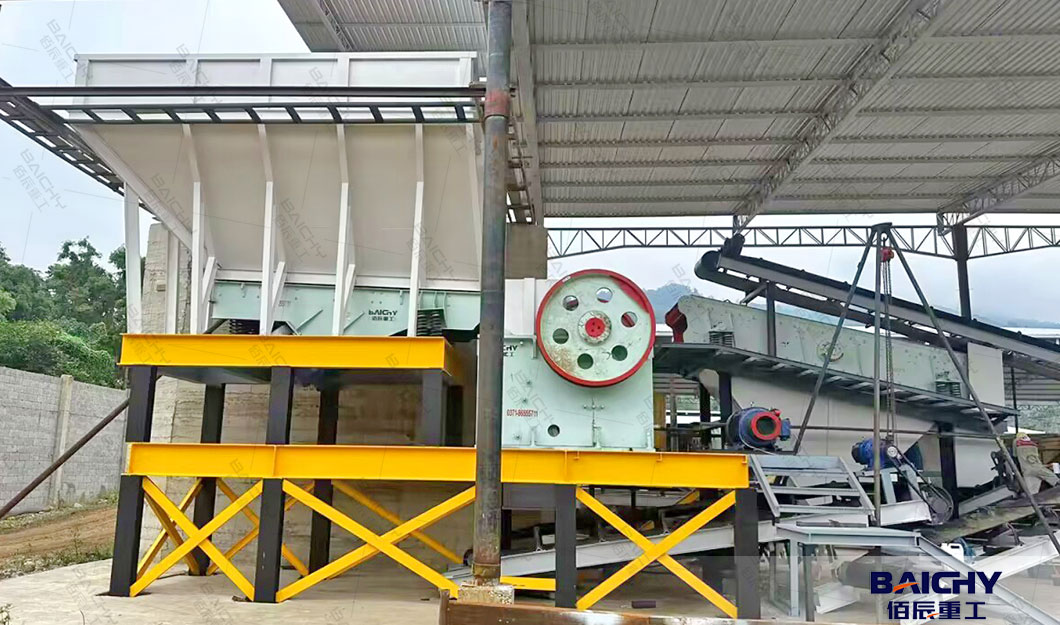
Jaw Crusher Principle: A jaw crusher operates by compressing the gravel between a fixed jaw and a moving jaw. The moving jaw applies force to the gravel, crushing it into smaller pieces as it moves back and forth. The angle and movement of the jaws are designed to break the gravel along its weakest points.
Advantages: It is a reliable and efficient primary crusher. It can handle a large volume of gravel and can produce a relatively uniform product size. For example, in a quarry operation, a jaw crusher can quickly reduce large rocks of gravel to a more manageable size for further processing.
Disadvantages: The initial investment cost can be relatively high. Also, it may not produce very fine - sized crushed gravel in a single pass and might require additional crushing stages for a finer output.
Ideal Applications:
• Primary crushing in quarries (breaking large boulders into manageable sizes)
• Road construction (producing coarse aggregate for base layers)
• Construction sites with high-volume gravel needs (e.g., building foundations)
Using an Impact Crusher
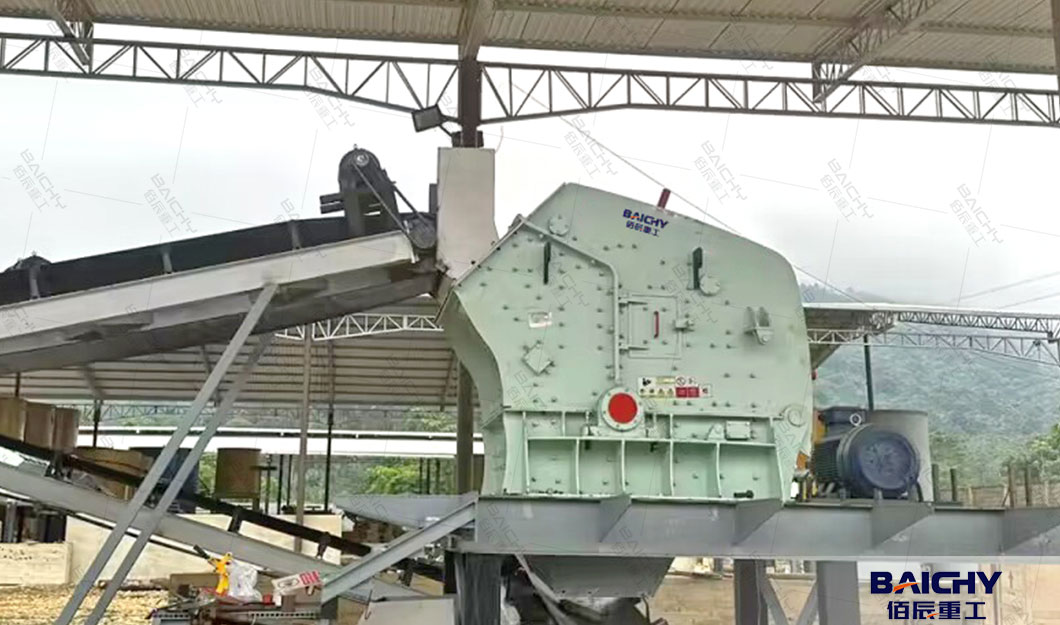
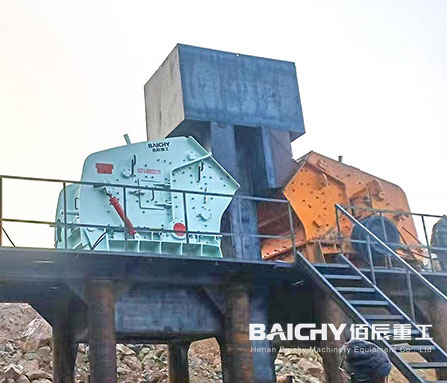
Impact Crusher Principle: Impact crushers work by using a high - speed rotor with hammers that strike the gravel. The gravel is thrown against a breaker plate at high speed, causing it to shatter into smaller pieces. The repeated impact and collision break the gravel into the desired size range.
Advantages: They are excellent for producing cubical - shaped crushed gravel, which is beneficial for applications such as concrete production. They can also produce a wide range of final product sizes, from coarse to fine, depending on the settings and the speed of the rotor. For instance, in the production of high - quality aggregate for road construction, impact crushers can provide well - shaped and properly sized gravel.
Disadvantages: The hammers and other internal components can wear out relatively quickly, especially when crushing hard or abrasive gravel. This requires regular maintenance and replacement of parts, increasing the operating cost.
Ideal Applications:
• Concrete production (needs cubical aggregate for strength)
• Landscaping (uniform, aesthetically pleasing gravel)
• Medium-hard gravel (e.g., limestone, dolomite) processing
Using a Cone Crusher
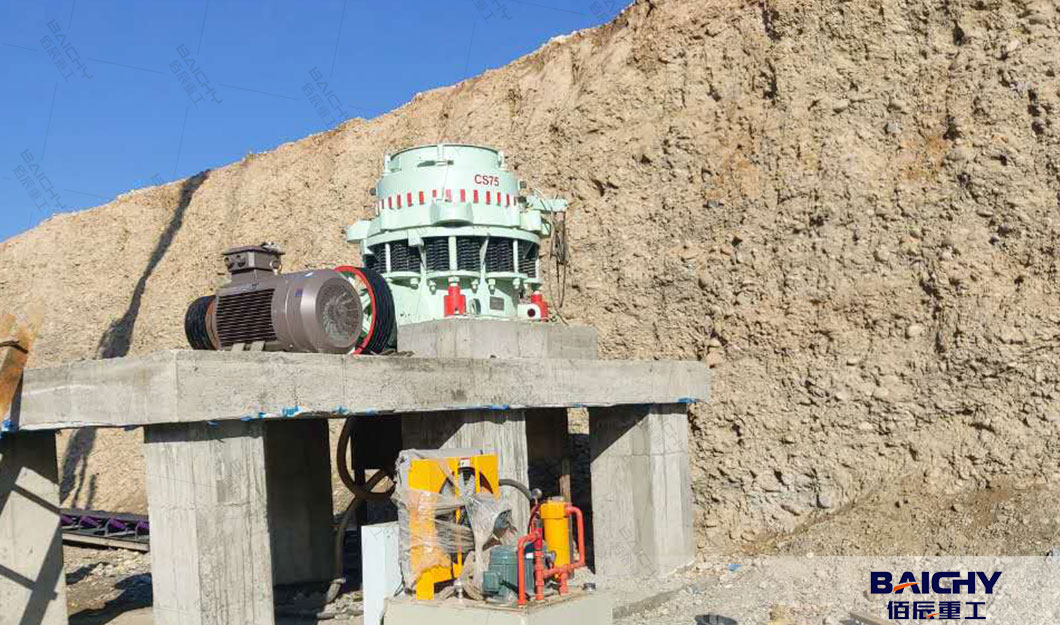
Cone Crusher Principle: Cone crushers operate by squeezing the gravel between an eccentrically rotating mantle and a stationary concave. As the mantle rotates, it applies a compressive force to the gravel, crushing it. The gap between the mantle and the concave can be adjusted to control the size of the output.
Advantages: They are highly efficient for secondary and tertiary crushing of gravel. They can produce a very fine and consistent product size. In a gravel processing plant, cone crushers are often used to produce high - quality sand and fine aggregate for applications like high - strength concrete and asphalt mixtures.
Disadvantages: They are more complex in design and operation compared to some other crushers. They also require a relatively stable feed of gravel to operate at their best efficiency, and improper feeding can lead to reduced performance and increased wear.
Ideal Applications:
• Secondary/tertiary crushing (producing fine aggregate)
• High-strength concrete (needs fine, uniform gravel)
• Asphalt mixtures (consistent particle size for smooth roads)
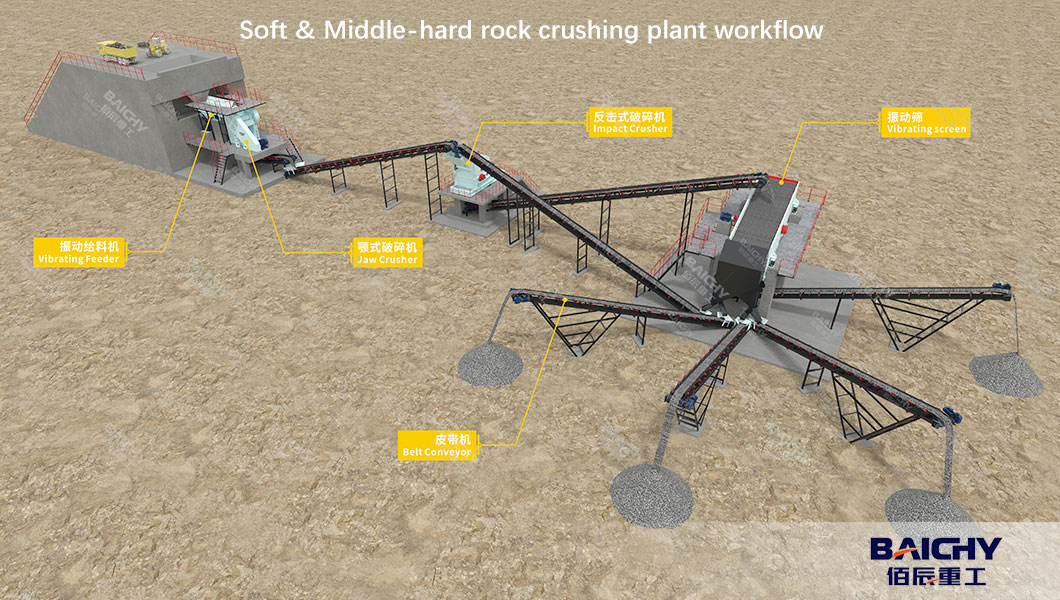
Step-by-Step Gravel Crushing Process: 200 TPH Limestone Plant in Malaysia
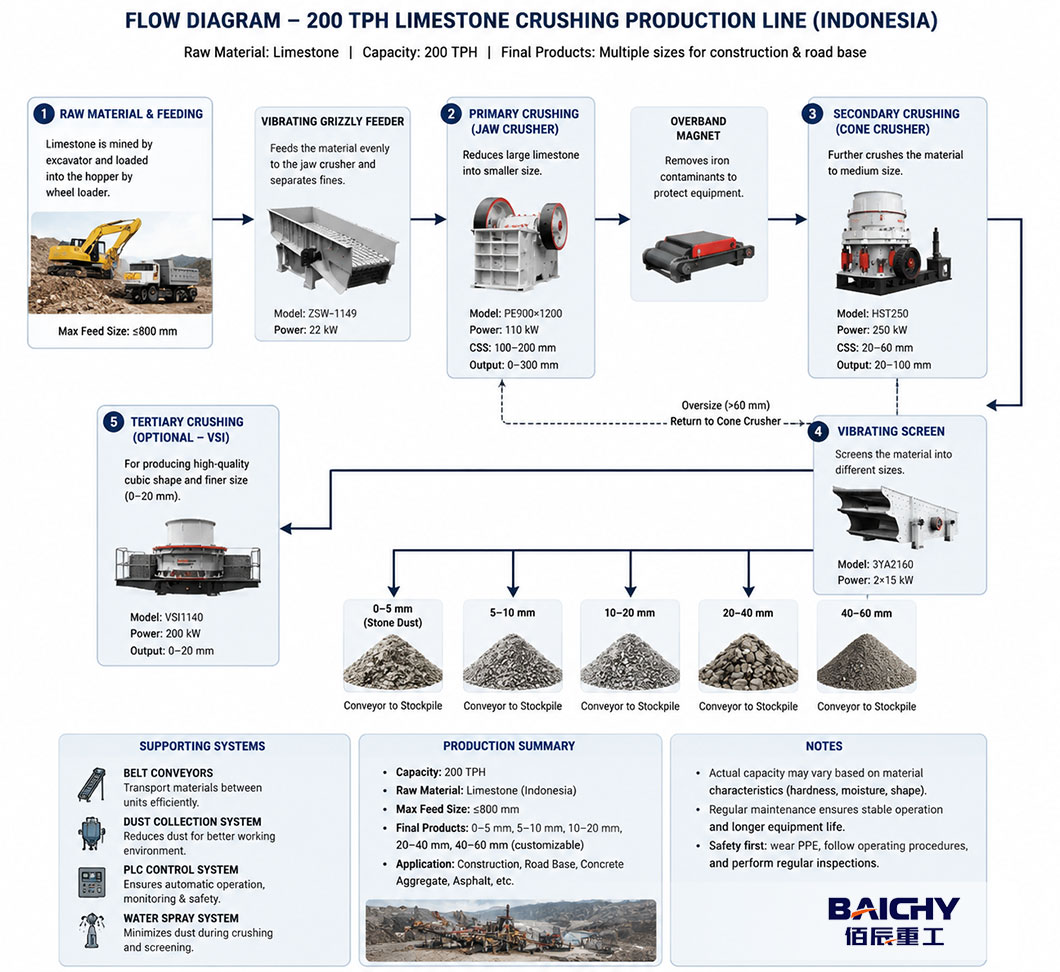
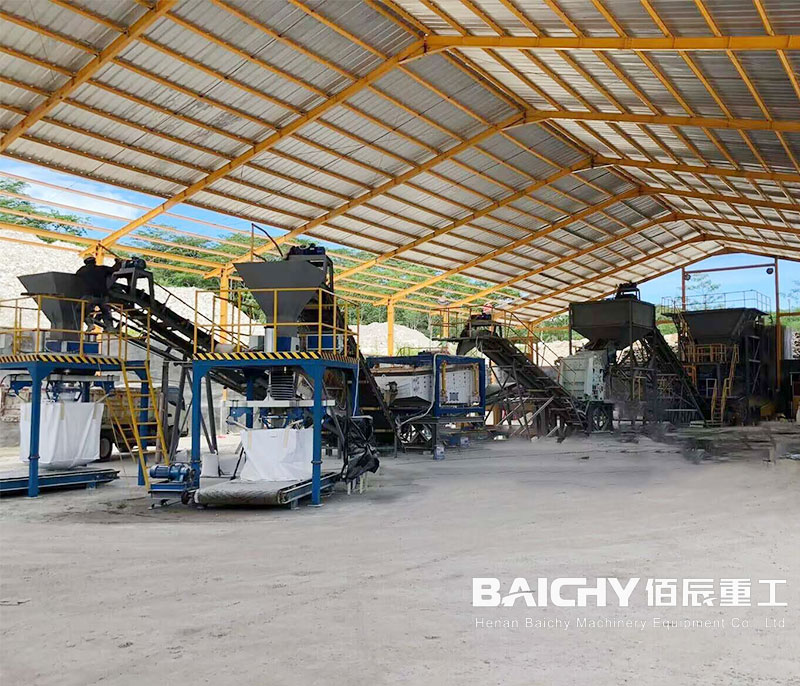
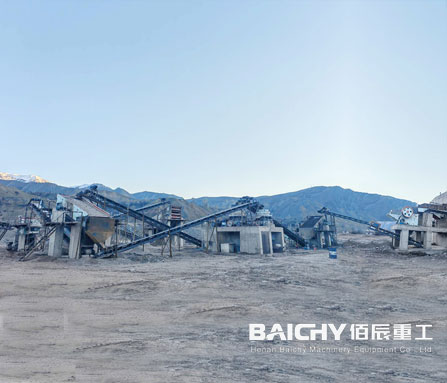
A Baichy Machinery's real-world example of crushing gravel can be seen in a 200 tons per hour (TPH) limestone crushing line in Malaysia. The process demonstrates how jaw, impact, and cone crushers work together to produce high-quality construction aggregate.
1. Vibrating Feeder:
The vibrating feeder evenly delivers limestone from the raw material stockpile to the jaw crusher, separating smaller fines and preventing sudden surges of material. It ensures a stable feed rate, protecting the crusher from overload and improving the efficiency of the primary crushing stage.
2. Jaw Crusher (PE-750×1060):
The jaw crusher reduces large limestone boulders from 800–1000 mm to 100–200 mm, serving as the primary crushing equipment. It handles high-capacity feeds efficiently, produces uniform particle size, and prepares the material for secondary crushing, though monitoring jaw plate wear is essential to maintain consistent output.
3. Impact Crusher (PF-1315):
The impact crusher further breaks down limestone into cubical-shaped aggregate, ranging from 0–50 mm, suitable for concrete and road construction. Adjustable rotor speed and impact plates allow control over output size, while regular maintenance of hammers ensures long-term efficiency and consistent product quality.
4. Cone Crusher (PYB-1750):
The cone crusher produces fine limestone aggregate by squeezing material between a rotating mantle and a stationary concave. It is used for tertiary crushing to achieve 5–20 mm fine material, delivering high-quality, uniform aggregate, but requires a stable feed and regular lubrication to maintain performance and prevent wear.
5. Vibrating Screen (3YA2160):
The vibrating screen separates crushed limestone into multiple size fractions (0–5 mm, 5–10 mm, 10–20 mm, 20–40 mm, 40–60 mm), ensuring each product meets project specifications. Oversized material is returned to crushers for re-processing, and proper screen adjustment maintains screening efficiency.
6. Belt Conveyor:
Belt conveyors transport crushed limestone from each processing stage to stockpiles or the next crusher, enabling continuous operation of the 200 TPH plant. They ensure efficient material flow, reduce manual handling, and allow organized stockpiling for different size fractions.
| Step |
Equipment |
Input Size |
Output Size |
Purpose |
| 1 |
Vibrating Feeder |
800–1000 mm |
800–1000 mm |
Controlled feed |
| 2 |
Jaw Crusher (PE-750×1060) |
800–1000 mm |
100–200 mm |
Primary crushing |
| 3 |
Impact Crusher (PF-1315) |
100–200 mm |
0–50 mm |
Secondary crushing, cubical aggregate |
| 4 |
Cone Crusher (PYB-1750) |
0–50 mm |
5–20 mm |
Tertiary crushing, fine aggregate |
| 5 |
Vibrating Screen |
5–50 mm |
0–5, 5–10, 10–20 mm |
Separation by size |
| 6 |
Belt Conveyor |
- |
- |
Transport to stockpile |
The performance numbers above stone crusher plant case are based on common industry ranges for medium-hard limestone. For your exact material, always run a small test or consult an experienced equipment dealer. Remember: No single machine is “best” for everything. Match the crusher to your gravel’s hardness and your final use. When in doubt, start with a jaw crusher, then add a cone or impact crusher based on your shape and fineness needs.
FAQ (Frequently Asked Questions)
Q1: Which crusher is best for very hard gravel?
A: Jaw and cone crushers are more suitable for hard gravel, while impact crushers are better for medium-hard material.
Q2: Can I achieve fine gravel in a single pass?
A: Usually not. Primary crushing with a jaw crusher requires secondary or tertiary crushing for fine material.
Q3: How often do impact crusher hammers need replacement?
A: For hard or abrasive gravel, hammers typically last 500–1000 hours, depending on material hardness.
Q4: Is cone crusher suitable for unstable feed?
A: No, irregular or variable feed can reduce efficiency and increase wear.




 2026-09-08





 86-15093113821
 86-15093113821