Heavy rainfall can seriously affect the performance and lifespan of crushing equipment in mining and aggregate production plants. Water intrusion, rust, electrical short circuits, belt slippage, and unstable foundations are common problems during wet weather operations. For stone crushing plants operating outdoors, proper rainy season maintenance is essential to ensure production safety, reduce downtime, and extend equipment service life. This guide explains how to protect crushers, motors, electrical systems, and other critical components during the rainy season.
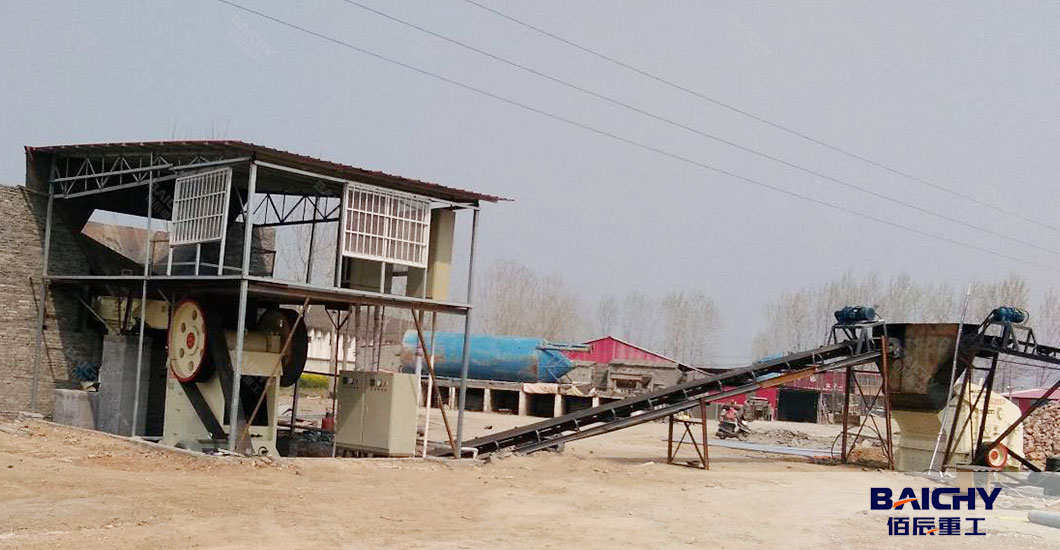
Why Rainy Weather Affects Crushing Equipment
Crushing plants are usually installed in open-air mining environments where equipment is exposed to rain, humidity, mud, and temperature changes. During continuous rainfall, moisture can quickly damage key machine components.
Common rainy season risks include:
● Rust and corrosion on steel structures
● Motor damage caused by water ingress
● Electrical short circuits
● Bearing lubrication contamination
● Conveyor belt slipping and aging
● Foundation instability near slopes or soft ground
Without proper maintenance, these problems may lead to unexpected shutdowns and costly repairs.
Key Maintenance Tips for Crushing Equipment During the Rainy Season
1. Prevent Rust on Crusher Components
Rainwater and humid air can accelerate corrosion on crusher frames, liners, bolts, and exposed steel parts. Rust not only affects appearance but also weakens structural strength and reduces equipment lifespan.
Recommended rust prevention measures include:
● Repair damaged or peeling paint immediately
● Apply anti-rust grease to exposed metal surfaces
● Lubricate bearings, shafts, and joints regularly
● Store spare parts in dry and ventilated areas
● Remove accumulated water and mud around the equipment
For crushing plants operating in tropical or coastal mining regions, corrosion protection should be strengthened due to high humidity levels.
2. Protect Motors and Electrical Systems
The motor is one of the most important components in a crushing plant. Rainwater entering the motor or power supply system can easily cause electrical failure or motor burnout.
To improve electrical safety during wet weather:
● Install waterproof covers for motors and power units
● Inspect cable insulation and wiring connections regularly
● Keep electrical components elevated above ground level
● Avoid exposing electrical equipment directly to rain
● Shut down equipment during severe storms when necessary
Proper waterproofing can significantly reduce unexpected electrical failures during the rainy season.
3. Install Lightning Protection Systems
Thunderstorms are common during the rainy season and may damage electrical control systems or sensitive electronic components.
Crusher plants should install reliable lightning protection devices, including:
● Grounding systems
● Lightning rods
● Surge protection devices
● Stable electrical connections
Before the rainy season begins, operators should inspect all electrical control systems to ensure stable operation.
4. Protect the Control Cabinet
The control cabinet manages the operation of motors, feeders, conveyors, and other electrical systems. Water leakage inside the cabinet may cause short circuits or equipment shutdowns.
Important inspection measures include:
● Check the cabinet sealing condition
● Repair damaged waterproof strips immediately
● Ensure ventilation systems remain dry
● Inspect emergency stop and overload protection systems
● Prepare backup electrical components if possible
Routine inspection of the control cabinet helps improve the safety and reliability of the crushing plant.
5. Use Wet-Weather Lubricants
During rainy weather, ordinary lubricants may lose effectiveness because of water contamination.
Operators are advised to:
● Use waterproof grease and wet-season lubricants
● Increase lubrication inspection frequency
● Clean old grease thoroughly before replacement
● Monitor bearing temperatures during operation
Proper lubrication helps reduce wear and prevents premature bearing failure.
6. Protect Conveyor Belts and Moving Parts
Continuous exposure to rain can shorten the lifespan of conveyor belts and transmission components.
To reduce damage:
● Inspect belt tension regularly
● Remove mud and accumulated materials
● Check rollers and pulleys for abnormal wear
● Cover conveyor systems when possible
● Stop operation temporarily during extreme weather
Preventive inspection helps avoid sudden production interruptions.
7. Safe Parking and Site Management for Mining Equipment
During the rainy season, crushing and mining equipment should never be parked near cliffs, drainage ditches, or unstable slopes.
Recommended safety practices include:
● Park equipment on solid and level ground
● Avoid slopes exceeding 20 degrees
● Improve site drainage systems
● Inspect road and transport track conditions
● Monitor slope stability around the crushing plant
Good site management reduces the risk of landslides, equipment sinking, or operational accidents.
Rainy Season Crusher Inspection Checklist
Before and during the rainy season, operators should complete regular inspections of the crushing plant.
● Inspect paint for chips – repair immediately
● Apply grease to exposed internal parts
● Check motor and power supply for water ingress
● Verify control cabinet enclosure is dry and sealed
● Ensure equipment is not parked on soft ground or >20° slope
● Confirm backup control cabinet is accessible
● Clean surfaces before reapplying lubricants
● Record slope stability and environmental conditions
Common Problems During Rainy Weather and Solutions
1. Motor Short Circuit
Cause: Rainwater enters the motor or electrical cabinet.
Solution: Improve waterproof sealing and inspect electrical insulation regularly.
2. Bearing Rust or Overheating
Cause: Water contamination in lubricating grease.
Solution: Replace grease immediately and use waterproof lubricants.
3. Conveyor Belt Slippage
Cause: Rainwater and mud reduce belt friction.
Solution: Adjust belt tension and clean the conveyor system regularly.
4. Structural Corrosion
Cause: Long-term exposure to moisture and humid air.
Solution: Apply anti-rust coatings and improve drainage conditions.
Frequently Asked Questions
1. How does rain affect crushing equipment?
Rain can cause rust, motor damage, electrical short circuits, lubrication contamination, and conveyor belt problems in crushing plants.
2. How can I prevent crusher rust during the rainy season?
Regular painting, anti-rust grease application, proper drainage, and routine cleaning are effective ways to reduce corrosion.
3. Should crushing plants stop operating during heavy rain?
In severe storms or flooding conditions, temporary shutdown is recommended to protect electrical systems and ensure worker safety.
4. What lubricant is best for crushers during wet weather?
Water-resistant grease and wet-season industrial lubricants are recommended for rainy environments.




 2026-09-25





 86-15093113821
 86-15093113821