Conclusion First:
A 10TPH feldspar dry grinding plant typically uses a ø2.2×7m ball mill with high-alumina liner, combined with an air classifier, bucket elevators, pulse dust collector, and finished product silo. The ball mill grinds feldspar to fine powder, the air classifier separates qualified product from oversized material, and the oversized material returns to the mill for re-grinding. This closed-circuit dry process produces feldspar powder with fineness typically in the range of 200-325 mesh (75-45μm), suitable for ceramic, glass, and filler applications.

1. What Is a Feldspar Ball Mill Plant?
A feldspar ball mill plant is a complete dry grinding system that processes raw feldspar into fine powder. Feldspar is a common mineral in igneous rocks and is widely used in ceramics, glass manufacturing, and construction materials as a fluxing agent and filler.
Unlike wet grinding, a dry ball mill plant uses air classification instead of water separation. This makes it suitable for regions where water is scarce or where the downstream process requires dry powder.
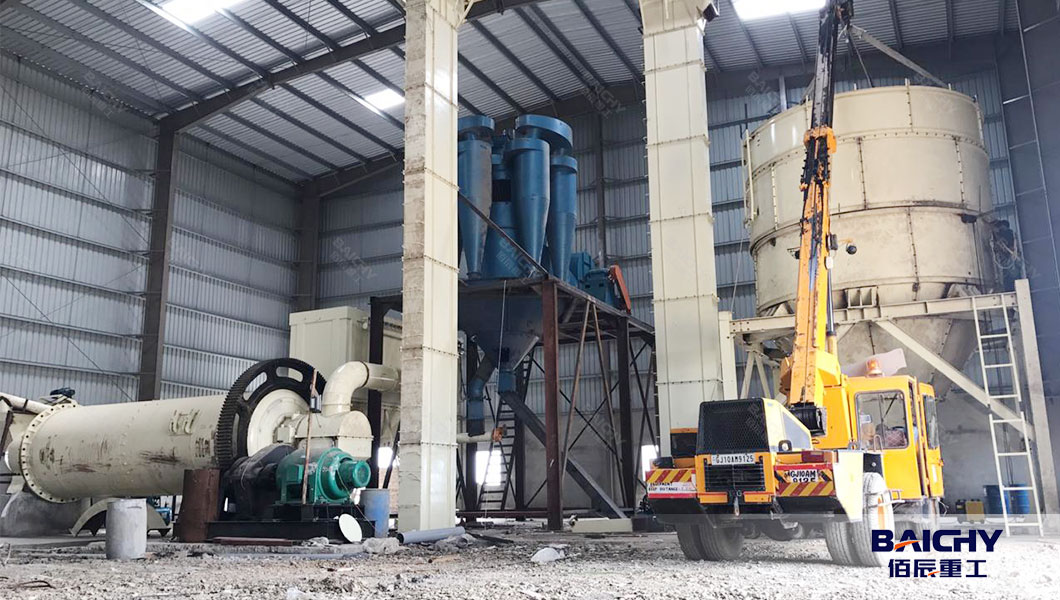
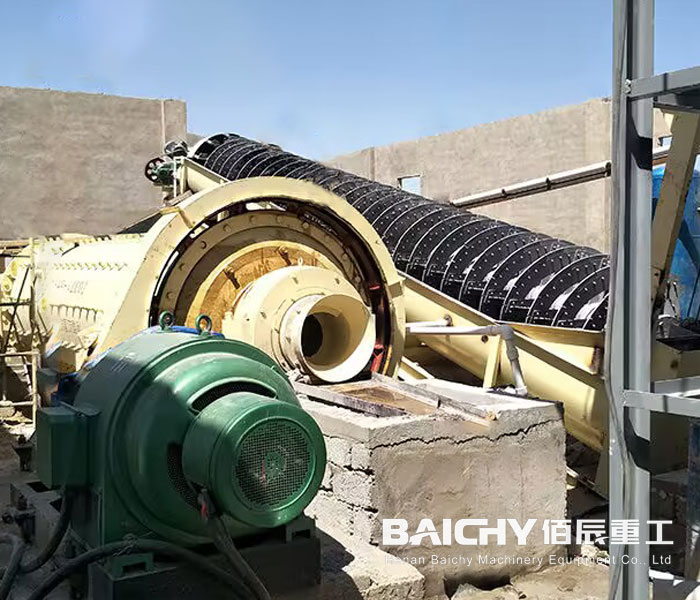
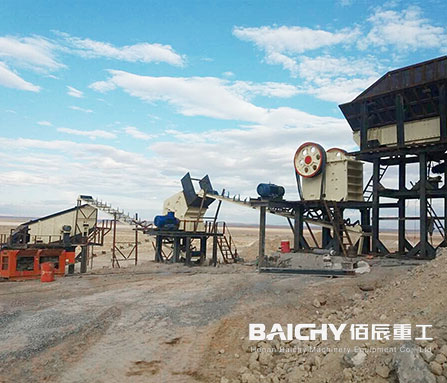
The plant described in this article was delivered to an Indian customer and has been running stably since installation.
2. Project Overview: 10TPH Feldspar Grinding Plant in India
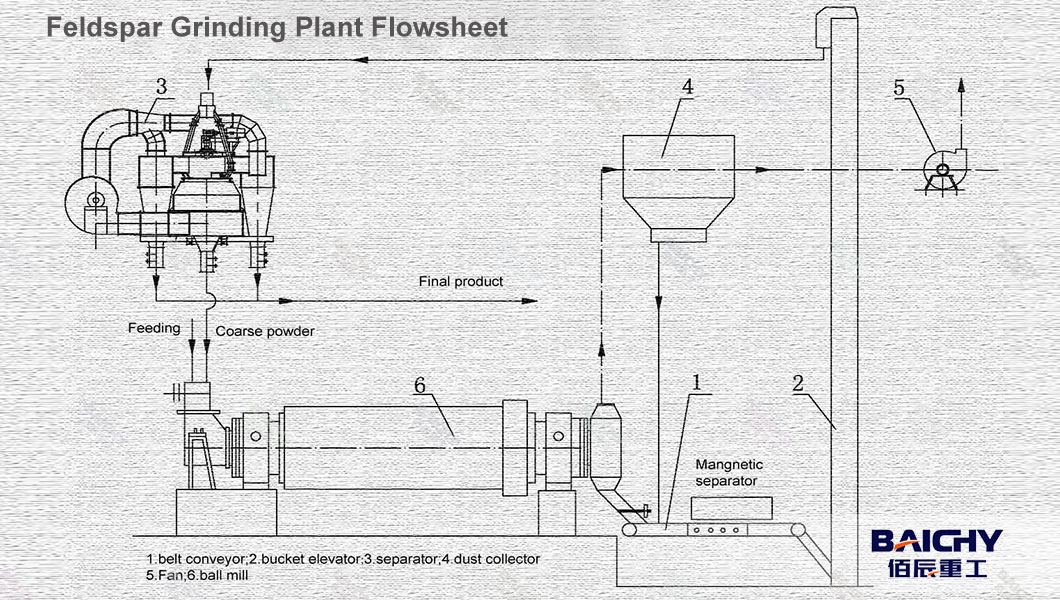
The Indian customer had previous experience with Baichy equipment through other feldspar processing projects. After visiting existing grinding plants and evaluating Baichy’s manufacturing capability, the customer selected Baichy again for a new feldspar powder production line. This is the complete equipment configuration for 10TPH feldspar ball mill grinding plant.
| No. |
Equipment |
Function |
Key Parameters |
| 1 |
Storage Bin |
Raw material buffer |
Capacity: 10-15 m3 |
| 2 |
Magnetic Separator |
Remove iron contaminants |
Belt-type, 800 Gauss |
| 3 |
Belt Conveyor |
Feed material to mill |
Width: 500mm |
| 4 |
Ball Mill |
Grinding |
ø2.2×7m, high-alumina liner |
| 5 |
Semi-product Bucket Elevator |
Transport ground material |
Capacity: 15-20 t/h |
| 6 |
Air Classifier |
Particle size separation |
Cut point: 45-75μm adjustable |
| 7 |
Finished Product Bucket Elevator |
Transport fine powder |
Capacity: 10-15 t/h |
| 8 |
Finished Product Silo |
Storage |
Capacity: 20-30 m3 |
| 9 |
Pulse Dust Collector |
Dust control & powder recovery |
Air volume: 8000-12000 m3/h |
| 10 |
Control Cabinet |
System control |
PLC automatic control |

3. Process Flow Description
Stage 1: Raw Material Preparation
Raw feldspar is stored in the storage bin. A belt conveyor feeds material through a magnetic separator to remove iron particles, which would otherwise contaminate the final product and damage the mill liner.
Stage 2: Grinding
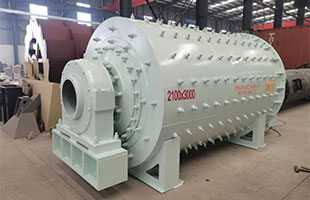
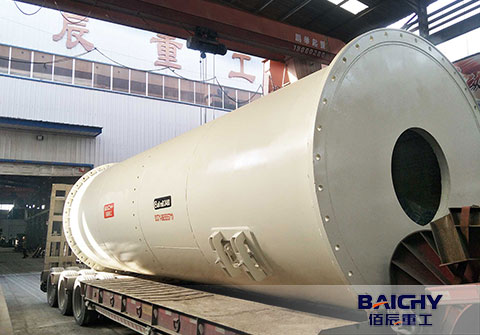
The prepared feldspar enters the ø2.2×7m ball mill. The mill is lined with high-alumina ceramic plates to minimize wear and prevent iron contamination. Grinding media are high-alumina balls.
As the mill rotates at approximately 21-23 rpm, the grinding balls are lifted and dropped, crushing and grinding the feldspar through impact and attrition. The installation power of this ball millmill is typically 380-450 kW, depending on the specific motor configuration.
Stage 3: Classification
Ground material is discharged from the mill and lifted by the semi-product bucket elevator to the air classifier. The classifier uses adjustable rotor speed to control the cut point. Qualified powder (typically 200-325 mesh) passes through, while oversized particles are rejected and returned to the mill for re-grinding.
This closed-circuit arrangement ensures that only material meeting the target fineness leaves the system.
Stage 4: Product Collection and Dust Control
Qualified powder is transported by the finished product bucket elevator to the finished product silo. The pulse dust collector captures fine dust from the classifier and material transfer points, both to meet environmental standards and to recover valuable fine powder.
4. Why Choose Ceramic Ball Mill for Feldspar Grinding?
Feldspar has relatively high hardness and is widely used in industries requiring stable powder quality. Ball mills are commonly selected for feldspar grinding because they provide reliable and uniform grinding performance.
● Stable Fine Grinding Performance
The ball mill can continuously grind feldspar into fine powder with stable particle size distribution, making it suitable for ceramic and glass applications.
● Suitable for High-Purity Feldspar Powder
Worn steel introduces iron into the product, which is unacceptable for ceramic and glass applications where iron content must be strictly controlled (often below 0.1% Fe₂O₃). Using ceramic lining and alumina grinding media helps reduce impurities during grinding, which is important for applications requiring high product purity.
● Reliable Continuous Operation
Ball mills are designed for long-term industrial production. Their simple structure, strong durability, and easy maintenance make them suitable for large-scale mineral grinding plants.
For the 10TPH feldspar grinding plant in India, Baichy designed a complete solution based on a ceramic-lined ball mill and air classifier system, helping the customer achieve stable production of high-quality feldspar powder.
With professional engineering experience and customized mineral processing solutions, Baichy Machinery continues to provide reliable grinding plants for customers worldwide. Welcome to get your customized ball mill plant soluiton online for free.
FAQ About Feldspar Grinding Plant
1. What is the difference between dry and wet feldspar grinding?
Dry grinding uses air classification to separate fine powder, while wet grinding uses water and hydraulic classification. Dry grinding is preferred when:
● Water is scarce or expensive
● The downstream process requires dry powder (e.g., dry-pressed ceramics)
● The product will be sold as dry powder
Wet grinding generally achieves finer particle sizes and is more energy-efficient, but requires dewatering and drying steps.
2. Can this plant produce different fineness levels?
Yes. The air classifier's rotor speed is adjustable. By changing the rotor speed, the cut point can be set between approximately 45μm and 100μm (150-325 mesh). However, finer grinding reduces capacity. Producing 325 mesh powder will yield lower output than 200 mesh.
3. How much does a feldspar grinding plant cost?
The cost depends on plant capacity, equipment configuration, grinding fineness, automation level, and installation requirements. A customized quotation is needed based on specific project conditions.
4 What is the delivery and installation time?
For a standard 10TPH plant, delivery is typically 25-35 working days after deposit. Installation and commissioning usually take 15-25 days on site, depending on local conditions and site preparation.




 2026-10-16






 86-15093113821
 86-15093113821