Limestone is an important mineral stone material in the mining industry. It is widely distributed and has diverse applications. It has a huge demand in the fields of cement, concrete, steel and agriculture. However, the harsh reality is that due to the low tonnage value of limestone, your profit margin entirely depends on the processing cost.
If you treat limestone the same way you do granite, by purchasing expensive high-capacity crushers, then your profits will be entirely consumed by electricity and capital expenditures. If you treat it like soil, by buying cheap and inefficient machines, then you will suffer losses due to downtime and poor product quality. This guide will explain how to crush and grind limestone in the most optimal way - minimizing operating costs and maximizing the value of the final product.
Part One: Understanding the Characteristics of Limestone Materials
Before you review the product catalogue, please familiarize yourself with your stone. Limestone is usually relatively soft (with a Mohs hardness of 3-4) and brittle.
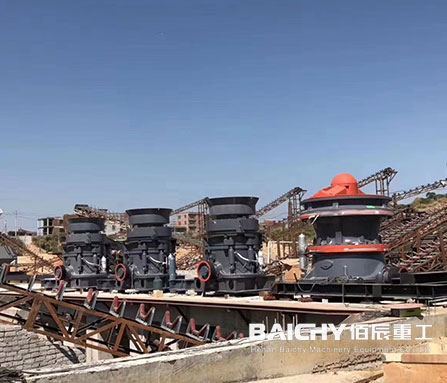
● Money-saving tip: Do not use cone crushers to crush ordinary limestone. Why? The cone crusher adopts a "layered crushing" method specifically designed for hard rocks such as basalt. This type of crusher has a high purchase cost and a high maintenance cost, and it also produces a large amount of needle-like (flaky) particles. These particles have a lower market price in the construction industry.
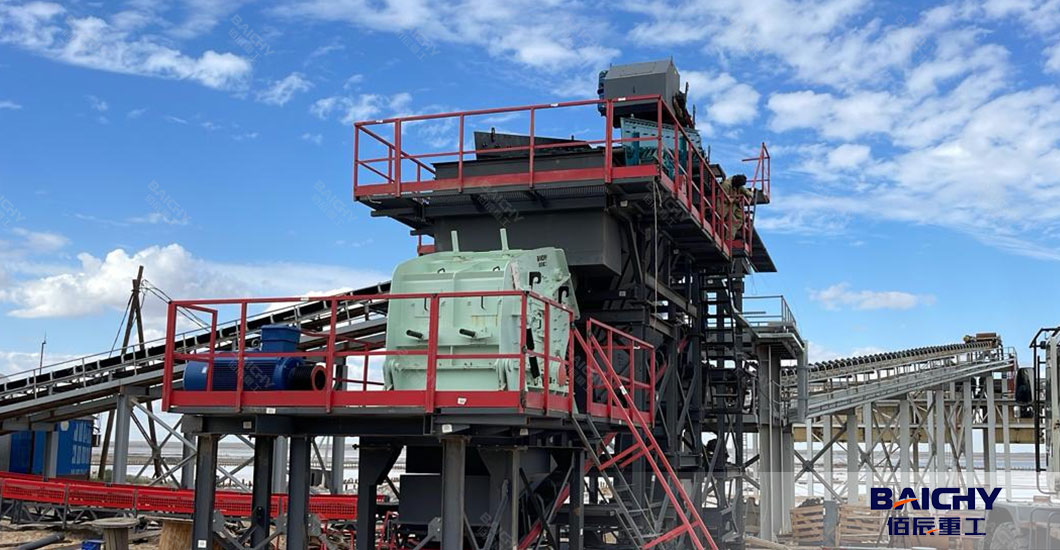
● Better option: Use impact crusher or hammer crushers. The initial cost of these machines can be reduced by 30-40%, and by utilizing the brittleness of the stone itself for crushing, a significant amount of energy can be saved.
Part Two: The Fragmentation Stage - The "Shape" vs. "Cost" Debate
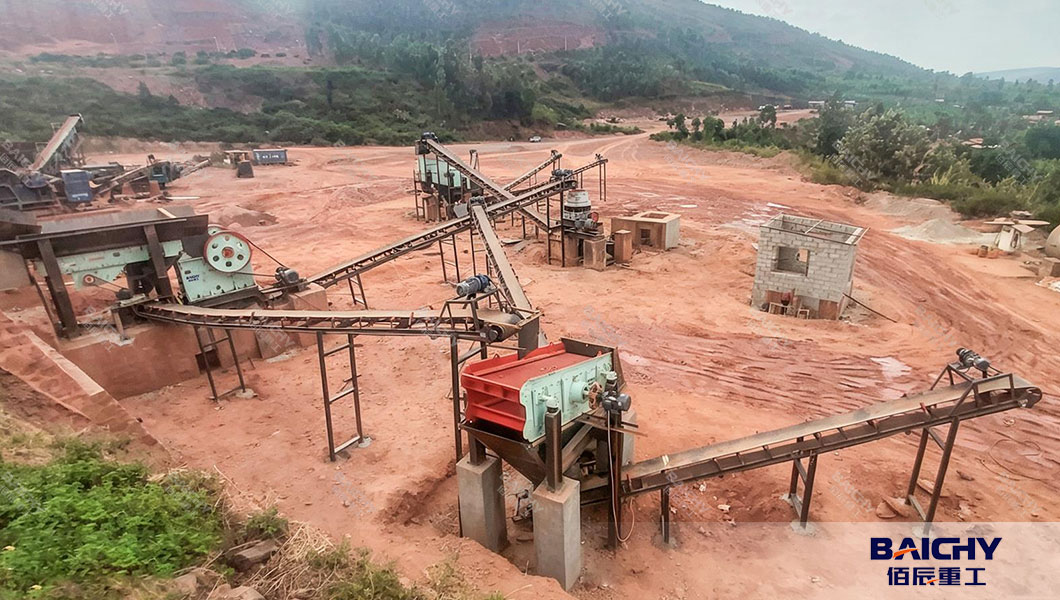
For limestone, there are two main profit-making methods. Which method to choose depends on the type of product you sell.
Option A: Selling high-quality aggregates (concrete/roads)
● Solution: Impact crushers (PF/PFW series)
● Working principle: High-speed hammering of the stone.
● Profit advantages:
○ High-quality product price: Impact crushers can produce perfect cubic shapes. Concrete mixing stations are willing to pay a higher price for cubic limestone because it can produce stronger concrete.
○ Low wear cost: Since limestone is relatively soft, the hammering plates have a longer service life (different from granite). You can enjoy the advantage of high-quality products without incurring high maintenance costs.
Solution B: Selling cement raw materials / Large-scale production
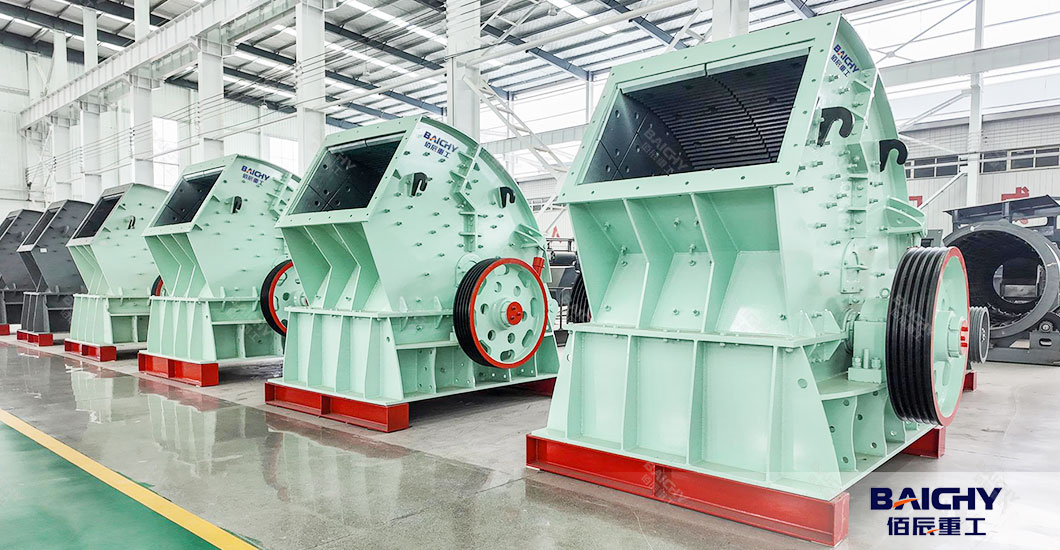
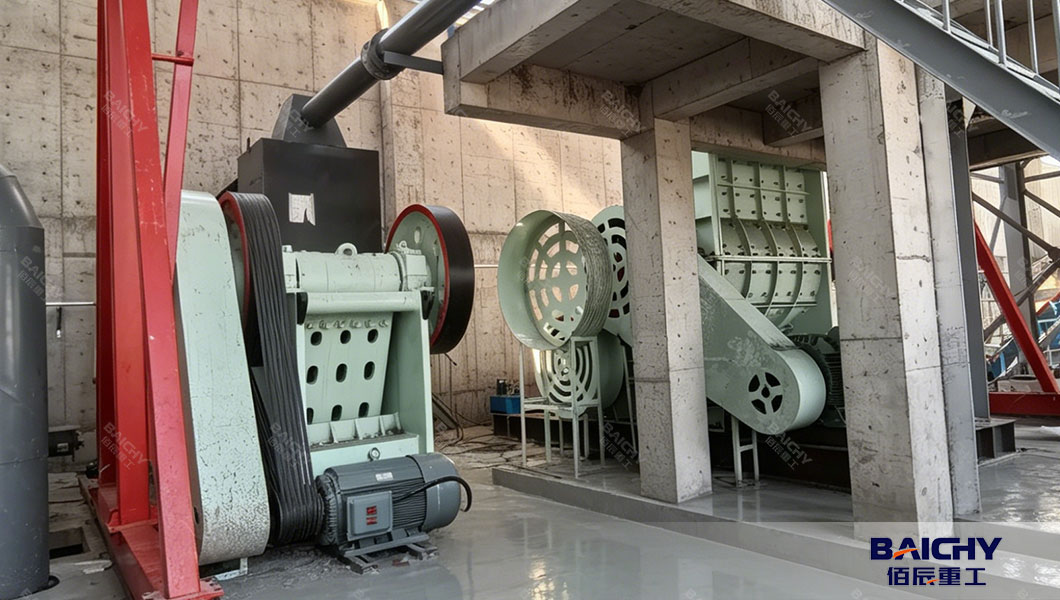
● Solution: Heavy Hammer Crusher
● Working principle: It is a large rotor equipped with heavy hammer heads, which can crush stones in one go.
● Profit advantages:
○ "One-step cost savings": The impact crusher can crush a 1000-millimeter boulder into 25-millimeter stones in one operation.
○ Elimination of secondary crushing machines: You don't need a jaw crusher and a counter-attack crusher. Just purchase one machine instead of two. Only one motor needs to be operated instead of two. This can save up to 40% of electricity costs.
Part Three: Grinding Stage - Fineness Determines Profit
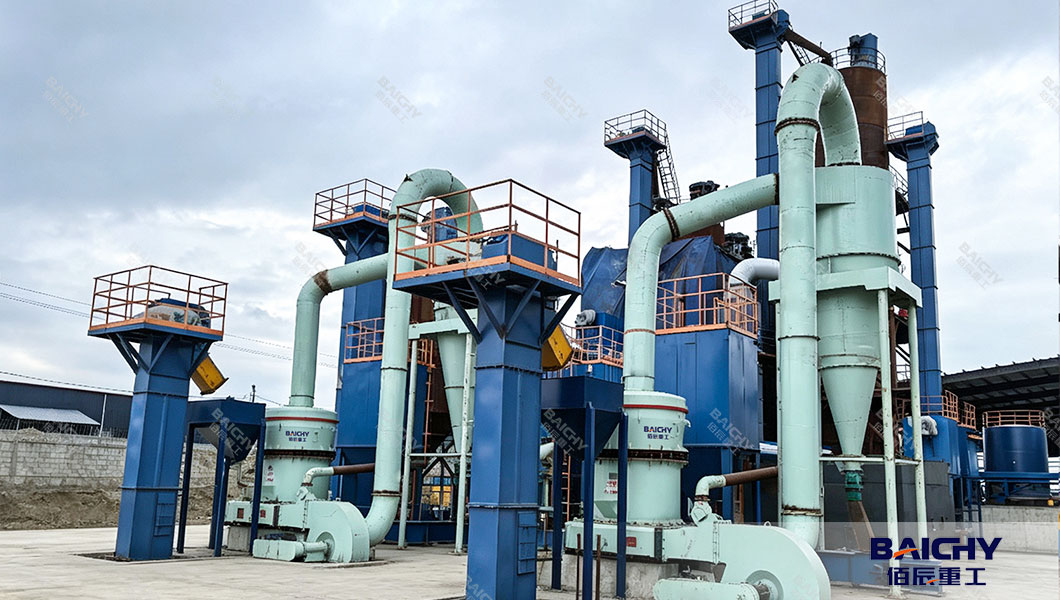
If you want to grind limestone into powder (calcium carbonate), the "mesh size" determines your profit. Do not use a machine designed for 200-mesh size to attempt to produce 1000-mesh fine powder.
Scene 1: Desulfurization and Agriculture (80 - 400 mesh)
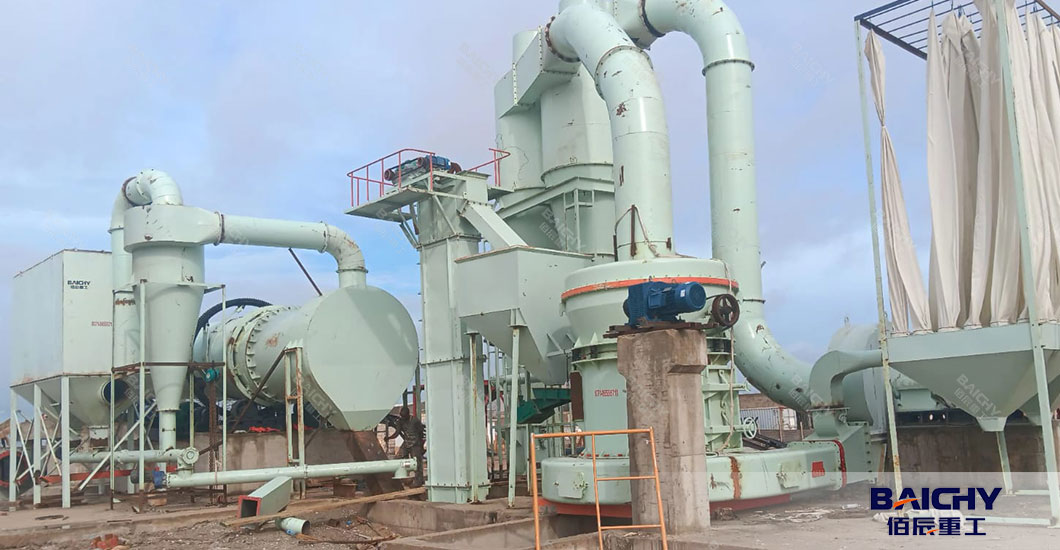
● Best choice: Raymond Mill (YGM series)
● Economic benefits: For standard powders, the Raymond Mill is the industry standard.
●Reasons for cost savings:
○ Stable operation: This is a mature technology with a low failure rate.
○ Integrated classification: It has an in-built analyzer. You don't need to purchase a separate vibrating screen or cyclone separator. This is a "plug-and-play" profit center.
Scene 2: Plastic, paint and papermaking fillers (800 - 2500 mesh)
● Best choice: HGM micro grinding mill
● Economic benefits: The price of ultra-fine powder is 5 to 10 times that of coarse powder.
● Cost-saving reasons:
○ Efficiency: Standard grinding machines simply cannot achieve 2000 mesh efficiently; they only recycle materials and waste energy. The HGM series uses special grinding rings and high-precision classifiers to produce ultra-fine powder with the lowest energy consumption per ton.
Part Four: The Hidden Profit Killers (Warning!)
Even with the right equipment, there are two factors that can seriously affect your profits.
1. "Silica Trap"
● Risk: If the silica content in your limestone exceeds 5%, it will become abrasive. The standard hammer blades of impact crushers wear out too quickly.
● Solution: You must inform us in advance. We will replace them with high-chrome hammers or dedicated jaw/cone crushers for you.
● Savings: By spending 20% more now on replacement parts, you can avoid weekly downtime for part replacement.
2. "Moisture" Trap
● Risk: Limestone will absorb moisture. If the moisture content exceeds 6%, it will form lumps and stick together in the Raymond mill.
● Solution: Cover your material pile or install a dryer.
● Savings: A clogged mill will not generate any profit and will waste a lot of time and money. Prevention is better than downtime.
Processing limestone is not difficult, but achieving profitability in the process requires precise control.
● Need cubic aggregate? Purchase an impact crusher.
● Need low-cost cement raw materials? Purchase a hammer crusher.
● Need fine powder? Purchase a Raymond mill or HGM mill.
Tell us your Limestone Hardness, Silica Content, and Target Output. Our engineers will provide a free flow chart and a Cost-Per-Ton analysis within 24 hours. Contact Baichy Engineering Team Now




 2026-09-21





 86-15093113821
 86-15093113821