Home About us
Products
News
Solution
Video Service Contact us
Home  /  News

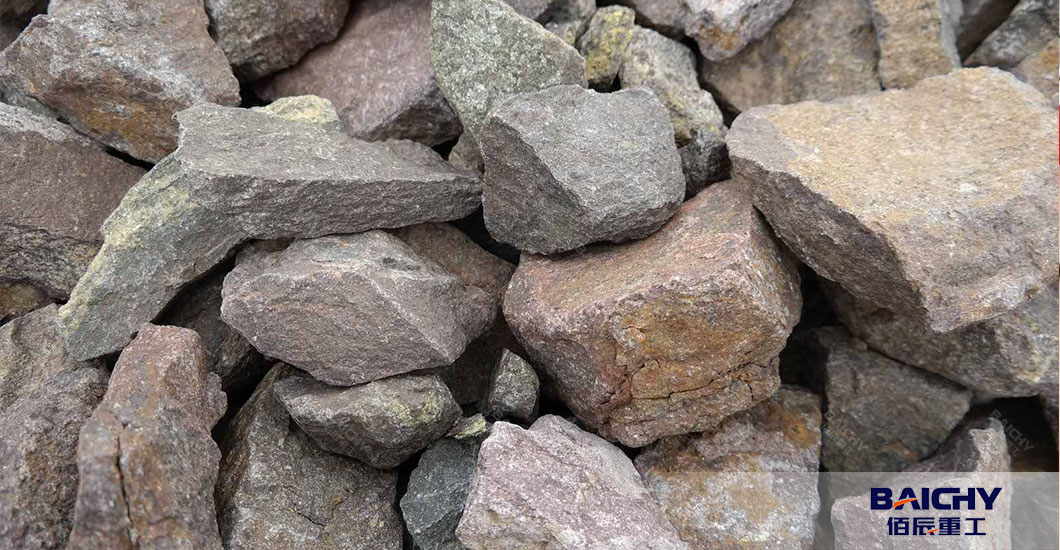
 If you are reading this, you probably already know the headache of crushing granite. Unlike limestone or basalt, granite is a quarry operator’s toughest challenge. With a Mohs hardness of 6-7 and a high silica content (often exceeding 65%), granite doesn't just break; it grinds away your profits.
The most common question we hear at Baichen isn't "Which machine can crush granite?"—almost any kind of stone crusher can. The real question is: "Which machine can crush granite without bankrupting me on wear parts?"


granite rocks.jpg


Choosing the right granite crushing machine is not an engineering contest; it is a financial calculation. In this guide, we will bypass the generic definitions and dive straight into the cost-benefit analysis of the two main contenders for secondary crushing: the Cone Crusher and the Impact Crusher.

Phase 1: The Primary Stage (Jaw Crusher)

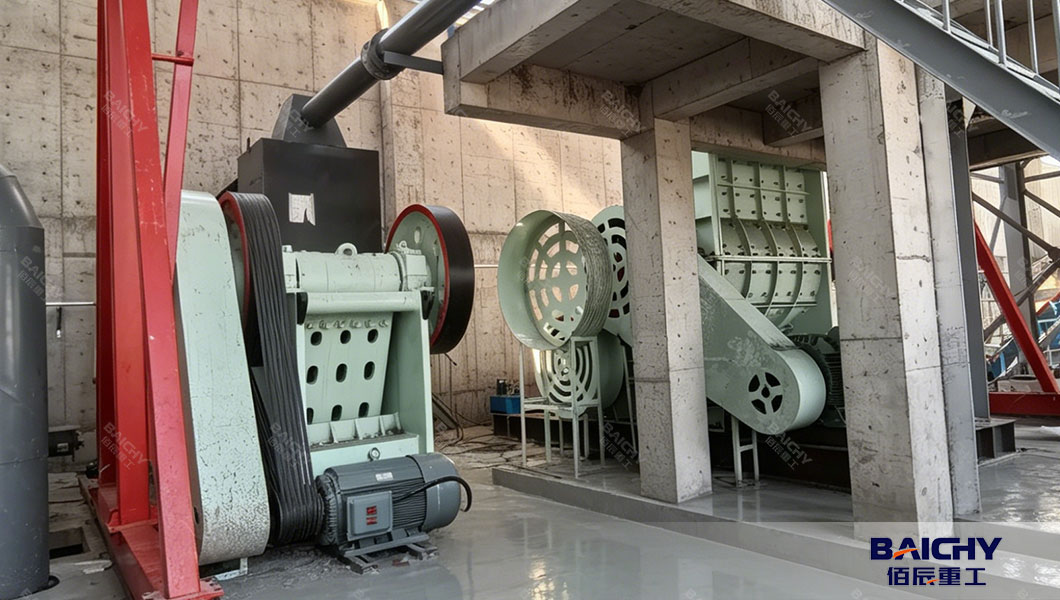
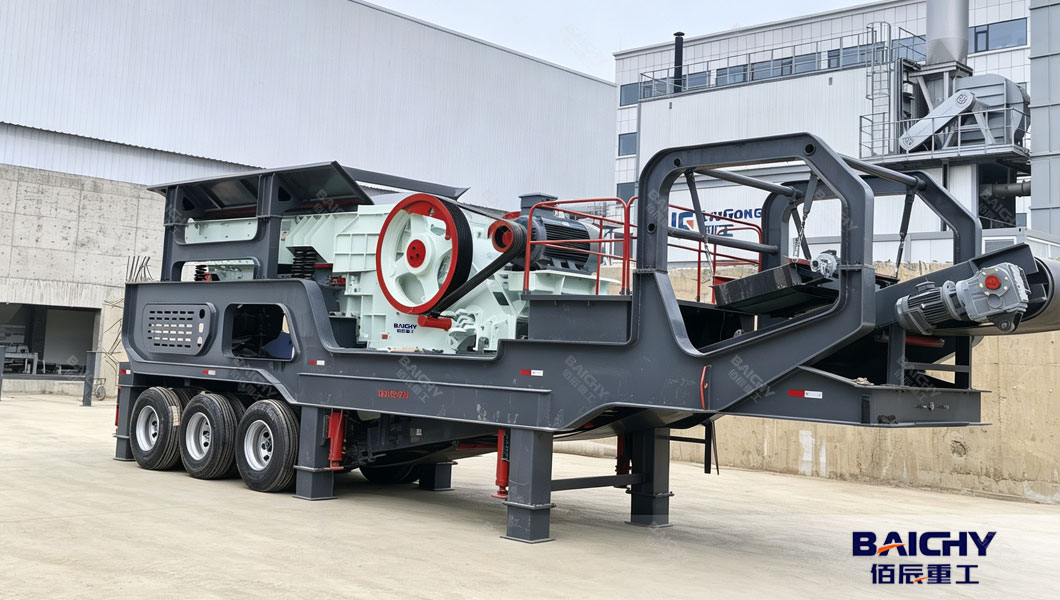
Before we debate the secondary stage, let’s clear the air about the primary stage. When handling raw granite blasted from the mine, you have only one viable option: The Jaw Crusher. A heavy-duty Jaw Crusher (like the Baichy PE Series) uses high manganese steel jaw plates and a heavy fly-wheel design to handle the initial compressive strength of granite. It prepares the material for the real battle in the secondary stage.


Phase 2: The Core Debate – Cone Crusher vs. Impact Crusher

This is where 90% of quarry owners make a critical financial decision. Do you choose the Impact Crusher (Low Investment) or the Cone Crusher (Low Operating Cost)?

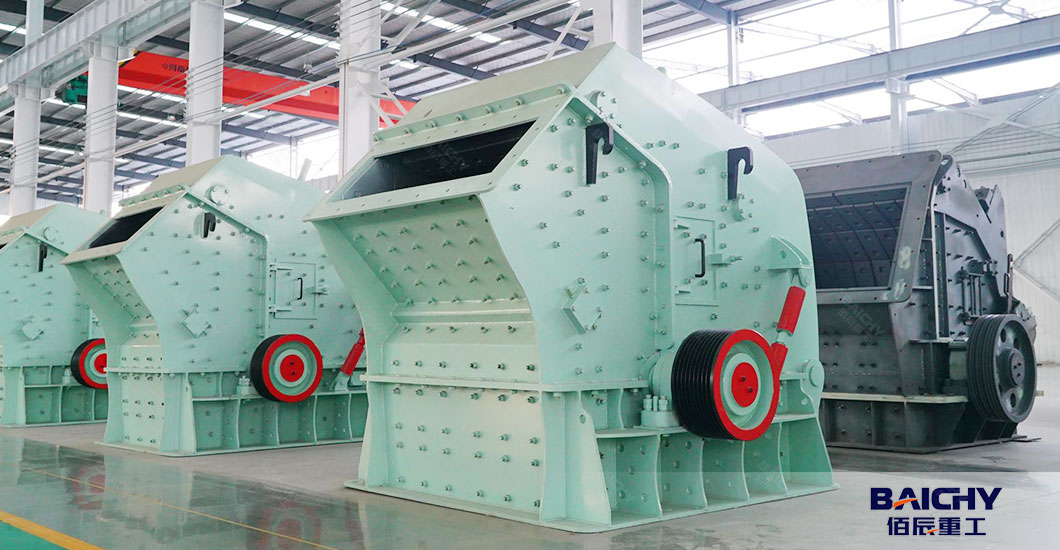
1. The Impact Crusher (PF/PFW Series)

Impact crushers work by using rapidly spinning blow bars to strike the stone.
● The Pros:
   ○ Low Initial Cost: It is cheaper to buy than a cone crusher.
   ○ Excellent Grain Shape: It produces highly cubical products, which sell for a premium in concrete and asphalt markets.


● The Cons (The Granite Reality):
   ○ Extreme Wear Costs: Because granite is abrasive (high silica), it acts like sandpaper on the blow bars. In high-output scenarios, you might be changing blow bars every few days or weeks.
   ○ Downtime: Frequent part replacements mean your production line stops more often.
   ○ Verdict: The Impact Crusher is generally NOT recommended for granite as a primary secondary crusher unless your project is short-term, or you have very specific requirements for aggregate shape and are willing to pay the high OPEX (Operating Expenditure).


granite crusher.jpg


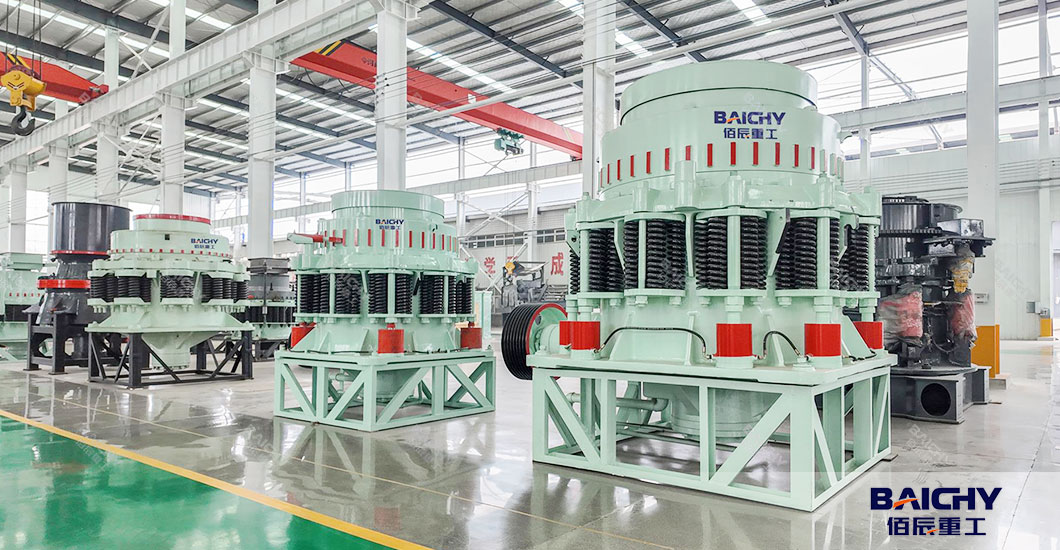
2. The Cone Crusher (CS / HPC / CH Series)

Cone crushers crush rock by squeezing it between a mantle and a concave (lamination crushing principle).
● The Pros:
   ○ Low Wear Cost: The crushing surfaces roll rather than strike. The manganese steel liners last much longer against abrasive granite.
   ○ High Efficiency: Hydraulic Cone Crushers (like the Baichen HPT Multi-cylinder) are designed for high throughput.
   ○ Automation: Modern cones come with PLC systems to protect against overload (tramp iron).


● The Cons:
   ○ Higher Initial Cost: It is a bigger upfront investment.
   ○ Shape: The product shape is generally good but may contain more flaky particles than an impact crusher (though modern multi-cylinder cones have improved this significantly).
   ○ Verdict: For medium to large-scale granite quarries, the Cone Crusher is the undisputed winner. The money you save on wear parts usually pays for the price difference within the first 6–12 months.


granite cone crusher.jpg


Case Study: Turning a Loss into Profit in Malaysia

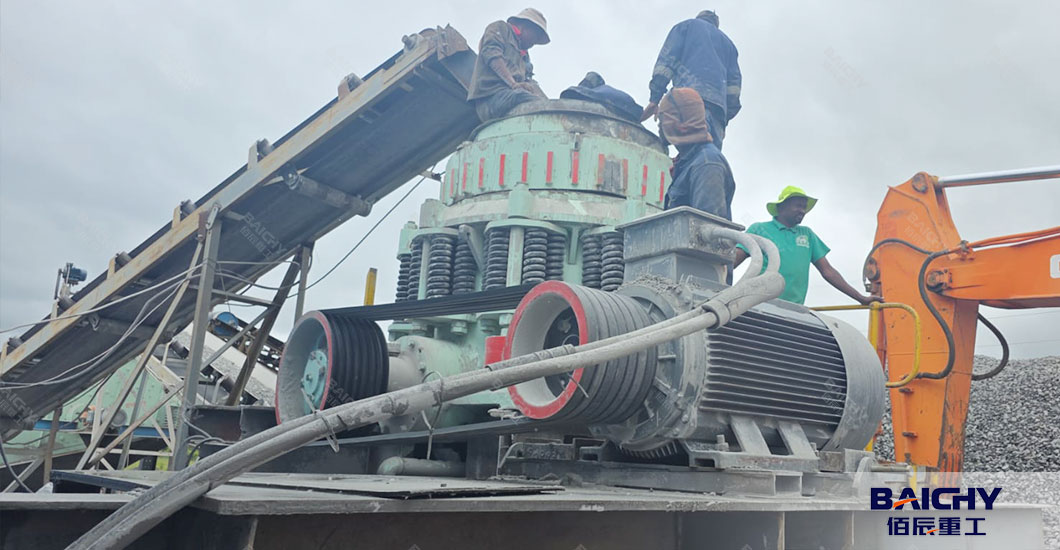
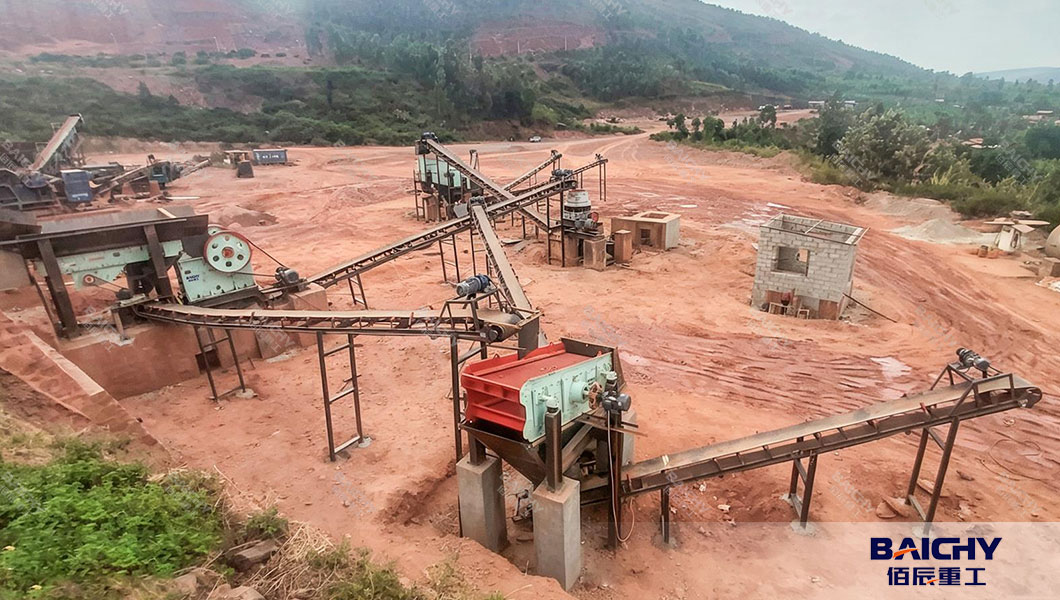
To prove that this isn't just theory, let’s look at a real-world case from a Baichy client in Malaysia. The client, Mr. Santoso, operated a granite quarry supplying aggregate for a local highway project. Initially, to save on startup capital, he invested a granite crushing plant featuring a Jaw Crusher + Impact Crusher. After three months, Mr. Santoso was bleeding money. The granite in his quarry had a silica content of over 70%. His impact crusher’s blow bars were wearing out every 500 working hours. The cost of replacement parts and the lost revenue from downtime were destroying his margins.


The Baichy Solution:

Our engineers analyzed his raw material and proposed a retrofit. We replaced the Impact Crusher with a Baichy HPC300 Multi-Cylinder Hydraulic Cone Crusher. The Cone Crusher’s mantle and concave lasted over 1,200 hours. Production output increased by 30% due to less maintenance downtime. Although the machine cost more upfront, the Cost Per Ton dropped by 45%.


"I thought the Cone Crusher was too expensive. But after calculating the spare parts bill, the Impact Crusher was actually the expensive one. Baichy helped me do the math." — Mr. Santoso


Best-Granite-Crushing-Machine-01.jpg


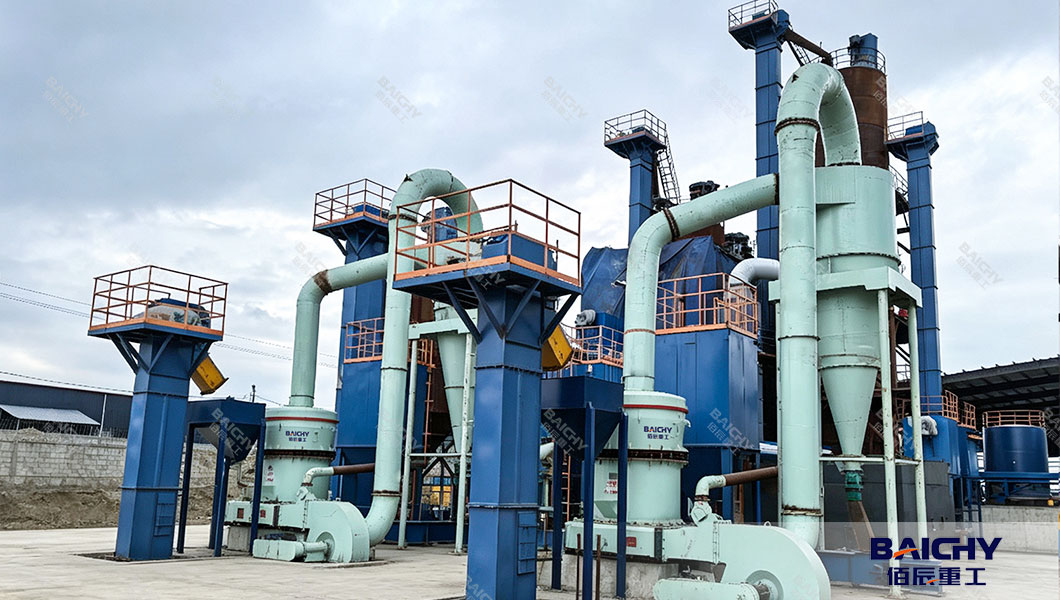
Granite crushing is a long-term project. Although the initial cost of the impact crusher is relatively low, it is not cost-effective in the long run due to wear and tear and long downtime; while the cone crusher's layer crushing design ensures a lower long-term cost. For granite crushing, "suitable" is more important than "cheap". Not sure which equipment is suitable for your quarry? Please provide raw material analysis (hardness, silica content) and production capacity requirements. Our engineers will provide a free customized granite crushing solution for you


Maybe you are interested in