A Raymond mill is widely used for producing fine powders from non-metallic minerals such as limestone, calcite, barite, dolomite, and talc. It is commonly applied in industries including construction materials, mining, chemical processing, and mineral powder production. However, different Raymond mills vary greatly in performance, service life, energy consumption, and maintenance costs. Choosing a high-quality Raymond mill requires more than checking the output capacity. Key factors such as wear-resistant components, powder fineness control, dust collection efficiency, automation level, and system matching all affect the long-term operation of the equipment.
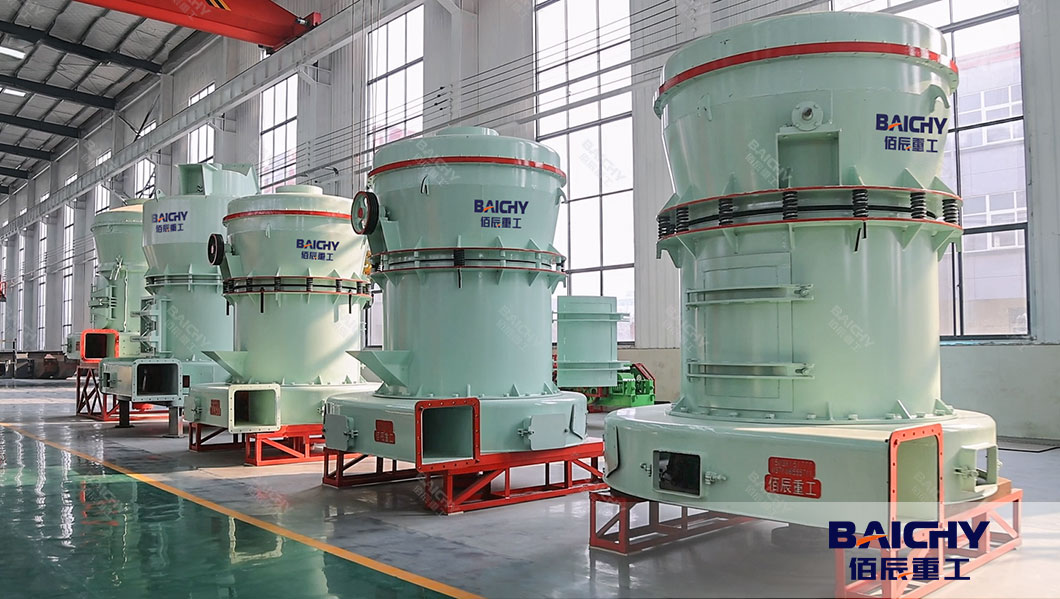
A reliable Raymond mill should provide stable grinding performance, accurate particle size control, low maintenance requirements, and efficient operation.
Quick Comparison Table
| Check Item |
What to Verify |
Acceptable Standard |
| Roller material |
High-chromium alloy |
HRC ≥ 58 |
| Fineness range |
80–1250 mesh |
VFD-controlled classifier |
| Dust emission |
Pulse-jet filter |
≤ 30 mg/Nm³ |
| Automation |
PLC + sensors |
Auto-feed, temp/vibe alarms |
| Heat control |
Discharge temperature |
≤ 120°C |
| Air system balance |
Blower & cyclone sizing |
Within ±5% of design |
| Maintenance access |
Clearance for heavy parts |
Lifting plan provided |
Raymond Mill Selection Checklist
1. High-Quality Wear-Resistant Grinding Components
The grinding roller and grinding ring are the core wear parts of a Raymond mill. Their material quality directly affects the service life and operating cost of the machine.
A quality Raymond mill usually uses high-strength wear-resistant materials, such as high chromium alloy or high manganese steel, for grinding rollers and grinding rings. These materials provide better wear resistance when processing hard minerals and reduce the frequency of replacement.
For materials with high hardness or strong abrasiveness, choosing a Raymond mill with durable grinding components can significantly improve production stability and reduce downtime.
2. Accurate Powder Fineness Control
One of the most important features of a Raymond mill is its ability to produce stable and controllable powder fineness.
A high-quality Raymond mill should be equipped with an efficient analyzer or classifier that can adjust the separation speed according to production requirements. This allows the mill to produce different powder sizes, usually from about 200 mesh to 1250 mesh depending on the model and material characteristics.
Precise classification helps maintain consistent product quality, which is especially important for industries requiring strict particle size distribution, such as mineral fillers, coatings, and chemical materials.
3. Efficient Negative Pressure Sealing and Dust Collection System
The grinding process generates fine powder, so the sealing and dust collection system is important for both production efficiency and environmental protection.
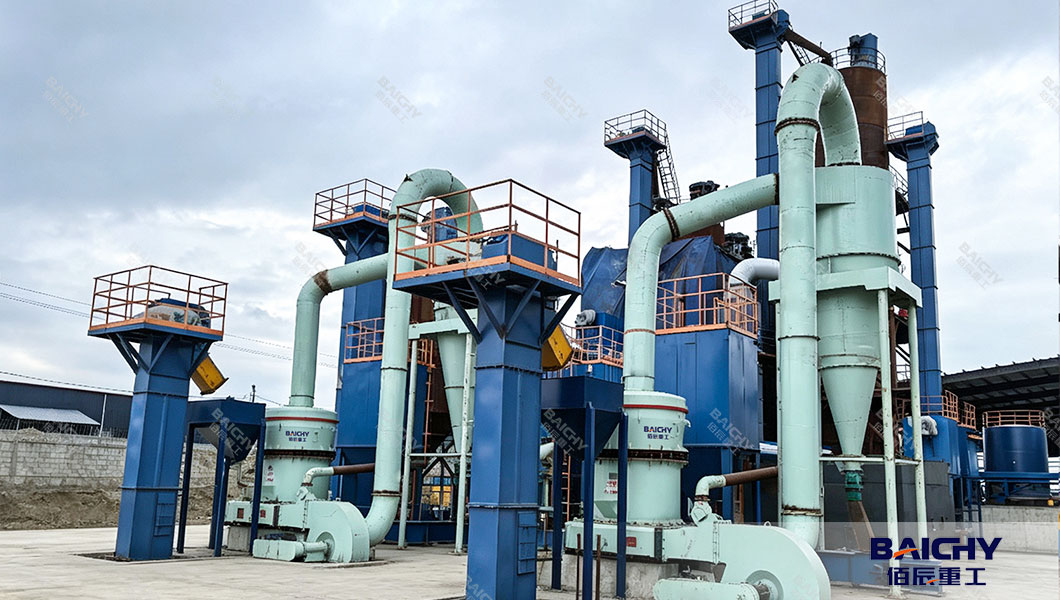
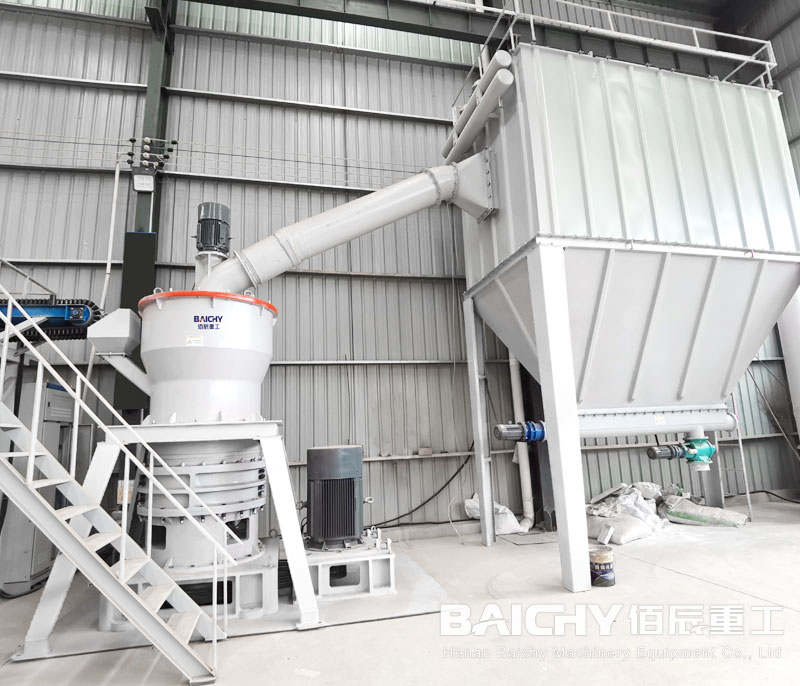
A good Raymond mill system operates under negative pressure to reduce dust leakage and improve powder collection efficiency. It is usually equipped with a cyclone separator and pulse dust collector to separate finished powder and capture fine particles.
An efficient dust collection system not only creates a cleaner working environment but also improves the recovery rate of finished products.
4. Automatic Feeding and Intelligent Operation Monitoring
Modern Raymond mills increasingly use automation systems to improve production efficiency and reduce manual operation.
A quality Raymond mill can be equipped with automatic feeding devices, which provide a stable material supply and avoid problems caused by uneven feeding.
Advanced systems may also include operation monitoring functions to check important parameters such as motor load, temperature, vibration, and production status. This helps operators detect problems early and maintain stable operation.
5. Suitable Material Processing Capability
A good Raymond mill should be selected according to the characteristics of the raw material.
Different minerals have different hardness, moisture content, and grinding requirements. Materials such as limestone, calcite, gypsum, barite, and dolomite can usually be processed by Raymond mills, but the machine configuration should match the specific application.
For example, when grinding heat-sensitive materials or materials with higher moisture content, the system design should prevent excessive temperature increase during operation.
Choosing the correct model according to material properties is essential for achieving the expected capacity and powder quality.
6. Compact Structure and Easy Maintenance Design
Machine structure is another important factor when selecting a Raymond mill.
A well-designed Raymond mill should have a compact layout, reasonable installation space, and convenient maintenance access. The main components should be easy to inspect, repair, and replace.
A compact structure can reduce installation requirements, while a maintenance-friendly design helps shorten downtime and improve overall operating efficiency.
7. Proper Matching of the Complete Grinding System
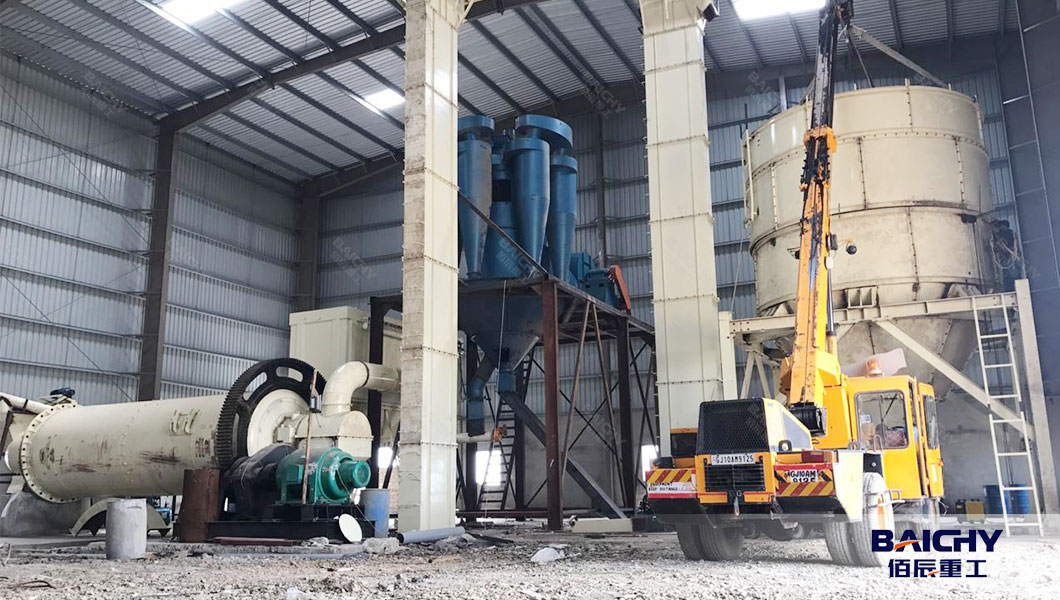
A Raymond mill is not an independent machine. Its performance depends on the complete grinding system, including the feeder, fan, cyclone separator, dust collector, and pipelines.
The capacity of auxiliary equipment should match the main grinding unit. An oversized or undersized fan, improper pipeline design, or inefficient separator can reduce production efficiency and affect final powder quality.
A professional Raymond mill manufacturer should provide a complete solution instead of only supplying the main machine.
A quality Raymond mill should not only provide high grinding capacity but also ensure stable operation, accurate powder control, low maintenance costs, and efficient environmental performance. When selecting a Raymond mill, buyers should focus on the complete system design, wear-resistant components, classification accuracy, and equipment reliability rather than only the initial purchase price.
Baichy provides customized Raymond mill solutions for processing limestone, calcite, barite, dolomite, and other mineral materials. With professional engineering support, optimized equipment configuration, and complete grinding system design, Baichy helps customers achieve efficient and stable powder production.




 2026-09-21





 86-15093113821
 86-15093113821