Project Overview: YGM95 Raymond Mill for Barite Processing
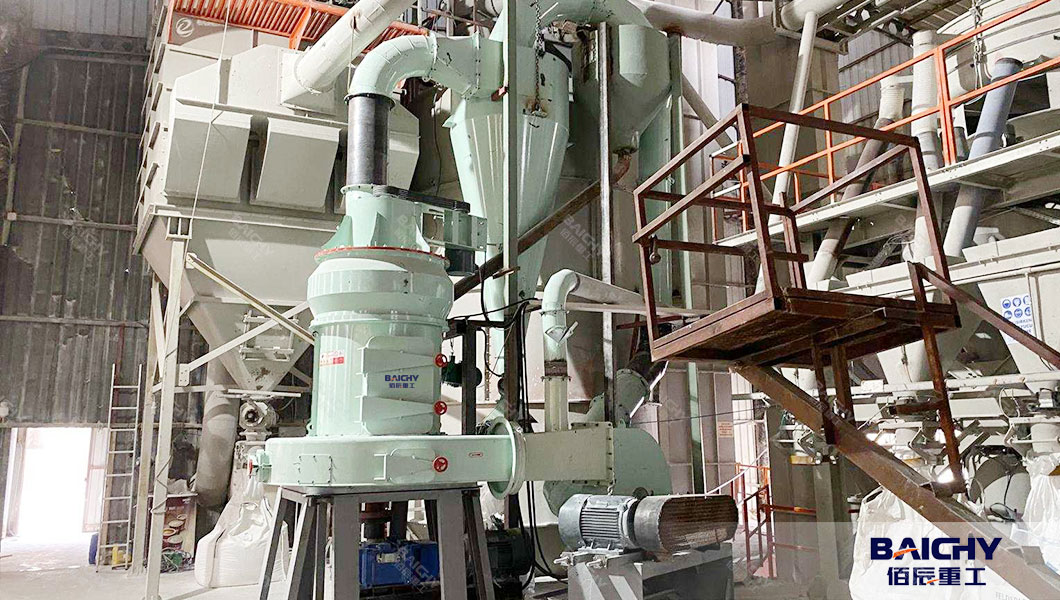
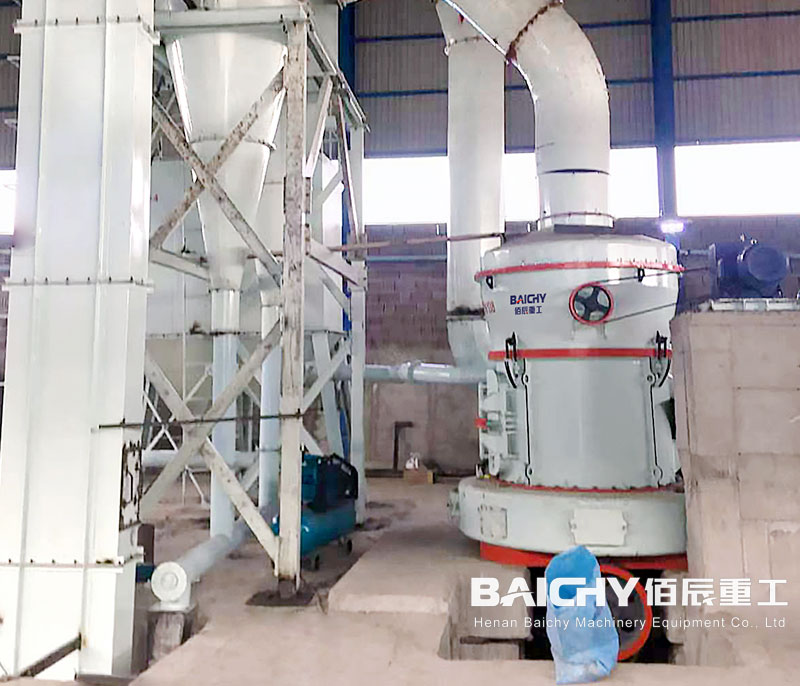
A Baichy YGM95 Raymond mill has been successfully installed and put into operation at a barite processing site in Turkey. The equipment is used to grind barite ore into fine powder for downstream industrial applications.
Barite (barium sulfate, BaSO₄) is an important industrial mineral. Its main applications include oil and gas drilling fluids, chemical production, and other industrial products. Different applications require different powder fineness levels, making grinding equipment selection an important part of barite processing.
For this Turkish project, the customer selected the Baichy YGM95 Raymond mill for barite grinding. The equipment provides a mechanical grinding solution for processing barite into fine powder, with adjustable grinding settings to meet the required product specifications.
Why Choose a YGM95 Raymond Mill for Barite Grinding?
Barite has a relatively high specific gravity and moderate hardness. During grinding, the equipment must provide stable material feeding, sufficient grinding force, and effective powder classification.
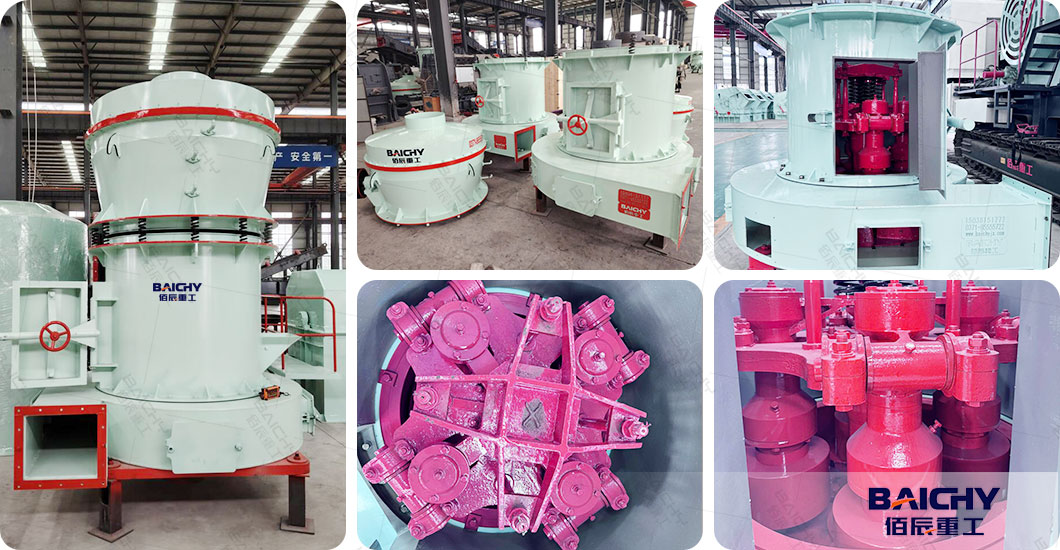
The YGM95 Raymond mill uses a roller-and-ring grinding structure. Its working process includes feeding, grinding, powder classification, and collection. The main advantages for barite processing include:
1. Roller-and-Ring Grinding System
The grinding rollers rotate around the central shaft and roll against the grinding ring. Barite particles are crushed and ground under pressure, reducing the material size to the required powder range.
2. Adjustable Powder Fineness
The classifier controls the separation of fine and coarse particles. By adjusting the classification system, operators can regulate the final powder fineness according to production requirements.
3. Integrated Grinding and Classification
The grinding and classification processes work together. Qualified fine powder is collected, while oversized particles return to the grinding chamber for further processing.
4. Suitable for Continuous Industrial Grinding
The YGM95 is designed for industrial powder production. Stable feeding, correct operating settings, and regular maintenance are important for maintaining consistent output.
How Does the YGM95 Raymond Mill Process Barite?
The barite grinding process generally follows these stages:
Step 1: Raw Material Preparation
Barite ore is crushed to a suitable feed size before entering the grinding system. Consistent feeding helps maintain stable grinding conditions.
Step 2: Grinding
The prepared barite enters the grinding chamber. Grinding rollers apply pressure against the grinding ring to reduce the particle size.
Step 3: Powder Classification
The airflow carries ground material toward the classifier. Fine particles that meet the required fineness pass through, while coarse particles return for additional grinding.
Step 4: Powder Collection
The qualified barite powder is collected through the powder collection system. The finished product can then be stored, packed, or transferred to the next processing stage.
YGM95 Raymond Mill: Key Specifications
The YGM95 is a grinding mill model in Baichy's Raymond mill series. Its selection should be based on the raw material characteristics, required powder fineness, and production capacity.
For reference, the following parameters should be confirmed when selecting this model for barite processing:
| Parameter |
Specification |
| Model |
YGM95 |
| Roller quantity |
4 pcs |
| Roller size |
310×190 mm |
| Grinding ring |
950×190 mm |
| Max feeding size |
≤25 mm |
| Output fineness |
0.613–0.033 mm (30–425 mesh) |
| Capacity |
2.1–5.6 t/h |
| Main motor power |
45 kW |
Data source: Baichy technical specifications
The 2.1–5.6 t/h capacity range makes the YGM95 suitable for small to medium-scale barite powder production. The adjustable fineness range allows operators to switch between product grades—for example, coarser grades for drilling mud and finer grades for filler applications—without changing equipment.ns.
What Makes the YGM95 Suitable for Barite
The YGM95 is an upgraded design based on the traditional R-series Raymond mill. Its key modification is a high-pressure spring system that increases grinding force by 800–1500 kgf, raising output by 10–30% compared to conventional Raymond mills at the same power level. For barite, which is moderately hard but requires thorough grinding to release its value, this additional pressure translates into more efficient size reduction.
Three operational features matter for barite processors:
Dust control. Barite powder is fine and can become airborne during processing. The YGM95 uses an integrated bag dust collection system with a closed-loop airflow design, keeping dust emissions within regulated limits and reducing material loss. This matters both for environmental compliance and for protecting operators.
Classifier precision. The adjustable-speed classifier allows operators to control the cut point. Coarse particles are returned to the grinding chamber for regrinding, while qualified powder passes to the cyclone collector. This recirculation ensures that the final product meets specification without over-grinding material that is already fine enough.
Wear part longevity. Grinding rollers and rings are cast from high-wear-resistant materials. In barite processing, where abrasive wear is a constant concern, this directly affects maintenance intervals and operating cost per ton.
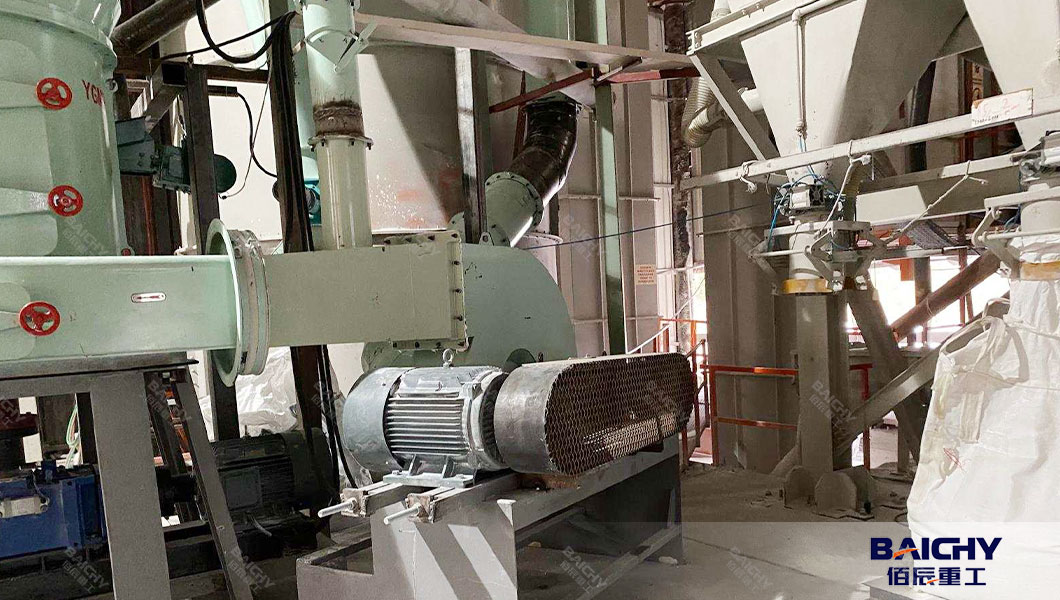
Installation and Operational Status in Turkey
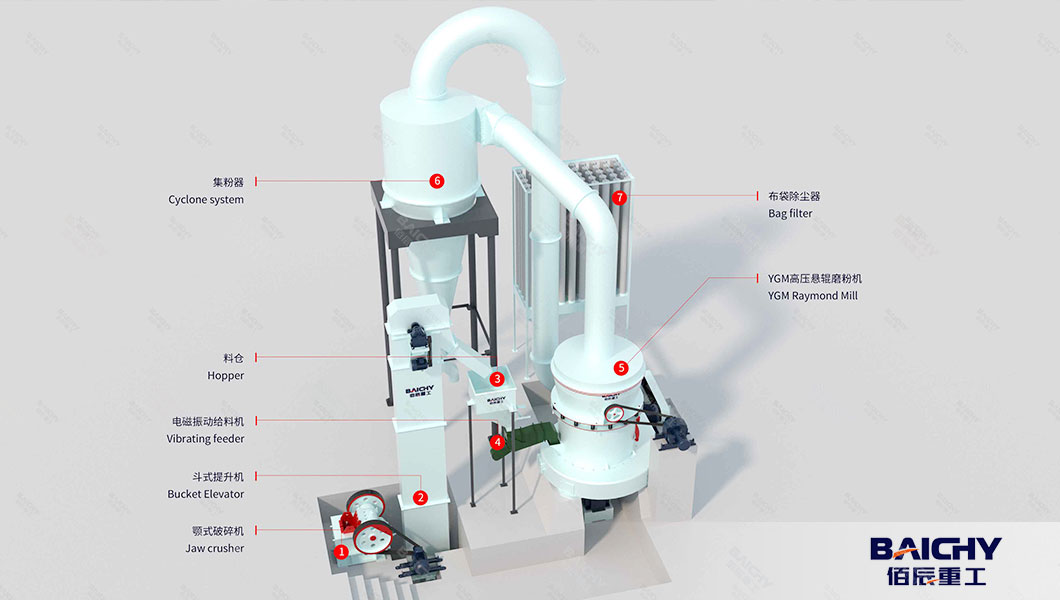
The YGM95 unit in Turkey has completed installation and commissioning and is now in production. The complete system includes the main grinding unit, jaw crusher for primary size reduction, bucket elevator, vibrating feeder, classifier, cyclone collector, and pulse dust filter. This configuration allows the plant to receive raw barite, reduce it to feed size, and produce finished powder in a continuous flow.
For Turkish operators, the practical significance of this running installation is straightforward: the equipment has moved past the specification stage and into daily production. Capacity and fineness figures can be verified against actual output, and maintenance requirements can be assessed based on real wear patterns rather than estimates.
Considerations for Barite Processors Evaluating the YGM95
If you are assessing whether the YGM95 fits your barite operation, three factors should guide the decision:
Target fineness and capacity. The YGM95 sits in the middle of Baichy’s YGM range. If your required mesh size is in the 200–325 range and your output target is under 5 t/h, this model is appropriately sized. Higher capacities would require larger models such as the YGM130 or YGM160; finer products may benefit from different mill types.
Feed material characteristics. The YGM95 handles feed sizes up to 25 mm. If your raw barite requires more aggressive primary crushing, the included jaw crusher configuration can be adjusted accordingly. Moisture content above 6% may require pre-drying or process adjustments.
Local support and spare parts. Turkey’s mining equipment market benefits from established supply chains. Baichy’s export experience in the region includes installation support and spare parts availability, which reduces the risk of extended downtime for wear part replacement.
Frequently Asked Questions
1. Can a YGM95 Raymond mill grind barite?
Yes. The YGM95 Raymond mill can be used for barite grinding. Its roller-and-ring structure reduces barite particles into fine powder, while the classifier controls the finished product fineness.
2. What fineness can a Raymond mill produce for barite?
The achievable fineness depends on the mill configuration, classifier settings, and raw material characteristics. Buyers should confirm their required mesh size with the equipment supplier before ordering.
3. Does barite need to be crushed before entering a Raymond mill?
Yes, when the raw barite ore exceeds the mill's allowable feed size. A jaw crusher or other suitable crushing equipment can be used for preliminary size reduction.
4. How do I select the right Raymond mill for barite processing?
Provide the raw material feed size, required finished powder fineness, hourly capacity, and material moisture. The supplier can then evaluate the suitable model and complete grinding system.




 2026-10-30







 86-15093113821
 86-15093113821