What Is a PCX Fine Crusher for Dolomite?
A PCX fine crusher for dolomite is a crushing machine designed to reduce pre-crushed dolomite into smaller, more uniform particles for aggregate production, manufactured sand, and industrial mineral processing.
Dolomite is a calcium magnesium carbonate mineral commonly used in construction materials, cement production, glass manufacturing, and other industrial applications. Depending on the deposit and product requirements, dolomite processing may involve primary crushing, secondary crushing, fine crushing, and screening.
The PCX high-efficiency fine crusher uses high-speed rotating hammers to impact material inside the crushing chamber. It is suitable for fine-crushing applications involving medium-hard and relatively brittle materials. Baichy lists a reference feed size of up to 190 mm and a processing capacity of 20–270 t/h for its PCX fine crusher series. Actual performance depends on the material, feed gradation, desired output size, and operating conditions.

How Does a PCX Dolomite Crusher Work?
The PCX fine crusher uses impact-based crushing. Its main working components include a rotor, hammer heads, crushing chamber, impact surfaces, and discharge-control components.
The process follows three main steps.
1. Feeding and impact crushing
A vibrating feeder or conveyor delivers pre-crushed dolomite into the crushing chamber. The rotating hammers strike the material and break it into smaller pieces.
2. Repeated crushing and size reduction
Dolomite particles undergo repeated impacts and collisions inside the chamber. This reduces particle size and helps produce a more consistent product. The result depends on the rock's properties and the machine's operating settings.
3. Discharge and screening
Crushed material leaves the machine and enters a vibrating screen. The screen separates the finished fractions from oversized particles. If the product does not meet the required specification, the oversized material can be returned for further crushing.
For plants that require several aggregate sizes, screening and recirculation are important. They help control the final gradation and reduce the risk of sending oversized material to the next production stage.

Why Choose a PCX Fine Crusher for Dolomite?
1. Suitable for Fine-Crushing Applications
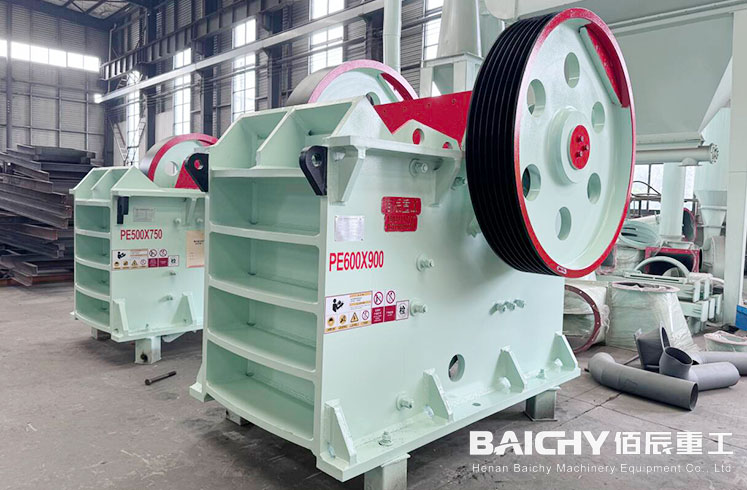
When a jaw crusher has reduced large dolomite rocks to a manageable size, a PCX fine crusher can perform further size reduction. This arrangement is useful when a plant needs smaller aggregates or fine material without installing a separate fine-crushing stage for every product requirement.
Whether the PCX can replace an existing crusher depends on the feed size, required reduction ratio, and product specification.
2. Adjustable Product Size
Dolomite plants may produce fine aggregates, manufactured sand, or material for downstream grinding. These applications do not necessarily require the same particle size.
The PCX crushing setup can be adjusted according to the machine design and target product. A vibrating screen should be selected to match the required grading, especially when the plant needs to limit the amount of fine powder.
Always confirm the achievable size distribution through technical evaluation or material testing rather than relying on a single nominal discharge-size figure.
3. Wear-Resistant Hammer Design
Dolomite can cause wear on hammer heads, liners, and other components during continuous crushing. Wear rates depend on material abrasiveness, operating conditions, and the quality of the wear parts.
Regular inspection of the hammer heads and crushing chamber helps operators identify uneven wear before it affects output or product quality. Replacing worn components at the appropriate time also helps maintain stable operation.
4. Flexible Production Line Integration
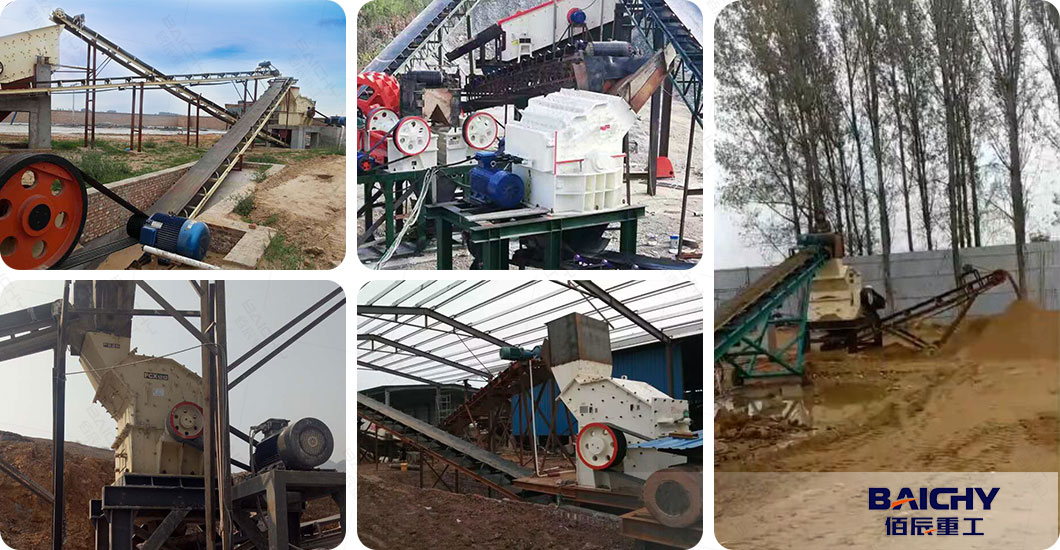
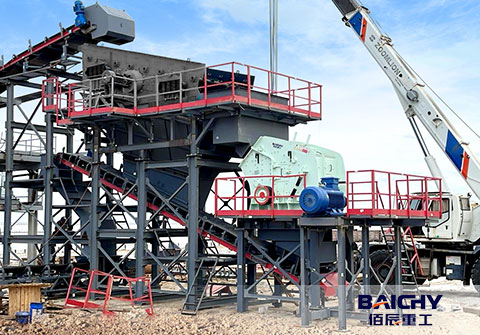
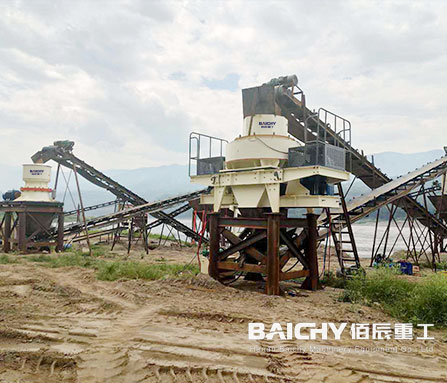
A PCX fine crusher can be incorporated into an existing dolomite crushing line or a newly designed plant. Depending on the feed and output requirements, a typical arrangement may include:
-
Vibrating feeder for controlled feeding.
-
Jaw crusher for primary crushing.
-
PCX fine crusher for further size reduction.
-
Vibrating screen for product classification.
-
Belt conveyors for material transfer and recirculation.
For a small operation, the layout may be relatively simple. Larger plants may require multiple screens, additional conveyors, dust-control equipment, and a return circuit for oversized material.
The final configuration should be based on the required finished-product tonnage, not just the crusher's rated capacity.
Typical Applications of PCX Dolomite Crushing Equipment
A PCX dolomite crusher can support several production processes, provided the material characteristics fall within the machine's operating range.
Construction aggregates: Crushed dolomite can be screened into specified aggregate fractions for suitable construction applications.
Manufactured sand: Fine crushing can reduce dolomite into smaller particles for sand production. The final product must meet the applicable grading, particle-shape, and quality requirements.
Cement and building materials: Dolomite may be used as a raw material or mineral additive, depending on the formulation and manufacturing process.
Industrial mineral processing: Fine crushing can prepare dolomite for subsequent grinding, classification, or other processing steps.
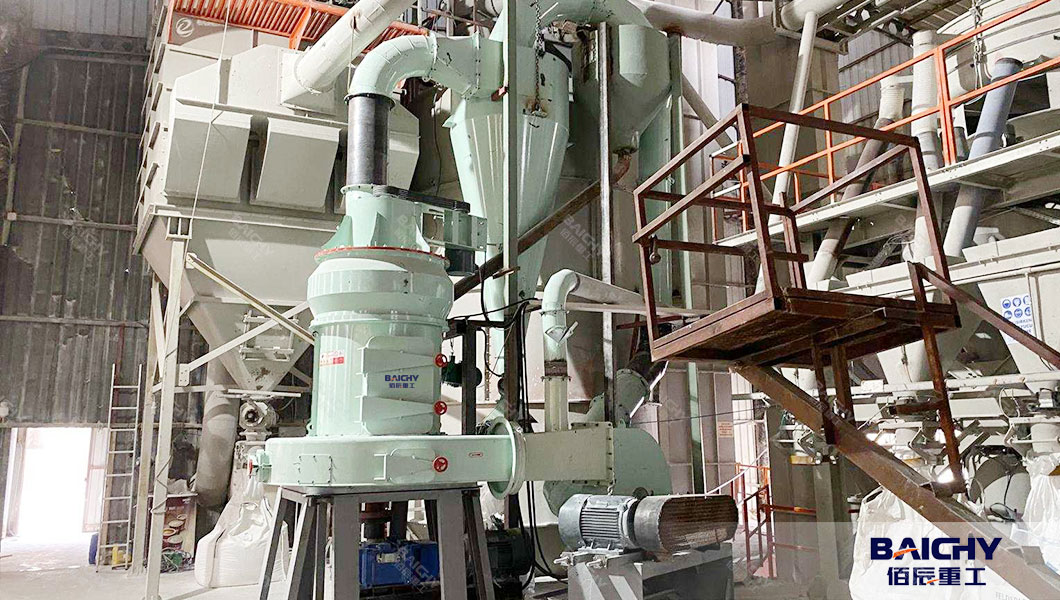
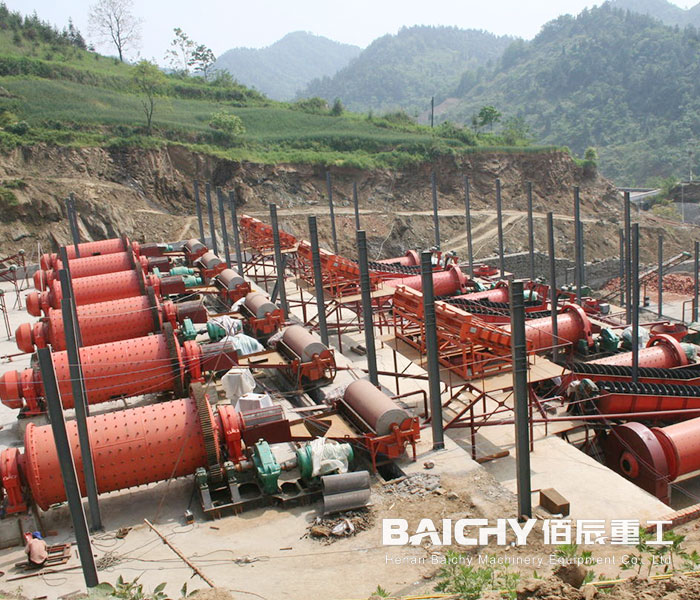
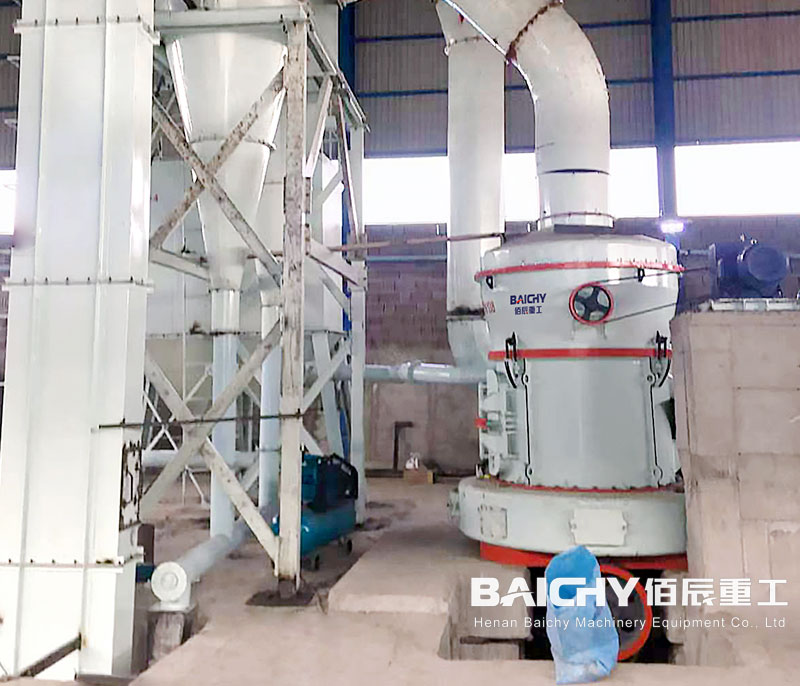
If the final product must be a fine powder rather than crushed aggregate, a grinding mill may be needed after crushing. A fine crusher and a grinding mill perform different jobs: crushing reduces rock into smaller particles, while grinding produces finer material for applications that require powder.
How to Select the Right PCX Fine Crusher for Dolomite
Choosing a dolomite crusher based only on its advertised capacity can lead to poor performance. Evaluate the complete operating requirements before selecting a model.
Feed size: Confirm the maximum lump size entering the PCX. If the raw dolomite is too large, use a primary crusher to reduce it first.
Required output size: Specify the target particle size and the acceptable proportion of fines. A 0–5 mm product requires a different setup from a graded aggregate product.
Required capacity: Define the actual finished-product demand in tonnes per hour. Allow for screening losses, recirculation, maintenance downtime, and changes in feed conditions.
Material properties: Dolomite hardness, abrasiveness, moisture content, and particle-size distribution affect crushing performance and wear-part consumption.
Power and installation: Check motor power, available electrical supply, foundation requirements, conveyor arrangement, and access for maintenance.
Downstream equipment: Make sure the crusher works with the vibrating screen, conveyors, storage bins, and any subsequent grinding or processing equipment.
For an accurate recommendation, provide the raw dolomite's maximum feed size, target output size, required capacity, and moisture conditions. These details help determine whether a PCX fine crusher is suitable or whether another crushing arrangement would be more economical.
The right dolomite crushing setup depends on more than the crusher model. Feed conditions, product specifications, screening efficiency, and wear-part costs all influence the plant's operating performance. Contact Baichy Machinery to discuss your dolomite crushing requirements. Share your feed size, target output, and hourly capacity, and the engineering team can help evaluate a suitable PCX fine crusher model and production-line configuration.
Frequently Asked Questions
1. What is the capacity of a PCX fine crusher?
Baichy's published PCX series reference range is 20–270 t/h, with a maximum listed feed size of 190 mm. These figures cover the product series rather than guaranteeing a specific output for every dolomite application. Contact the manufacturer to confirm the appropriate model and expected throughput.
2. Can a PCX dolomite crusher produce manufactured sand?
It can be used as part of a dolomite sand-production line. The final grading depends on the crushing setup, screening system, feed characteristics, and operating conditions. Material testing may be necessary to verify the finished sand quality.
3. Is a PCX fine crusher suitable for wet dolomite?
Moisture can affect material flow, build-up, and discharge. Baichy lists a surface-moisture limit of up to 15% for the PCX fine crusher, but actual suitability depends on the material and operating conditions. Confirm the feed moisture and any tendency to stick before selecting the equipment.
4. What information is needed for a dolomite crusher quotation?
Provide the required capacity, maximum feed size, target output size, raw material properties, and installation location. If possible, include the desired finished-product grading and whether the project is a new plant or an upgrade to an existing line.




 2026-10-30







 86-15093113821
 86-15093113821