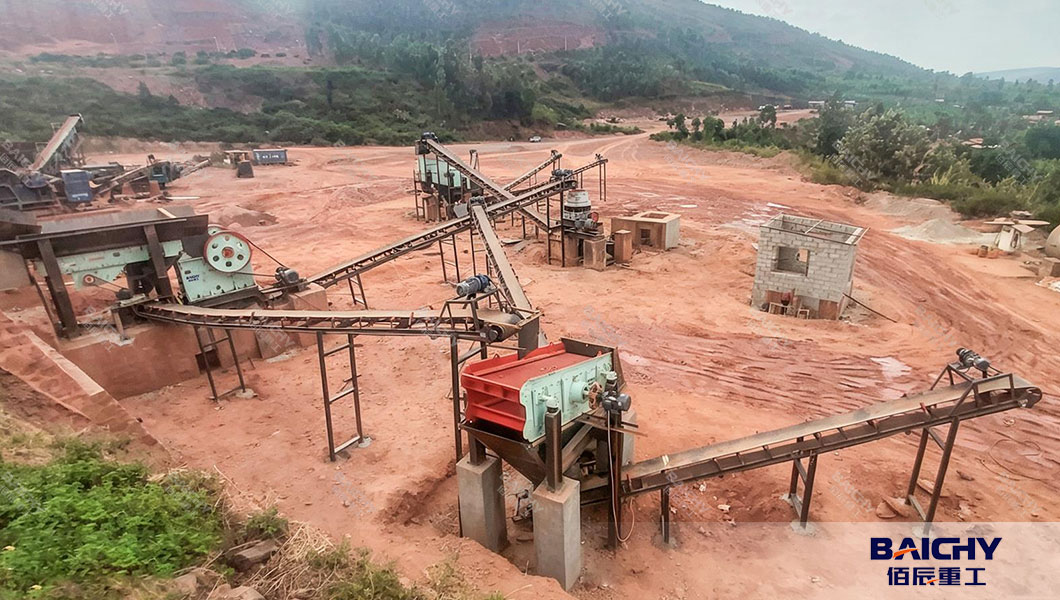
Recently Baichy Machinery successfully shipped a complete Cu-Pb-Zn-Au ore dressing plant to a mining site in Uganda. This project highlights our capability to provide customized solutions for complex sulfide ores (Diabase) containing copper, lead, zinc, and gold.
Project Profile: Uganda 200TPD Multi-Metal Plant
Location: Uganda
Raw Material: Diabase (Complex sulfides containing Cu, Pb, Zn, and associated Gold)
Plant Capacity: 200 Tons Per Day (TPD)
Key Technologies: Multi-stage Crushing, Fine Grinding (200 Mesh), Differential Flotation, Gravity Separation.
Objective: Maximize recovery of all four valuable metals while recycling process water.
1. Technical Configuration of the Ore Dressing Plant
The dressing of Cu, Pb, Zn ores is a complex process that aims to separate and concentrate these valuable metals from the mined ore. It requires specialized equipment and processes to effectively extract and concentrate these valuable minerals. Below are the core equipment specifications designed for the Uganda project:
| Equipment Name |
Function in this Project |
Key Specification |
| Primary Jaw Crusher |
Crushing raw diabase rocks |
Feed size < 500mm; Output < 100mm |
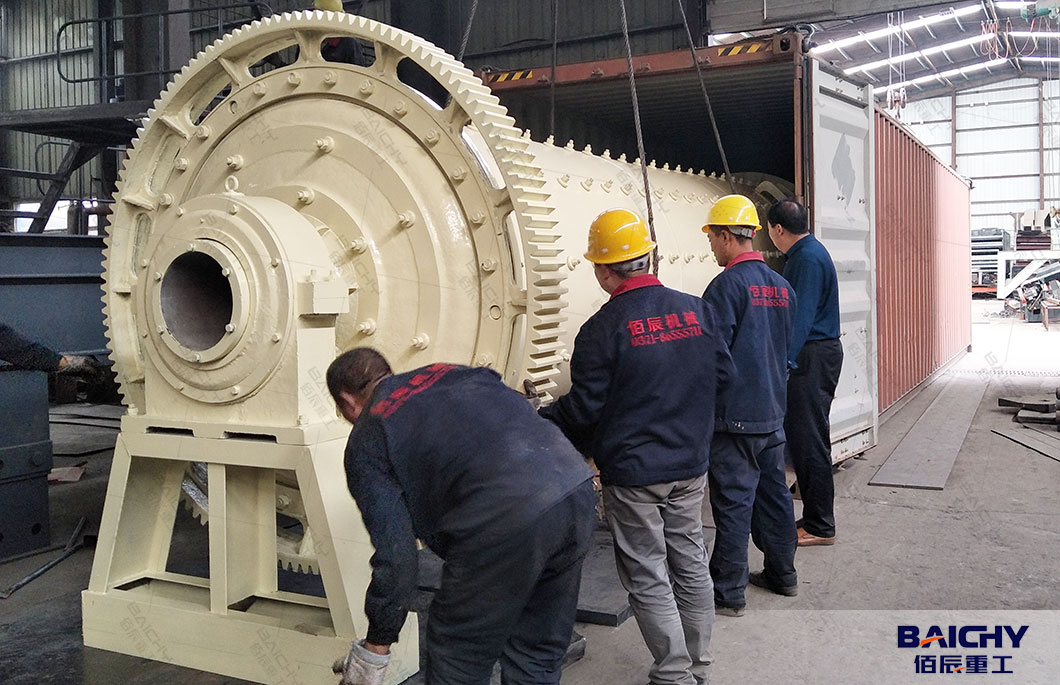
| Overflow Ball Mill |
Fine grinding to powder |
Fineness: 200 mesh (85% passing) |
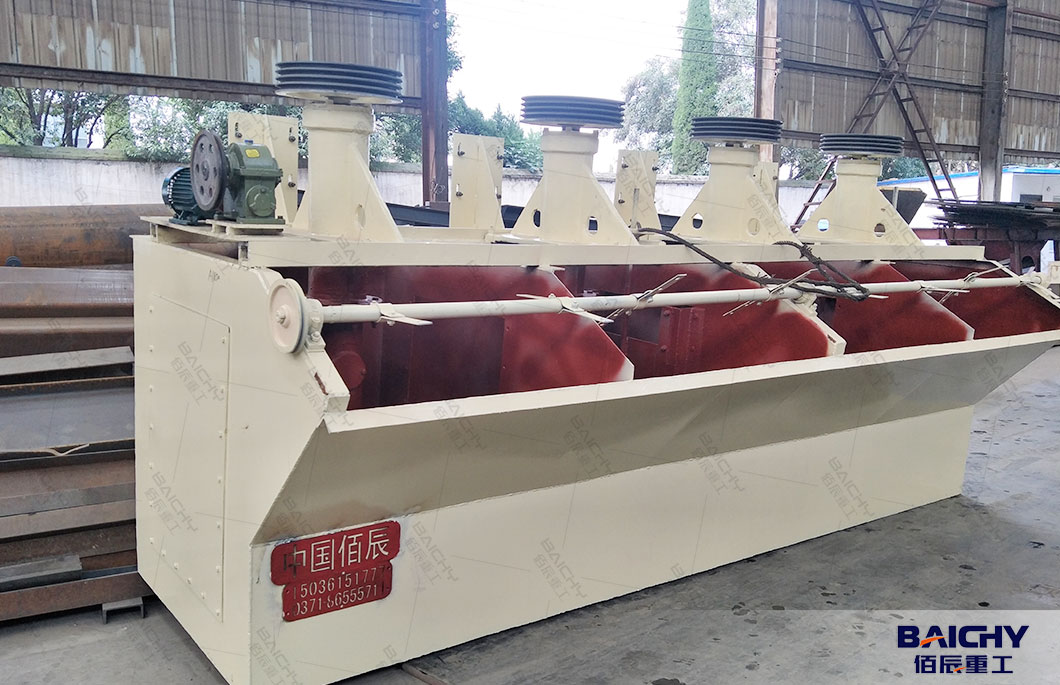
| Flotation Machines |
Differential flotation of Cu, Pb, Zn |
High recovery rate for complex sulfides |
| Gravity Separator |
Recovering associated Gold particles |
High-density mineral concentration |
| High-Efficiency Thickener |
Dewatering and water recycling |
Output solid content: 60-70% |
2. Step-by-Step Multi-Metal Processing Flow
The dressing of Cu, Pb, and Zn ores is a sophisticated process. Baichy engineers designed a 4-stage workflow to ensure high recovery rates:
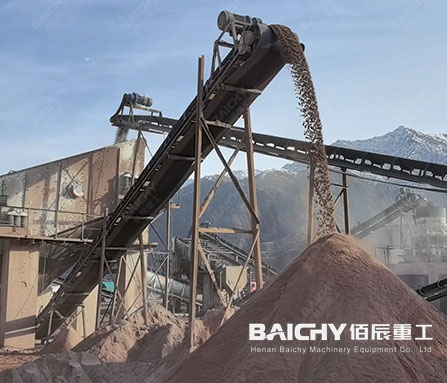
Stage 1: Primary Crushing and Sizing
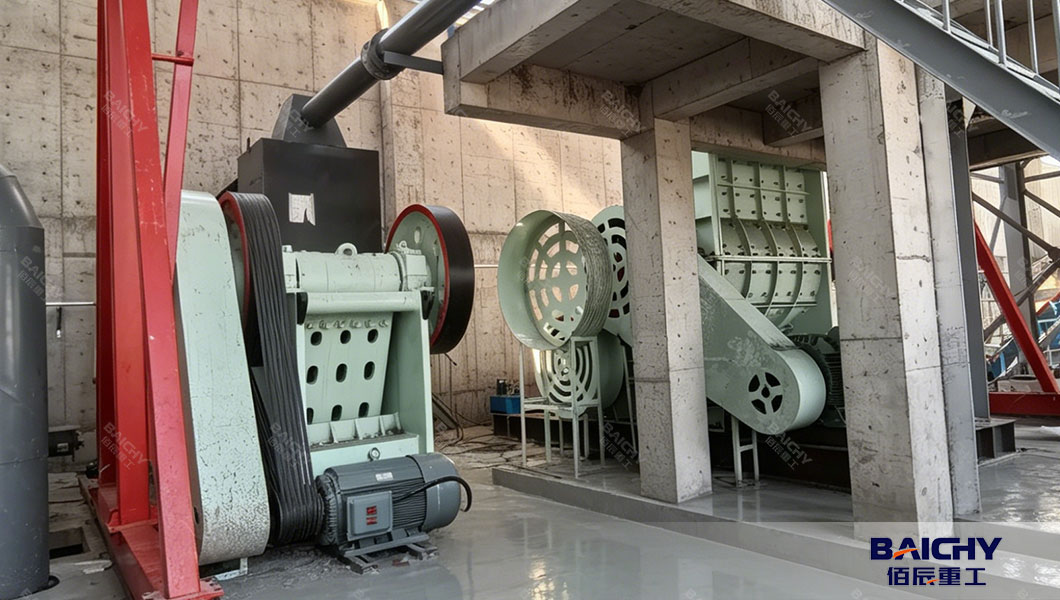
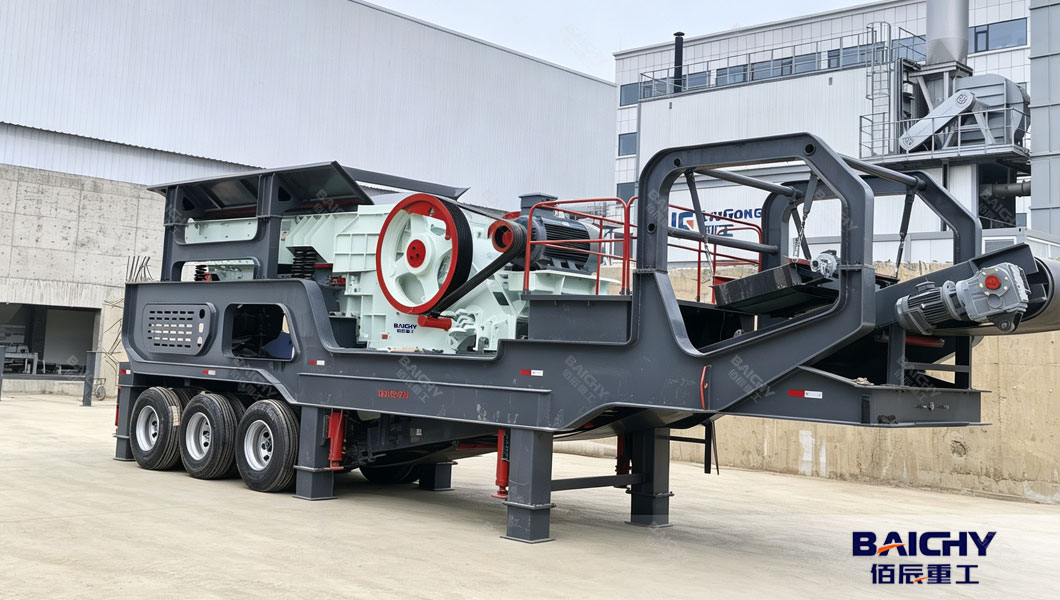
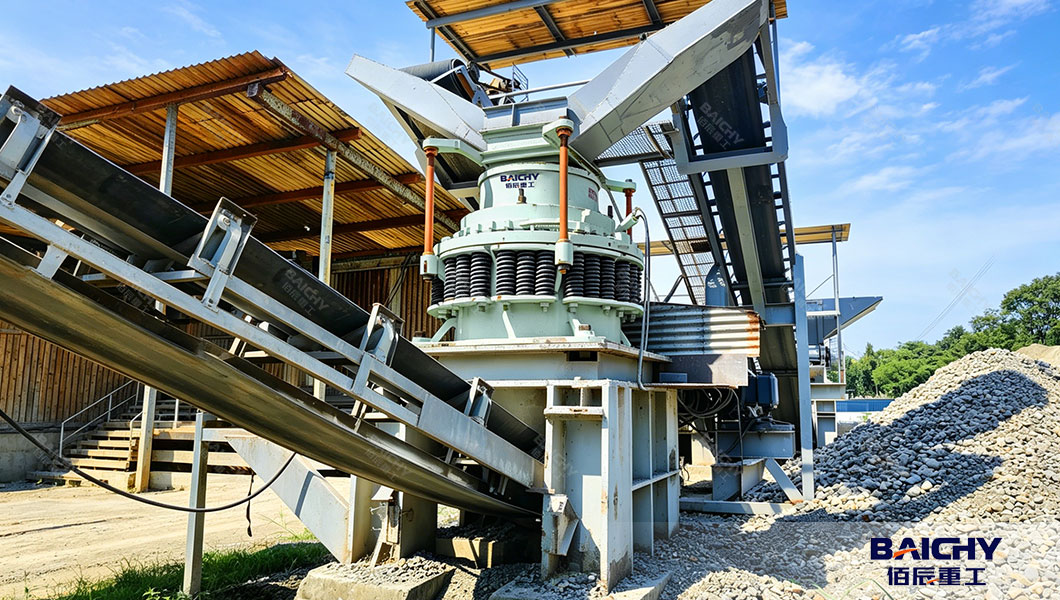
The extraction process begins with the reduction of raw diabase ore, which often contains large, high-hardness boulders. A heavy-duty Jaw Crusher is employed as the primary equipment to reduce the ore size from a maximum of 500mm to below 100mm. This is frequently followed by a secondary crushing stage to bring the material down to less than 25mm. This precise size reduction is critical because it ensures a consistent and manageable feed for the grinding circuit, preventing mechanical stress on the ball mill and optimizing the overall energy efficiency of the production line. By controlling the feed size at this stage, the plant maintains a stable throughput of 200 tons per day.
Stage 2: Fine Grinding and Mineral Liberation
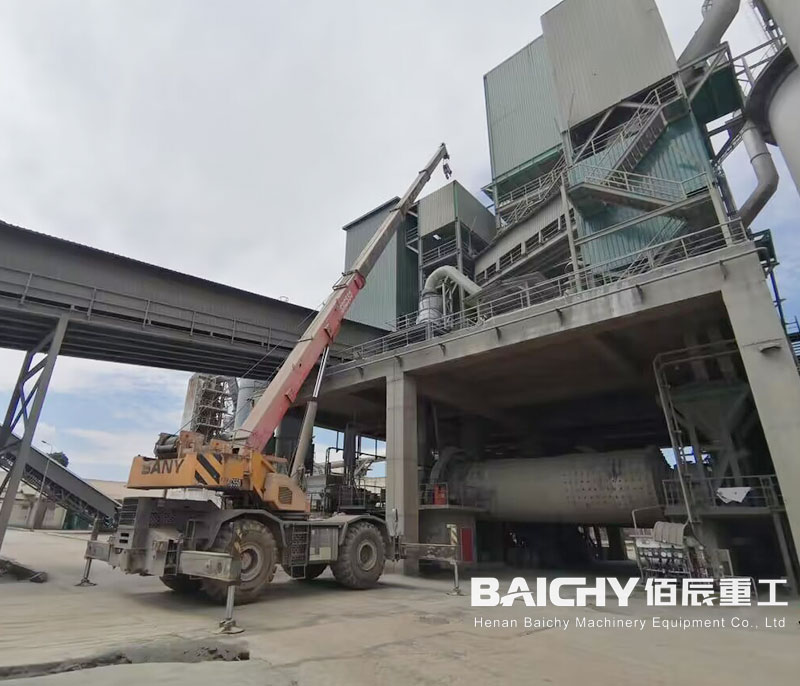
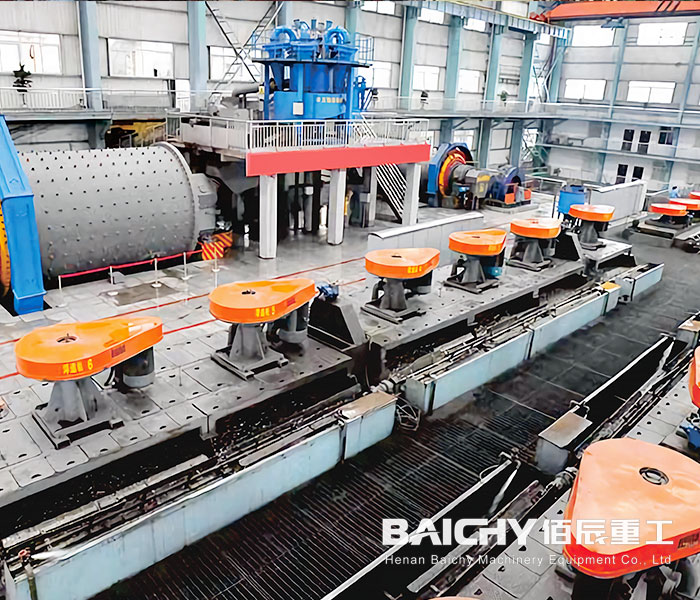
After crushing, the ore enters the Ball Mill, a critical grinding device where the material is pulverized into a fine slurry. For complex Cu-Pb-Zn ores, the goal is "mineral liberation"—the physical detachment of valuable mineral particles from the surrounding gangue. The ball mill rotates a cylindrical shell filled with steel grinding balls, reducing the ore to a specific fineness of 200 mesh (approx. 74 microns). Achieving this exact particle size is vital; if the particles are too coarse, the minerals remain locked in the waste rock, but if they are over-ground, they become "slimes" that are difficult to recover. Proper grinding ensures that 85% of the particles pass through the required mesh, preparing the slurry for effective chemical reaction in the flotation cells.
Stage 3: Differential Flotation and Gravity Separation
The separation stage utilizes the chemical and physical differences between copper, lead, zinc, and gold. We employ a Differential Flotation process within specialized Flotation Cell Machines. By adding specific collectors, frothers, and pH modifiers, we selectively alter the hydrophobicity of each mineral. Typically, the copper minerals are activated and floated first, followed by the lead and then the zinc minerals in sequential stages. Furthermore, because the Uganda ore contains associated gold, a Gravity Shaking Table is integrated into the circuit. This equipment exploits the high specific gravity of gold, allowing heavy gold particles to be separated from the lighter sulfide minerals and tailings through a mechanical shaking motion and water flow, ensuring that no high-value precious metals are lost.
Stage 4: Thickening and Environmental Protection
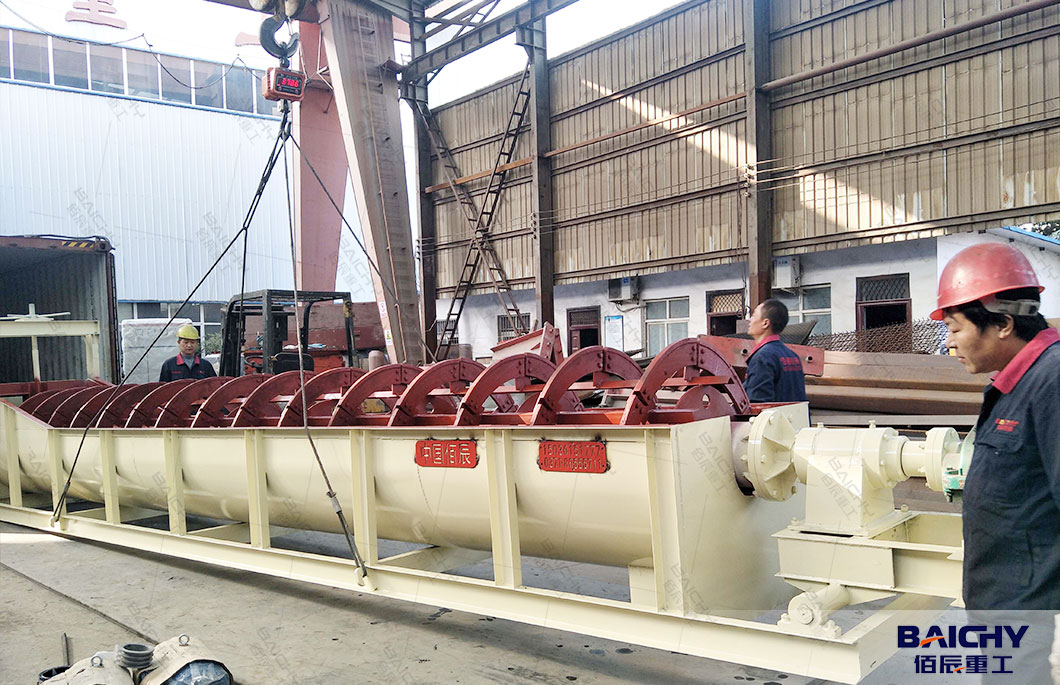
The final stage focuses on dewatering the various mineral concentrates and managing the plant's water resources. The diluted slurry from the flotation cells enters a High-Efficiency Thickener, a large circular tank equipped with a slow-rotating rake system. Through the process of gravity sedimentation, the solid mineral particles settle to the bottom, increasing the solid concentration to between 60% and 70%. The clear water at the top is overflowed and recycled back into the grinding and flotation circuits. In the Uganda project, this closed-loop water system is a significant advantage, as it minimizes external water consumption and ensures the plant meets environmental standards for zero-discharge of industrial wastewater.
3. Why Choose Baichy for African Mining Projects?
Baichy Machinery’s success in the Uganda project was driven by our "Turnkey Service" approach. Despite the high-temperature conditions during production and shipping, we ensured that every component—from the heavy-duty crushers to the delicate flotation reagents—was delivered on time and met international standards. Our engineers provide on-site technical support to ensure the equipment operates at peak efficiency under local geological conditions.
People Also Frequently Asked For - FAQ
1. How do you separate copper, lead, and zinc from the same ore?
The most effective method is Differential Flotation. By using specific chemical reagents (modifiers and depressants), we can inhibit certain minerals while floating others. Typically, copper is floated first, followed by lead and then zinc.
2. What is the role of a ball mill in copper ore dressing?
A Ball Mill is used to grind crushed copper ore into a fine powder (usually 74-150 microns). This process, known as "liberation," is necessary to separate the tiny mineral particles from the surrounding waste rock so they can respond to the flotation chemicals.
3. Can gold be recovered in a copper-lead-zinc plant?
Yes. In multi-metal plants, gold is often recovered as a byproduct using Gravity Separation (such as shaking tables or centrifugal concentrators) to capture heavy gold particles that the flotation process might miss.
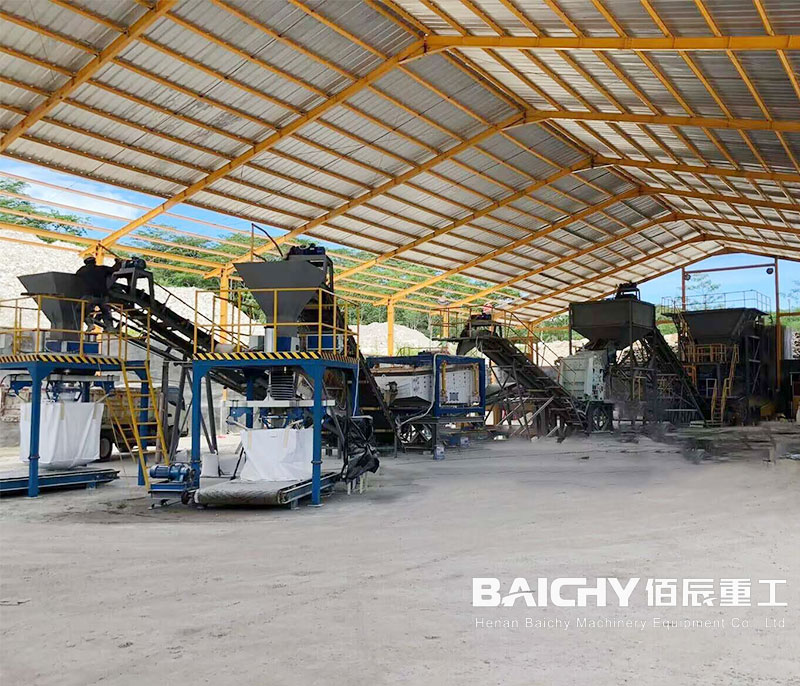
Uganda local mining owner, raw material-diabase, including copper, lead, zinc, gold, abundant mining resource, huge economic benefits, directly sign contract between two parties as sight of Baichy finished products workshop, processing workshop.At the condition of hot temperature in China, Baichy all staffs focus on producing and shipping whole plant at first time to clients' mining site smoothly.




 2026-09-09





 86-15093113821
 86-15093113821