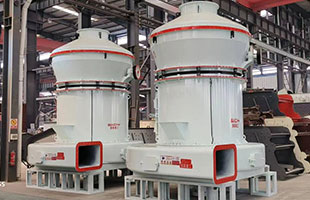
The Raymond mill 5R4119 is a high-efficiency, closed-circuit ultra-fine powder grinding mill widely used for processing non-metallic minerals. With five grinding rollers (5R) and a ring diameter of 1270mm (4119 model designation), this mill is designed for medium-to-large scale powder production in industries such as building materials, mining, metallurgy, and chemicals.
The 5R4119 Raymond mill excels at grinding materials with Mohs hardness below 7 and humidity under 6%, including gypsum, limestone, calcite, barite, dolomite, marble, talc, kaolin, and more than 280 other materials. The finished product fineness can be flexibly adjusted between 80 mesh (0.18mm) and 400 mesh (0.038mm), making it suitable for diverse powder applications from construction to industrial fillers.
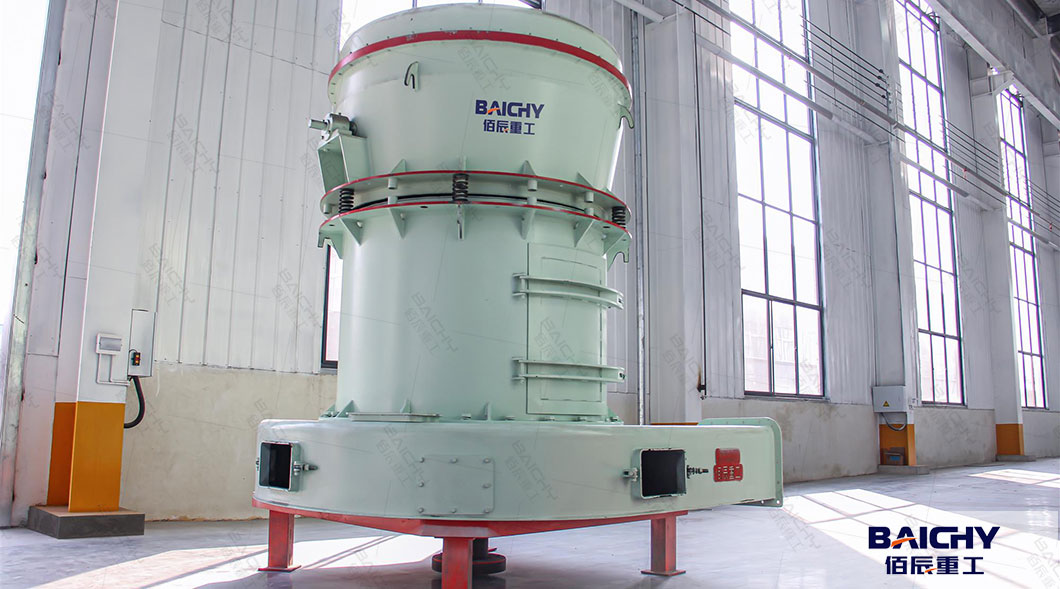
Raymond Mill 5R4119 : Complete Technical Specifications
The following technical parameters are compiled from multiple manufacturer sources for the 5R4119 model
| Parameter |
Specification |
| Model |
5R4119 |
| Number of Rollers |
5 |
| Roller Diameter × Height |
410mm × 190mm |
| Ring Inner Diameter |
1270mm |
| Maximum Feed Size |
≤ 25-30 mm |
| Product Fineness Range |
0.613 mm – 0.044 mm (80-400 mesh) |
| Capacity |
2.5 – 9.5 t/h (varies by material) |
| Main Motor Power |
75 kW |
| Blower Motor Power |
75 kW |
| Analyzer Motor Power |
7.5 kW |
| Overall Dimensions (L×W×H) |
9200 × 7250 × 9700 mm |
| Weight |
~24,000 kg |
Note: Capacity varies based on material hardness, feed size, and final fineness requirements.
Key Features and Advantages of 5R4119 Raymond Mill
The 5R4119 Raymond mill offers several distinct advantages that make it a preferred choice for powder processing applications:
1. High-Efficiency Closed-Circuit System
The Raymond mill operates as a closed-circuit system with an integrated classifier. After grinding, the air classifier (analyzer) separates fine powder from coarse particles. Material that does not meet fineness requirements is automatically returned to the grinding chamber for re-grinding, ensuring consistent product quality and high screening pass rates up to 99%.
2. Adjustable Product Fineness
The analyzer speed and airflow can be adjusted to produce powders ranging from 80 mesh (0.18mm) to 400 mesh (0.038mm). This flexibility allows the 5R4119 to serve multiple industries—from coarse powder for construction materials to ultra-fine powder for high-value industrial applications.
3. Reliable and Durable Construction
Critical components such as grinding rollers, rings, and bearings are manufactured from high-quality castings and extrusions to ensure long service life even under continuous operation. The transmission system features a closed gearbox and belt wheel for smooth, reliable power delivery.
4. Compact and Integrated Design
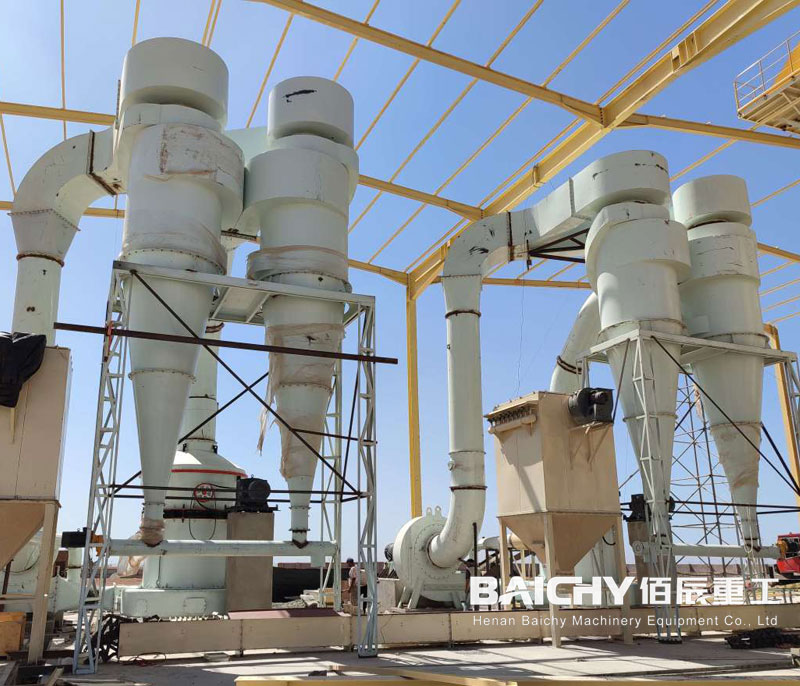
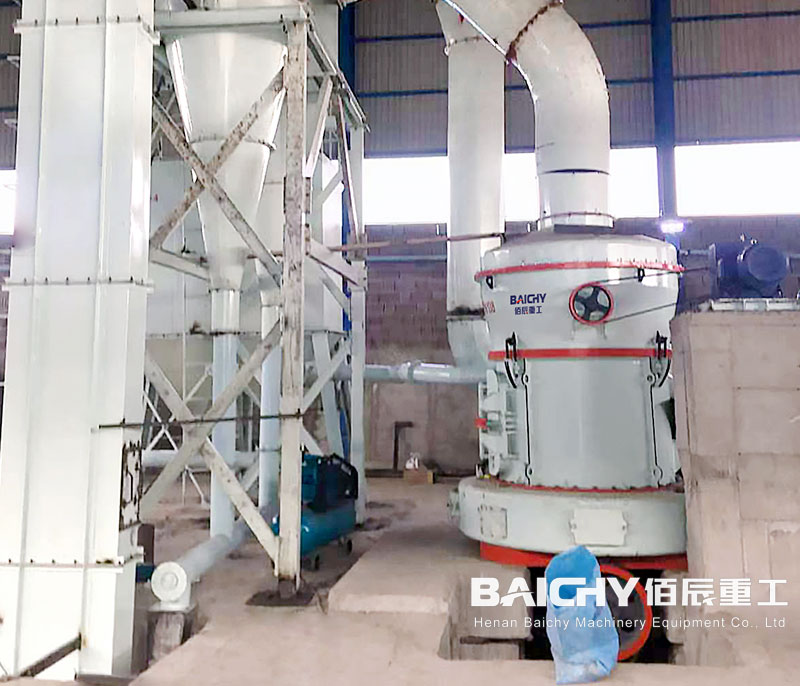
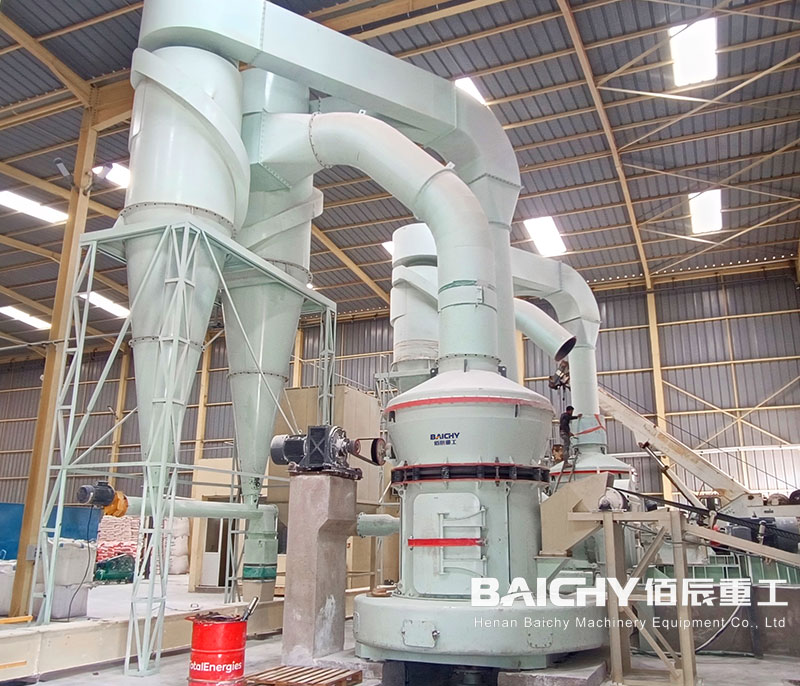
The 5R4119 Raymond mill integrates grinding, classifying, and conveying functions into a single system, occupying minimal floor space. The centralized electrical control system allows for automated, unattended operation.
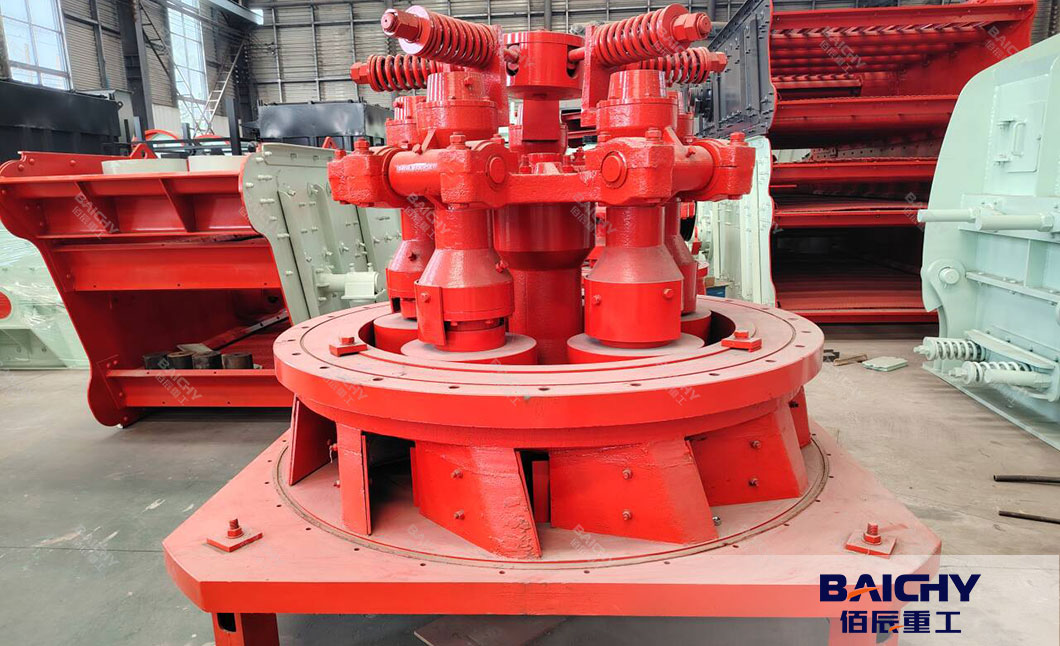
Working Principle of Raymond Mill 5R4119
The 5R4119 Raymond mill operates on a well-established pendulum grinding principle:
1. Material Feeding
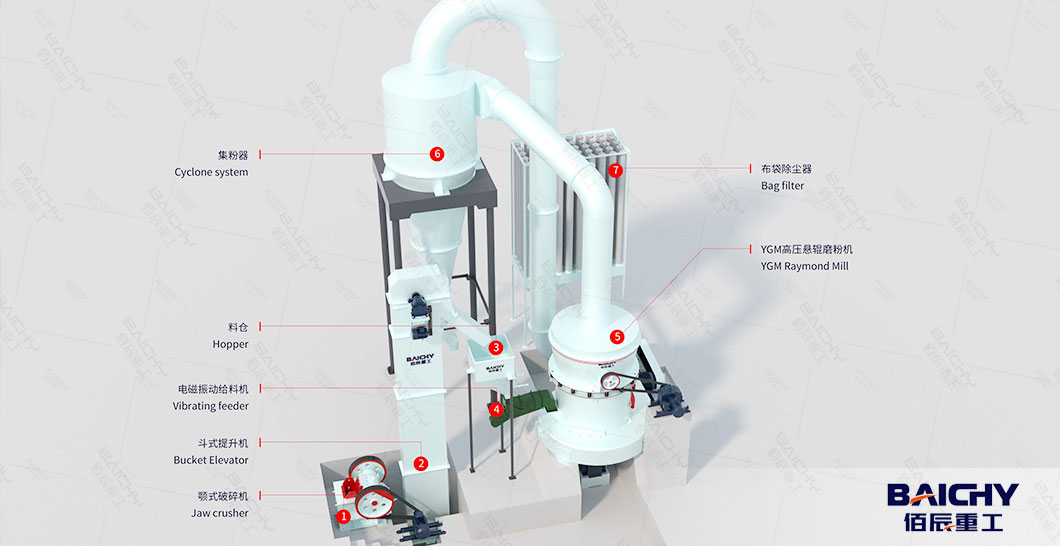
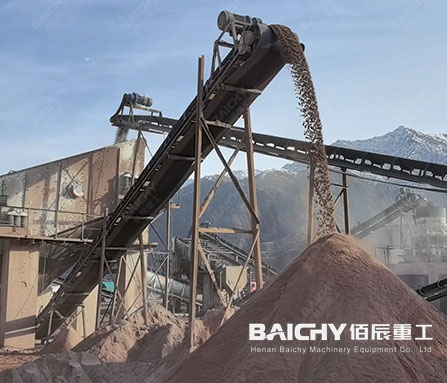
Material is crushed to the required size (≤25-30mm) by a jaw crusher, then conveyed via bucket elevator to a storage hopper. A vibrating feeder delivers material evenly into the grinding chamber.
2. Grinding Process
In the main unit, the five grinding rollers hang on the main shaft. As the shaft rotates, centrifugal force swings the rollers outward, pressing them firmly against the fixed grinding ring. Material is scooped up by the shovel and fed into the gap between the rollers and the ring, where it is crushed and ground by rolling and extrusion pressure.
3. Classification
After grinding, fine powder is carried by the blower's air current to the analyzer (classifier). The analyzer contains an impeller assembly; by adjusting its speed and airflow, particles of the required fineness pass through while coarser particles fall back for re-grinding.
4. Collection and Circulation
Qualified fine powder enters the cyclone collector for separation and collection as finished product. The purified air is returned to the blower for circulation, creating an efficient closed-loop system that minimizes dust emissions. Excess air is discharged through a pulse dust collector for environmental compliance.
Applications: What Can the 5R4119 Raymond Mill Process?
The 5R4119 Raymond mill is versatile enough to process over 280 non-flammable, non-explosive minerals with Mohs hardness below 7 and moisture under 6%:
● Gypsum powder production for wallboard, cement additives, and agricultural soil amendment
● Limestone powder for desulfurization in power plants and construction fillers
● Barite powder for oil and gas drilling muds
● Talc and kaolin for paper, paint, plastics, and cosmetic industries
● Dolomite and calcite for glass manufacturing and industrial fillers
Price Range of Raymond Mill 5R4119
The price of a Raymond mill 5R4119 typically ranges from $30,000 to $60,000 USD depending on configuration, motor type, automation level, and accessories included. Factors affecting price include:
● Customization: Additional components such as jaw crushers, bucket elevators, and dust collectors add cost
● Automation: Advanced PLC control systems increase investment but reduce labor costs
● After-sales support: Service packages, spare parts supply, and installation guidance
For a specific quotation tailored to your material and capacity requirements, contact the manufacturer directly.
Case Study: Raymond Mill for Gypsum Powder Production in Ethiopia
A leading construction material supplier in Ethiopia required a grinding solution that could handle the high-purity gypsum rocks found in the region. The goal was to produce a uniform 200-mesh powder to supply the local cement and decorative plaster industries. The customer prioritized low operational costs and easy access to technical support. Baichy Machinery provided a complete Raymond Mill 5R4119 grinding plant, including a jaw crusher for primary reduction, a bucket elevator, an electromagnetic vibrating feeder, and the core 5R4119 unit. The entire system was factory-tested and shipped to Ethiopia, with Baichy providing on-site installation supervision and comprehensive operator training to ensure smooth commissioning.
Customer Feedback
"The 5R4119 Raymond mill from Baichy has been a game-changer for our production line. We consistently achieve the required fineness for gypsum powder without sacrificing output. The machine is stable, efficient, and the automated control system makes operation straightforward. Baichy's technical team was with us every step of the way—from site planning to commissioning—and we've seen a significant improvement in our product quality and market competitiveness."
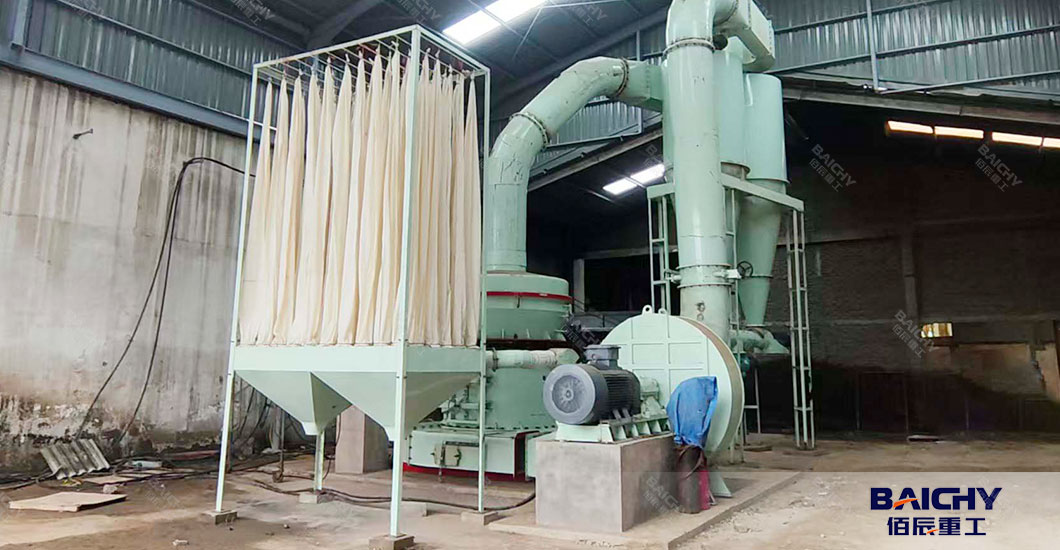
The 5R4119 Raymond mill is a proven, high-capacity solution for ultra-fine powder processing, offering exceptional versatility across multiple industries. Its robust construction, adjustable fineness range, and energy-efficient closed-circuit design make it an ideal choice for gypsum, limestone, and other mineral powder production. Whether you're establishing a new production line or upgrading existing equipment, the 5R4119 delivers reliable performance, consistent product quality, and a strong return on investment.
FAQ: Common Questions About 5R4119 Raymond Mill
Q: What is the maximum feed size for the 5R4119 Raymond mill?
A: The maximum feed size is ≤25-30mm, depending on material hardness.
Q: What fineness can the 5R4119 achieve?
A: The product fineness can be adjusted from 80 mesh (0.18mm) to 400 mesh (0.038mm) by adjusting the analyzer speed and airflow.
Q: What materials can be processed?
A: The raymond mill 5R4119 processes over 280 non-metallic minerals with Mohs hardness below 7, including gypsum, limestone, barite, talc, calcite, and dolomite.
Q: How is product fineness adjusted?
A: By changing the analyzer (classifier) speed—higher speed produces finer powder, lower speed produces coarser powder.




 2026-10-16





 86-15093113821
 86-15093113821