Overview Of Limestone And Its Uses
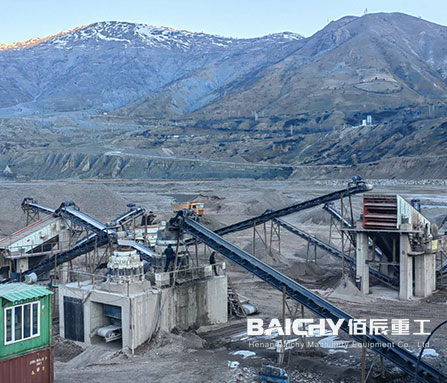
Limestone is a sedimentary rock composed primarily of calcium carbonate (CaCO3), typically in the form of calcite or aragonite. Limestone's versatility and abundance make it a valuable resource in various industries and applications, from construction and agriculture to environmental remediation and art. Limestone aggregates are used in concrete and asphalt, dimension stone for building facades and countertops. When it comes to limestone crushing, the primary crusher plays a vital role in breaking down large rocks into manageable sizes for further processing. Choosing the right primary crusher ensures efficiency, durability, and cost-effectiveness in mining, construction, and other industrial applications. In this article, we’ll explore the best primary crushers for limestone and provide insights into how they work and how to select the right one for your needs.
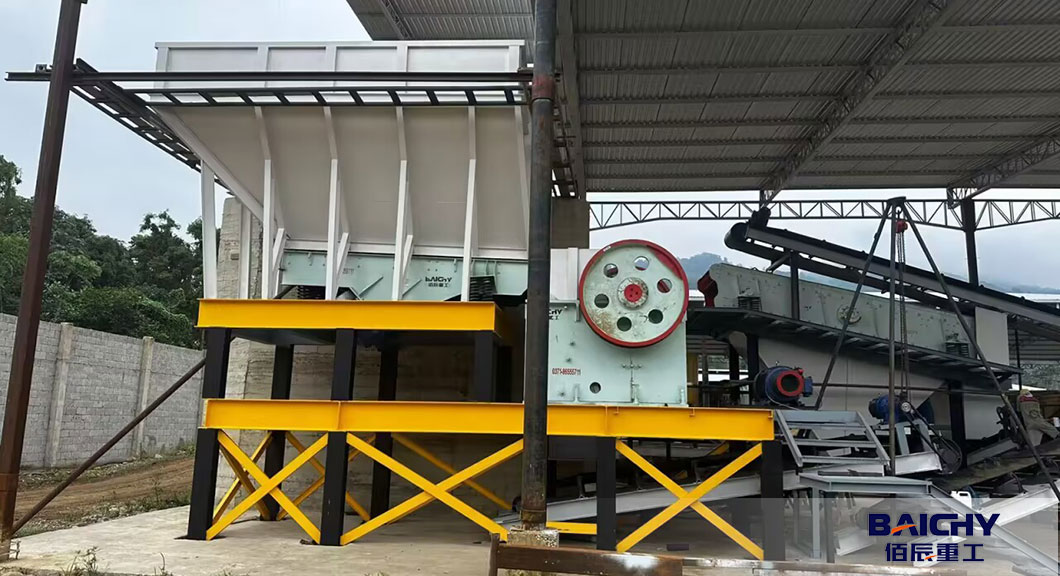
Primary Limestone Crusher
A primary crusher is the first stage in the crushing process, designed to reduce large blocks of material like limestone into smaller pieces. Limestone, being a soft, sedimentary rock, is typically easier to crush than harder rocks. However, the correct primary crusher must still handle its various textures and sizes effectively to ensure consistent and manageable output. The key to selecting the right crusher lies in understanding the nature of limestone and the crushing goals.
Types of Primary Crushers for Limestone
1. Jaw Crushers: The Popular Choice for Limestone Crushing
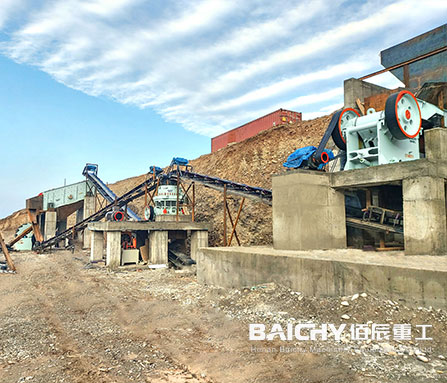
Jaw crushers are widely used in limestone processing due to their robustness and simple operation. These crushers are ideal for large, tough limestone rocks. The working mechanism involves a fixed jaw and a movable jaw that crushes the material as it moves. They provide high output and can handle large volumes, making them perfect for high-capacity applications in quarries.
In limestone crushing, jaw crushers are praised for their ability to handle both soft and hard limestone, offering reliable performance in both dry and wet conditions. They also require minimal maintenance, which makes them an economical choice for continuous operation.
2. Gyratory Crushers: Ideal for High-Throughput Limestone Processing
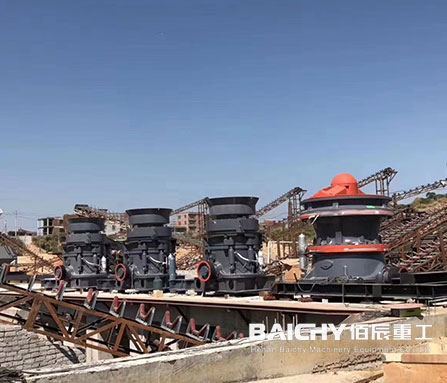
Gyratory crushers are another common option for primary limestone crushing. With a conical shape, they provide a continuous crushing action that produces high volumes of material in a short amount of time. The crusher’s design allows it to process larger pieces of limestone more efficiently than other types.
These crushers are particularly effective when handling larger chunks of limestone that need to be broken down into smaller, more manageable sizes. Their ability to crush large volumes with minimal downtime makes them suitable for heavy-duty applications, especially in large-scale mining operations.
Choosing the Right Primary Crusher for Your Limestone Crushing Needs
1. Factors to Consider When Selecting a Primary Crusher for Limestone
The choice between a jaw crusher and a gyratory crusher depends on several key factors, including the scale of your operation, the size and type of limestone, and your required processing capacity. For smaller, high-purity limestone deposits, a jaw crusher might be enough, as it offers easy handling and lower operational costs. On the other hand, for larger, more complex operations, a gyratory crusher might be more suitable due to its higher processing capacity.
2. Capacity and Efficiency in Limestone Crushing
Limestone crushing demands crushers that offer high capacity without compromising efficiency. Both jaw and gyratory crushers are capable of handling substantial material loads, but understanding the maximum throughput required for your operation is essential. A crusher with a higher capacity can reduce the number of passes needed for a specific quantity of material, saving time and energy.
Efficiency also plays a role in selecting the right primary crusher. Crushers with adjustable settings can help achieve the desired particle size, reducing the need for additional crushing stages and improving overall throughput.
3. Maintenance and Durability of Primary Crushers for Limestone
Limestone crushing involves the continuous operation of heavy machinery. Therefore, the durability and ease of maintenance of the crusher are critical. Jaw crushers, for example, often have fewer moving parts, making them simpler to maintain. They are also cost-effective when it comes to spare parts and service.
Gyratory crushers, while more complex, tend to have a longer lifespan and can handle more abrasive materials. However, their larger size and intricate components may require more frequent maintenance, which could increase overall costs.
Benefits of Using the Right Primary Crusher for Limestone
1. Improved Efficiency and Reduced Costs
By selecting the right primary crusher for limestone, you can enhance the efficiency of your operations. Crushers that are properly matched to the material and production needs reduce energy consumption and wear and tear on the equipment. Over time, this leads to lower maintenance costs and improved return on investment.
2. Consistent Material Size and Quality
Efficient primary crushers ensure that the limestone is crushed into uniform sizes, which is essential for downstream processing. Whether for construction, lime production, or other industrial uses, consistent material quality helps meet product specifications and customer expectations.
The Right Primary Crusher Makes a Big Difference
In limestone crushing, selecting the appropriate primary crusher is essential to optimize performance, reduce costs, and ensure consistent output. Whether you choose a jaw crusher for its simplicity or a gyratory crusher for higher capacity, understanding the specific needs of your operation will guide you to the best choice. By investing in the right equipment, you set the foundation for efficient limestone processing and long-term success.
People Also Frequently Asked For- FAQ
Q1: What is the best primary crusher for limestone?
The best primary crusher for limestone depends on factors like the size of the material, the required output, and the scale of your operation. Jaw crushers are ideal for smaller-scale projects, while gyratory crushers are better suited for high-capacity operations.
Q2: How do I maintain a primary crusher for limestone?
Routine maintenance is essential to keep primary crushers running smoothly. Regular checks on wear parts, lubrication, and adjusting settings for optimal output are crucial. Following the manufacturer’s maintenance schedule ensures longevity and performance.
Q3: Can primary crushers handle other materials besides limestone?
Yes, primary crushers can be used for other materials, such as granite, marble, and concrete, though the choice of crusher may vary depending on the material’s hardness and abrasiveness.




 2026-09-15






 86-15093113821
 86-15093113821