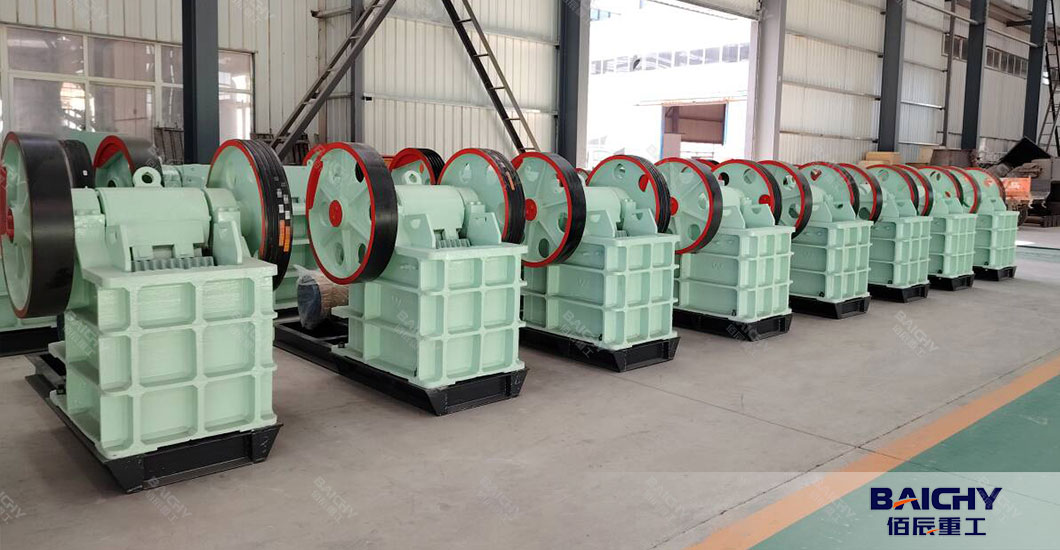
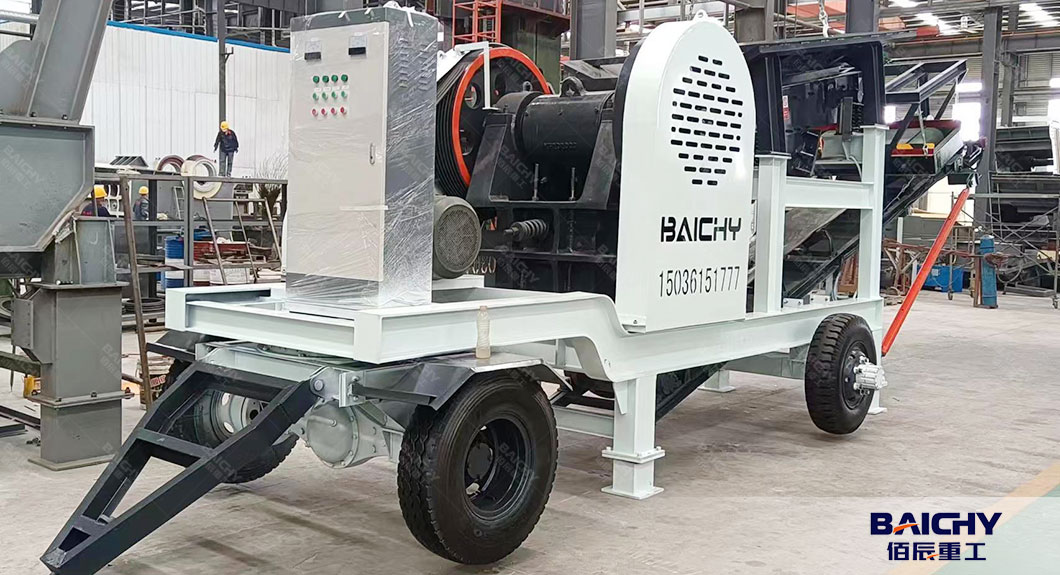
A small scale stone crusher is a compact, low-capacity machine designed to crush rocks into smaller gravel, sand, or dust. It is used by small miners, farmers, construction workers, and contractors who do not need industrial-sized equipment.Unlike massive crushers found in large mines or quarries, these machines are portable, affordable, and easy to operate. You can move them with a small truck or even a trailer.
What you will learn in this guide:
● The different types of small stone crushers
● How to choose the right one for your needs
● How much they cost (new vs. used)
● How a small jaw crusher works step by step
● Safety and daily operation tips
Why Do You Need a Small Stone Crusher?
Many people assume they need expensive, heavy equipment to crush rocks. That is not true. A small stone crusher can handle many everyday jobs without breaking your budget.
Common Users and Situations
● Small scale miners: You have found a small gold or mineral deposit. You do not need a 100-ton-per-hour plant. A small crusher allows you to process ore on site, extract value, and keep costs low.
● Farmers: Rocks in your field damage planting equipment and reduce crop yields. A small stone crusher turns those rocks into gravel that improves drainage and soil structure.
● Contractors: You are working on a small demolition or renovation project. Instead of hauling concrete and asphalt to a landfill, you crush it on site and reuse it as base material for driveways or paths.
What Problems Does It Solve?
First, it saves money. Buying crushed gravel or processed sand costs money per ton. If you have rocks on your property or job site, you are paying to remove them and then paying again to buy gravel. A small crusher eliminates both costs.
Second, it saves labor. Breaking rocks by hand with a sledgehammer is slow and exhausting. One person with a small jaw crusher can do the work of five people with hammers.
Third, it reduces waste. Concrete, asphalt, and natural stone become valuable material instead of landfill trash.
Main Types of Small Scale Stone Crushers
Not all small crushers are the same. The two most common types are small jaw crushers and mini hammer mills. Each has a specific job.
Small Jaw Crusher (Most Popular)
Best for: Hard rocks like granite, basalt, quartz, and river stone. Also works well on concrete and asphalt.
How it works: A fixed plate and a moving plate squeeze the rock. The moving jaw opens and closes hundreds of times per minute. Each closing motion crushes the rock a little more until it falls through the bottom gap.
Output size: Usually 10mm to 50mm (about 0.4 to 2 inches). You can adjust the gap between the jaws to make larger or smaller gravel.
Pros: Very durable. Simple design with few parts to break. Easy to maintain. Handles the hardest rocks without complaint.
Cons: Heavier than hammer mills. Requires a bit more power. Not ideal for making very fine powder.
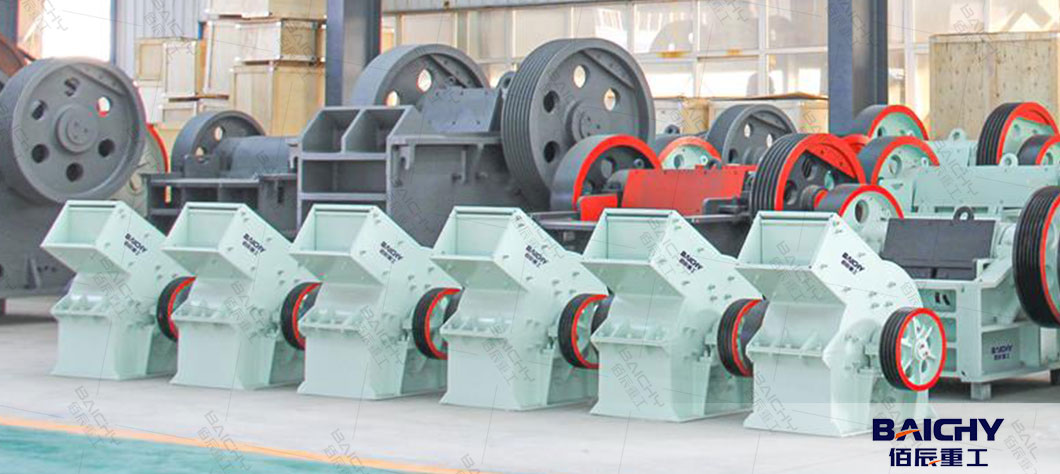
Mini Hammer Mill Crusher
Best for: Softer rocks and brittle materials like limestone, shale, gypsum, and concrete blocks.
How it works: A rotor with several hammers spins at high speed inside a steel housing. The hammers smash the material against a grate at the bottom. Material stays inside until it is small enough to pass through the grate holes.
Output size: Very fine, typically 1mm to 10mm. Can produce powder-like material.
Pros: Lightweight. Produces fine material in one pass. Good for applications that need small particles.
Cons: Wears faster on hard rocks. The hammers and grates need regular replacement. Not recommended for quartz or granite.
Quick Comparison Table
| Type |
Best For |
Output Size |
Cost Range |
Maintenance |
| Jaw crusher |
Hard rock |
10–50mm |
$$ to $$$ |
Low |
| Hammer mill |
Soft rock / fine powder |
1–10mm |
$$ |
Medium to high |
Simple rule: If your rock is hard like granite or quartz, choose a jaw crusher. If your rock is soft like limestone or you need fine powder, choose a hammer mill.
How to Choose the Right Small Scale Stone Crusher
Choosing the wrong crusher is expensive. You end up with a machine that cannot handle your rock or produces the wrong size. Ask yourself these five questions before spending any money.
Ask Yourself These 5 Questions Before Buying
1. What rock hardness?
This is the most important question. Take a sample of your rock and try to scratch it with a steel knife. If the knife leaves a mark, the rock is soft enough for a hammer mill. If the knife cannot scratch it, you have hard rock. Hard rock requires a jaw crusher.
2. What output size do you need?
Do you need gravel for a driveway (20mm to 40mm)? Or do you need fine sand (under 5mm)? Jaw crushers make gravel. Hammer mills make sand and powder. Choose accordingly.
3. How many tons per hour?
Small scale usually means 0.5 to 5 tons per hour. Be honest about your needs. A crusher that is too small will frustrate you. A crusher that is too large wastes money.
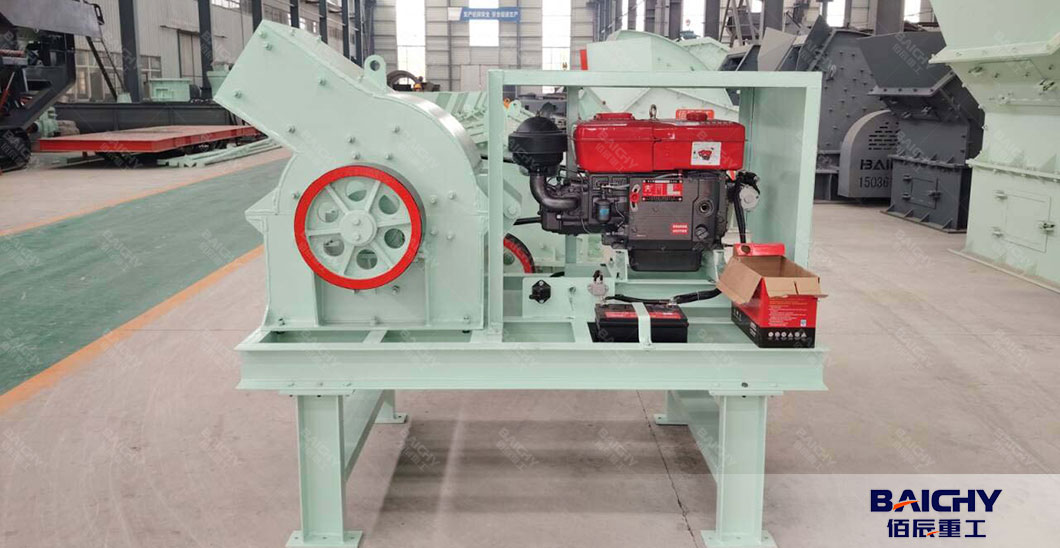
4. Do you have electricity or need a portable diesel engine?
If you have reliable grid power, an electric motor is cheaper to run and easier to maintain. If you work in remote areas or move between job sites, a diesel engine gives you freedom but costs more to fuel.
5. What is your budget?
New small crushers range from 3,000 to 8,000. Used machines can be 50% cheaper. Set a budget before you start shopping.
New vs. Used – Which Is Right for You?
New crusher: You get a warranty, a manual, and a machine that is ready to run. No hidden problems. Best for first-time buyers or commercial users who cannot afford downtime.
Used crusher: You can save thousands of dollars. But you need to inspect the machine carefully. Check the jaw plates or hammers for wear. Look for cracks in the frame. Ask why the previous owner is selling. Used is good for experienced users with mechanical skills.
How a Small Jaw Crusher Works (Step by Step)
A small jaw crusher looks simple, and it is. But understanding the four steps of operation helps you use it correctly and safely.
Simple 4-Step Process
Step 1 – Feed: Rocks are dropped into the top opening, called the feed hopper. The opening size determines the maximum rock size you can put in. For example, a 4″ x 6″ jaw crusher can accept rocks up to about 3.5 inches across.
Step 2 – Crush: The moving jaw presses the rock against the fixed jaw. The pressure is enormous. Hard rocks crack and break. Softer materials crumble. This happens hundreds of times per minute.
Step 3 – Discharge: Once the rock is smaller than the gap at the bottom, it falls out by gravity. There is no screen or conveyor needed. It simply drops into a bucket, wheelbarrow, or onto a pile.
Step 4 – Repeat (if needed): Sometimes one pass is enough. Other times you may want smaller material. You can close the jaw gap slightly and run the material through again. Or you can send the crushed material to a hammer mill for finer powder.
No conveyor? No problem. Small crushers are designed to work without extra equipment. You can position a 5-gallon bucket under the discharge opening and fill it directly.
Cost of Small Scale Stone Crushers (Real Estimates)
Prices vary widely based on brand, size, power source, and your location. But here are realistic ranges to help you plan.
Typical Price Ranges
● Used small jaw crusher (1–3 tons/hour): 1,000–3,000
These are often older models from closed mines or rental fleets. You can find them on equipment auction sites or local classified ads.
● New mini jaw crusher (electric, 2–5 tons/hour):3,000–8,000
This is the sweet spot for most small miners and contractors. These machines are built to last years with basic maintenance.
● New small hammer mill (electric, 1–3 tons/hour): 2,000–5,000
Hammer mills are generally cheaper than jaw crushers because they have simpler castings and lighter frames.
● Shipping and import costs: Do not forget this. A 4,000 crusher might cost another 1,000 to ship. Always ask for the landed cost – the total price delivered to your door.
Tip: Prices from Chinese manufacturers are often lower but shipping takes longer. Prices from US or European brands are higher but parts are easier to find. Choose what fits your timeline and support needs.
Safety Tips for Small Stone Crushers
Small crushers are less dangerous than large industrial machines, but they can still hurt you. Follow these rules every single time.
Do Not Ignore These
● Always use safety glasses and ear protection. Rocks can fly out of the feed opening. Small stone chips travel fast. And a running crusher is loud enough to damage your hearing after just a few minutes.
● Never reach into an operating crusher. Use a stick, a long handle, or a magnet to clear jams or remove metal. Even a small jaw crusher can crush your hand like a grape.
● Feed size matters. Do not exceed the crusher's maximum opening. Oversize rocks will jam the machine. Clearing a jam takes time and is dangerous.
● Keep the area clear. Small crushers can throw rocks sideways if something gets caught. Do not let anyone stand in line with the feed opening or discharge chute.
● Lock out the power before maintenance. This means unplugging the cord or removing the key. Never put your hand inside a crusher that is still connected to power. Even if the motor is off, a bump or a mistake can start it.
One Simple Rule
If you would not put your hand near it while it is running, do not stand in line with the opening. That rule will prevent 90% of common injuries.
Frequently Asked Questions (FAQ)
Q: 1. Can I crush rocks by hand instead of buying a crusher?
Yes, but it is very slow. A 5-pound sledgehammer can crush maybe 100 kg (220 lbs) per day if you work hard. A small jaw crusher can do 1 ton per hour. That is 10 times more in one hour than a full day with a hammer. Time is money.
Q: 2. What is the smallest electric rock crusher?
Some mini jaw crushers are as small as a toaster. They weigh under 100 pounds and can sit on a workbench. These tiny crushers handle small samples or hobby projects. But for regular work, get a machine that weighs at least 400 pounds. Heavier means more stable and more durable.
Q: 3. Can a small crusher make fine powder like flour?
Not directly. A jaw crusher makes gravel, not powder. For very fine powder under 1mm, you need a hammer mill or a small ball mill after the jaw crusher. The jaw crusher does the first rough break, and the hammer mill finishes it.
Q: 4. Do I need a permit to use a small stone crusher?
It depends on your country and your location. For personal use on your own land, usually no permit is required. But if you are crushing for commercial purposes, or if you live in a residential area, check local noise and air quality rules. It is better to ask first than to pay a fine later.
Q: 5. How long does a small jaw crusher last?
A good quality small jaw crusher can last 10 to 20 years with basic maintenance. The jaw plates (wear parts) need replacement every 500 to 2,000 hours depending on how hard your rock is. But the main frame and bearings can last decades.
Q: 6. Can a hammer mill crush hard rock like granite?
Technically yes, but you will pay for it. The hammers and grates will wear out very fast. You might change hammers every 50 hours instead of every 500 hours. For hard rock, a jaw crusher is much cheaper to operate in the long run.




 2026-09-28





 86-15093113821
 86-15093113821