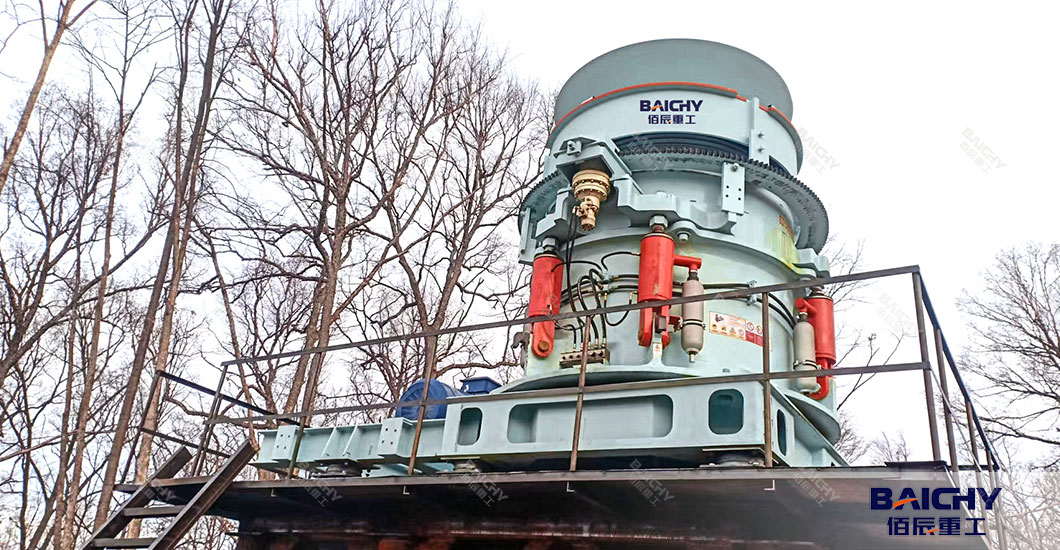
In the competitive world of mining and construction, choosing the right crushing equipment is often the difference between profit and loss. Investors frequently hesitate between Cone Crushers and Impact Crushers. Unfortunately, making the wrong choice can lead to significant failures. You might produce flaky, needle-like stones that get rejected by highway authorities, or you might waste capital on complex machinery when a simpler solution would suffice.

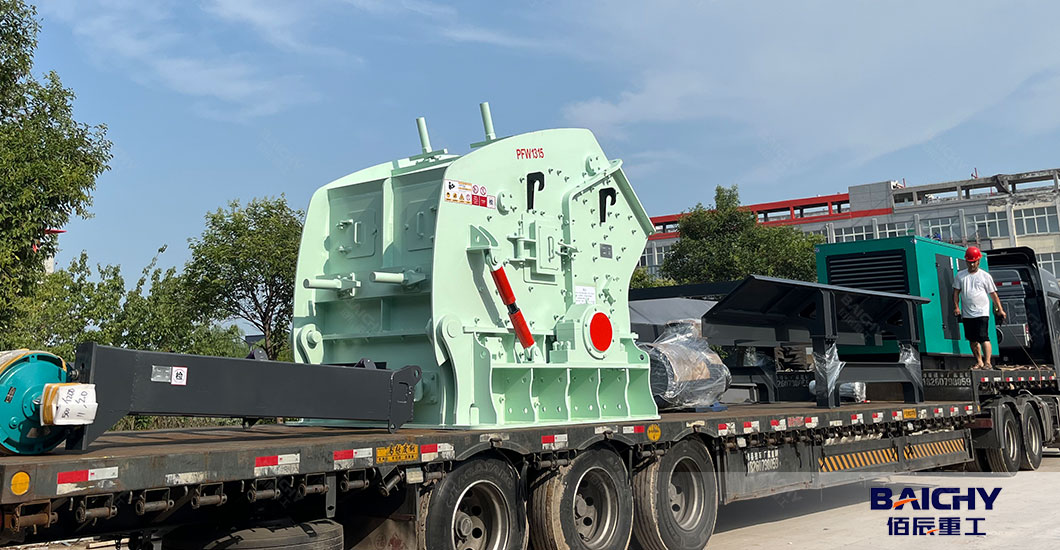
While the Impact Crusher isn't suitable for every rock type, it offers unbeatable value for soft-to-medium hard materials. Here is why you should consider an impactor for your next project.
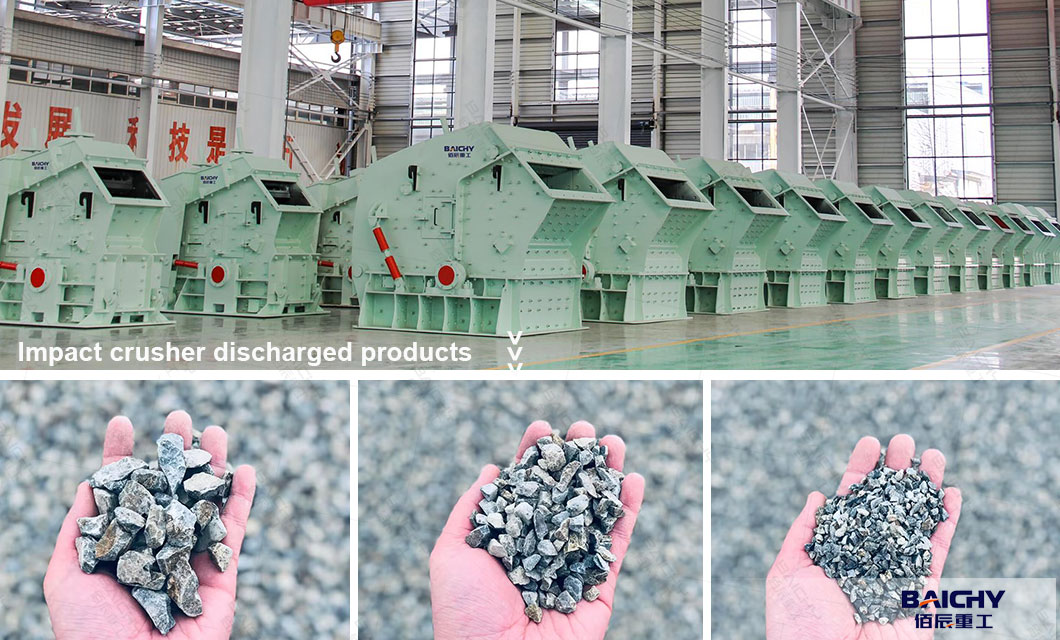
1. The number one reason to choose an impactor is the output quality. Unlike Jaw or Cone crushers that use compression to squeeze rock, an Impact Crusher uses kinetic energy. It strikes the rock along its natural cleavage lines. The result is a uniform, cubical particle shape. This matters because cubical aggregate bonds significantly better in asphalt and concrete mixes, easily meeting strict standards where flaky content is limited.
2. Efficiency is another major advantage. Impact crushers are true powerhouses of reduction. While other machines might achieve a modest 4:1 ratio, an impactor can achieve a massive 10:1 or even 20:1 reduction ratio. A single machine can often perform the duties of both secondary and tertiary crushing, which simplifies your plant layout and reduces the number of conveyors you need.
It is also the king of recycling. If you are processing construction and demolition waste, the impact crusher is superior. It can shatter concrete away from steel rebar without jamming. The open discharge design allows the steel to pass through for magnetic separation. This is something a Cone Crusher simply cannot handle safely.
3. However, an Impact Crusher isn't for every rock. It is a cost-effective crushing equipment, but only if applied in the right environment. It performs best on materials like limestone, coal, gypsum, and phosphate where the Mohs hardness is generally under 6.
You must be careful with abrasive rock. High-silica materials like granite, basalt, or river stone are the danger zone. While an impactor can crush them, the blow bars might last only 50 to 80 hours. On limestone, those same parts could last for months. For hard rock, high operating costs can quickly kill your profits.
4. Don't just look at the price tag. Understanding the technical specs will save you money in the long run. Modern hydraulic impactors allow you to adjust the curtains in minutes to change output sizes. A well-tuned impactor typically produces material with a flakiness index below 10%.
There is a common myth that because impact crushers are cheaper to buy, they are always the best choice. The truth is that while the initial purchase price is lower than a Cone Crusher, the operating costs can spike if used on the wrong material. Always calculate the cost per ton of wear parts before buying.
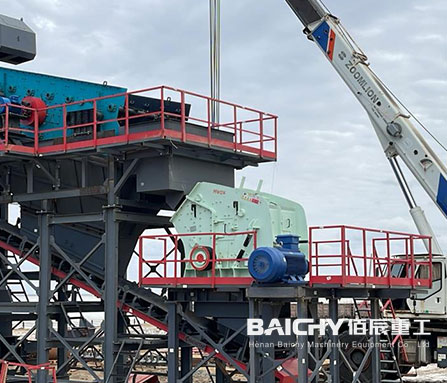
Let’s look at a recent success story from a highway project in Southeast Asia. A client was originally using a Cone Crusher on medium-hard limestone but struggled with a 25% flakiness rate. Their aggregate was being rejected by the road authority. They consulted us and switched to a Baichy PF Series Impact Crusher. The results were immediate. The flakiness index dropped to just 8%, passing all government checks. They also saved 30% on their initial investment compared to the proposed Cone Crusher setup. Since they were working on limestone, the high-chrome blow bars only needed replacement every four months, keeping maintenance predictable and low.

If you need premium cubical aggregate from limestone or are looking to recycle concrete waste, the Impact Crusher is your most profitable tool. It delivers high-quality product at a low initial cost. However, accurately analyzing your raw material hardness is key to avoiding excessive wear.
Not sure if your stone is too hard for an Impact Crusher? Don't guess with your investment. Contact us today to book a free site assessment or material analysis. Let our engineers recommend the perfect configuration for your quarry.
Save Time! Get A Detailed Quotation Quickly.