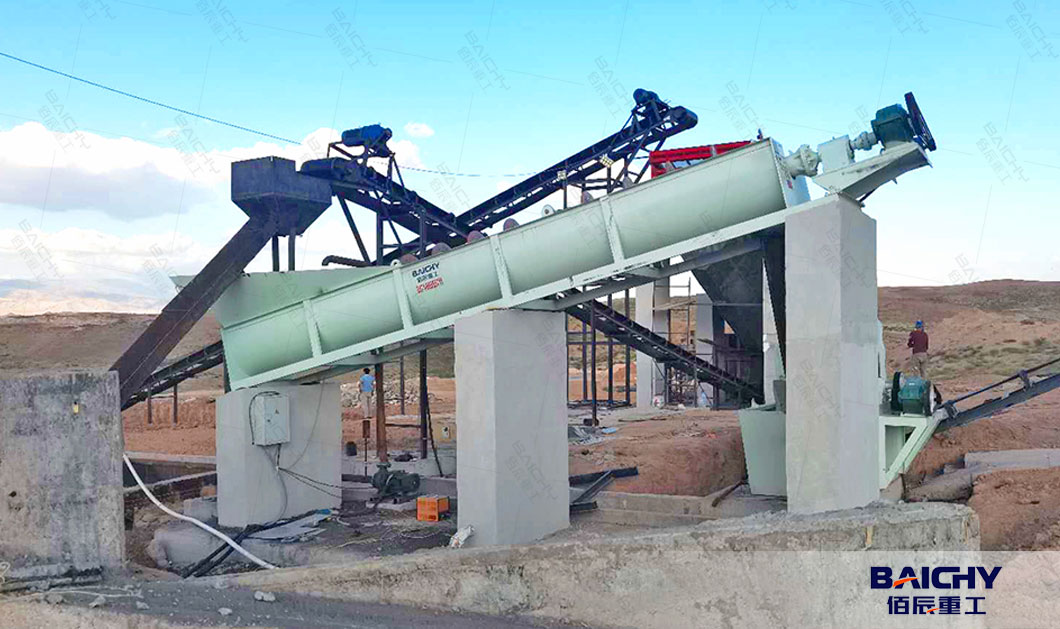
River pebbles are widely used in infrastructure construction because of their hardness, abrasion resistance, and stable physical properties. After crushing, river pebbles can produce manufactured sand and aggregates for highways, bridges, railway foundations, concrete production, and other major construction projects. However, crushing alone does not guarantee that the finished sand meets construction requirements. Natural river pebble deposits often contain clay, silt, soil, and fine impurities. Crushing also generates stone powder, which can affect the grading and quality of manufactured sand. A river pebble sand washing machine removes unwanted materials, controls the fines content, and improves the cleanliness of finished sand. For aggregate producers supplying infrastructure projects, an appropriately designed washing system is an important part of the complete production process.
1. Why Does River Pebble Sand Need Washing?
River pebble sand production involves more than reducing stone size. The raw material characteristics and final aggregate specifications determine whether washing is necessary. Three common problems need attention.
Clay and silt contamination
River pebble deposits may contain clay, mud, and fine silt accumulated during natural weathering and transportation. When these materials enter a crushing plant, they can mix with manufactured sand and coat aggregate particles. Excessive clay and silt can affect the bonding between cement paste and aggregates. This is particularly important for concrete used in bridges, roads, tunnels, and other infrastructure structures.
Uncontrolled stone powder content
During crushing and shaping, river pebbles generate fine particles. Some stone powder is useful in manufactured sand, but excessive or poorly graded fines can affect water demand, workability, and concrete performance. A washing system helps remove unwanted fine materials while retaining usable sand particles.
Inconsistent finished sand quality
Infrastructure projects usually require aggregates to meet defined grading, cleanliness, and material specifications. If the raw material changes between production batches, the finished sand quality may fluctuate. A properly configured washing and screening system helps stabilize product quality and reduces the risk of supplying nonconforming materials.
2. How Does a River Pebble Sand Washing Machine Work?
A river pebble sand washing plant generally combines feeding, screening, washing, fine sand recovery, and dewatering. The specific configuration depends on raw material size, clay content, production capacity, and finished sand requirements.
Step 1: Feed screening
Crushed river pebble material enters a vibrating screen. Oversized particles are separated for further crushing or returned to the crushing stage, while suitable material proceeds to washing. Screening before washing helps prevent oversized stones from entering the sand washer and improves equipment operating stability.
Step 2: Sand washing and impurity removal
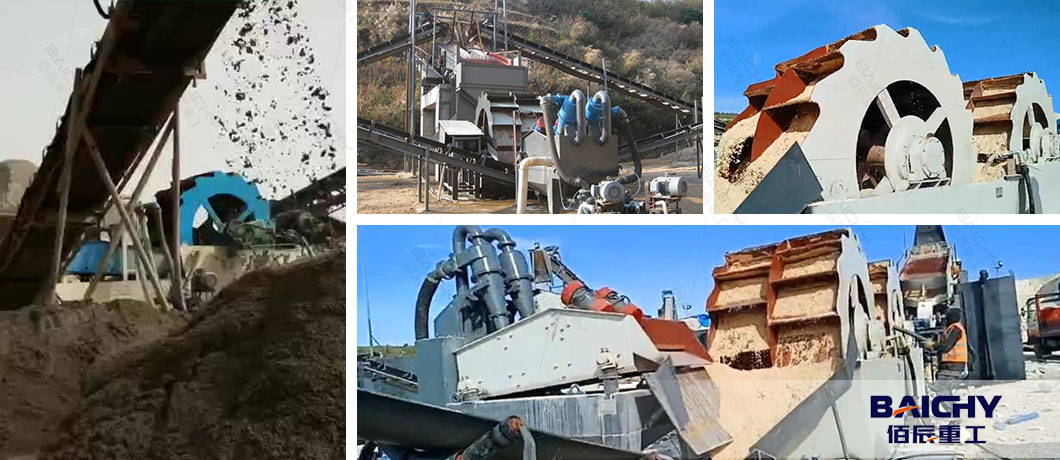
A wheel sand washing machine or spiral sand washing machine uses water agitation and mechanical movement to separate sand particles from clay, silt, and other unwanted materials. The washing process removes contaminants adhering to particle surfaces and allows lighter impurities to overflow with wastewater.
Step 3: Fine sand recovery
Fine sand is easily lost with wastewater during conventional washing. This can reduce product yield and increase the amount of solid material discharged into the settling system. A fine sand recovery system uses a slurry pump, hydrocyclone, and dewatering screen to recover usable fine particles. This stage is particularly valuable when producing manufactured sand for concrete and infrastructure applications.
Step 4: Final dewatering
The washed sand is discharged onto a dewatering screen. Mechanical vibration removes excess water and produces sand with a more manageable moisture content for stockpiling, transportation, and subsequent use.
3. Wheel Sand Washer vs. Spiral Sand Washer for River Pebbles
Choosing the correct washing machine depends on the feed characteristics and production requirements. The two common options have different operating characteristics.
| Comparison |
Wheel Sand Washer |
Spiral Sand Washer |
| Washing principle |
Wheel rotation and water agitation |
Spiral rotation and material conveying |
| Sand loss |
Generally low with suitable operation |
Depends on feed and operating conditions |
| Water consumption |
Usually relatively low |
Depends on configuration |
| Installation |
Compact structure |
Requires more installation space |
| Application |
Manufactured sand and aggregate washing |
Sand washing and classification |
| Maintenance |
Relatively simple structure |
Requires attention to spiral wear |
For most river pebble manufactured sand plants, a wheel sand washer is a practical choice when the main objective is removing surface impurities while maintaining good sand recovery.
For applications requiring stronger washing and separation of muddy materials, a spiral washer may also be considered.
The final selection should be based on material testing rather than equipment type alone.
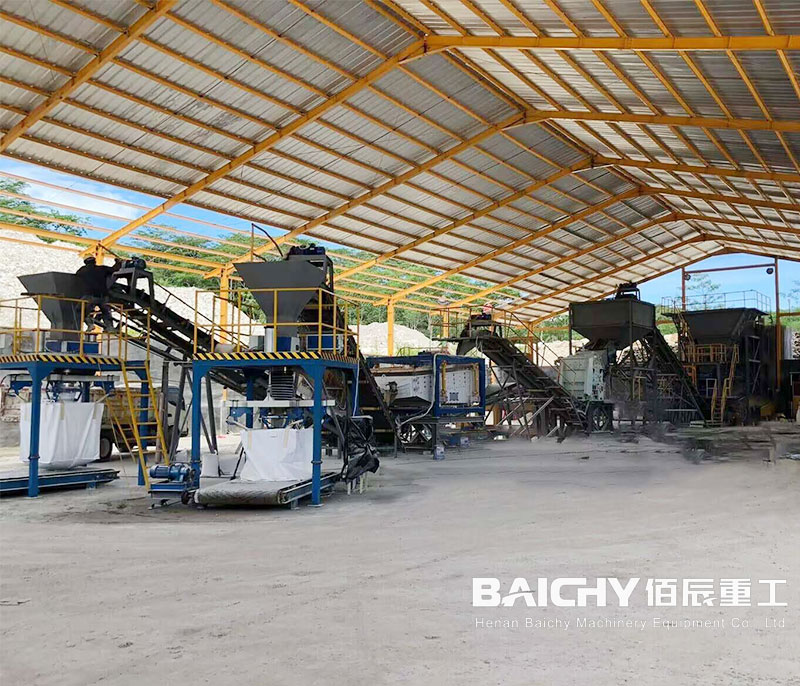
4. Complete River Pebble Sand Washing Plant for Infrastructure Applications
For medium- and large-scale infrastructure aggregate suppliers, installing an independent sand washing machine may not be sufficient. A complete crushing, screening, and washing system provides better control over the entire production process.
A typical river pebble processing flow is:
Raw River Pebbles → Vibrating Feeder → Jaw Crusher → Cone Crusher → VSI Sand Making Machine → Vibrating Screen → Sand Washing Machine → Fine Sand Recovery System → Finished Sand
Each stage has a specific function.
-
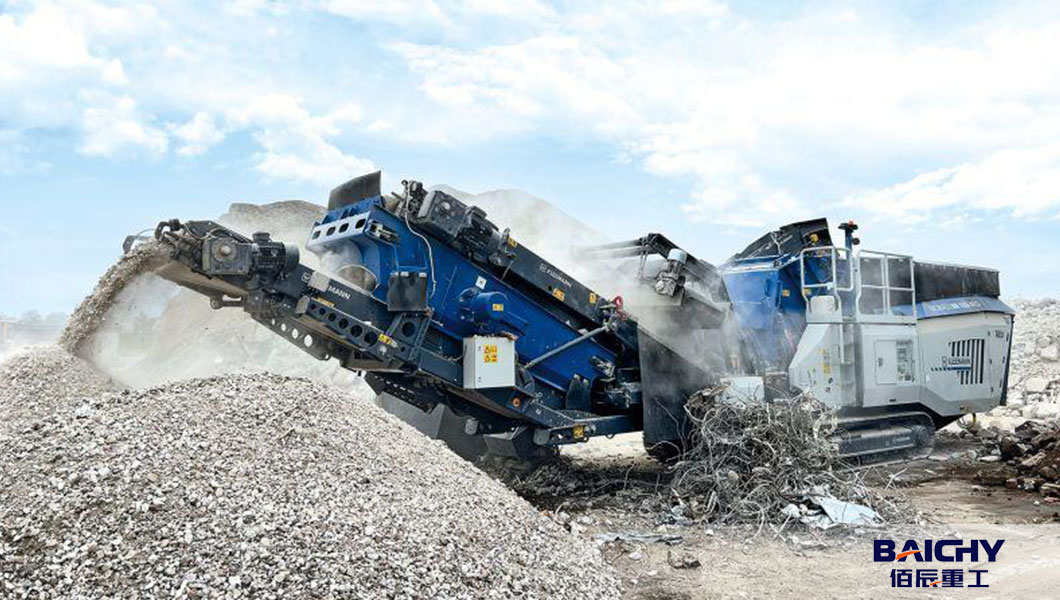
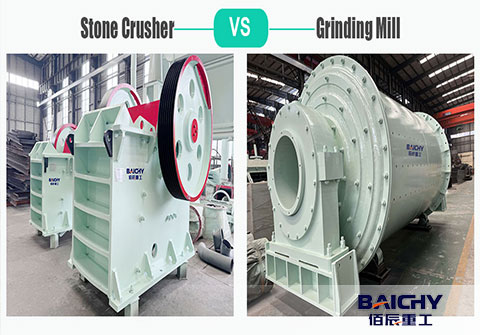
Jaw crusher: Reduces large river pebbles into smaller particles for secondary crushing.
-
Cone crusher: Handles hard and abrasive river pebble material during secondary crushing.
-
VSI sand making machine: Shapes particles and produces manufactured sand with a more suitable particle profile.
-
Vibrating screen: Separates different aggregate sizes and controls the material entering the washing stage.
-
Sand washing machine: Removes clay, silt, and unwanted fine impurities.
-
Fine sand recovery system: Recovers usable fine sand from wastewater and improves overall product yield.
The system can be adjusted according to the required output, such as 0–5 mm manufactured sand, 5–10 mm aggregate, 10–20 mm aggregate, and 20–31.5 mm aggregate.
Actual product sizes should follow local construction standards and the buyer's requirements.
5. Key Factors When Selecting a Sand Washing Machine
Before purchasing a river pebble sand washing machine, aggregate producers should evaluate several technical factors.
● Raw material characteristics: Determine the proportion of clay, silt, fine particles, and oversized stones. High clay content may require additional scrubbing or pre-treatment rather than relying on a conventional washer alone.
● Processing capacity: Select equipment according to the actual sand production rate, not simply the total capacity of the crushing plant. For example, a 200 TPH crushing plant does not necessarily require a 200 TPH sand washer because only part of the output may enter the sand washing circuit.
● Finished sand grading: The required particle-size distribution determines the screening mesh, washing configuration, and fine sand recovery requirements.
● Water recycling: Large infrastructure aggregate projects consume considerable water. A settling pond or water recycling system can reduce freshwater demand and help control wastewater discharge.
● Wear resistance: River pebble is a hard, abrasive material. Equipment components exposed to continuous material contact should be selected with suitable wear-resistant materials to reduce maintenance frequency.
6. Why Is Fine Sand Recovery Important for Large Infrastructure Projects?
Fine sand loss is an often-overlooked operating cost in aggregate washing plants. When fine particles are discharged with wastewater, the plant loses potentially saleable material. At the same time, more sediment accumulates in settling ponds, increasing cleaning and maintenance requirements. A fine sand recovery system addresses these problems by separating fine particles from the slurry and returning them to the finished product.
For plants operating continuously to supply highway, railway, and commercial concrete projects, improving fine sand recovery can increase effective production yield without requiring additional raw material crushing. However, the recovery rate depends on particle size distribution, slurry concentration, hydrocyclone selection, and operating conditions. It should be verified through material testing and commissioning.
7. Baichy: River Pebble Sand Washing and Aggregate Processing Solutions
Baichy provides crushing, screening, sand making, and washing equipment for aggregate production projects. For river pebble processing, the equipment configuration should be designed around the customer's raw material characteristics, required sand grading, production capacity, and water management conditions. Rather than selecting a washing machine based only on its rated capacity, Baichy can help evaluate the complete processing flow, including crushing equipment, vibrating screens, sand washers, fine sand recovery systems, and supporting conveyors. For infrastructure aggregate suppliers, the objective is straightforward: produce clean, consistently graded manufactured sand while controlling material loss, water consumption, and operating costs.
Frequently Asked Questions
Q1: Can a river pebble sand washing machine remove clay and mud?
Yes. A sand washing machine can remove loose clay, silt, and surface impurities. If the raw material contains a high proportion of sticky clay, additional scrubbing or pre-treatment may be necessary.
Q2: Which sand washing machine is suitable for river pebble sand?
Wheel sand washers are commonly used for manufactured sand washing because of their relatively simple structure and good sand retention. Spiral sand washers are another option when the washing process requires different material handling characteristics.
Q3: Is a fine sand recovery system necessary?
It is recommended when the washing process generates significant fine sand loss. It helps recover usable particles from wastewater, improve product yield, and reduce sediment discharge.
Q4: Can washed river pebble sand be used for concrete production?
Yes, provided that the finished sand meets the applicable grading, cleanliness, particle-size distribution, and other relevant concrete aggregate specifications.
Q5: What information is needed to design a river pebble sand washing plant?
The main information includes raw material size, clay and silt content, required sand production capacity, finished product grading, available water supply, and local aggregate standards.




 2026-11-12






 86-15093113821
 86-15093113821