What Is Spring Cone Crusher?
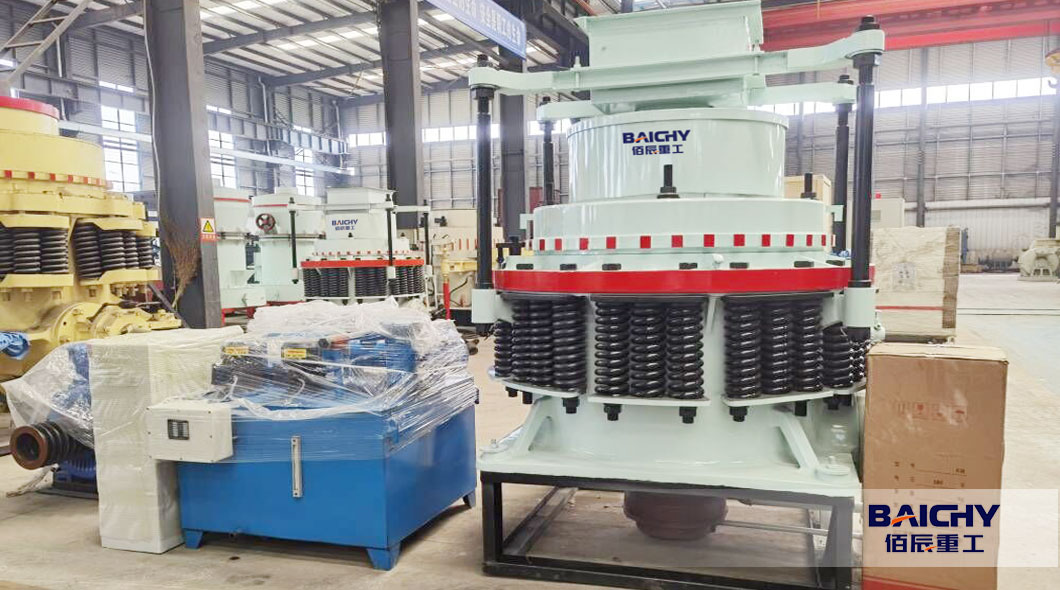
A spring cone crusher is a widely used crushing machine for medium and fine crushing of ores and rocks with medium to high hardness. This type of crusher is designed to handle a wide range of materials and is typically used in industries like mining, construction, and metallurgy. Key features of the spring cone crusher include:
● Spring Safety System: The spring safety system acts as an insurance device that helps prevent damage to the crusher when foreign objects, like iron, pass through the crushing chamber.
● Crushing Chamber Types: Depending on the intended application, the spring cone crusher comes in various chamber types:
○ Standard (PYB): Best for medium crushing.
○ Medium (PYZ) and Short Head (PYD): Ideal for fine crushing.
Spring cone crushers are particularly effective in producing high-quality gravel and aggregates for various construction applications.
Spring Cone Crusher Improvement
Recent technological advancements have significantly improved the performance and reliability of spring cone crushers:
● Accumulator in Hydraulic Locking System: The introduction of an accumulator into the fixed cone hydraulic locking system helps stabilize the crusher's operation. This enhancement ensures that the crusher operates with greater consistency and less vibration, improving overall crushing efficiency.
● Spherical Bearings for Suspension: The moving cone is now supported by spherical bearings, enhancing the suspension and providing more stability during operation. This improvement contributes to smoother functioning and reduces wear on key components.
These improvements have made modern spring cone crushers more durable, efficient, and reliable in handling a variety of tough materials.
Spring Cone Crusher Application
Spring cone crushers are used in various industries, primarily due to their ability to handle different materials with medium to high hardness. Common applications include:
● Metallurgy: Crushing ores such as iron ore and copper ore.
● Construction: Processing materials like granite, limestone, sandstone, and basalt.
● Chemical Industry: Crushing materials like quartz and ballast.
The ability to process a broad range of materials makes spring cone crushers versatile in many industrial settings.
Cone Crusher PY900 Specification
| Model |
PYB900
Standard head
|
PYZ900
Middle type
|
PYD900
Short head type
|
| Cone diameter(mm) |
900 |
900 |
900 |
| Feeder opening size(mm) |
135 |
70 |
50 |
| Max feeding size(mm) |
115 |
60 |
40 |
| Outlet setting size(mm) |
15-50 |
5-20 |
3-13 |
| Capacity( t/h) |
50-90 |
20-65 |
15-50 |
| Spring pressure(t) |
70 |
70 |
70 |
| Rotating speed(r/min) |
333 |
333 |
333 |
| Motor voltage(v) |
380/440 |
380/440 |
380/440 |
| Motor power(kw) |
55 |
55 |
55 |
| Weight |
10177 |
10186 |
10264 |
Why use cone crusher PY900 to produce gravel?
The PY900 cone crusher is an excellent choice for producing high-quality gravel due to its unique features and efficient design. Here are the key reasons why it’s widely used in gravel production:
1. Wide Processing Capacity
The PY900 cone crusher offers a wide processing capacity of 50-90 tons per hour (TPH), depending on material hardness and feed size. This makes it suitable for both small-scale and large-scale production.
2. Uniform Final Product
Cone crushers use the lamination crushing principle, which ensures a uniform final product size. This is especially important for gravel production, where a consistent size is crucial for construction and landscaping projects.
3. Automatic Discharge
Once the crushing process is completed, the automatic discharge system ensures that crushed material is quickly and efficiently removed, preventing bottlenecks in production.
4. Multiple Chamber Configurations
The PY900 cone crusher offers several chamber configurations:
● Standard for medium crushing.
● Short type for fine crushing.
● Middle type for more precise control of particle size.
This versatility allows the PY900 to handle various types of materials and deliver the desired output size, ensuring it meets project requirements.
5. Reliable Sealing System
The PY900 cone crusher uses dry oil or water sealing systems that prevent stone dust from contaminating the lubrication oil. This ensures reliable operation and reduces wear on the internal components, leading to lower maintenance costs.
6. Efficient Gravel Output Size
The cone crusher PY900 is ideal for producing gravel with sizes ranging from 2mm to 63mm. This output range is commonly required for many construction applications, making the PY900 a reliable choice for gravel production.
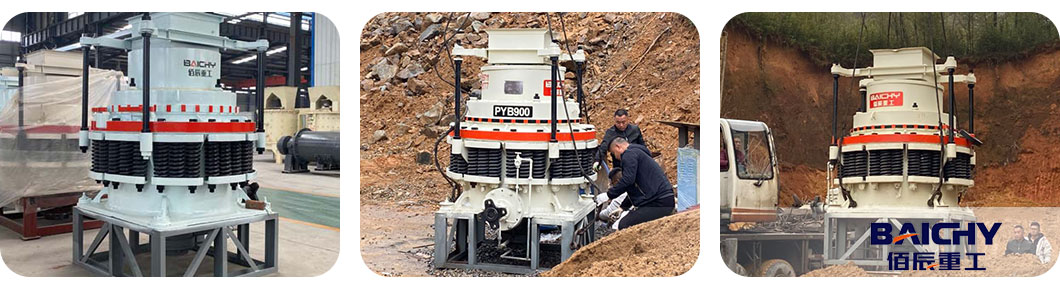
Successful Case: Cone Crusher PYB900 For Gravel Crusher Plant 50tph
One client in Phillipines , operating in a river stone crusher plant, needed a solution to crush hard river stone rocks into smaller sand sizes for construction material production. River stone rock or pebbles with a hardness of 7 on the Mohs scale, is challenging to crush, requiring a high-efficiency solution.
The Solution:
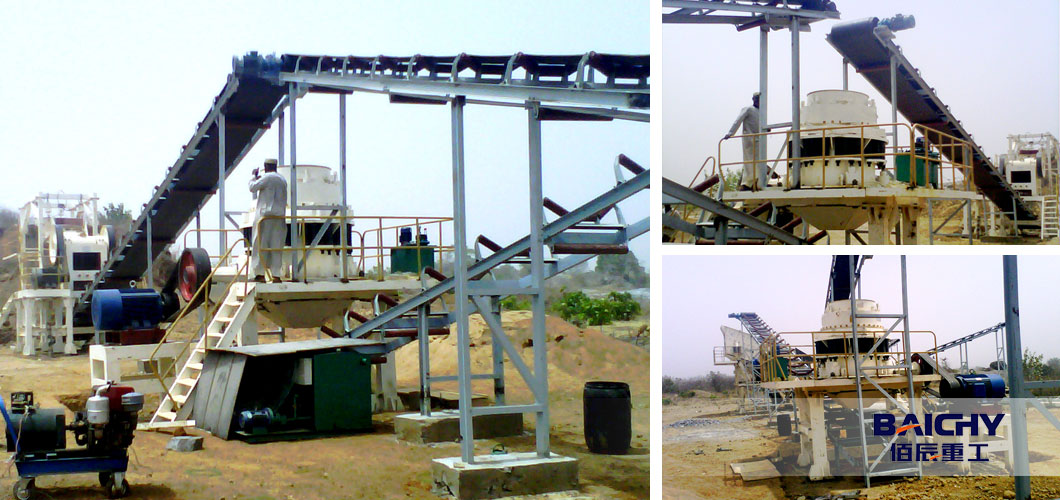
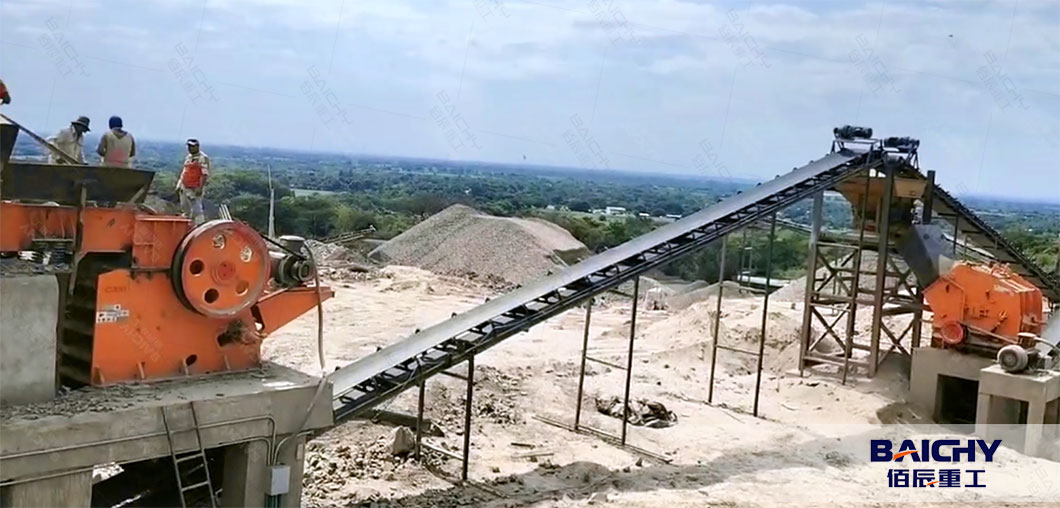
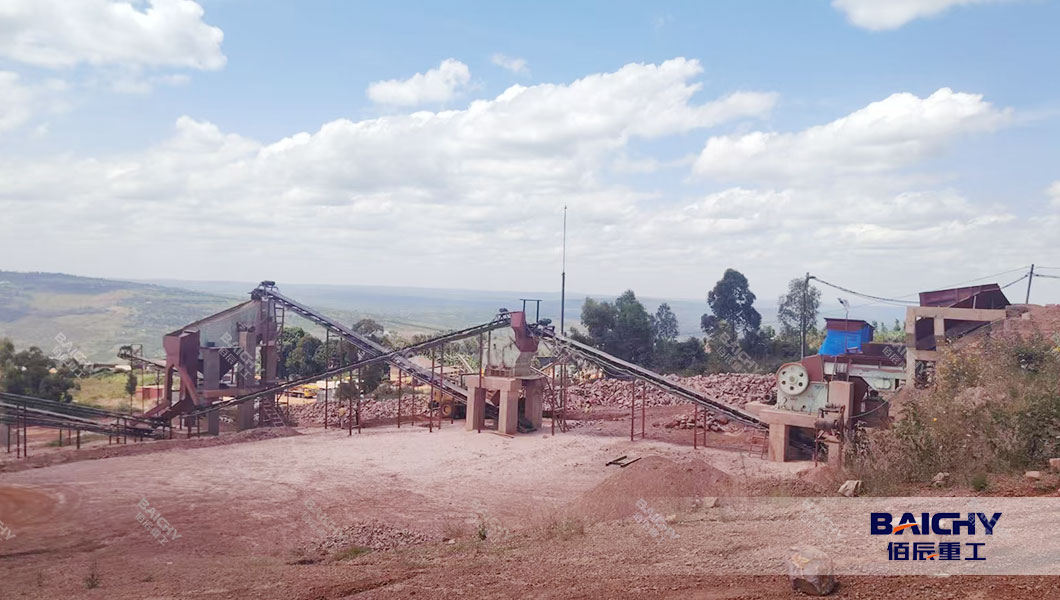
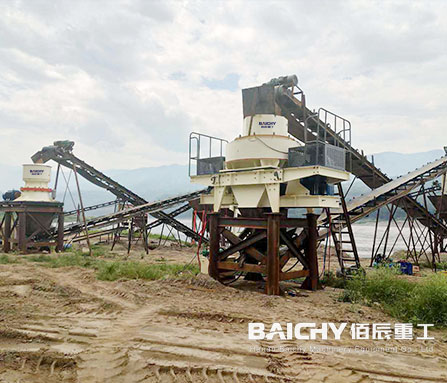
The client selected the PYB900 cone crusher as part of a complete stone crushing system that included:
● Vibrating feeder for consistent material flow.
● Jaw crusher for primary crushing.
● PYB900 cone crusher for secondary fine crushing.
● Vibrating screen for separating gravel sizes.
● Belt conveyors for material handling.
Results:
The PYB900 crushed 50 TPH of river stone material.
The final gravel output met the client’s desired specifications, allowing for smooth progress to the next processing step.
The high efficiency and low maintenance of the PY900 led to significant cost savings for the client.
People Also Asked For Frequently- FAQ
1. How do you size a cone crusher?
To find the capacity of a cone crusher, it is recommended to use the actual power draw, crusher throughput, and Ore Specific Gravity. The actual power draw should be taken from laboratory or field test data. The crusher throughput should also be taken into account, depending on the desired product specification.
2. Which is better cone crusher or jaw crusher?
Due to the crushing principle, cone crusher has better grain shape than jaw crusher. Generally, you need shaping equipment after jaw crusher for better grain shape. And cone crusher can be used for shaping because of the adoption of lamination crushing principle, which makes the final products have good cubical shape.
3. What is the crushing ratio of a cone crusher?
A Cone Crusher is a compression type of machine that reduces material by squeezing or compressing the feed material between a moving piece of steel and a stationary piece of steel. Jump To: Cone Crushers deliver a 4:1 to 6:1 reduction ratio.
To adjust a cone-type crusher, you need to adjust the size of the opening at the discharge end of the crusher. This can be done by adjusting the setting on the cone, adjusting the tension on the springs and/or tightening or loosening the threaded portion of the bowl assembly.




 2026-10-22





 86-15093113821
 86-15093113821