When designing a sand, gravel, or mining aggregate plant, your primary crusher dictates the rhythm of your entire operation. It is the gateway to your production line. If it bottlenecks, everything else stops.
Content
In the world of heavy-duty rock reduction, two machines dominate the primary stage: the Jaw Crusher and the Gyratory Crusher. While both use powerful compressive forces to shatter massive boulders, their internal mechanics, physical footprint, and financial requirements are entirely different. Based on industry standards and engineering best practices, here is the ultimate breakdown of the key differences between a jaw crusher and a gyratory crusher.
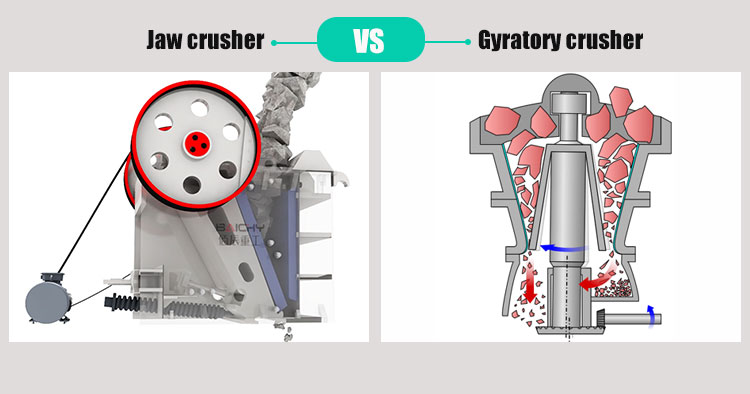
1. The Working Principle: Continuous vs. Intermittent Crushing
To understand their differences, you must first understand how they move.
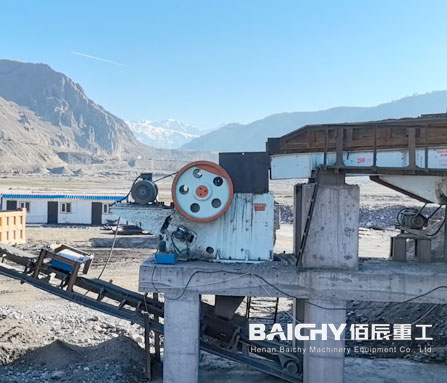
● The Jaw Crusher: This machine works like a giant mechanical nutcracker. It features a fixed jaw and a moving jaw that swings back and forth. Because it only crushes when the jaw closes—and releases material when it opens—the crushing action is intermittent.
● The Gyratory Crusher: This machine features a conical crushing head that rotates eccentrically inside a heavy steel bowl. Because the head is always crushing material against some part of the bowl during its rotation, the crushing action is 100% continuous.
2. Production Capacity and Power Consumption
Because a gyratory crusher crushes continuously without any "idle" motion, its throughput is unmatched.
When comparing two machines with the exact same feed opening size, a gyratory crusher can process nearly twice the amount of ore as a jaw crusher. For massive mining operations requiring throughputs above 1,500 to 2,000 tons per hour (TPH), the gyratory crusher is the undisputed king. Furthermore, because of this continuous action, its unit power consumption per ton of ore is typically 0.5 to 1.2 times lower than a jaw crusher.
3. Material Feeding Method (Choke Feeding)
How you get the rock into the machine changes your entire plant layout.
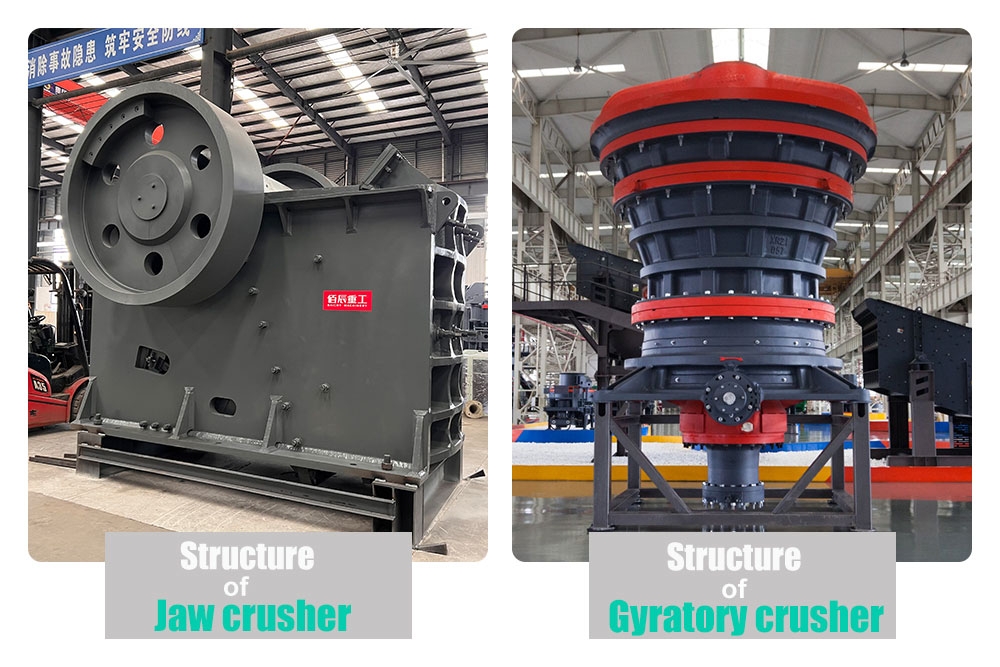
A large gyratory crusher thrives under pressure. You can dump raw ore directly from heavy haul trucks straight into its crushing chamber. This is known as "choke feeding."
A jaw crusher, however, cannot be choke-fed. If you bury a jaw crusher in rock, it will jam. It requires a steady, metered flow of material. This means you must invest in external infrastructure, such as a heavy-duty vibrating grizzly feeder and a large ore bin, to control the flow.
4. Applied Materials and Moisture Content
Both machines crush hard, abrasive rock with ease. But they react very differently to wet, sticky clay.
A gyratory crusher is highly sensitive to moisture. Because of its circular, enclosed crushing cavity, wet and sticky ore will quickly build up, causing the machine to pack and clog. A jaw crusher is much more forgiving. The straight, steep angle of the jaw plates allows high-moisture, clay-bound rocks to slide right through without blocking the chamber.
5. Installation, Footprint, and Base Weight
Space and foundation requirements are massive deciding factors.
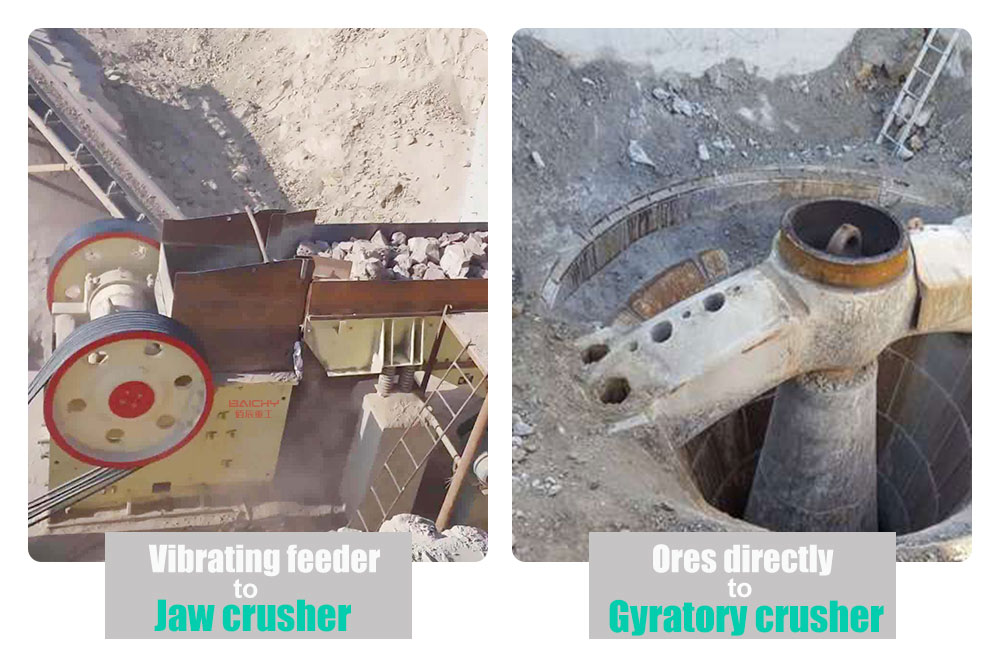
A gyratory crusher operates with a smooth rotary motion. Because its vibration is relatively light, its base weight only needs to be 2 to 3 times the weight of the machine itself. However, it requires a massive vertical footprint. Installing one usually requires digging a deep concrete pocket and building a towering structure above ground.
In contrast, a jaw crusher relies on a heavy, reciprocating swing. This intense back-and-forth movement creates severe vibrations, demanding a massive horizontal foundation (often 5 to 10 times the weight of the crusher). While it requires a heavier base, its vertical height is much lower, making it ideal for flat-ground modular or portable setups.
6. Capital Expenditure vs. Operating Expenses
If you are looking at upfront costs, the jaw crusher wins easily. A gyratory crusher is physically massive—often 1.7 to 2 times heavier than a jaw crusher with an identical feed opening. This makes the initial equipment purchase and civil construction costs significantly higher.
However, you must consider OPEX. For long-term, mega-scale mining operations (20+ years), the gyratory crusher’s incredible energy efficiency and high throughput result in a much lower cost-per-ton over the lifespan of the mine.
7. Maintenance and Downtime
Simplicity is the jaw crusher’s greatest strength. It is incredibly easy to install, operate, and maintain. Replacing the wear plates can be done with basic tools in a relatively short amount of time.
A gyratory crusher is a highly complex piece of engineering. Routine maintenance requires highly skilled professional engineers. Furthermore, because of its towering height, changing the heavy manganese liners often requires an overhead crane and leads to longer periods of planned downtime.
8. Finished Product Shape and Ease of Starting
Starting a gyratory crusher is a breeze. It powers up smoothly and directly. A standard jaw crusher requires a massive surge of power. Because of its heavy mechanical inertia, operators historically had to use auxiliary tools to turn the heavy flywheel before starting the motor (though modern segmented models have improved this).
Finally, consider the output. If you need a more uniform product right out of the primary stage, the gyratory crusher takes the lead. Its continuous, circular cavity naturally yields fewer flat or flaky particles compared to the cracking action of a jaw crusher.
People also frequently asked for- FAQ:
1. Which type of crusher is best?
The basic crusher types are: jaw crusher, cone crusher, impact crusher roller crusher, hammer mill crusher, which are operating in different stage based on their character. The right crusher is the best stone crusher.
2. How do l choose a stone crusher?
To choose a suitable crusher, you’ll need to provide information about the material you plan to crush.
The abrasiveness and hardness of the material determine the compressive strength it can withstand before crushing.
2. The material feeding size is to determine the size of the crusher required.
3. The finished material size is required to determine the number of crushing stages necessary to achieve the desired reduction.
4. Capacity (throughput) is measured in tons per hour. You will need to determine the processing capacity
The jaw crusher is mainly used for primary crushing, and the crushed stone is relatively large. Cone crushers are used for crushing medium-sized stones fragment, and are mostly used for secondary crushing.




 2026-09-15






 86-15093113821
 86-15093113821