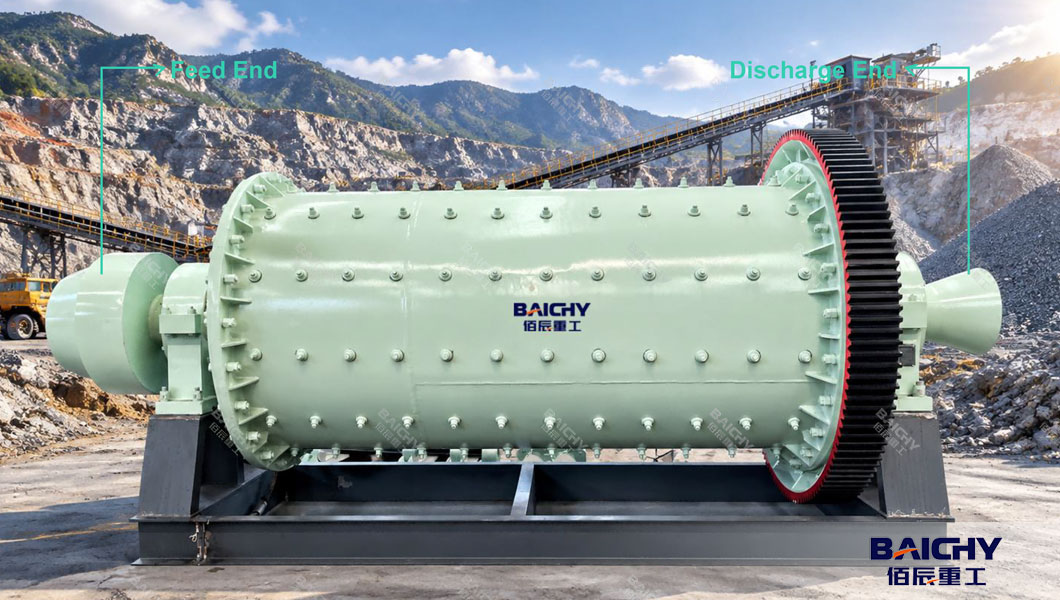
Malachite ore, a vibrant green copper carbonate hydroxide mineral, has gained widespread application across industries such as pigments, jewelry making, copper extraction, and even cosmetic formulations. To unlock its full value, processing malachite ore into fine, uniform powder is critical—and 150-mesh powder is a highly sought-after specification for most industrial uses. Among the various grinding equipment on the market, the ball mill stands out as the most reliable and efficient solution for achieving consistent 150-mesh malachite powder. This article explores why ball mills are ideal for malachite ore processing, key considerations for setup, and best practices to optimize powder production.
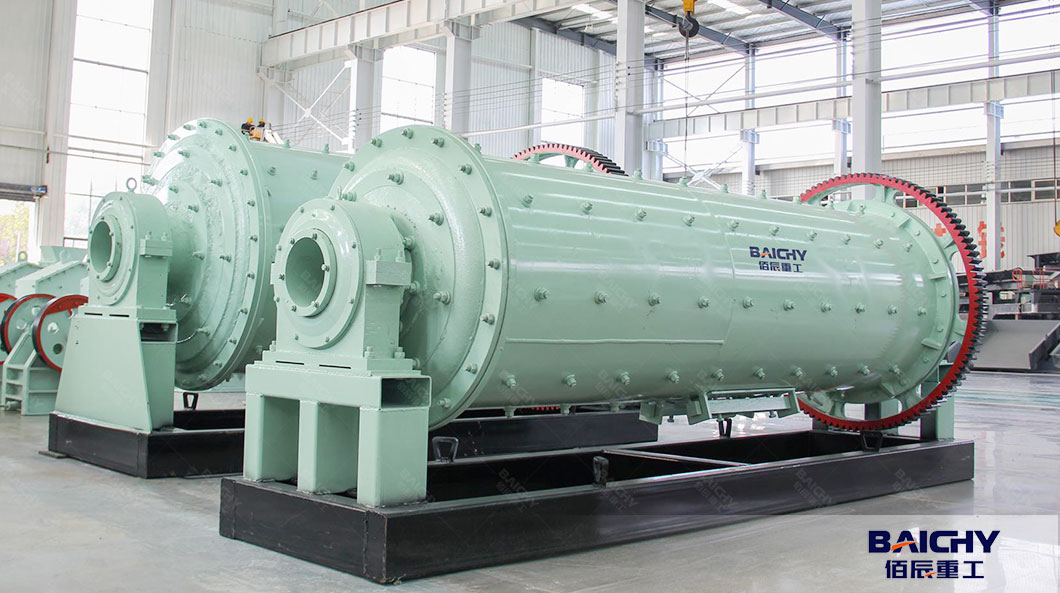
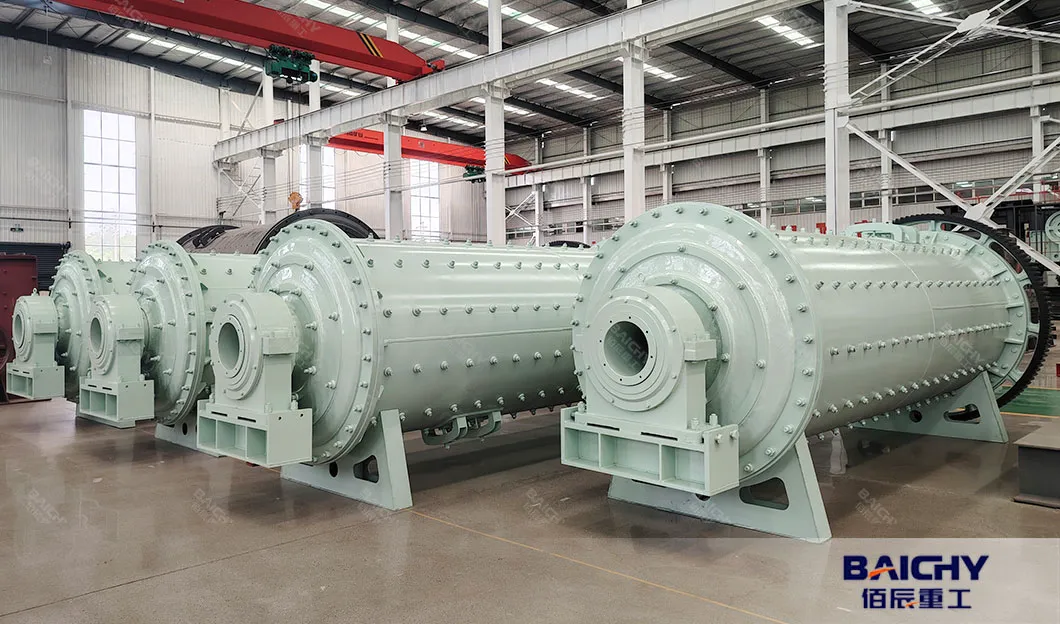
Why Choose a Ball Mill for 150-Mesh Malachite Ore Grinding?
Malachite ore has unique physical and chemical properties that demand a grinding solution balancing precision, gentleness, and scalability. Unlike hard minerals such as granite or quartz, malachite is relatively soft (3.5–4 on the Mohs scale) and can be prone to over-grinding or contamination if processed with inappropriate equipment. Ball mills address these challenges while meeting the 150-mesh fineness requirement through the following advantages:
1. Precise Control Over Fineness
150-mesh powder corresponds to particles with a diameter of approximately 106 microns—a specification that requires tight grinding tolerances. Ball mills use a closed-loop grinding system (paired with classifiers in most industrial setups) to separate under- and over-sized particles. Oversized malachite particles are recirculated back into the mill for regrinding, ensuring that the final product consistently meets the 150-mesh standard. This level of precision is difficult to achieve with alternative equipment like hammer mills, which often produce inconsistent particle sizes.
2. Gentle Grinding to Preserve Ore Purity
Malachite is valued not only for its copper content but also for its natural color and chemical composition, especially in pigment and jewelry applications. Ball mills use impact and attrition grinding via steel or ceramic balls. For high-purity applications, ceramic liners and grinding media (e.g., alumina balls) can further eliminate metal contact, preserving the ore’s inherent properties.
3. Scalable Production Capacity
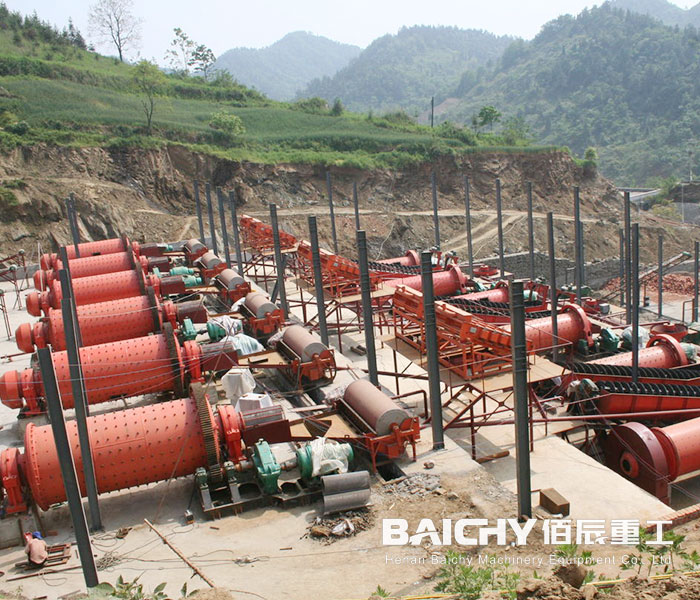
Whether for small-scale artisanal pigment production or large-scale copper ore processing, ball mills offer flexible scalability. Lab-scale ball mills can produce a few kilograms of 150-mesh malachite powder per hour, while industrial-scale mills can handle tens of tons daily.
4. Low Operational and Maintenance Costs
Ball mills have a simple mechanical structure with fewer moving parts than advanced grinding systems, reducing the risk of breakdowns and lowering maintenance costs. Routine upkeep primarily involves replacing worn grinding media and liners, which is straightforward and cost-effective.
Key Setup and Configuration for 150-Mesh Malachite Powder Production
To achieve consistent 150-mesh output, configuring the ball mill and auxiliary equipment correctly is essential. Below are the critical parameters and setup steps:
1. Grinding Media Selection
The type and size of grinding balls directly impact fineness and purity:
● For general industrial use: High-carbon steel balls (10–30mm diameter) are cost-effective and deliver sufficient impact force to reduce malachite ore to 150 mesh.
● For high-purity applications: Ceramic balls (alumina or zirconia) or silica balls prevent metal contamination, which is critical for cosmetic-grade or pigment malachite powder.
● Media filling rate: A 30–40% filling rate of the mill’s volume is optimal for 150-mesh grinding—overfilling reduces grinding efficiency, while underfilling leads to insufficient particle reduction.
2. Mill Speed Adjustment
Ball mills operate at a fraction of their critical speed (the speed at which grinding media sticks to the mill liner due to centrifugal force). For malachite ore, a rotational speed of 65–75% of the critical speed is ideal: this ensures the balls cascade and tumble, creating the impact and attrition needed to produce 150-mesh particles. Higher speeds may cause over-grinding, while lower speeds result in incomplete particle reduction.
3. Integration with a Classifier
A cyclone classifier or vibrating screen is a mandatory auxiliary tool for 150-mesh production. The classifier sifts the ground material as it exits the mill, separating particles finer than 150 mesh (which proceed to collection) from coarser particles (which return to the mill). This closed-circuit system maintains fineness consistency and prevents waste of under-processed ore.
4. Feed Size and Moisture Control
Malachite ore should be crushed to a feed size of 5–10mm before entering the ball mill—larger feed sizes extend grinding time and increase energy use. Additionally, malachite ore with high moisture content (above 8%) can cause particle agglomeration, hindering the formation of 150-mesh powder. A pre-drying step (using rotary dryers or hot air ovens) ensures the ore moisture is below 5%, optimizing grinding efficiency.
Conclusion
For processing malachite ore into 150-mesh powder, the ball mill is the gold standard, offering unmatched precision, purity preservation, scalability, and cost efficiency. By selecting the right grinding media, optimizing mill speed, integrating a classifier, and following best practices, operations can consistently produce high-quality 150-mesh malachite powder for industrial, artistic, and agricultural applications, a well-configured ball mill delivers reliable performance that aligns with both technical specifications and business goals. Welcome to contact us to get customized ball mill solution with price list.




 2026-09-28





 86-15093113821
 86-15093113821