Copper is one of the most crucial industrial metals globally. However, as raw ore grades rapidly decline, highly efficient processing becomes absolutely essential. In the complex journey to transform raw rock into valuable copper concentrate, the copper ore ball mill plays the most critical role. This comprehensive guide explores how these powerful machines work and why they are vital for your mining success.
What is a Copper Ore Ball Mill?
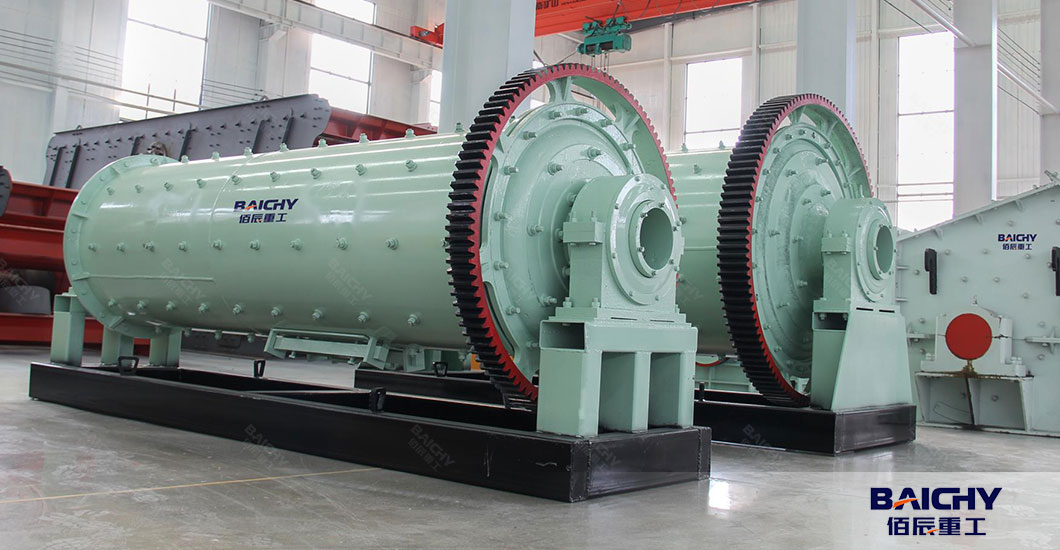
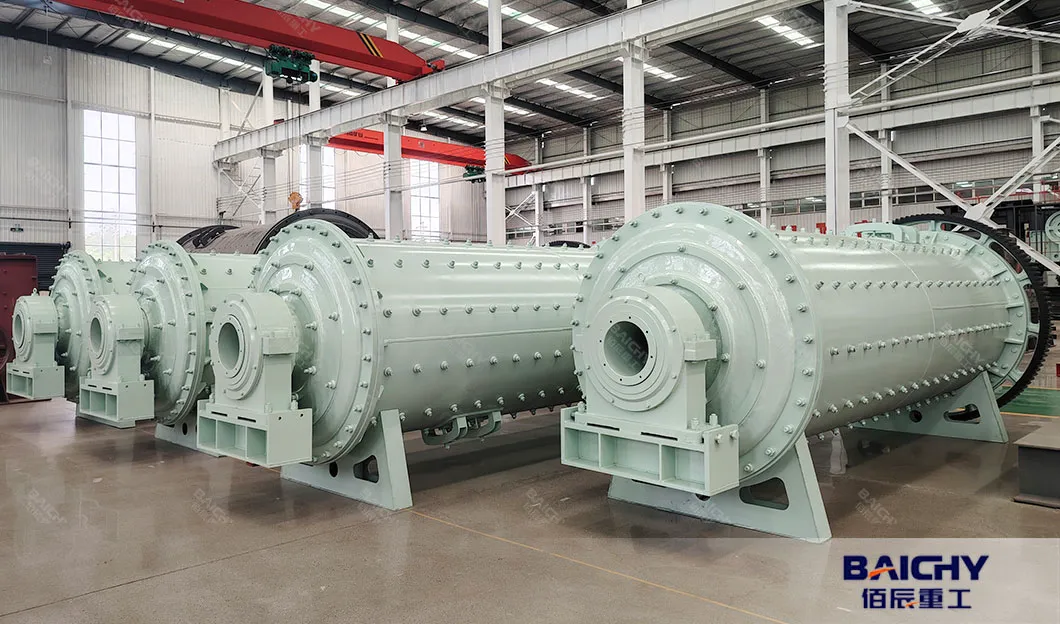
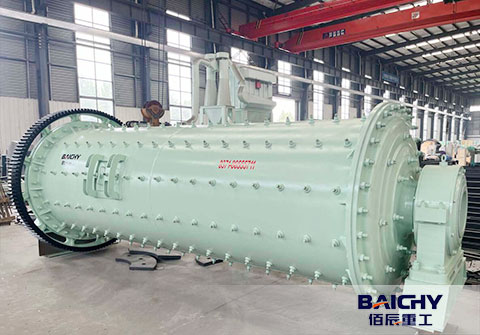
A copper ore ball mill is a heavy-duty, industrial-grade rotating cylinder. It is specifically designed to take crushed copper ore—usually under 25mm in size—and grind it into a very fine powder. The machine features a durable steel shell, wear-resistant inner liners, massive roller bearings, a robust drive system, and heavy steel grinding balls.
How Does a Copper Ball Mill Work?
A copper ore ball mill is a heavy-duty, industrial-grade rotating cylinder used to pulverize rocks. It is specifically designed to take crushed copper ore—usually under 25 millimeters in size—and grind it down into a very fine, dust-like powder. The machine features a durable steel shell, wear-resistant inner liners, massive roller bearings, a robust electric drive system, and heavy steel grinding balls. Together, these heavy components create a relentless grinding environment for tough ores.
The Role of Ball Mills in the Copper Beneficiation Process
A ball mill is not just a standalone machine; it is the beating heart of the entire copper extraction workflow in the copper ore processng plant. Without it, recovering the metal is impossible.
1. The Crushing Stage
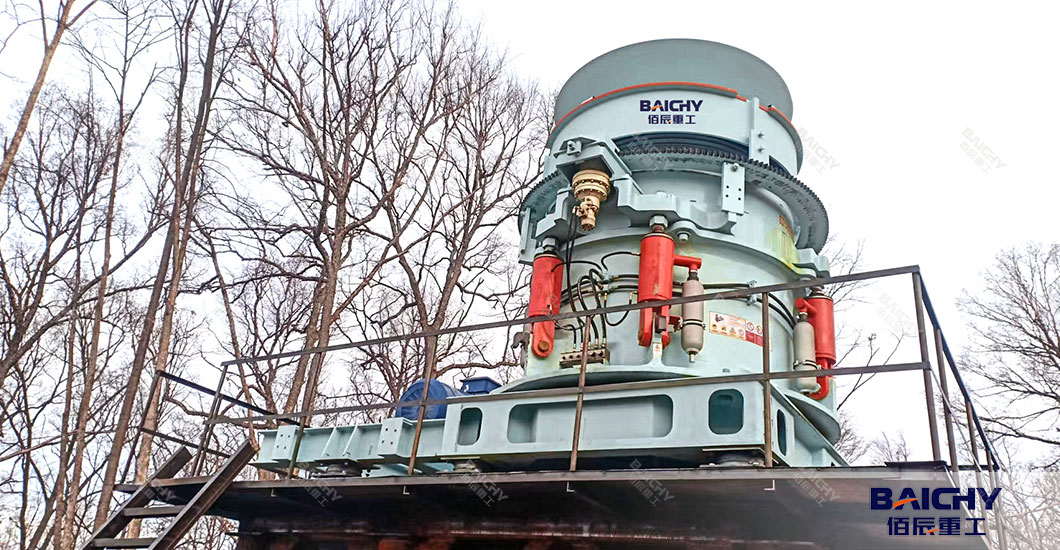
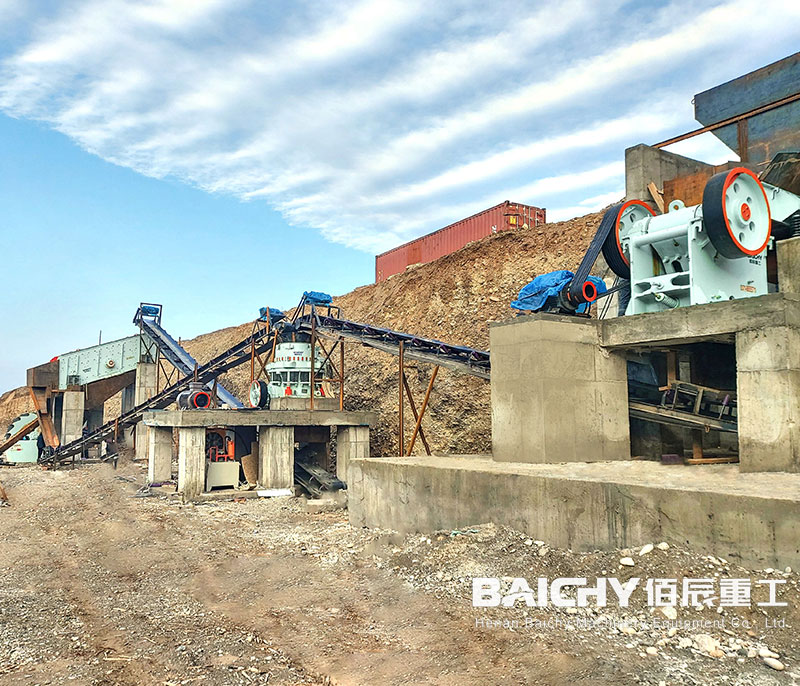
Before the grinding process can even begin, massive raw copper rocks must be significantly reduced in size. Heavy-duty primary jaw crushers and secondary cone crushers are used to break these giant boulders down into small, manageable gravel. This crucial first step properly prepares the raw ore, ensuring it is small enough to enter the ball mill safely. If the rocks are too large, they will block the feeding inlet and severely damage the internal components of the grinding machine.
2. The Grinding Stage
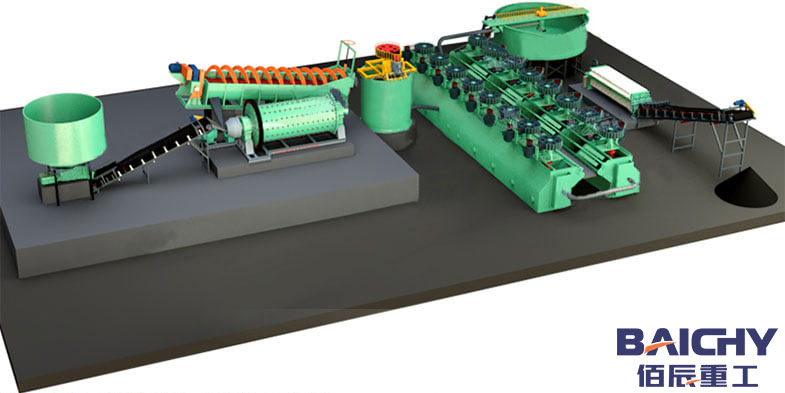
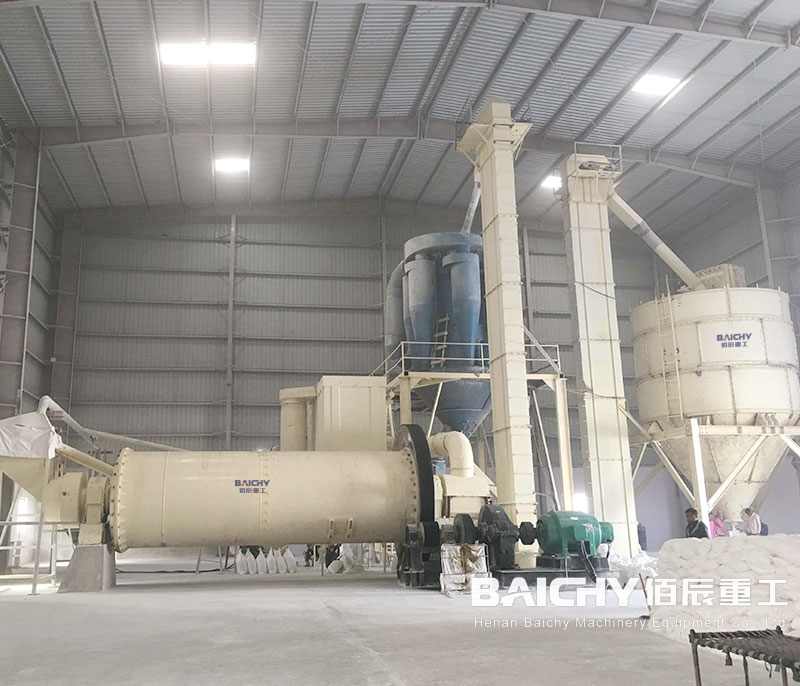
This stage is the true core of the entire processing plant. The ball mill usually works in a closed-circuit loop with a hydrocyclone separator. The hydrocyclone meticulously separates the fine slurry and sends any coarse, oversized particles back to the mill for regrinding. This continuous loop guarantees that the valuable copper minerals are fully liberated from the surrounding waste rock. Complete liberation is the absolute key to achieving a high recovery rate in the next processing step.
3. The Flotation Stage
Only properly and finely ground ore can move forward to the flotation cells. Specific chemical reagents are added to the wet slurry, causing the liberated copper particles to float to the surface in a frothy foam. If the ball mill does not grind the ore finely enough, the copper remains trapped inside the waste rock. This precious copper will simply sink to the bottom of the flotation tank and be permanently lost as waste, costing the mining operation thousands of dollars in lost revenue.
Top 4 Features of a High-Efficiency Copper Ball Mill
Modern industrial ball mills are packed with advanced engineering and highly durable materials designed to maximize your daily profits while minimizing unexpected downtime.
1. Energy Saving Design
The grinding stage easily consumes the most massive amount of electricity in any mining plant. Modern ball mills combat this by replacing old sliding bearings with advanced, large-scale double-row roller bearings. This brilliant engineering upgrade drastically reduces mechanical friction during rotation. As a result, the machine requires significantly less starting torque, saving up to thirty percent in overall energy consumption daily and dramatically lowering your long-term operating costs.
2. High Wear Resistance
Raw copper ore is extremely hard and naturally highly abrasive. To effectively combat this harsh reality, premium ball mills utilize high-manganese steel or thick rubber inner liners. Combined with high-quality forged steel grinding balls, these heavy-duty wear parts significantly extend the overall equipment life. By resisting constant abrasion, these durable components drastically reduce costly maintenance downtime and ensure your production line keeps running profitably without interruption.
3. Continuous Operation
Commercial mining operations simply cannot afford to stop production. These industrial copper grinders are specifically engineered for harsh, continuous 24/7 working environments. Their robust structural integrity and advanced automatic lubrication systems ensure that they perform flawlessly under extreme stress. This incredible reliability keeps your copper production running smoothly day and night without fail, allowing your facility to meet its daily tonnage targets and maximize profitability.
4. Customizable Discharging
Absolute precision is everything in successful mineral processing. By simply adjusting the ratio of different-sized steel balls and controlling the raw rock feed rate, operators can easily customize the final output size of the powder. This operational flexibility ensures the ground material perfectly matches the strict particle size requirements of the downstream flotation stage. Achieving this exact fineness prevents valuable minerals from being lost and guarantees maximum copper recovery.
John Davies, a senior metallurgical engineer with decades of mining experience, states: "Choosing a ball mill isn't just about picking a capacity. You must conduct thorough metallurgical testing first. Understanding your specific ore's hardness index directly dictates your required motor power and your choice of grinding media. Skipping this critical testing step always leads to massive energy waste, rapid equipment wear, and a heartbreaking loss of valuable copper during the flotation stage."
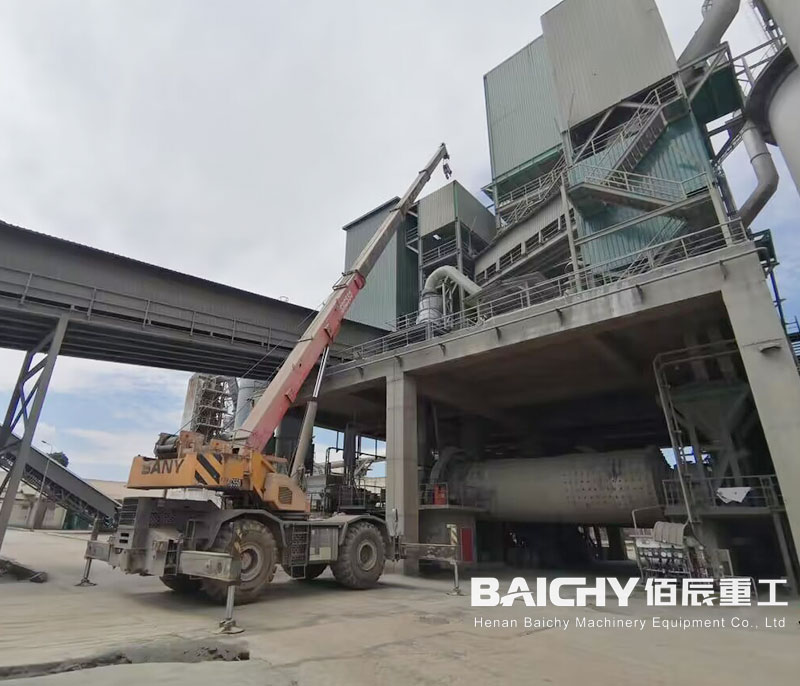
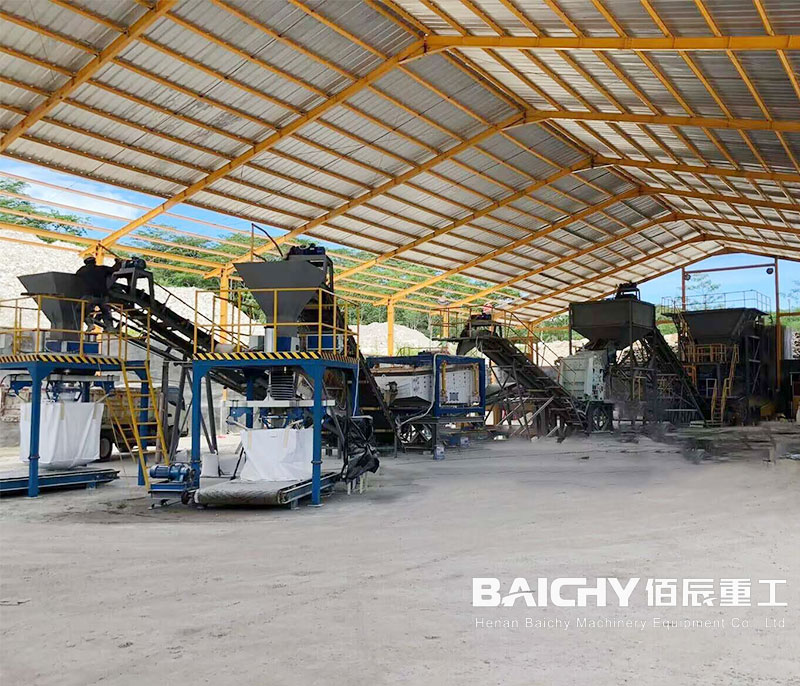
A successful case: Cooper ore ball mill processing plant
Summary:
Ball mill is an important necessary equipment in copper processing production line. Our Client has high requirement about the ball mill quality and technical support. After sourcing and comparing, the client decided to cooperate with us, Baichy Machinery company.
Requirement:
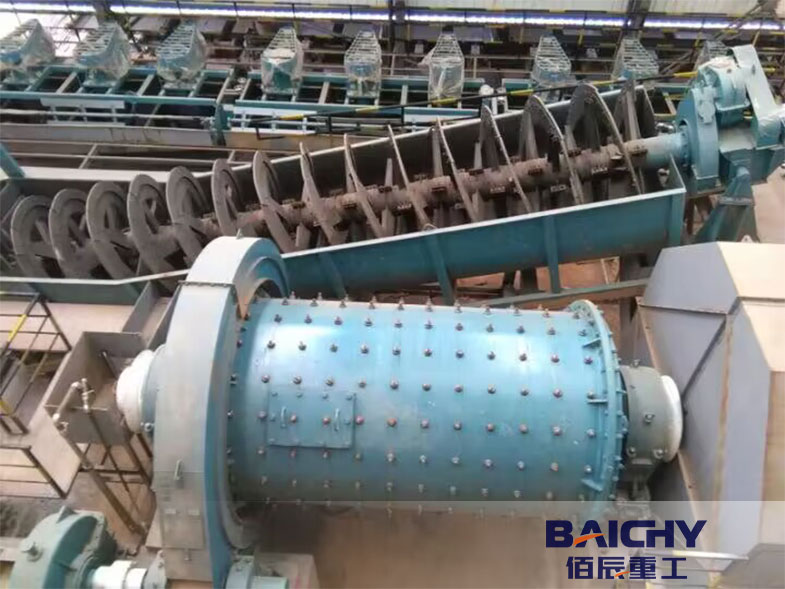
the copper ore needs to grind coarsely first. The coarse ore goes to mill again. Then it needs rough flotation for one time, scavenging flotation for twice and concentrating flotation for twice. Separation index reach the concentrate grade 20%, recovery rate is about 80%
Baichy Solution:
The copper ore has sulphide content, so it is better to use flotation method. The basic prescription to separate copper with sulphur is using the lime to inhibit iron sulfide minerals. It could add a small amount of cyanide if necessary. The resurrection of iron sulfide could use Na4SO4, CO2, H2SO4 etc and needs to add a small amount of copper sulfate.
Machine list:
| No |
Machine |
Model |
| 1 |
Ball mill |
1830x7000 |
| 2 |
Jaw crusher |
PE250x750 |
| 3 |
Magnetic separator |
CTB1050*2400 |
| 4 |
Flotation machine |
XJK-0.62 |
| 5 |
Spiral classifier |
4DF-44 |
| 6 |
Electro-magnetic feeder |
- |
| 7 |
Bucket elevator |
- |
| 8 |
Steel balls |
- |
A copper ore ball mill is far more than just a simple grinding machine. It is the most critical financial investment that determines your overall copper recovery rate and the ultimate profitability of your plant. Are you completely ready to boost your daily mining profits with a highly reliable, energy-saving industrial grinder? Do not settle for inefficient equipment. Contact Baichy Machinery today for a customized copper ore grinding solution, expert technical advice, and a free equipment quote!
People Also Frequently Asked For- FAQ
What is the function of the ball mill?
A ball mill is a type of grinder used to grind and blend bulk material into QDs/nanosize using different sized balls. The working principle is simple; impact and attrition size reduction take place as the ball drops from near the top of a rotating hollow cylindrical shell.
What are the components of a ball mill?
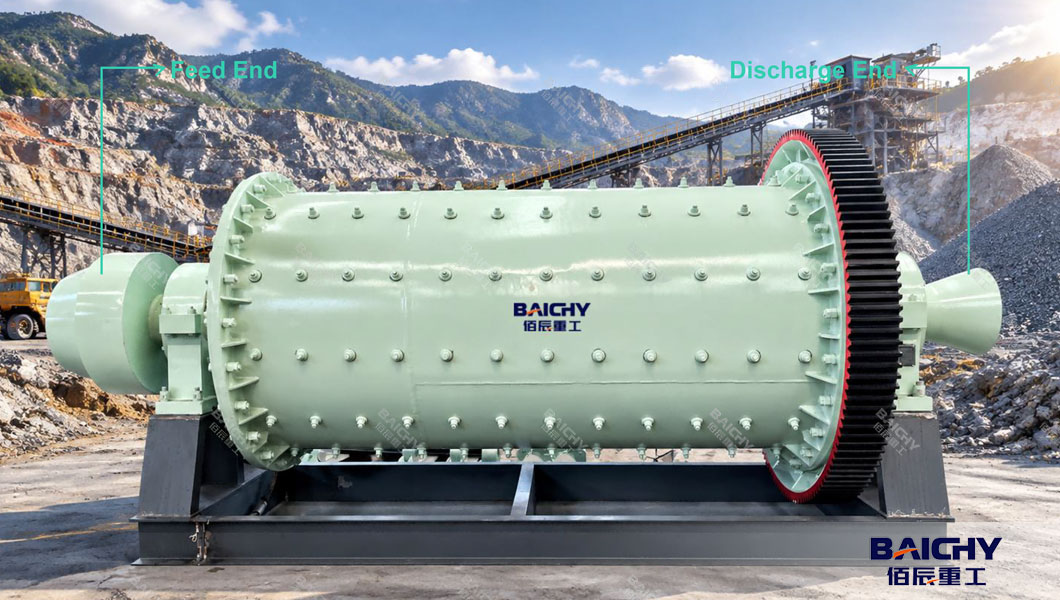
The main components of a ball mill include: Feed and discharge end: The mill is hollow, and the material is fed into the mill through the feed end. The ground material is discharged from the discharge end. Cylinder: The cylinder is the main body of the ball mill.
How is copper ore crushing done?
The most common method of crushing cooper ore is jaw crushers, which use two plates to compress the ore into smaller pieces. Once the desired size has been reached, the material is then screened in order to remove waste materials. The process of crushing copper ore typically involves a series of steps.




 2026-09-28





 86-15093113821
 86-15093113821